



Japanese Dog Figurine
A japanese dog figurine brings sculptural presence and quiet character to a room, ranging from playful bronze puppies to fierce porcelain guardian lions.
Japanese Dog Figurine
A japanese dog figurine encompasses sculptural forms from bronze puppies to porcelain guardian lions created across the Edo and Meiji periods. These figures served both as decorative ornaments and protective symbols within traditional interiors.
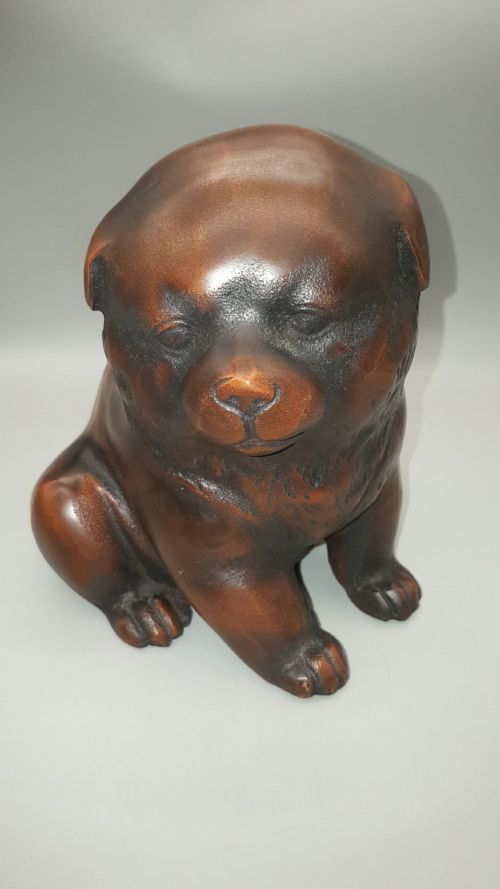
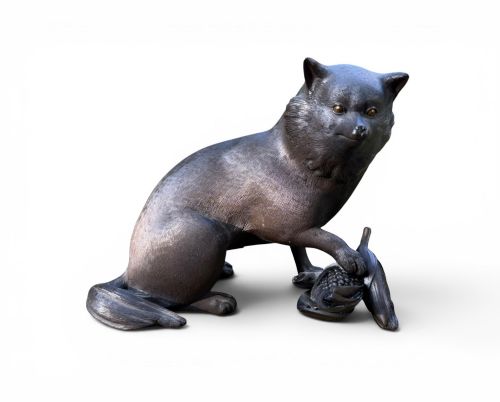
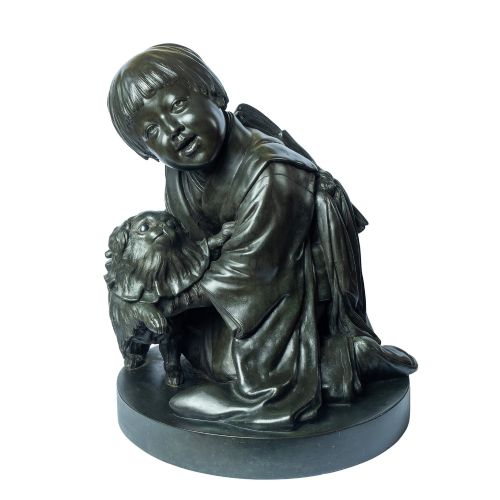
The versions most commonly met on this page include bronze okimono and ceramic figures modelled as domestic dogs, puppies, and mythical guardian lions. They draw on centuries of craftsmanship originating from distinct regional kilns and metalworking centres.
Makers utilised traditional casting and glazing techniques to render each animal with distinct posture and expression. Collectors encounter both single animal studies and matched sets reflecting specific aesthetic movements.
Materials and methods
Metal figures utilise cast bronze and patinated iron, often enhanced with gold inlay or gold leaf details. Metalworkers employed lost-wax casting methods to achieve fine fur textures and lifelike musculature.
Ceramic examples rely on porcelain, cobalt underglaze, and ceramic glaze, frequently associated with Hirado, Kutani, or Bizen traditions. Potters shaped these pieces by hand or in moulds before applying controlled kiln firings to set the glazes.
Japanese Dog Figurine Retail Price Guide 2026
Typical asking prices for japanese dog figurine among the pieces listed under this phrase on Sellingantiques today, from the lower quarter to the upper quarter. They describe what is for sale here now, not the wider market.
Even fierce guardian lions occasionally reveal a surprisingly charming, wrinkled puppy face when viewed from behind.
Judging quality
Quality rests in the precision of the modelling and the sensitivity with which the artisan captures the animal's natural movement or posture. Superior pieces display crisp surface chiselwork on metal or well-controlled pigment application on porcelain.
The distinction between standard commercial output and masterwork creations depends upon the signature or mark of the maker, alongside the depth of the metal patina or the purity of the ceramic glaze.
Tsunemitsu·Shosai·Masaaki·Unno Shomin
The Japanese Dog Figurine Glossary
- Okimono
- A Japanese stand-alone decorative figurine or sculpture intended for display in an alcove or on a shelf. These pieces emerged as prominent items during the Meiji period.
- Karashishi
- A traditional guardian lion dog derived from Chinese Buddhist tradition, depicted with curly mane and fierce expression. Sculptors rendered these mythical beasts in both porcelain and bronze.
- Bizen
- A type of Japanese stoneware fired without glaze, known for its reddish-brown iron-rich clay body and natural ash markings. Kilns in Bizen produced unglazed animal figures with textured surfaces.
- Hirado
- A porcelain ware produced in Nagasaki prefecture, celebrated for its fine white body and delicate underglaze blue decoration. Hirado figures often include finely modelled puppies and mythical beasts.
- Meiji Period
- The era of Japanese history lasting from 1868 to 1912, marked by opening trade and exceptional decorative arts production. Artisans during this time created intricate metalwork and ceramics for international markets.
Japanese Dog Figurine: Frequently Asked Questions
What is a guardian lion dog?
A guardian lion dog, or shishi, is a mythical protector figure placed outside temples or inside homes to ward off evil spirits. Japanese sculptors adapted these creatures into domestic ornaments.
They appear in porcelain, bronze, and stoneware, often shown guarding a ball or standing with fierce expressions.
How do I care for bronze figurines?
Bronze sculptures require minimal intervention, needing only gentle dusting with a soft, dry cloth to prevent dirt accumulation. Avoid using chemical polishes that strip the historical patina.
Keeping the pieces away from excessive moisture and direct sunlight preserves the original surface finish.
What distinguishes Meiji period bronzes?
Meiji period bronzes are defined by technical mastery, realistic animal anatomy, and sophisticated patination methods. Artisans during this era perfected intricate casting techniques.
Many of these works bear artist signatures or workshop seals confirming their origins.