



Japanese Display Jars
Japanese display jars are substantial ceramic vessels designed for interior ornamentation, bringing striking hand-painted palettes into period interiors.
Japanese Display Jars
Japanese display jars encompass large lidded vases, tea jars, and floor vases originating primarily across the eighteenth and nineteenth centuries, including the Edo and Meiji periods.
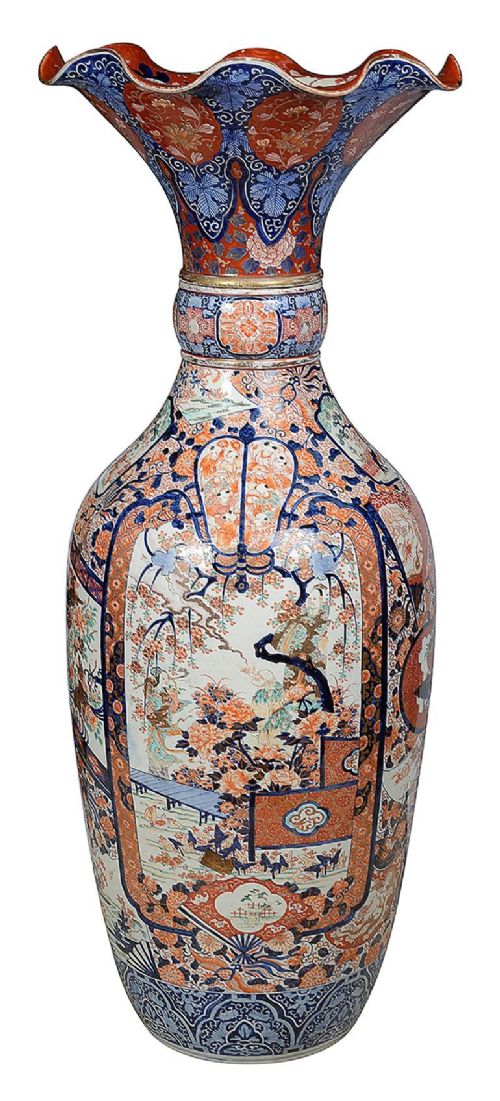
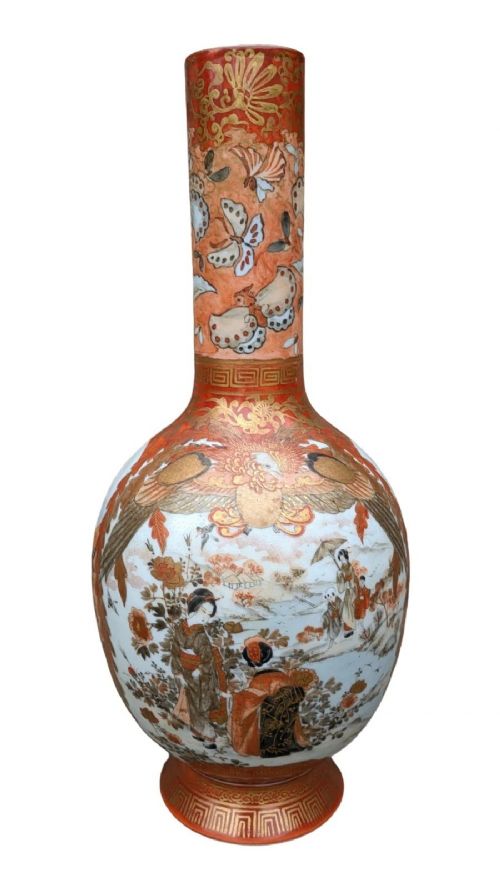
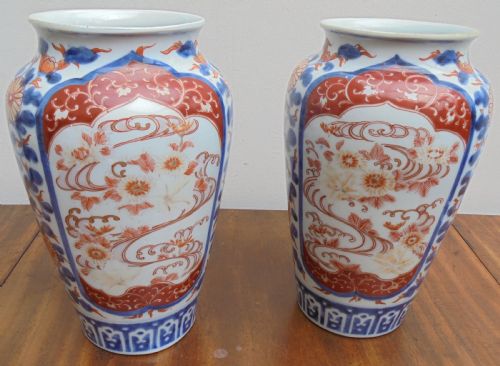
Buyers encountering this selection will frequently find large Imari lidded vases alongside Kutani and Satsuma wares, ranging from floor-standing heights down to smaller covered vessels.
These ceramic forms were created specifically for prominent placement within rooms, serving as focal points rather than functional containers for everyday use.
Materials and decoration
Potters shaped these pieces from porcelain and earthenware bodies, frequently applying cobalt blue underglaze before layering polychrome enamels and gold leaf across the surface.
Many examples incorporate elaborate metallic mounts such as ormolu, while others feature carved wooden elements or lids that complement the ceramic body.
Japanese Display Jars Retail Price Guide 2026
Typical asking prices for japanese display jars among the pieces listed under this phrase on Sellingantiques today, from the lower quarter to the upper quarter. They describe what is for sale here now, not the wider market.
Several towering jars stand nearly five feet tall, demanding ceilings with genuine ambition.
Judging the work
Superior quality rests in the precision and ambition of the hand-painted decoration, where complex figural scenes or dense botanical patterns display exceptional control of the brush.
The sophistication of the glaze work and the richness of the gold leaf application distinguish finer studio output from standard production pieces.
Tokyo Taizan·Kinrin Workshop
The Japanese Display Jars Glossary
- Imari
- A traditional Japanese export porcelain style characterised by cobalt blue underglaze and iron red overglaze, frequently enriched with gold.
- Kutani
- A style of Japanese coloured porcelain and earthenware originating from Kaga province, known for intricate pictorial designs.
- Satsuma
- A type of Japanese earthenware featuring a fine ivory crackle glaze decorated with enamel colours and gilding.
- Ormolu
- Gilded bronze mounts applied to the rims, bases, or handles of ceramic vessels to enhance their decorative presence.
- Underglaze
- Pigment applied directly to the raw ceramic body before firing and glazing, ensuring permanent protection beneath a glossy surface.
Japanese Display Jars: Frequently Asked Questions
What distinguishes an Imari jar from a Kutani jar?
Imari jars rely on a distinct palette dominated by cobalt blue and iron red, often accented with gold leaf in structured geometric and floral patterns.
Kutani jars instead showcase bolder pictorial narratives and heavier enamel work, frequently featuring figures or dense natural scenes from Kaga province.
How were large display jars originally used?
These substantial vessels stood in prominent reception rooms and halls of traditional interiors, serving purely as decorative focal points.
Lidded versions and floor vases filled architectural spaces, demonstrating the wealth and refined taste of the household.
Are these jars safe to clean with water?
Historic ceramic surfaces and delicate overglaze enamels require gentle dry dusting with a soft brush rather than immersion in water.
Moisture can compromise aged glazes and vulnerable gold leaf details accumulated over centuries.
How can I tell Meiji period jars from earlier pieces?
Meiji period vessels, dating from the late nineteenth century onward, frequently exhibit exceptionally dense painting and a wider variety of enamel tones.
Edo period examples display a restrained palette and simpler potting styles that reflect earlier Japanese ceramic traditions.