





Japanese Casting Metal
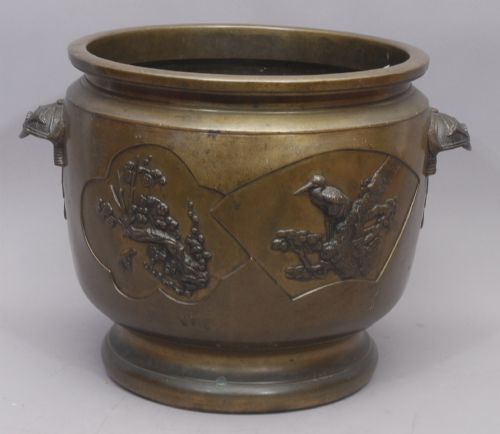
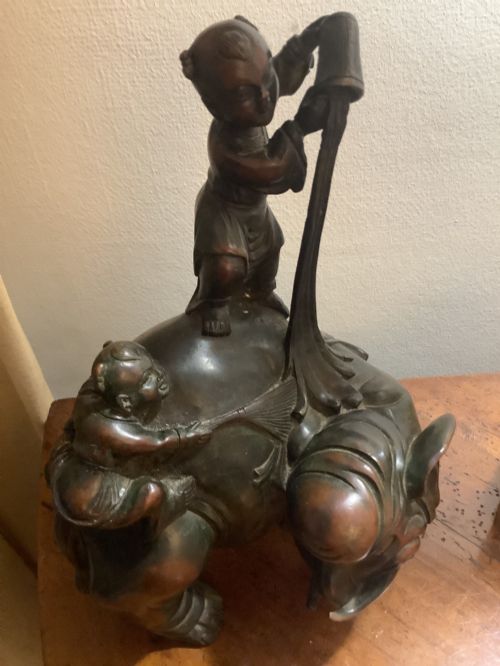
These Japanese casting metal pieces span delicate okimono animal figures and monumental garden vessels designed to bring fine patinated craftsmanship into your interior.
Japanese Casting Metal
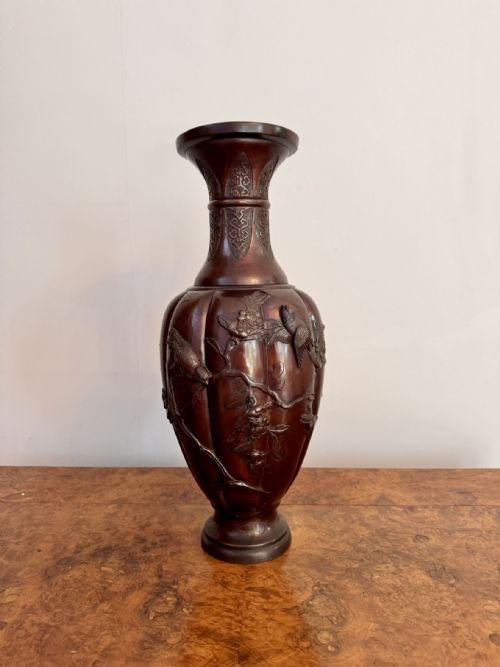
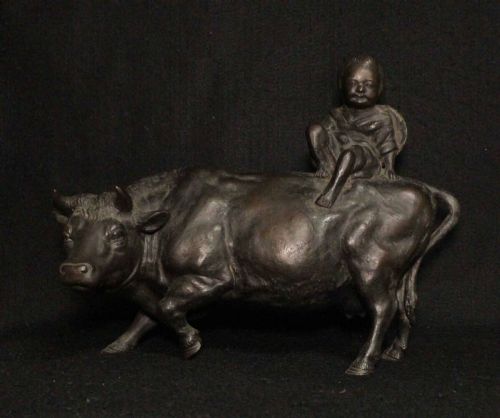
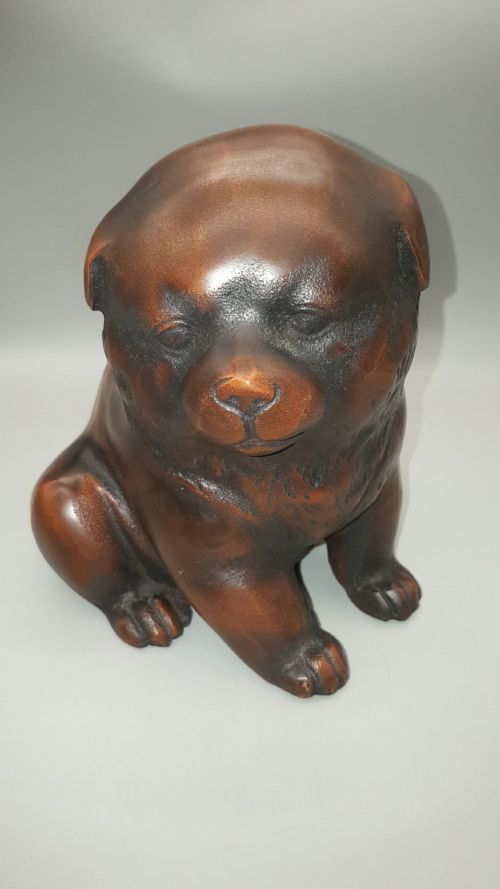
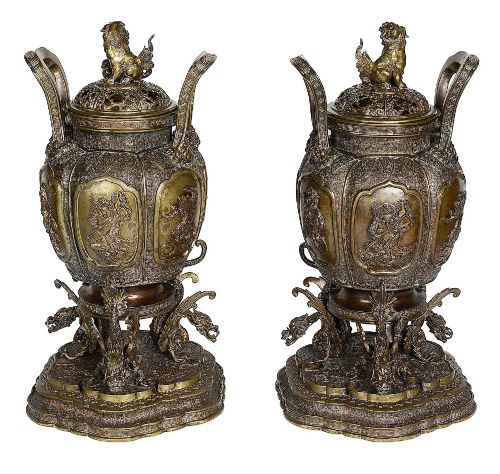
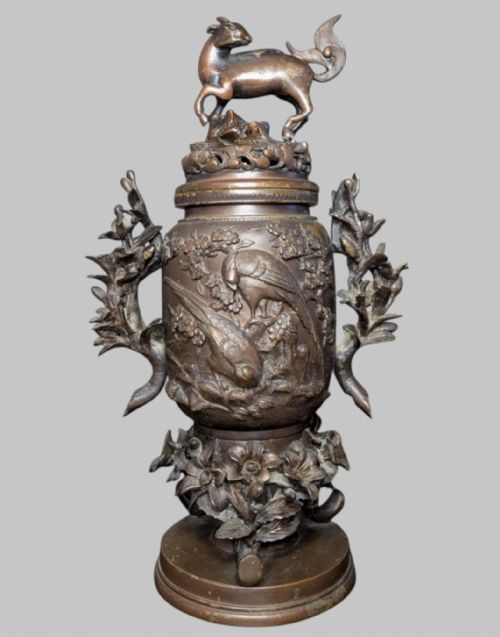
Japanese casting metal objects encompass a diverse range of forms, from vases, jardinières, and incense burners to sculptures of animals like puppies, bulldogs, and geese. The versions most commonly met on this page date from the Meiji period and the nineteenth century, showcasing traditional foundry skills.
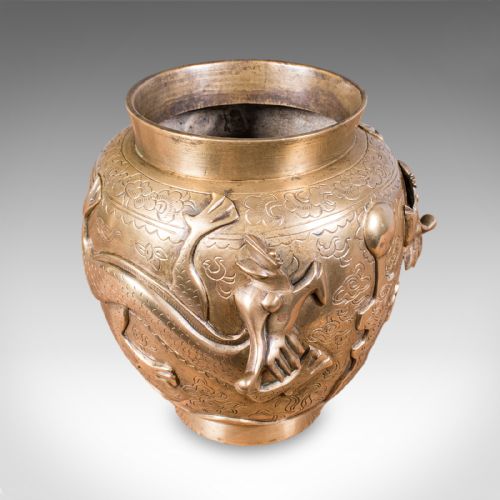
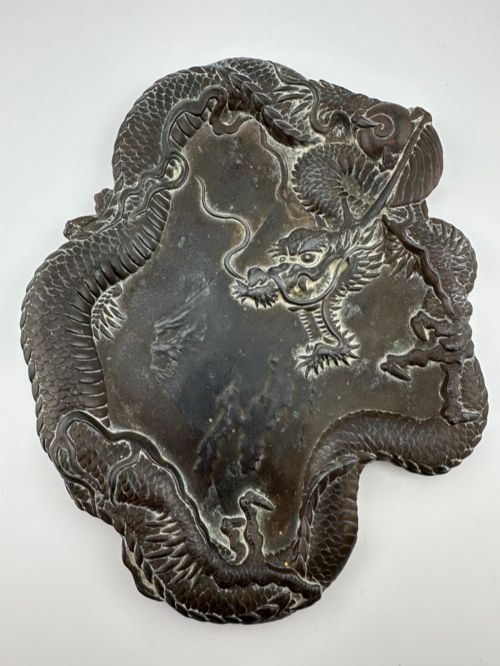
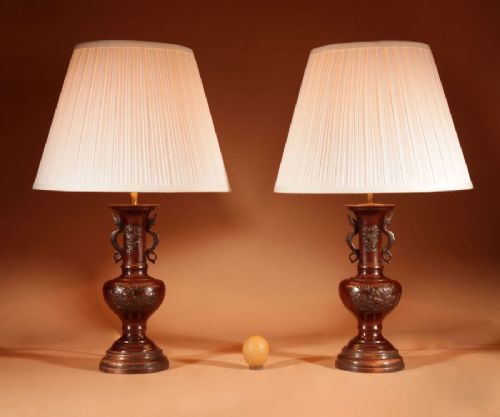
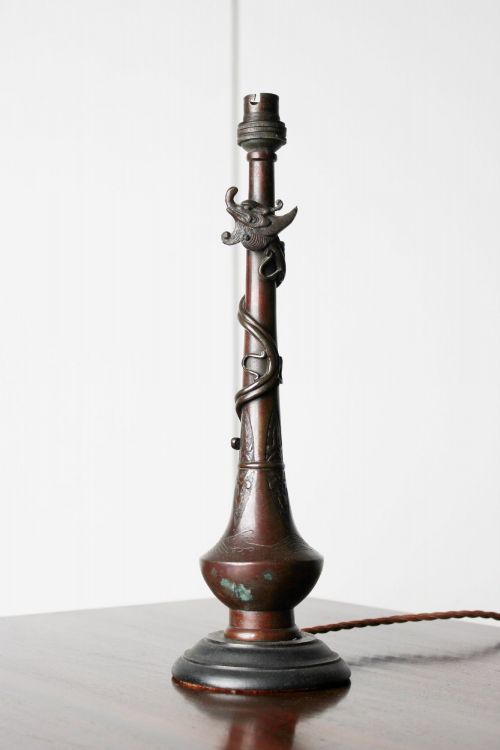
The selection includes utilitarian and decorative items such as sake kettles, lidded urns, and table lamps, often shaped with dragon motifs or archaistic details. Buyers encounter both compact cabinet pieces and heavy garden items weighing several kilograms.
Origins trace back through the Meiji and Edo periods, reflecting distinct shifts in decorative arts over decades of production. Pieces vary from subdued patinated surfaces to complex works incorporating cloisonné lids and champlevé enamel.
Materials and technique
Foundries primarily utilised bronze, brass, and patinated bronze, shaping molten metal through traditional lost-wax or sectional casting methods. Artisans applied chemical patination treatments to achieve deep brown, black, or greenish surface tones.
Selected vessels and kettles integrate decorative elements such as enamel, cloisonné, and antimony metal components. Skilled metalworkers chased and carved fine surface details by hand after the initial casting cooled.
Japanese Casting Metal Retail Price Guide 2026
Typical asking prices for japanese casting metal among the pieces listed under this phrase on Sellingantiques today, from the lower quarter to the upper quarter. They describe what is for sale here now, not the wider market.
Among the fauna cast in metal, a rhinoceros beetle and a French bulldog stand ready to guard your desk.
Assessing quality
Quality rests upon the crispness of the chased surface detail and the depth of the original patination. Master founders achieved lifelike textures in animal okimono and precise geometric symmetry in archaistic vases.
Superior examples display balanced proportions, substantial weight, and integration of secondary materials like enamel or mixed-metal alloys. The distinction lies in the sensitivity of the finishing work and the clarity of signature marks from known makers or schools.
Tsunemitsu·Kibundo
The Japanese Casting Metal Glossary
- Okimono
- A Japanese freestanding decorative sculpture designed for display on a shelf or in a tokonoma alcove.
- Tetsubin
- A traditional Japanese cast iron kettle used for boiling water, frequently associated with Kyoto workshops.
- Koro
- A small incense burner typically featuring a pierced lid to allow scented smoke to escape.
- Usubata
- A specific form of bronze vase with a wide, flat rim, traditionally used for formal flower arrangements.
- Patination
- The chemical or natural alteration of a metal surface over time, creating distinct colour variations and protective layers.
Japanese Casting Metal: Frequently Asked Questions
What is Japanese casting metal?
Japanese casting metal refers to decorative and functional bronze, brass, and iron objects produced by Japanese metalworkers, primarily during the Meiji and Edo periods.
These pieces range from small animal sculptures to large garden urns and vases.
How were these metal pieces used?
Many items served domestic and ceremonial functions, such as burning incense in a koro or holding water for floral displays in a jardiniere.
Others functioned as lighting or simply as sculptural okimono meant to be admired within a room.
How do I identify a Meiji period piece?
Meiji period items often display naturalistic animal subjects or intricate dragon motifs combined with dark patinated bronze finishes.
They frequently reflect the opening of Japan to Western trade, which influenced decorative scales and forms.
Are these objects heavy?
Many cast bronze items are surprisingly substantial, with pairs of larger vases often weighing multiple kilograms.
Smaller desk figures and okimono remain light enough to move easily between display locations.