



Japanese Cachepot Pot
These japanese cachepot pot vessels are substantial decorative planters for interior greenery, bringing historic ceramic and bronze craft directly into modern rooms.

Japanese Cachepot Pot
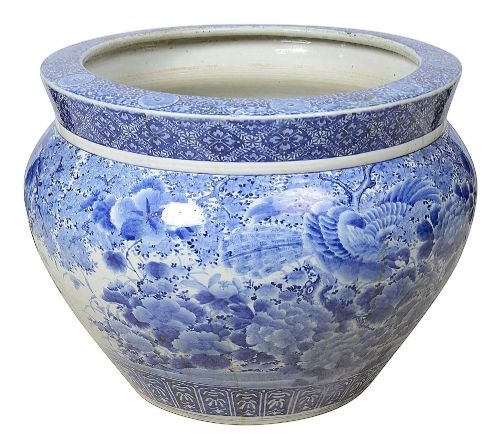
A japanese cachepot pot encompasses robust ceramic planters, jardinieres and decorative bowls designed to hold potted plants indoors. The pieces you encounter on this page span several centuries of production, originating from distinct historical periods.
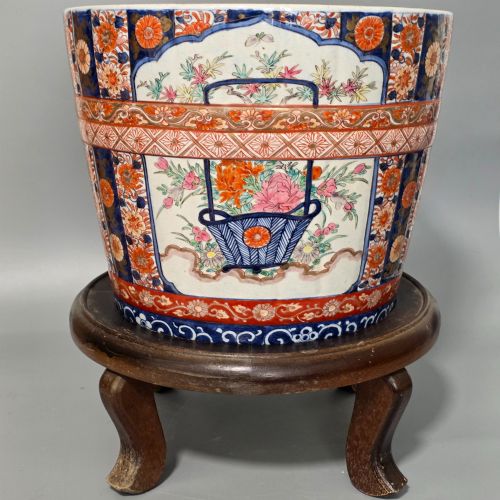
The selection ranges from early eighteenth century Arita Imari vessels to nineteenth century bronze planters and porcelain jardiniere dishes. Many pieces arrive accompanied by associated hardwood stands to elevate the bowl.
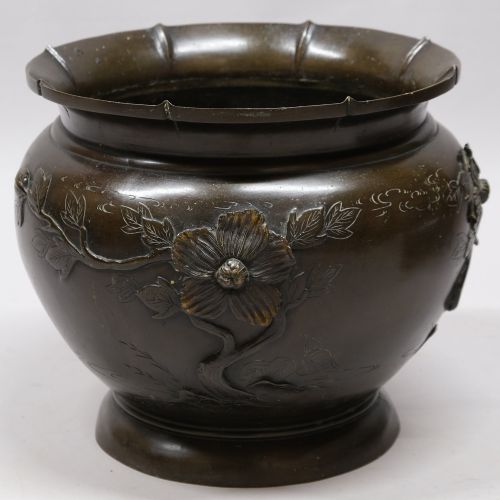
Meiji period works and earlier Edo examples dominate the selections, demonstrating both traditional cobalt underglaze porcelain and heavy cast bronze bowls.
Materials and Construction Techniques
Metal vessels utilise heavy bronze and brass, often cast with intricate decorative motifs and patinated surfaces. These bronze planters range in weight, including substantial heavy bowls created during the late nineteenth century.
Ceramic examples rely on porcelain, stoneware and earthenware bodies finished with cobalt underglaze, enamel, or coloured glazes. Makers applied traditional potting methods to shape large jardinieres capable of holding substantial soil and plants.
One hefty bronze jardiniere tips the scales at nearly three kilograms, proving that nineteenth century plants required serious muscle.
Distinguishing Quality Among Vessels
Quality rests in the crispness of the bronze casting or the precision of the cobalt underglaze painting on porcelain bodies. Superior examples display balanced proportions, clean interior surfaces, and deeply detailed surface decoration.
The presence of documented maker attributions, such as works associated with known ceramicists like Makuzu Kozan II, elevates the standing of individual stoneware jardinieres.
Makuzu Kozan II
The Japanese Cachepot Pot Glossary
- Cachepot
- A decorative pot used to hold an ordinary flowerpot and catch water drainage. These vessels typically lack drainage holes at the base.
- Jardiniere
- A large ornamental pot or stand for holding plants or flowers. They often sit on low tables or dedicated hardwood stands.
- Imari
- A style of Japanese porcelain decorated in underglaze blue, iron red, gold, and supplementary colours. This technique originated in the Edo period.
- Edo Period
- The period in Japanese history spanning from sixteen hundred and three to eighteen hundred and sixty-eight. Works from this era display traditional stylistic conventions.
- Meiji Period
- The era spanning from eighteen hundred and sixty-eight to nineteen hundred and twelve, characterised by significant artistic output. Many bronze and porcelain jardinieres date from this time.
Japanese Cachepot Pot: Frequently Asked Questions
What is a japanese cachepot pot used for?
These vessels serve as decorative containers to house potted plants inside the home, concealing standard nursery containers while protecting surfaces from water.
Historically, they functioned as central display pieces in parlours and reception rooms, often elevated on wooden stands.
How do I tell Edo period from Meiji period pieces?
Edo period items date before eighteen hundred and sixty-eight, reflecting earlier regional aesthetic traditions and potting techniques.
Meiji period pieces follow after that date, frequently showing the influence of international trade through highly detailed bronze casting and vibrant porcelain decoration.
Do these planters have drainage holes?
Most antique jardinieres and cachepots lack drainage holes at the base, as they were designed to contain inner flowerpots rather than hold loose soil directly.
Using a smaller plastic pot inside the main vessel prevents moisture damage to historic bronze or ceramic interiors.
Can I use these planters outdoors?
These antique decorative vessels suit indoor display best to protect delicate ceramic glazes, enamels, and patinated bronze finishes from weathering.
Placing them inside protected garden rooms or conservatories keeps them safe from frost and temperature extremes.