


Japanese Antiques Collection
These japanese antiques collection pieces span porcelain, bronze, and enamel forms from the Meiji period, offering tangible domestic artistry for collectors.
Japanese Antiques Collection
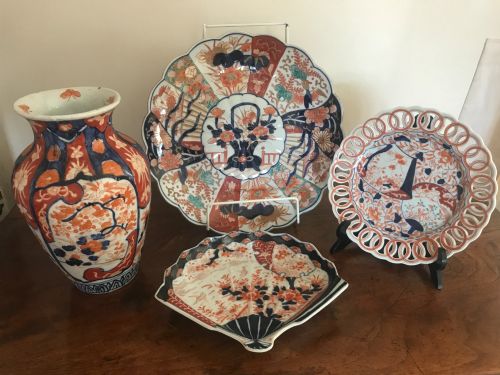
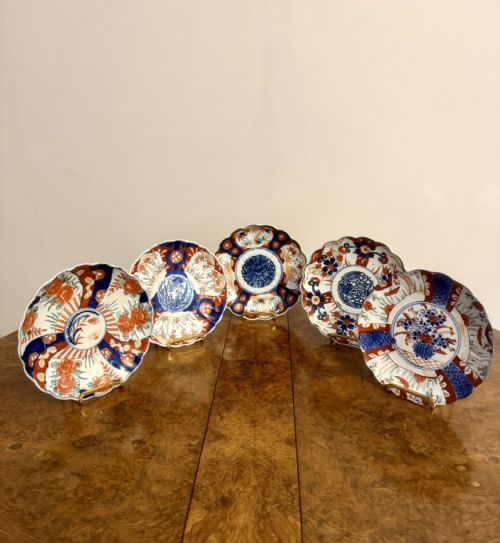
A japanese antiques collection primarily comprises decorative ceramics, cabinet plates, vases, bowls, and dishes originating around nineteen hundred. These works emerge from the Meiji period, reflecting traditional craftsmanship through distinct decorative styles.
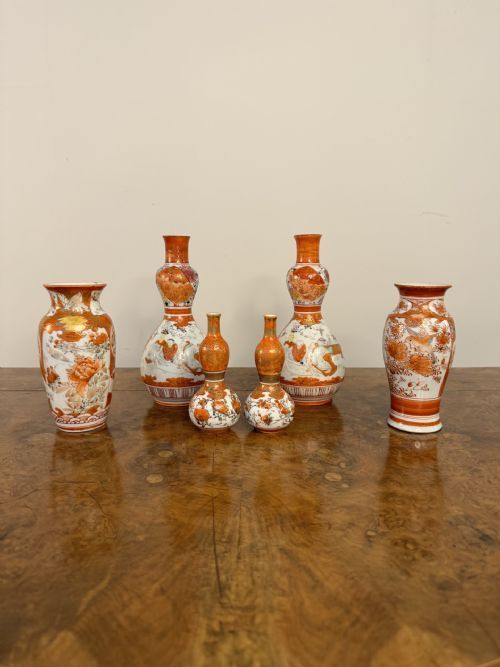
The most frequent items encountered in this category are Japanese Imari plates and vases, often grouped in sets or collections. Buyers also find Kutani shaped vases and signed bronze sword fittings such as tsuba.
Forms vary from large display plates and bowls to small shaped vases and dishes. Each object demonstrates specific regional aesthetics tied to late nineteenth and early twentieth century production.
Materials and construction
Ceramic pieces utilise porcelain bodies finished with cobalt underglaze, enamel, and gold leaf highlights. Artisans applied ceramic glaze over detailed hand-painted motifs before firing.
Metalwork items employ cast bronze overlaid with precious metals such as silver. Sword fittings demonstrate intricate metalworking techniques like inlay and carving to shape figurative subjects like herons.
The listings here exclusively feature pieces dated around nineteen hundred, covering porcelain, bronze, and Japanese Imari styles.
Factors of quality
Quality separates through the precision of the hand-painted cobalt underglaze and the application of enamel and gold leaf. Superior examples display crisp detail in the motifs and balanced proportions across plates, bowls, and vases.
Metalwork quality relies on the complexity of the bronze casting and the execution of silver overlays. Signed pieces and intricate sculptural forms demonstrate higher artisan skill than standard production items.
The Japanese Antiques Collection Glossary
- Imari
- A style of Japanese porcelain decorated in underglaze blue, iron red, and gold. This palette defines many plates and vases from the period.
- Kutani
- A style of Japanese coloured pictorial porcelain and ceramics known for vibrant enamel decoration. Vases in this tradition feature distinct shaped profiles.
- Tsuba
- A traditional guard at the end of the grip of Japanese swords. These bronze fittings often feature detailed metal overlays and signatures.
- Cobalt Underglaze
- A blue pigment applied to ceramic bodies before glazing and firing. It provides durable foundational colour for intricate patterns.
- Gold Leaf
- Very thin sheets of beaten gold applied to ceramic or metal surfaces for decoration. It adds metallic contrast to painted enamel designs.
Japanese Antiques Collection: Frequently Asked Questions
What is a Japanese Imari plate?
An Imari plate is a piece of porcelain decorated with distinctive underglaze blue, iron red, and gold motifs. These items were produced for both domestic use and export during the Meiji period.
Collectors prize them for their bold palette and traditional patterns. They function well as cabinet plates or decorative wall displays.
How are Kutani vases different?
Kutani vases are ceramic vessels known for rich enamel painting and shaped bodies. They stand apart from Imari ware through their distinct colour schemes and forms.
These vases suit tabletop display and interior decoration. Their detailed surfaces reward close inspection in daylight.
What is a bronze Tsuba?
A tsuba is a Japanese sword guard made from cast bronze, often featuring silver overlay and artist signatures. These metalwork pieces served a practical function on swords before becoming collectible art objects.
They display fine sculptural details like animal forms and natural scenes. Collectors often exhibit them on dedicated stands.
How should I display antique plates?
Plates from this period suit wall mounting or placement on sturdy plate stands within cabinets. Proper support prevents accidental slips while keeping the painted surfaces visible.
Keep ceramic pieces away from direct sunlight to protect enamel and gold leaf details. Gentle dusting maintains the glaze condition.