


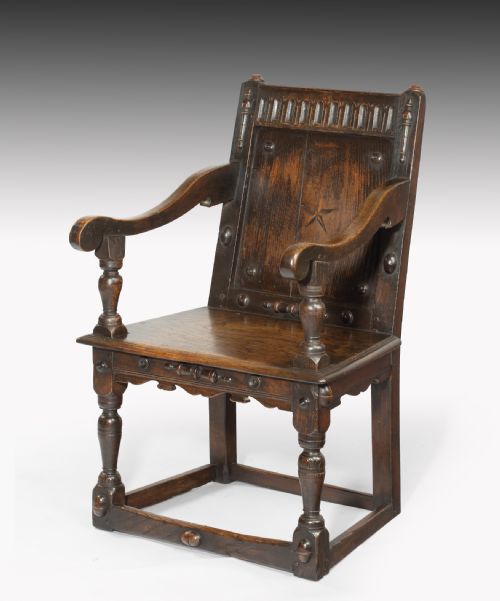

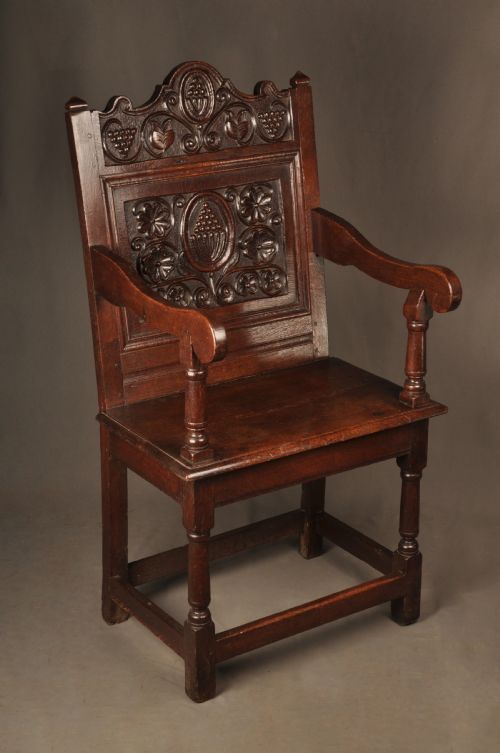
Jacobean Wainscot Chair
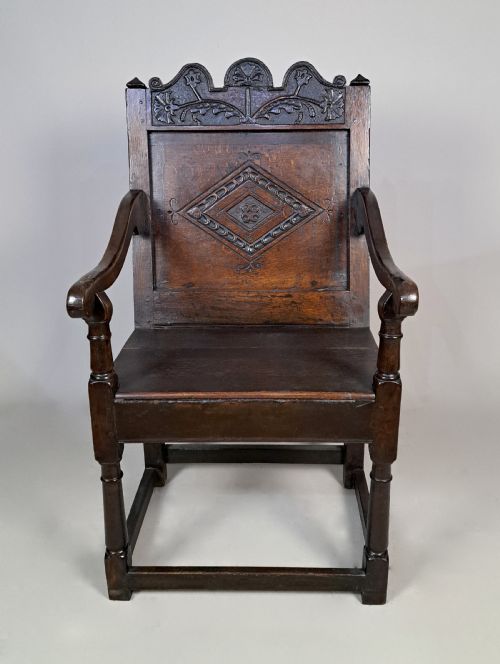
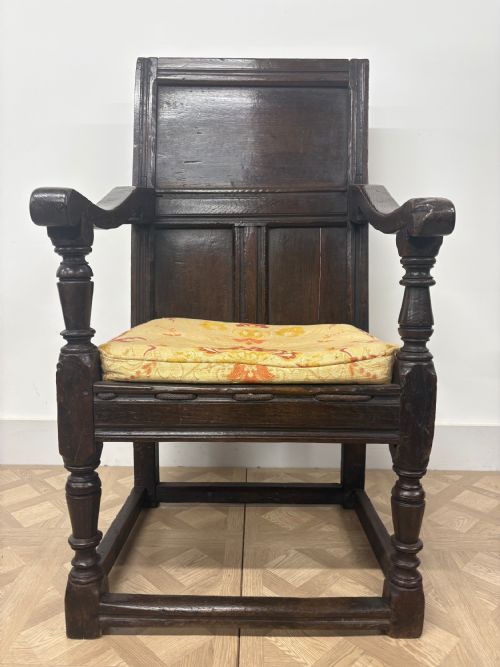
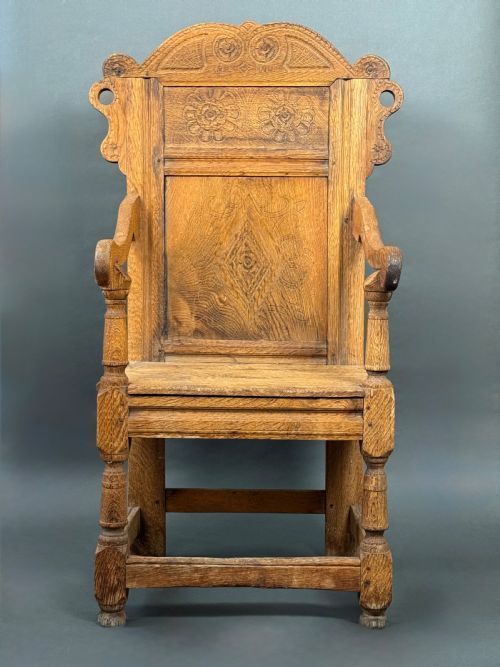
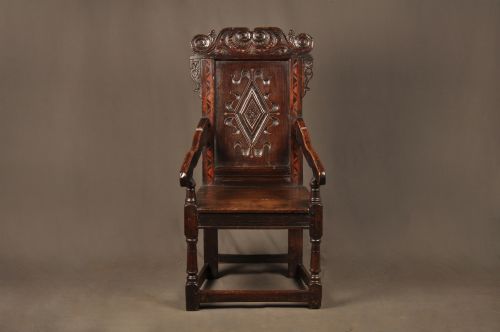
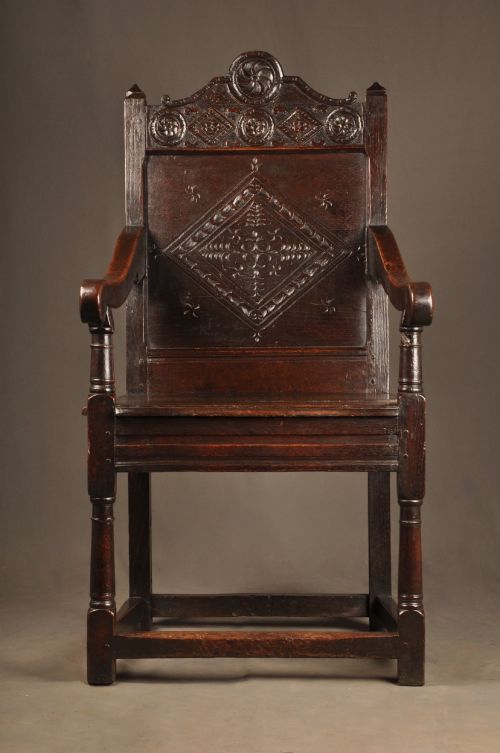
A jacobean wainscot chair is a heavy, panelled wooden seat built to anchor a room, offering sturdy presence and historical depth.
Jacobean Wainscot Chair
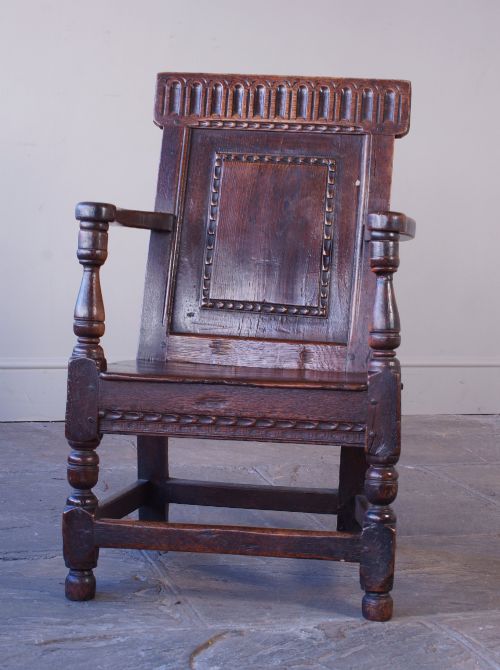
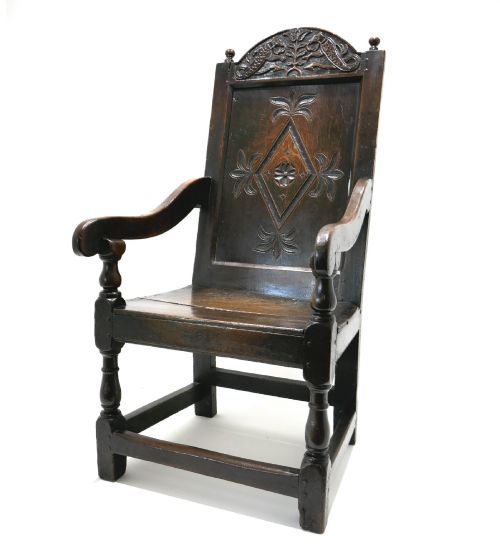
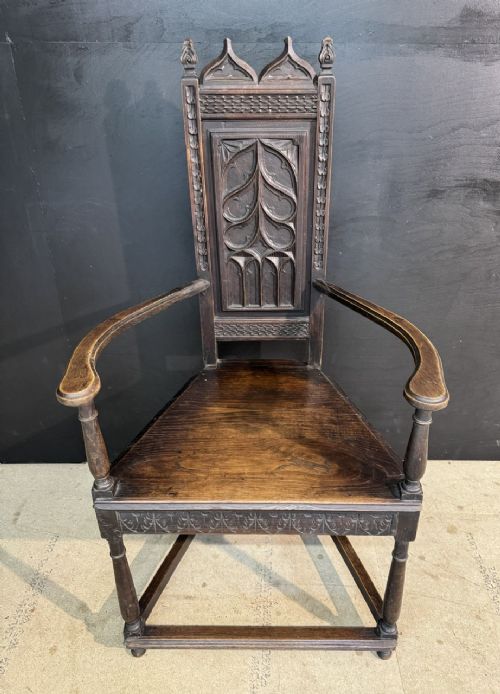
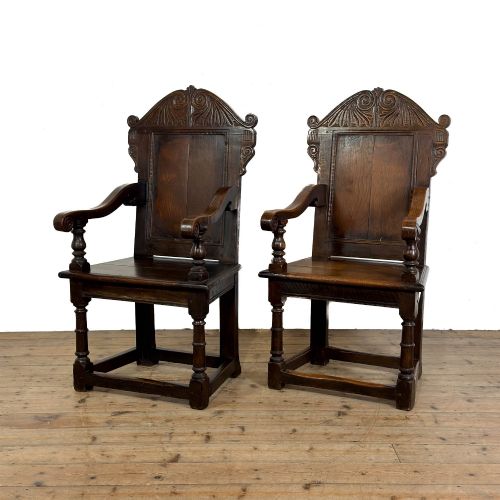
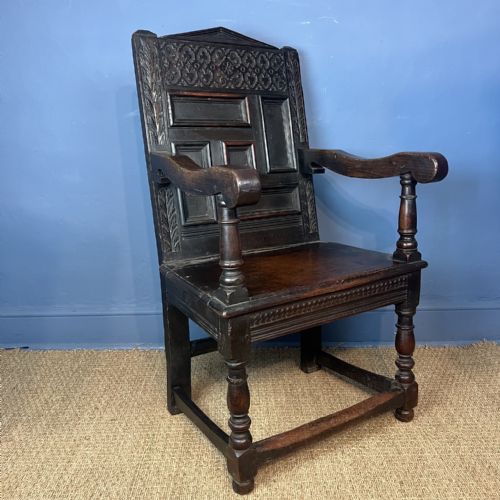
A jacobean wainscot chair stands as a solid timber seat constructed with panelled backs, heavy armrests, and sturdy wooden frames. The selections span original seventeenth-century pieces alongside later nineteenth-century revivals and 1930s interpretations.
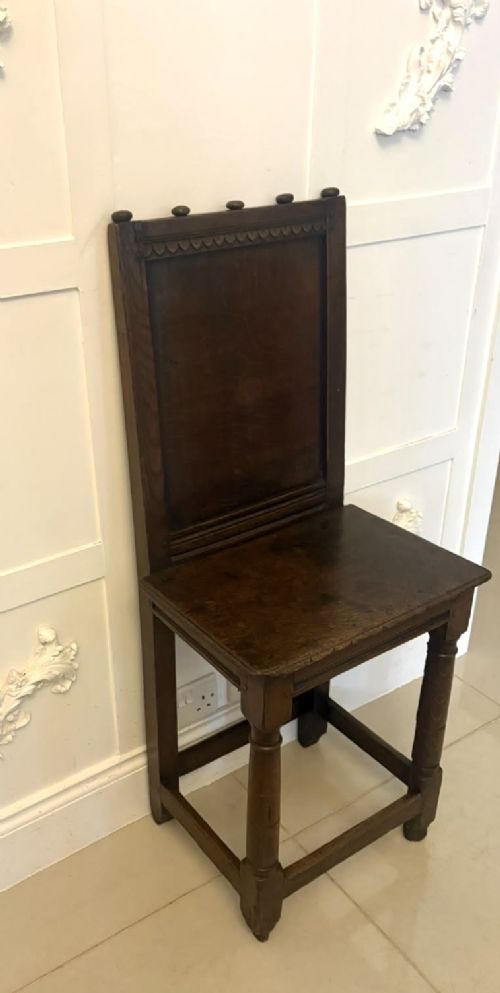
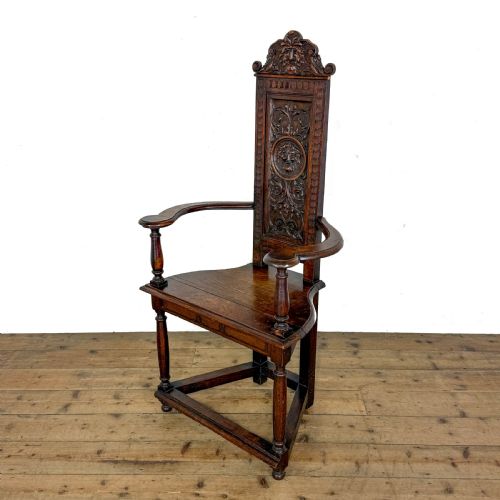
Most examples found in these listings take the form of armchairs or elbow chairs, though side chairs, hall chairs, and backstools also appear. Regional variations emerge from places like Yorkshire, Lancashire, Cheshire, Scotland, and Wales.
Materials and construction
Solid oak serves as the primary material for these items, shaped into thick planks, turned legs, and carved wooden panels. Certain pieces incorporate wood inlay to decorate the surfaces.
Makers utilised traditional joinery techniques, securing joints with wooden pegs rather than metal nails to build rigid, load-bearing frames. Textile and velvet elements occasionally supplement the wooden seats for added comfort.
Jacobean Wainscot Chair Retail Price Guide 2026
Typical asking prices for jacobean wainscot chair among the pieces listed under this phrase on Sellingantiques today, from the lower quarter to the upper quarter. They describe what is for sale here now, not the wider market.
One seventeenth-century piece is recorded explicitly as a correction chair, suggesting early seating came with strict posture rules.
Assessing quality
The depth and crispness of the carved details separate standard examples from finer works, as does the integration of regional decorative motifs. Proportion and scale also dictate the visual weight of the furniture.
Surface appearance relies heavily on the richness of the timber and the accumulation of age. Originality of construction timber and period components heavily influences the integrity of each chair.
The Jacobean Wainscot Chair Glossary
- Wainscot
- A wooden panelled construction style used predominantly for walls and the solid backs of early chairs. This term denotes a heavy, board-built seat rather than an upholstered one.
- Backstool
- An early chair without arms, essentially a stool fitted with a wooden backrest. These items function as smaller seating options compared to grand armchairs.
- Joined oak
- Furniture constructed using mortise and tenon joints locked with wooden pins. This method defines seventeenth-century cabinet making.
- Elbow chair
- An armchair featuring substantial wooden armrests attached to a panelled back and low seat. The arms often show turned supports.
- Revival
- A later period style that copies the aesthetics of an earlier era, such as nineteenth-century or 1930s pieces mimicking seventeenth-century forms.
Jacobean Wainscot Chair: Frequently Asked Questions
How do I date a wainscot chair?
Dating relies on examining the construction methods, joinery, and style of carving present on the wooden panels. Seventeenth-century examples display period tool marks and pegged joints, while later revivals often show nineteenth-century or 1930s interpretations.
Regional differences in the carving patterns also help attribute chairs to specific areas like Yorkshire or Lancashire.
Were these chairs used at dining tables?
These chairs typically sat against parlour or hall walls rather than surrounding a dining table. Their heavy, rigid wooden frames made them permanent fixtures in domestic spaces.
Only the head of the household or honoured guests used the primary armchair, while others used backstools or benches.
How should I care for an oak chair?
Solid oak furniture requires stable indoor humidity levels to prevent the timber from drying out or splitting. Keep wooden chairs away from direct heat sources and strong sunlight.
Applying occasional appropriate wax preserves the surface sheen of the timber without damaging the aged finish.