



Jacobean Turned Chair
A jacobean turned chair is a sturdy timber seat defined by cylindrical spindlework, offering historic gravity to any room.
Jacobean Turned Chair
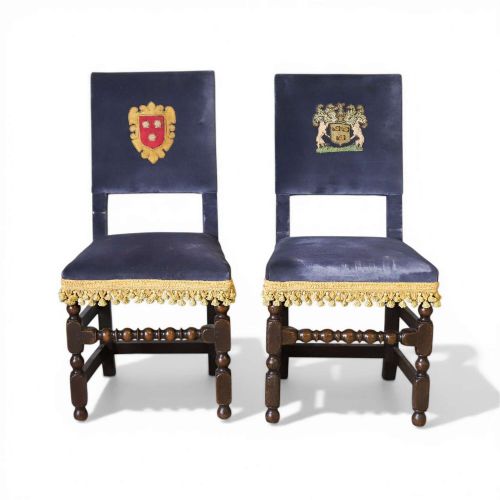
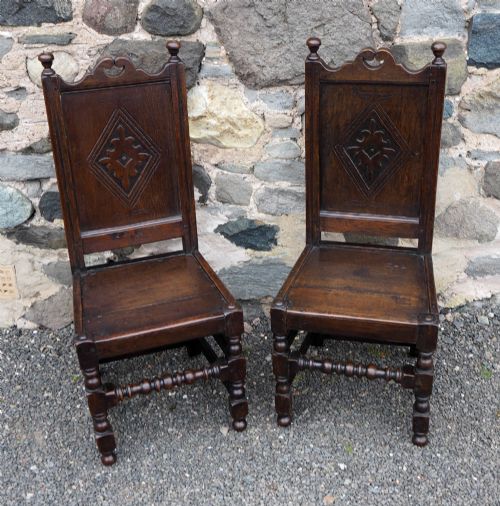
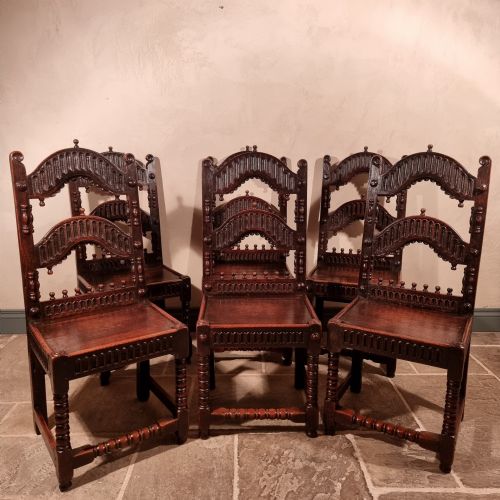
When you search for a jacobean turned chair, you encounter robust seating built primarily from solid oak during the seventeenth century or recreated in later revival periods. These pieces take various forms, from single armchairs and side chairs to matched pairs and larger dining sets.
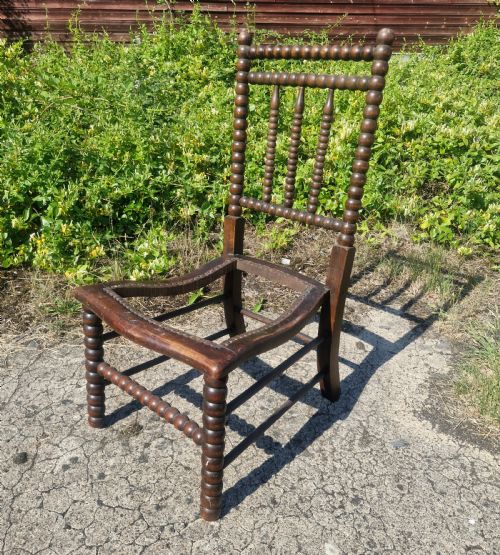
The inventory on this page ranges from authentic seventeenth-century artefacts to later interpretations produced through the nineteenth and twentieth centuries. Regional variants such as Lancashire, Yorkshire, and Derbyshire types appear alongside simpler bobbin-framed and turner's chair formats.
How they were made
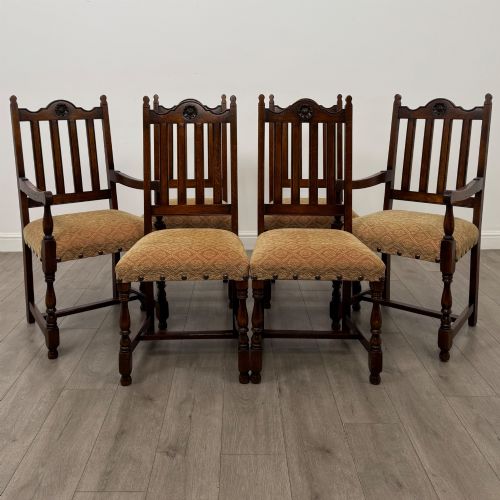
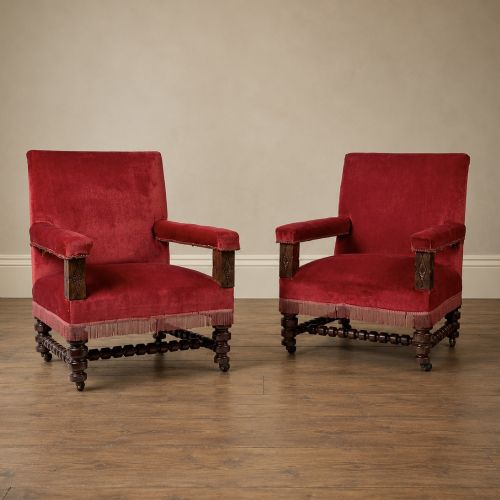
Cabinet makers utilised heavy native timber, predominantly oak and occasionally ash, shaping structural components with hand tools and lathes. The distinctive turning creates repeating cylindrical or bobbin profiles that form the legs, stretchers, and arm supports.
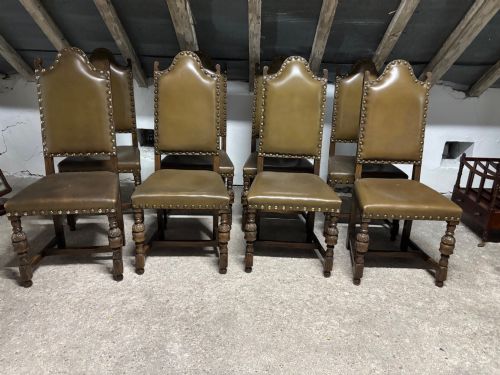
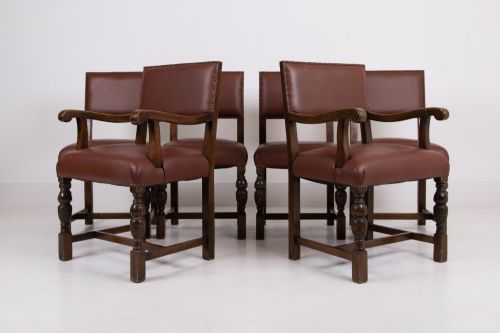
Joinery relied on traditional mortise and tenon construction secured with wooden pins. Upholstered elements, where present, incorporated materials like leather, velvet, cane, and tapestry fabric fixed with brass tacks.
Listings span from the seventeenth century through Victorian and Edwardian periods, utilising oak, ash, velvet, leather, and cane.
What varies in quality
The integrity of the structural timber and the crispness of the spindle turnings dictate the distinction between standard examples and superior pieces. Original surfaces retain patination that develops through centuries of use, whereas heavily restored or replacement elements alter the historic balance of the seating.
Regional detailing and carving depth also separate ordinary production from finer regional workshop outputs. Well-preserved upholstery materials and untouched frame construction elevate the standing of surviving seventeenth-century examples.
The Jacobean Turned Chair Glossary
- Backstool
- An early form of chair featuring an upright back and a padded or solid seat, constructed without arms. This term frequently appears in seventeenth-century English inventories.
- Turners Chair
- A heavy armchair constructed entirely from turned wooden spindles and members, also known as a roundabout or triangular chair. These pieces demonstrate advanced pole-lathe work.
- Joint Stool
- A low timber seat constructed using mortise and tenon joinery rather than turned components. They served versatile seating and utility purposes in early households.
- Wainscot Chair
- A heavy, panelled oak armchair of tight construction, reserved for the head of a household during the seventeenth century. These items display refined carpentry and solid back panels.
Jacobean Turned Chair: Frequently Asked Questions
What is a jacobean turned chair?
A jacobean turned chair is a solid timber seat characterised by spindle-turned legs and stretchers, originating in the seventeenth century or built during later revival movements.
These pieces rely on heavy oak construction and traditional joinery methods to achieve lasting structural strength.
How do I date a turned chair?
Dating depends on examining the timber species, tool marks, joinery techniques, and the style of the turning work. Seventeenth-century examples display hand-split oak and peg construction, while revival pieces show nineteenth or twentieth-century manufacturing signatures.
Regional characteristics, such as those from Lancashire or Yorkshire, also provide clues to the approximate decade of production.
Were these chairs used for dining?
Many early chairs served specific social functions rather than daily dining, often restricted to the head of a household or important guests. Over time, cabinet makers produced matched sets intended specifically around a dining table.
Later revival periods also generated larger sets of dining chairs based on these historic seventeenth-century forms.
How do I care for antique oak furniture?
Preserving these pieces requires maintaining stable room humidity and avoiding direct exposure to heat sources or strong sunlight. Regular dusting with a dry cloth keeps the surface clean without stripping the historic wax patination.
Leather, velvet, and tapestry upholstery demand gentle brushing and professional cleaning when required to protect fragile historic fabrics.