


Jacobean Style Beds
Jacobean style beds bring substantial dark oak timber and carved architectural panels into a bedroom, offering a distinct sense of historical weight.
Jacobean Style Beds
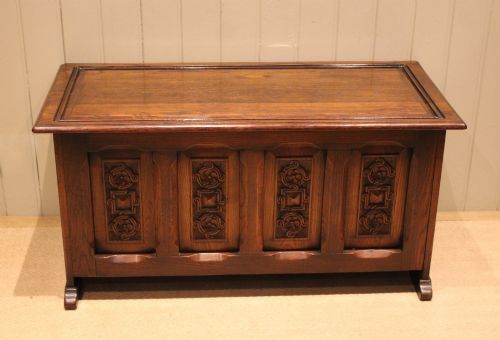
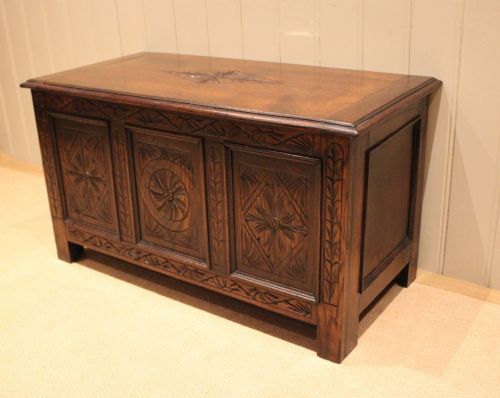
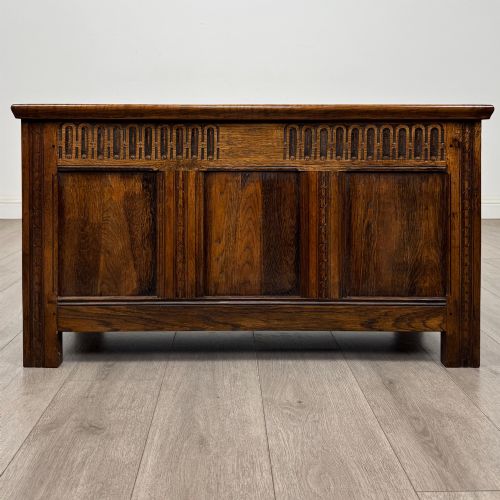
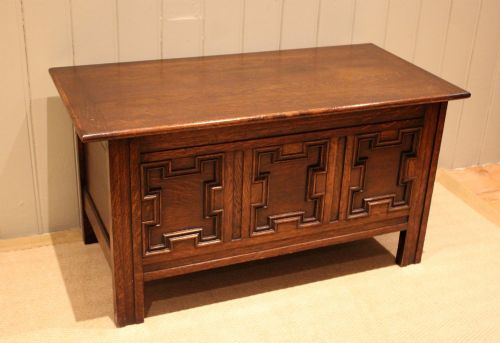
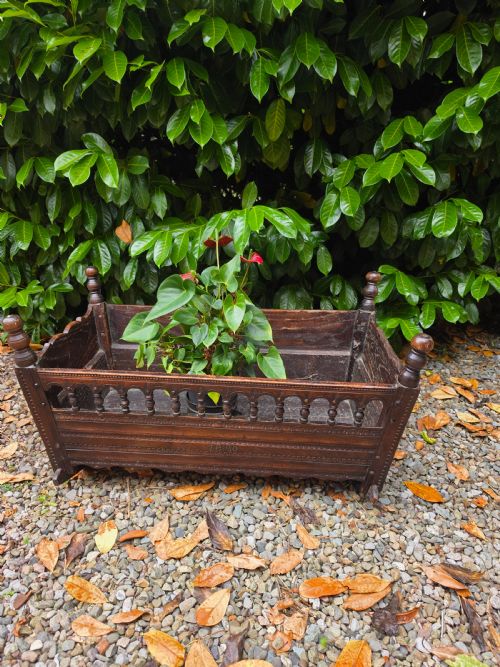
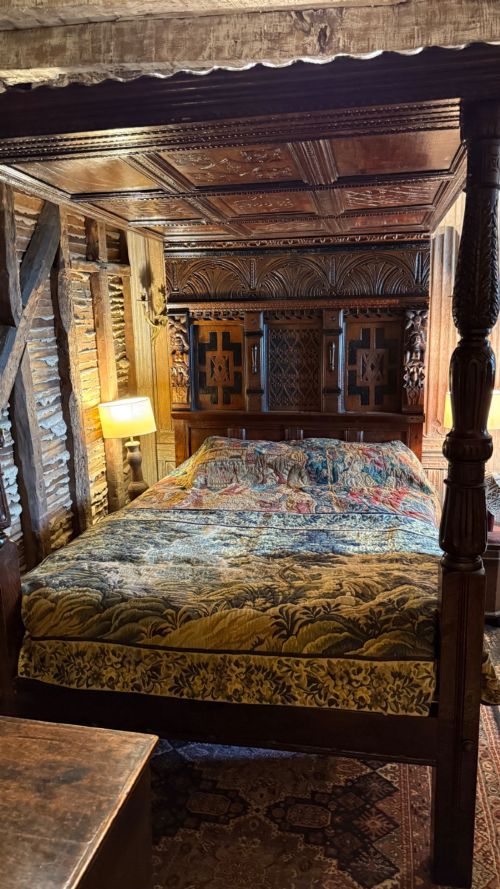
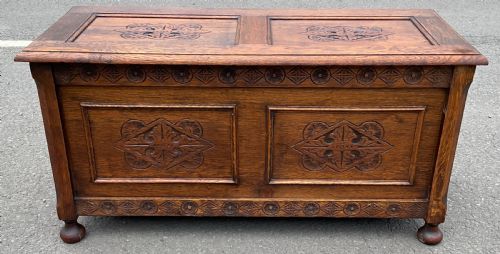
When searching for jacobean style beds, buyers often encounter pieces spanning several eras from seventeenth century originals to later twentieth century revivals. The selection frequently includes related oak furniture such as four poster tester beds, blanket chests, coffers, and panelled cradles that share the same heavy timber aesthetic.
Original seventeenth century examples appear alongside revival pieces from the Victorian, Edwardian, and later twentieth century periods. Buyers are most likely to meet sturdy oak constructions featuring traditional joinery and carved ornamentation whether from the original period or later interpretations.
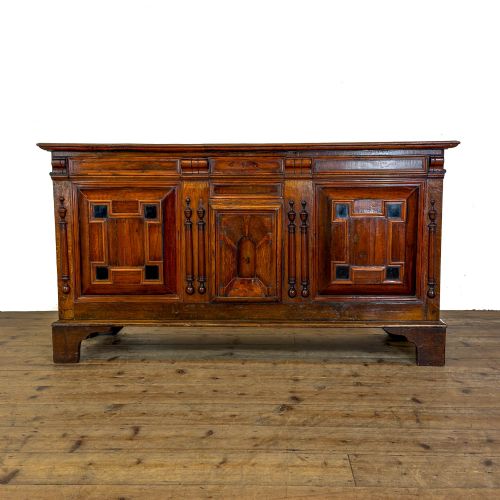
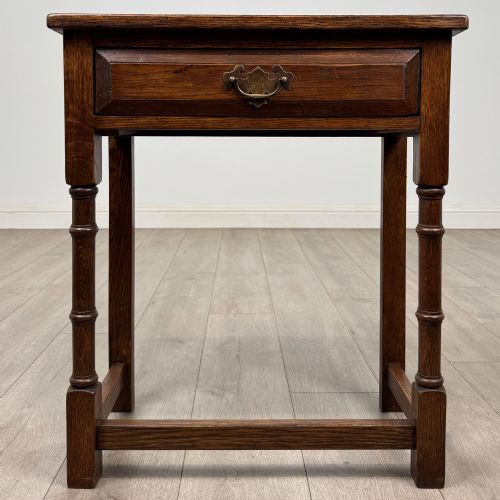
The category extends beyond sleeping furniture to encompass storage chests and side tables built in the same idiom. These items provide cohesive furnishing options for interiors dedicated to historical British styles.
How they were made
Makers utilised solid oak and fruitwood, often selecting timber that took dark finishes or ebonised treatments well. Metal fittings in brass appear on select pieces for handles and structural support.
Carpenters employed traditional panel construction and carving techniques to decorate surfaces with geometric motifs and foliage patterns. Textiles and paint occasionally complement the exposed woodwork on specific items.
Object types associated with this search include poster beds, side tables, rocking cradles, mule chests, and panelled blanket boxes.
What varies in quality
The depth and crispness of the hand carving separate simpler items from finer examples. Superior pieces display well-defined motifs and careful attention to the proportions of panelwork.
The choice of timber and the integrity of the original construction dictate the grade of a piece. Solid oak framing with tight joints represents a higher standard of craftsmanship than later assembled alternatives.
Heal And Son
The Jacobean Style Beds Glossary
- Tester bed
- A bed featuring a wooden canopy or tester supported by corner posts. These structures often display extensive carving along the headboard and frieze.
- Coffer
- A large wooden chest used historically for storage. They frequently feature panelled construction and carved decoration matching the style of contemporary beds.
- Fruitwood
- Dense timber harvested from fruit-bearing trees. Makers utilised this material alongside oak for contrasting details and smaller items.
- Ebonised wood
- Timber treated with a dark finish to imitate ebony. This technique gained popularity for creating stark contrasts in period furniture.
- Mule chest
- A storage chest fitted with one or more drawers beneath the main compartment. They combine the storage capacity of a coffer with drawer accessibility.
Jacobean Style Beds: Frequently Asked Questions
Are these beds suitable for daily use?
Solid oak construction provides robust structural support for regular sleeping arrangements. Many historic or revival frames accommodate modern mattress dimensions with proper adjustment.
Buyers should verify internal dimensions and slat configurations before installation to ensure compatibility with contemporary bedding.
How do I identify a seventeenth century bed?
Seventeenth century examples display period joinery techniques such as pegged mortise and tenon joints. The timber patination shows decades or centuries of natural wear and darkening.
Revival pieces from later eras often mimic these forms but feature different tool marks and seasoning within the wood.
What is a tester bed?
A tester bed incorporates a solid wooden canopy suspended over the sleeping platform by four vertical posts. This design created a private, enclosed space in historical chambers.
The framework provides substantial surfaces for carved mouldings and decorative panels.
How do I care for dark oak furniture?
Maintenance involves dusting with a soft cloth and applying appropriate wax polish sparingly to preserve the timber finish. Direct sunlight and sudden humidity changes should be avoided to prevent wood movement.
Proper environmental control keeps the joints stable and protects the historic patination over time.