
Jacobean Storage Chest
When you search for a jacobean storage chest, you encounter solid timber forms built for endurance and period utility.
Jacobean Storage Chest
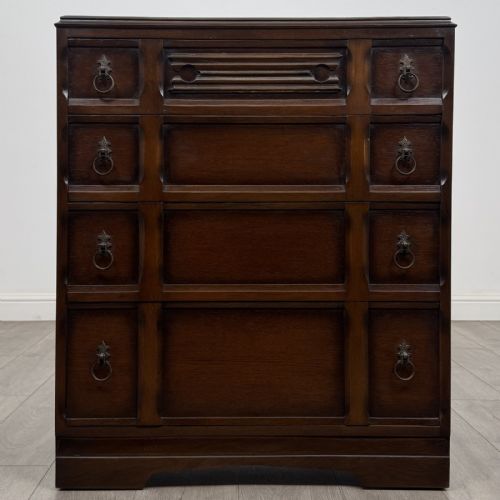
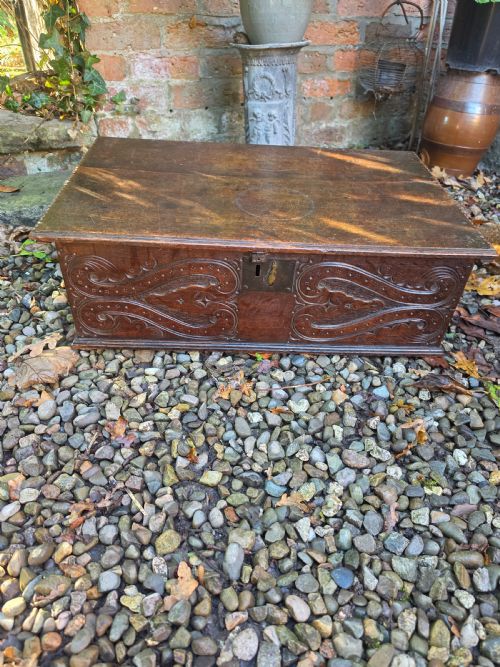
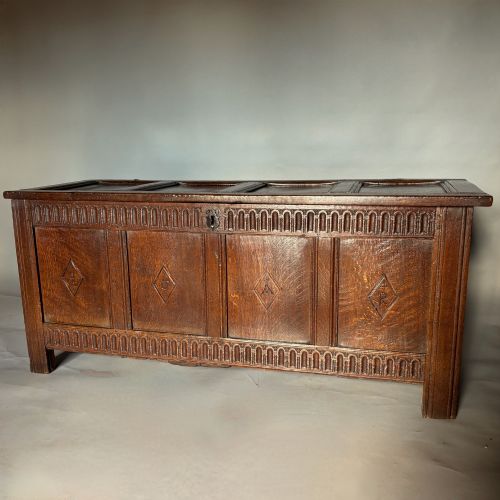
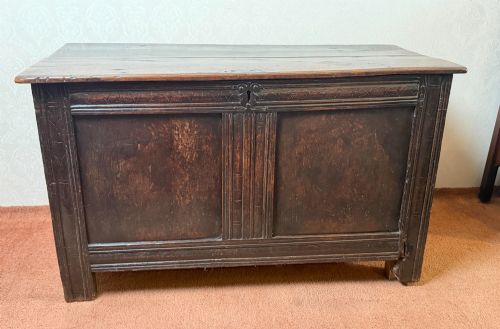
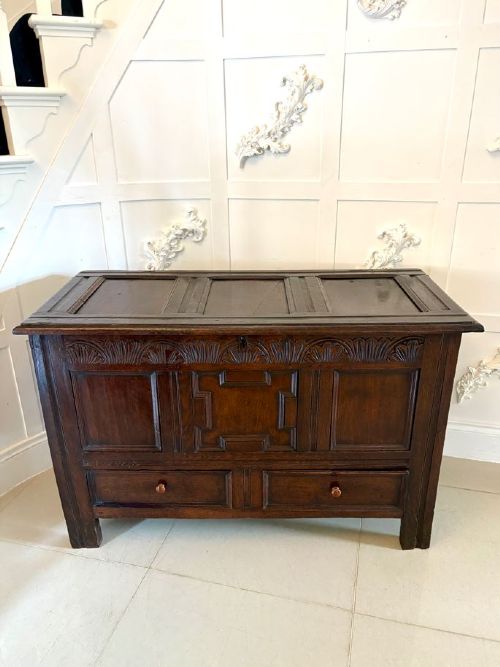
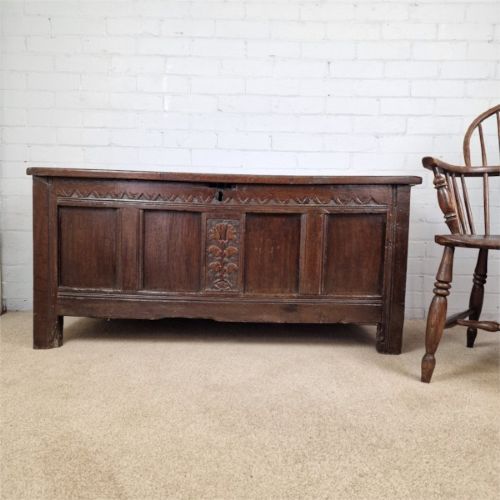
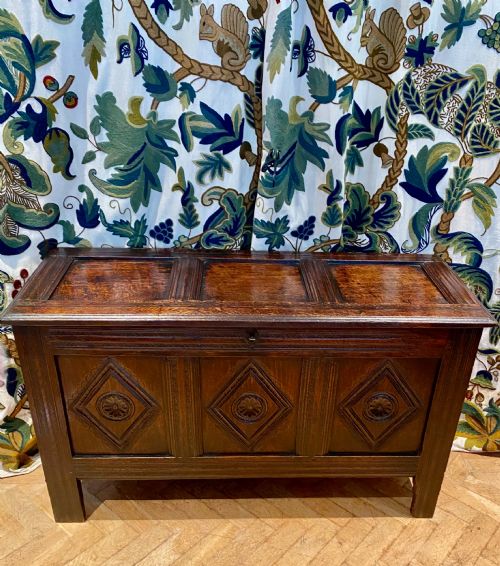
A jacobean storage chest brings heavy timber utility into a room, serving as a coffer, blanket box, or mule chest. These pieces range from seventeenth-century joined coffers to later revival interpretations from the Edwardian era and the 1920s.
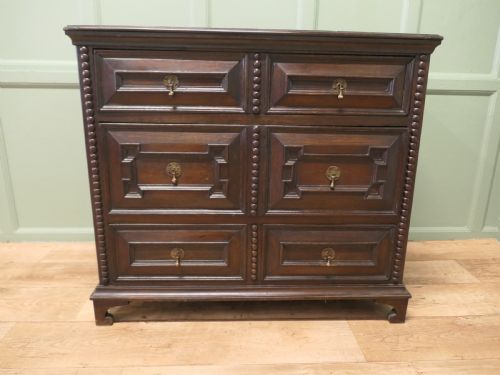
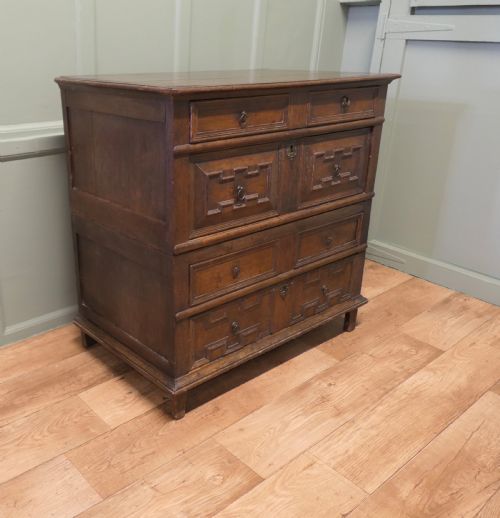
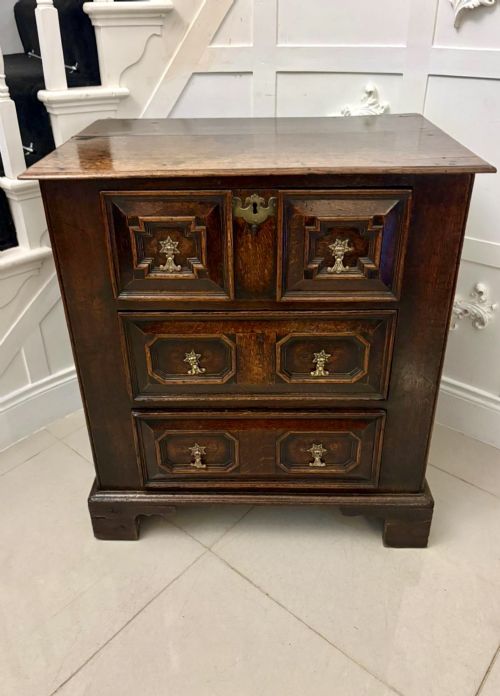
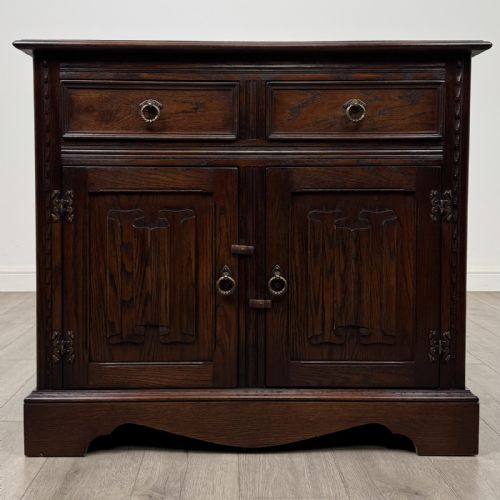
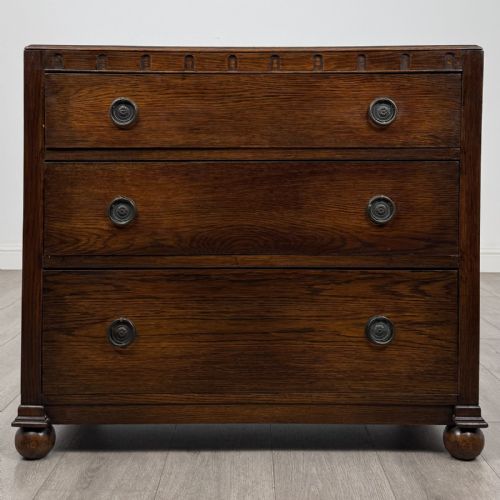
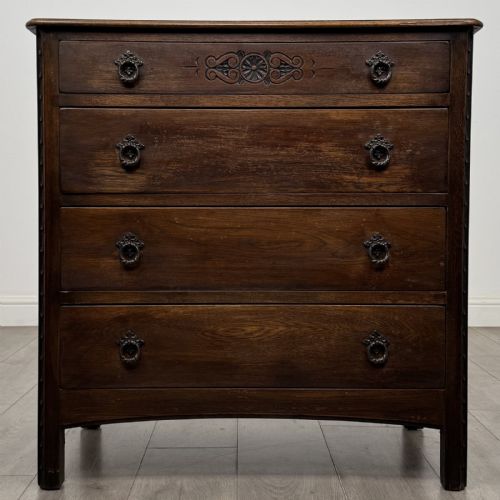
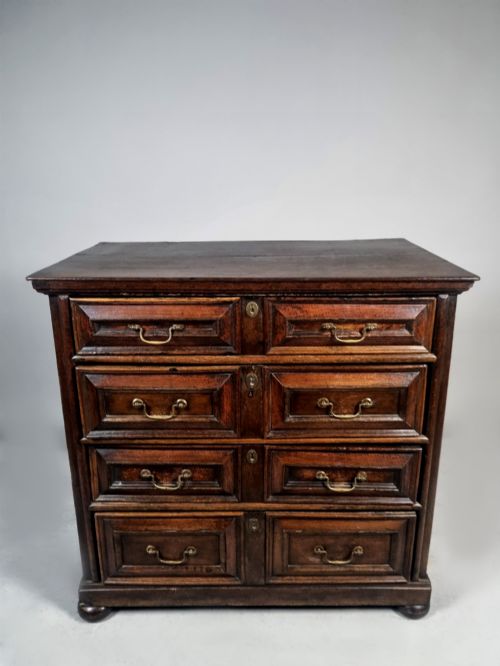
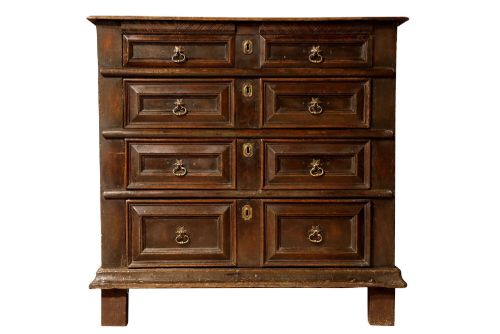
Buyers frequently encounter robust oak coffers and chests of drawers featuring panelled construction. The selection balances authentic seventeenth-century examples with revival pieces dating up to the twentieth century.
How they were made
Makers utilised solid English oak, shaping the timber with hand tools to create joined panel construction. Iron and brass hardware, including hinges and handles, secured the heavy lids and drawers.
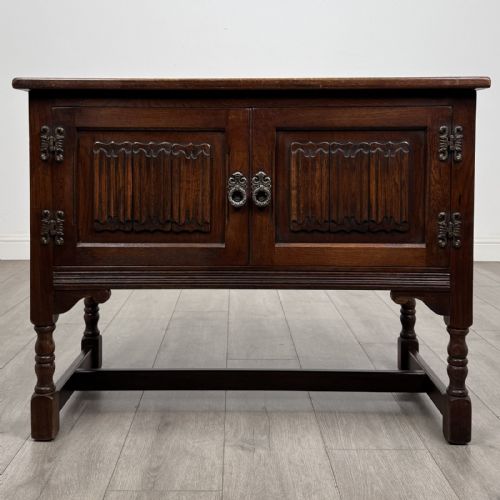
Surface decoration relied on geometric mouldings, carved details, linenfold motifs, and occasional marquetry inlay. Bun feet and turned legs often supported the heavier carcass forms.
Listings feature oak material predominantly, supplemented by brass and iron hardware alongside marquetry inlay.
What varies in quality
Quality rests in the crispness of the geometric mouldings and the depth of the carved detailing across the panels. Early seventeenth-century examples demonstrate superior timber selection and structural joinery compared to later revival pieces.
The integrity of the original hardware and the retention of surface patination distinguish the finer survivals from heavily restored or later commercial adaptations.
The Jacobean Storage Chest Glossary
- Coffer
- A heavy wooden chest traditionally used for storing valuables, textiles, or documents. These pieces often feature lift tops and panelled fronts.
- Mule chest
- A storage chest fitted with one or more drawers beneath the main lift-top compartment. This form bridges the evolution between the simple coffer and the chest of drawers.
- Linenfold
- A style of wood carving that imitates folded linen, commonly seen on Tudor and seventeenth-century panels. This technique adds texture to flat wooden surfaces.
- Geometric moulding
- Raised wooden mouldings applied in symmetrical geometric patterns on drawer fronts and panels. The style defines much seventeenth-century cabinet work.
- Cassone
- A traditional Italian chest used for marriage goods, sometimes applied to descriptive titles of British storage pieces with similar scale.
Jacobean Storage Chest: Frequently Asked Questions
What is a jacobean storage chest?
A jacobean storage chest is a heavy wooden trunk or drawer unit constructed primarily from oak during the seventeenth century or in later revival styles. These items provided secure storage for household textiles and valuables.
They exist in various formats, including panelled coffers, mule chests with lower drawers, and geometric moulded drawer units designed for domestic utility.
How do I date an oak coffer?
Dating relies on examining the joinery techniques, timber characteristics, and decorative motifs such as linenfold carving or geometric mouldings. Seventeenth-century pieces typically show pegged mortise and tenon joints.
Revival pieces from the Edwardian period or the 1920s often use machine sawn timber and standardised fixings that differ from seventeenth-century hand production.
Where were these chests used?
These chests served primarily in domestic rooms and chambers for storing garments, bedding, and household goods. Their sturdy construction allowed them to function as seating benches as well.
Later chest of drawers formats moved into bedchambers and parlours as household storage needs evolved through the Georgian era and into the twentieth century.
How do I care for antique oak?
Antique oak benefits from stable room temperatures away from direct heat sources and strong sunlight. Natural beeswax applied sparingly helps maintain the timber's surface condition.
Avoid excessive moisture and modern chemical polishes, using a soft dry cloth for routine dusting to preserve the historical patination.