
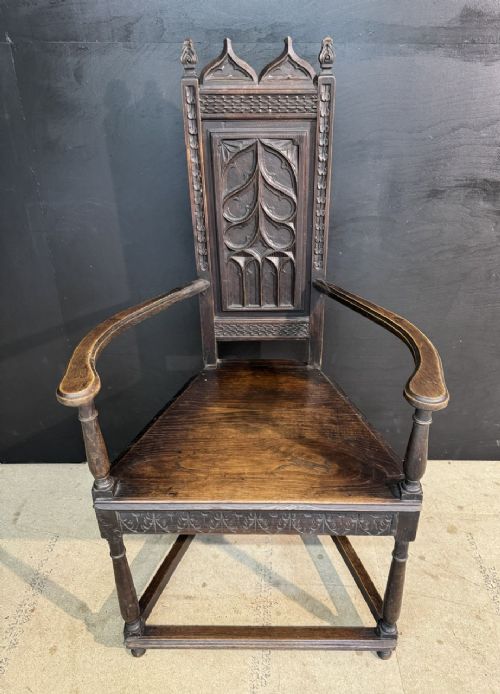
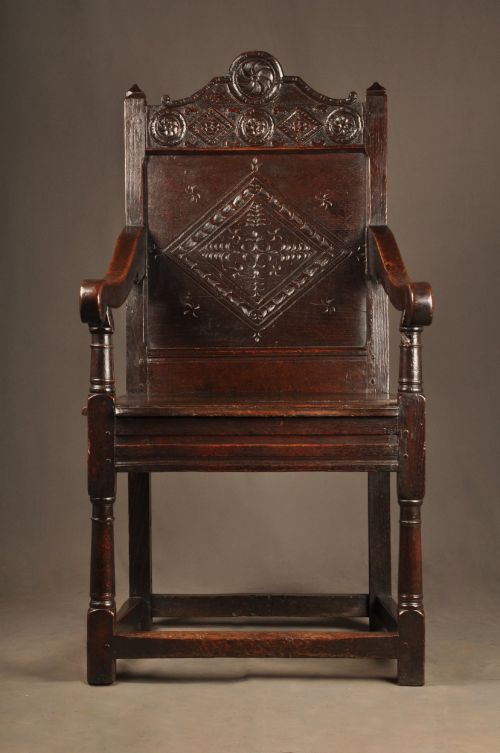

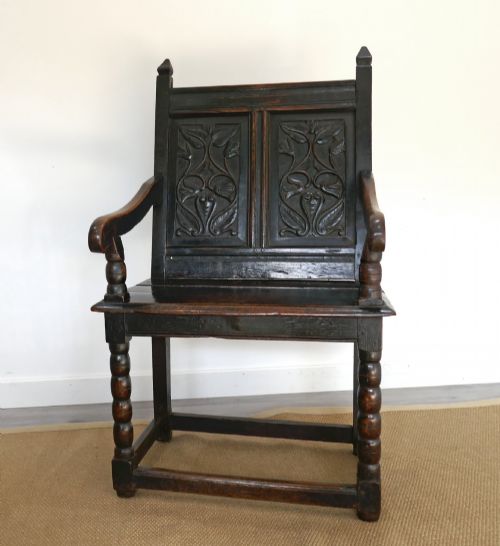
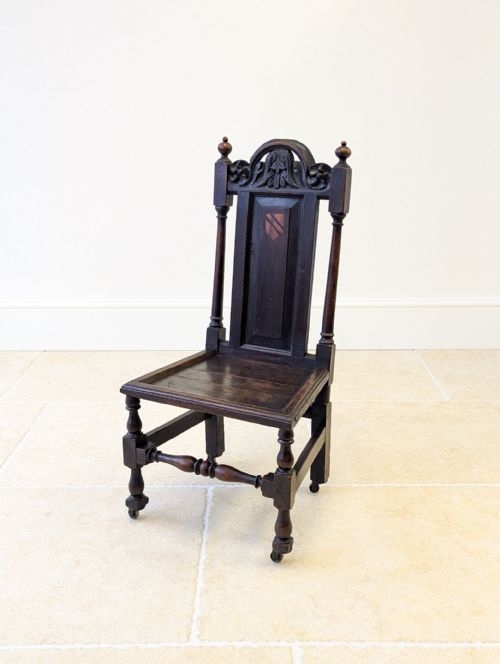
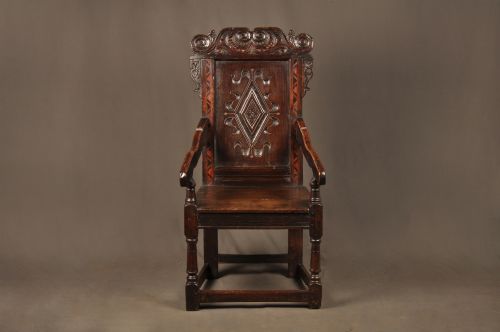
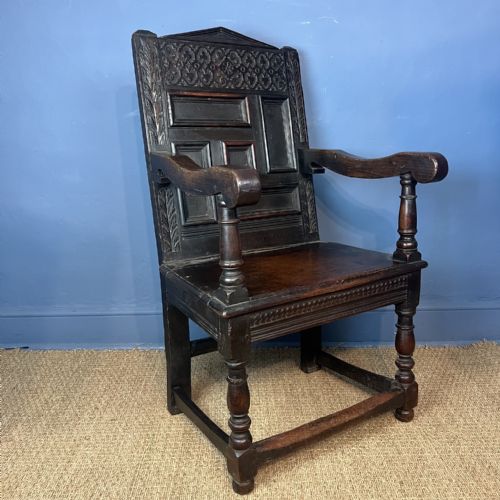
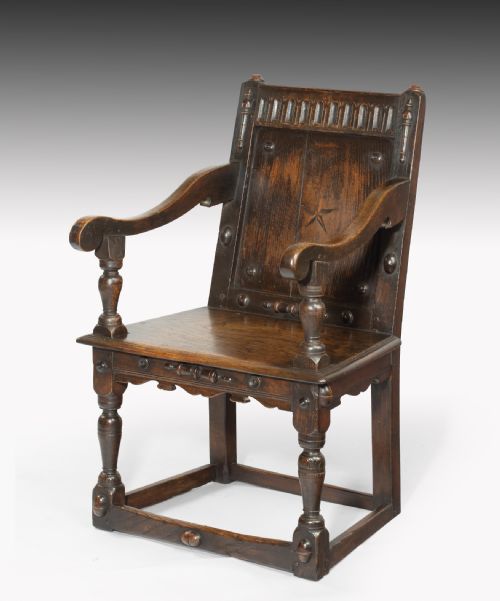
Jacobean Panel Chair
A jacobean panel chair brings substantial timber construction and historic character into a room.
Jacobean Panel Chair
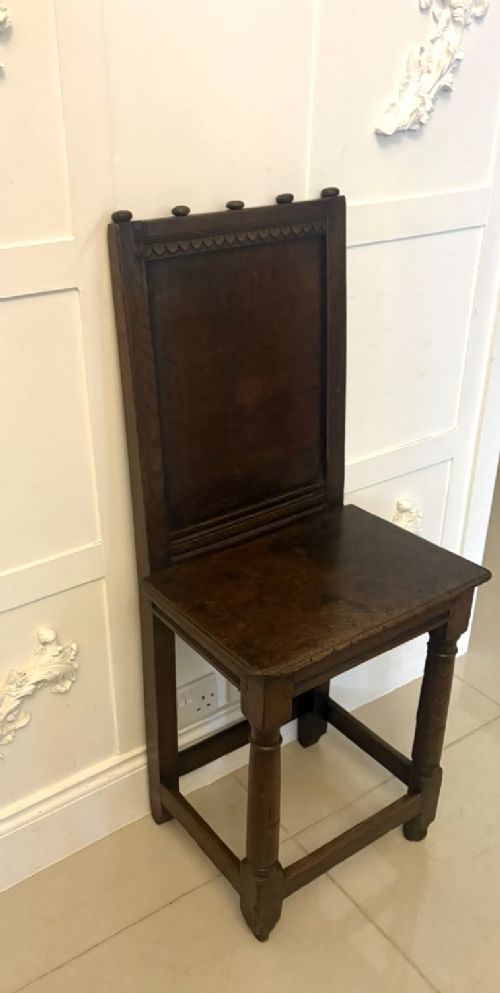
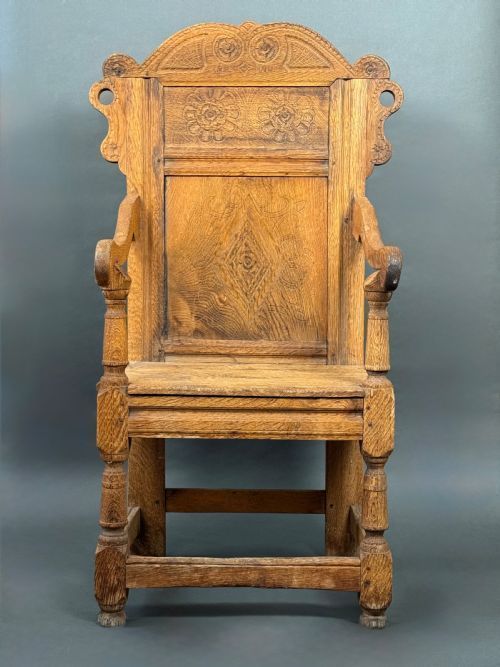
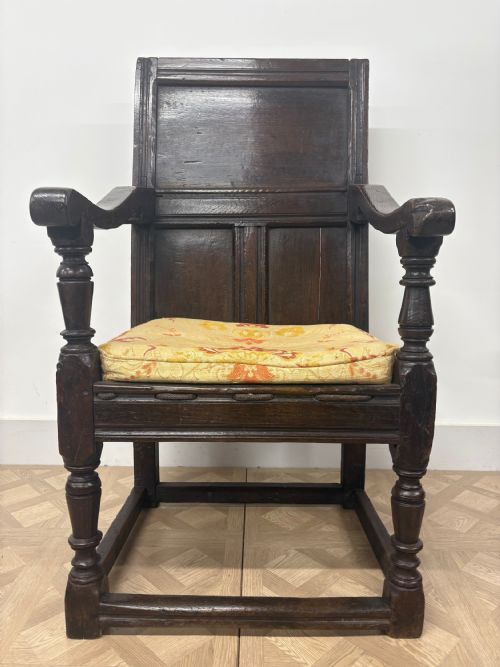
When you examine a jacobean panel chair, you encounter sturdy timber seating designed with solid wooden backs and robust frames. These pieces span genuine seventeenth-century origins through to later revival periods from the nineteenth and twentieth centuries.
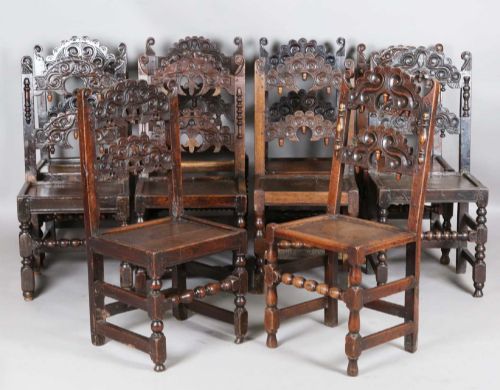
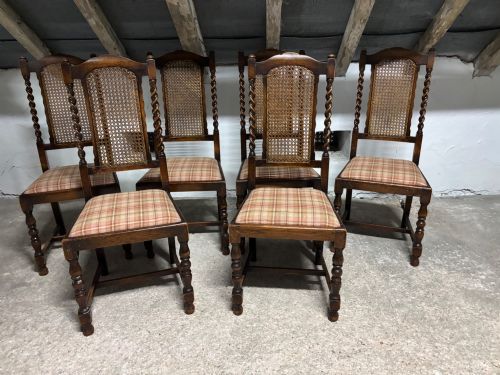
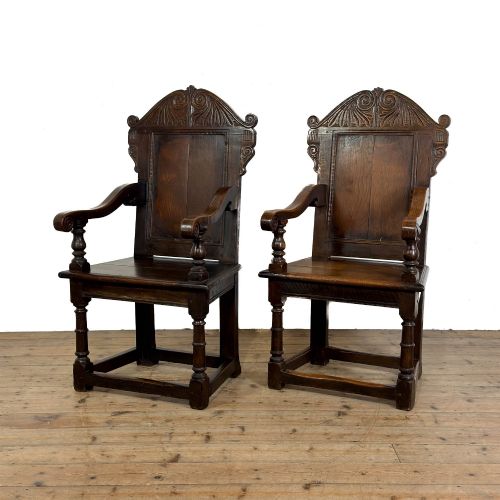
The selections on this page appear primarily as armchairs, wainscot chairs, and side chairs shaped from oak. Regional examples originate from Lancashire, Yorkshire, and Scotland alongside English country workshops.
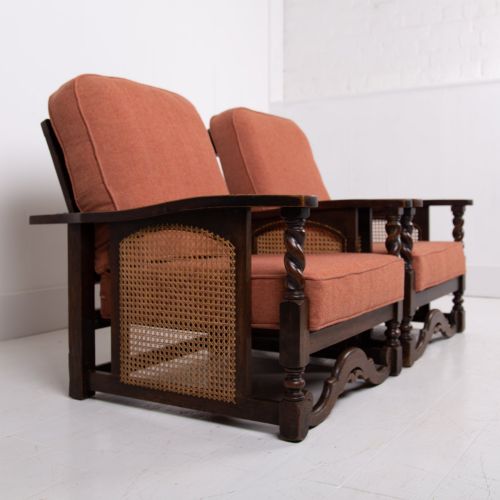
Buyers meet authentic period items alongside revival pieces created during the Victorian era and the nineteen-twenties or thirties. These forms serve practical daily seating needs while retaining deep historical presence.
Materials and Construction
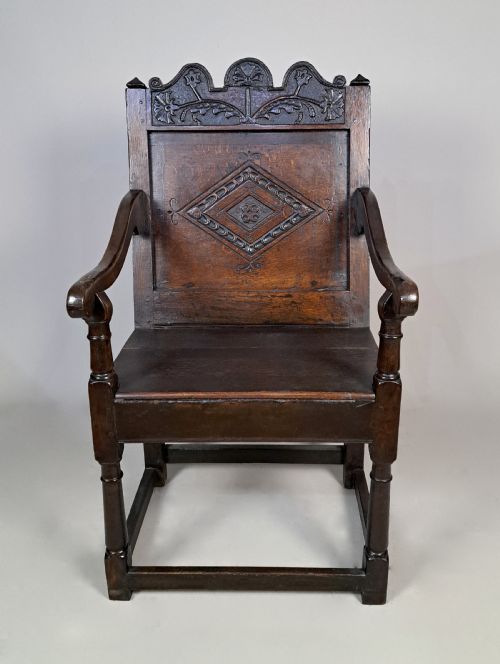
Carpenters built these chairs using solid oak timbers, joining panels and frames with traditional mortise and tenon joinery secured by wooden pegs. Workshops applied hand carving to decorate the wooden backs and rails with geometric or floral motifs.
Secondary materials such as cane, fabric, and brass occasionally appear on revival pieces or later seating additions. Timber surfaces developed natural patination through centuries of handling and beeswax application.
Listings feature oak as the primary material alongside cane, fabric, and brass elements across multiple centuries.
Evaluating Construction and Age
Quality rests in the crispness of the hand carving and the integrity of the original timber frame. Pieces retaining their early panels and uncompromised joinery stand above later assemblies or heavily restored examples.
The depth of the natural wood colour and the balance of proportions distinguish superior regional variants. Greater skill in the cabinetmaker yields a more harmonious silhouette and durable structure.
The Jacobean Panel Chair Glossary
- Wainscot chair
- A heavy wooden armchair characterised by a panelled back and solid seat. This form dominated seventeenth-century domestic interiors before upholstered seating became widespread.
- Joint chair
- A seating item constructed using pegged mortise and tenon joints rather than turned components. Carpenters built these rigid frames to withstand heavy daily use.
- Jacobean revival
- A nineteenth or twentieth-century design movement copying seventeenth-century styles. Makers utilised older woodworking techniques to recreate period forms for modern homes.
- Backstool
- An early term for a side chair without arms. These pieces provided compact seating around dining tables and in halls.
Jacobean Panel Chair: Frequently Asked Questions
What is a wainscot chair?
A wainscot chair is a heavy wooden armchair featuring a panelled back and a solid timber seat. These pieces originated in the seventeenth century and were constructed using sturdy oak.
They served as principal seats of authority in domestic households before lighter chairs became common. Their solid construction protected sitters from cold draughts.
How do I date an oak chair?
Dating relies on examining the joinery methods, tool marks, and timber shrinkage visible across the frame. Period pieces from the seventeenth century show hand-split boards and pegged mortise joints.
Revival pieces from the Victorian era or later decades often display machine-cut timber or different finishing techniques. Comparing the style of carving against known regional patterns helps confirm the age.
Are these chairs comfortable for daily use?
Many of these chairs provide an upright and supportive seat due to their rigid wooden backs and arms. Some examples accommodate loose cushions or pads to add softness.
Buyers often place them in hallways, studies, or dining rooms where their sculptural form stands out. Their compact proportions allow them to fit easily beside modern furnishings.
Where were these chairs made?
Original examples emerge from English workshops across regions like Yorkshire, Lancashire, and the West Country. Scottish makers also produced robust oak chairs during the seventeenth century.
Later revival versions appeared across Britain as cabinetmakers responded to renewed interest in early domestic design. Each region incorporated distinct carving motifs into the wooden panels.