



Jacobean Geometric Cabinet
A jacobean geometric cabinet brings heavy timber and precise applied mouldings into a room, offering both serious storage and distinct period presence.
Jacobean Geometric Cabinet
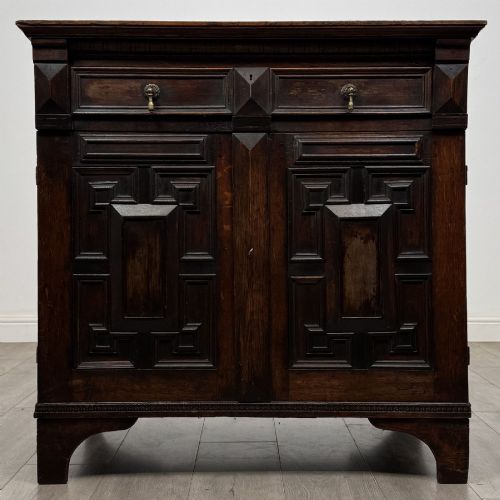
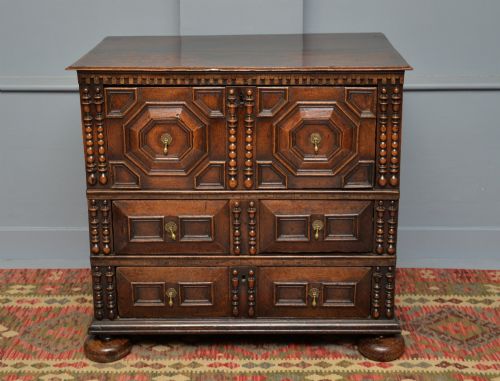
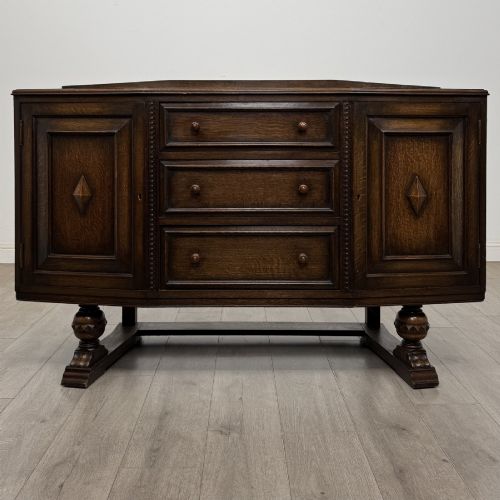
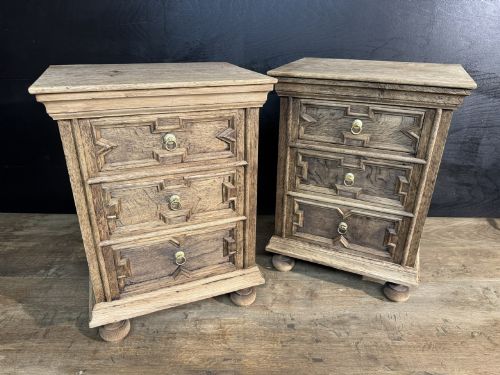
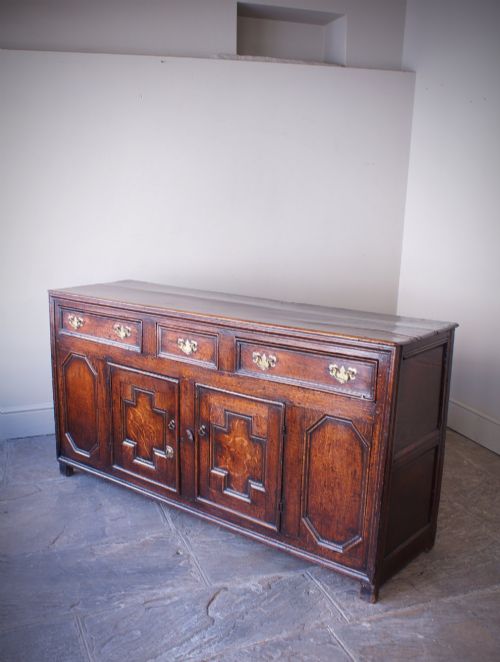
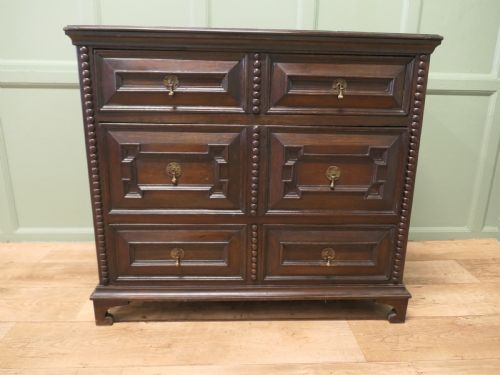
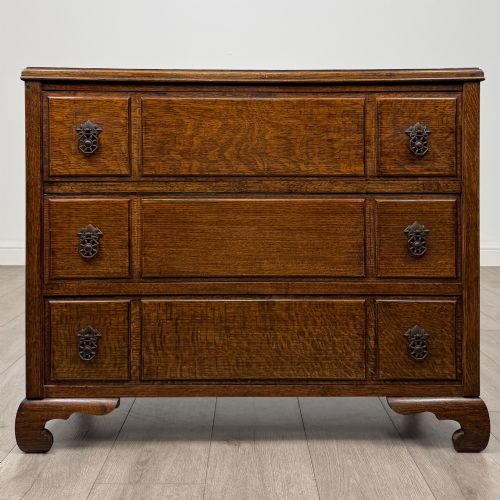
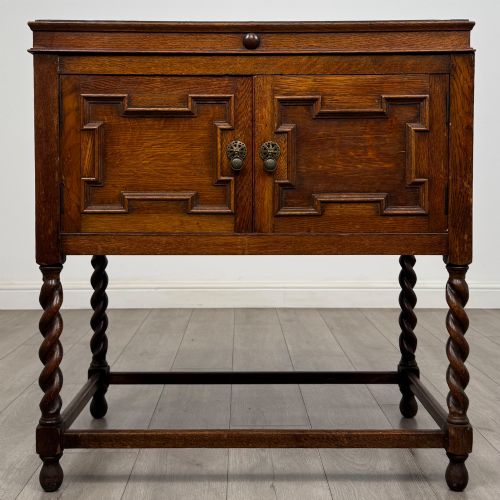
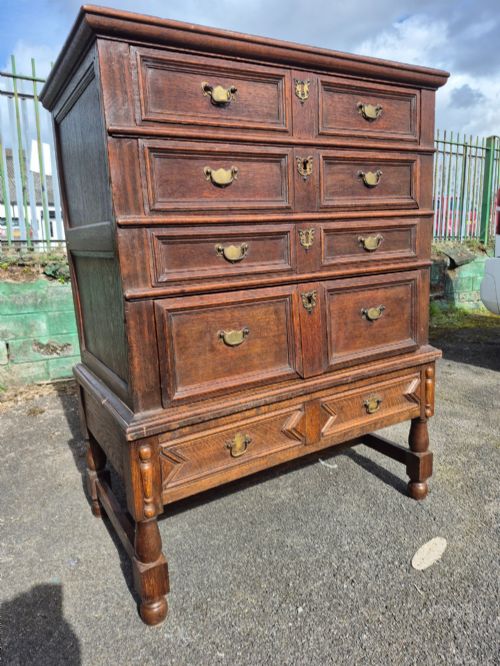
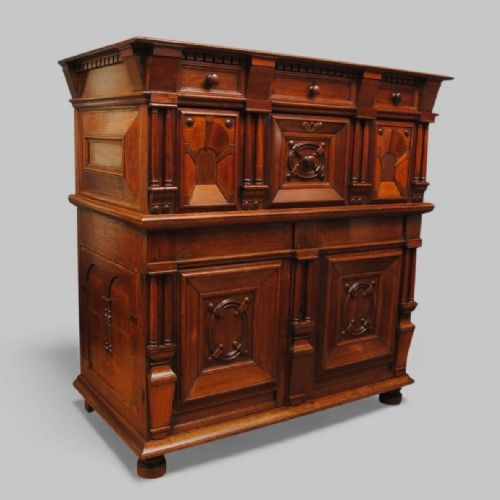
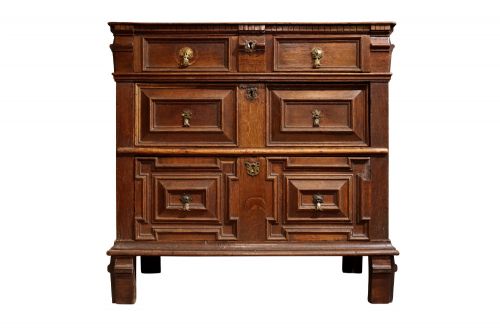
A jacobean geometric cabinet comprises substantial storage forms, most frequently encountered as chests of drawers, cupboards on stands, and bureaus fashioned with panelled and panel-moulded fronts. These pieces span authentic seventeenth-century origins alongside later revivals from the nineteenth and twentieth centuries, notably Edwardian interpretations and dark oak items from the nineteen-twenties.
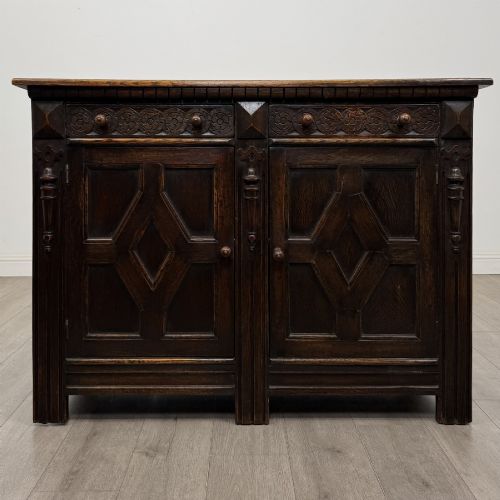
The layout typically involves rectilinear casework built to display deep surface relief rather than carving alone. Buyers frequently meet Revival side cabinets, dressers, and bookcases alongside period chests, all sharing a preference for dark, heavy timber surfaces and formal symmetry.
How they were made
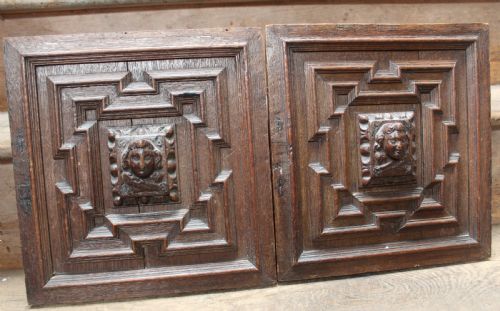
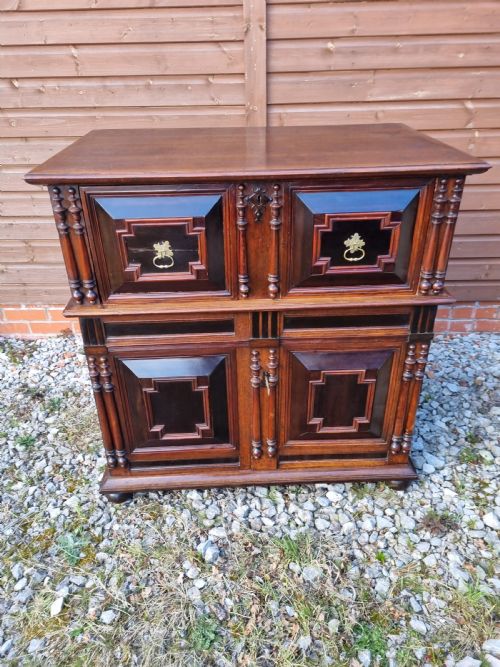
Makers built these pieces primarily using solid oak, frequently augmented by contrasting timber veneers such as walnut, fruitwood, and snakewood to create intricate geometric patterns across drawer fronts and doors. Construction relied on sturdy joinery, panel framing, and applied mouldings arranged in lozenges, rectangles, and octagons.
Hardware additions included brass handles, escutcheons, and hinges, while some variants incorporated leaded glass panes within upper cabinet doors or bookcases. Surfaces were finished to highlight the natural grain and deep brown tones of the primary woods.
Jacobean Geometric Cabinet Retail Price Guide 2026
Typical asking prices for jacobean geometric cabinet among the pieces listed under this phrase on Sellingantiques today, from the lower quarter to the upper quarter. They describe what is for sale here now, not the wider market.
Materials documented across the listings include oak, walnut, fruitwood, snakewood, brass, glass, and leaded glass.
What varies in quality
Quality rests upon the crispness of the applied geometric mouldings and the fidelity with which the timber selection respects historical joinery methods. Pieces utilising diverse woods like fruitwood and snakewood alongside oak demonstrate higher ambition in surface decoration than plain variants.
The integrity of the structural carcass and the survival of original brass hardware and stands dictate the standing of individual examples. Original seventeenth-century execution differs fundamentally from later revival pieces through the natural ageing of the timber and hand-tooled joinery marks.
The Jacobean Geometric Cabinet Glossary
- Geometric moulding
- Applied wooden strips arranged in repeating patterns such as octagons and lozenges across drawer fronts. This technique defined the decorative vocabulary of seventeenth-century case furniture.
- Chest on stand
- A primary storage chest elevated upon a separate or integrated base fitted with legs or a low cupboard. This form lifted heavy drawers away from damp floors.
- Fruitwood
- A dense, light-coloured timber utilised for contrasting inlay work and decorative details. It accepts fine turning and shaping particularly well.
- Snakewood
- An exotic dense timber displaying mottled, snake-like markings, employed sparingly for high-status decorative veneers and stringing. Its rich grain adds strong visual contrast against dark oak.
- Bureau
- A sloping desk form enclosing small drawers and pigeonholes, often resting atop a chest of drawers or cupboard base. It provides a dedicated writing surface that conceals papers when closed.
Jacobean Geometric Cabinet: Frequently Asked Questions
Are these cabinets genuinely from the seventeenth century?
The selection includes genuine seventeenth-century pieces alongside later revivals from the Edwardian era, Victorian period, and nineteen-twenties. Revival pieces emulate the earlier aesthetic using period-appropriate construction methods.
Examining the internal timber, construction marks, and wear patterns helps distinguish original seventeenth-century examples from later interpretations.
How do I care for dark oak furniture?
Dark oak benefits from minimal intervention, requiring only occasional dusting with a dry, soft cloth. Avoiding direct sunlight and maintaining stable room humidity preserves the wood and prevents shrinkage.
Applying a traditional beeswax polish sparingly helps maintain the natural lustre of the timber without building up excessive residue.
What is the difference between a chest and a cupboard on stand?
A chest relies purely on a box-like carcass containing drawers or a lidded compartment for storage. Elevating that storage onto a separate frame creates a cupboard on stand, which lightens the visual mass of the piece.
Stands provide extra height and often incorporate lower stretchers or small cupboards beneath the main storage section.
Where does the geometric style originate?
The geometric style emerged during the seventeenth century as cabinetmakers moved away from flat panels toward deeply moulded, architectural facade designs. This approach reflected contemporary European tastes in joinery and interior decoration.
Later revival periods in the nineteenth and twentieth centuries revived these exact moulding patterns to satisfy demand for historicist interior styling.