

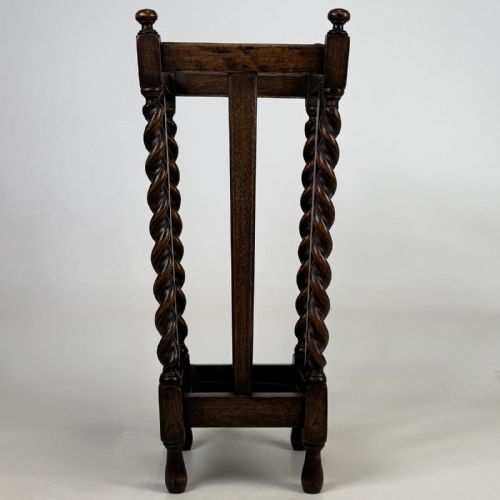
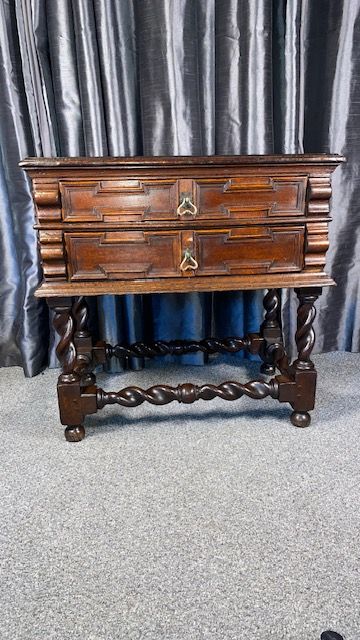
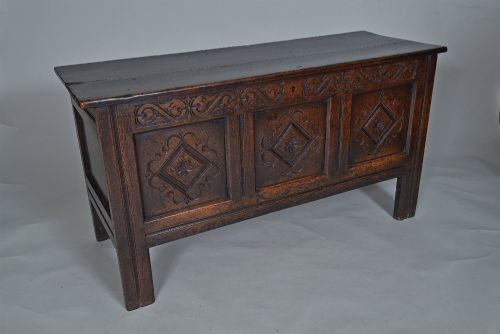
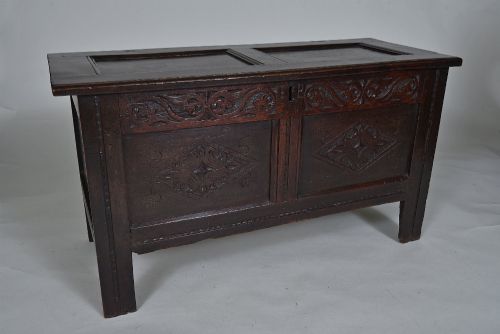

Jacobean Carved Wood
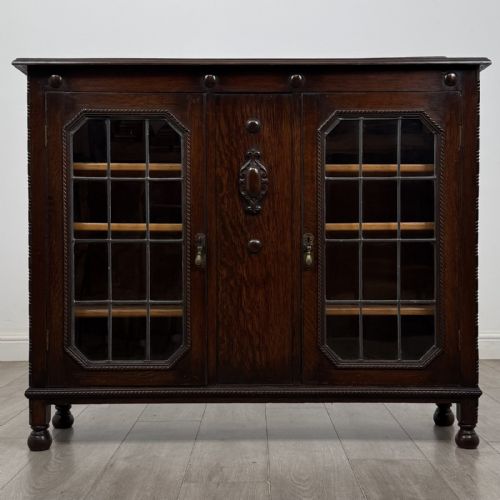
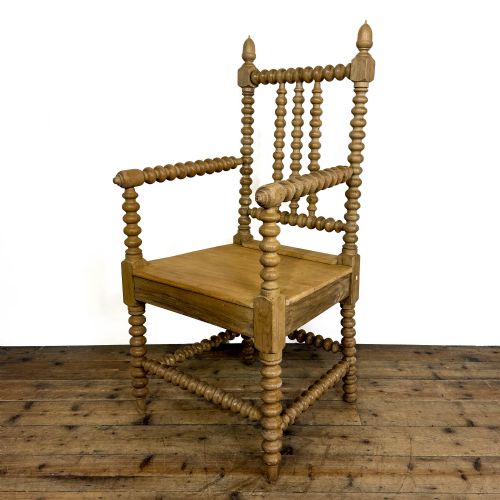
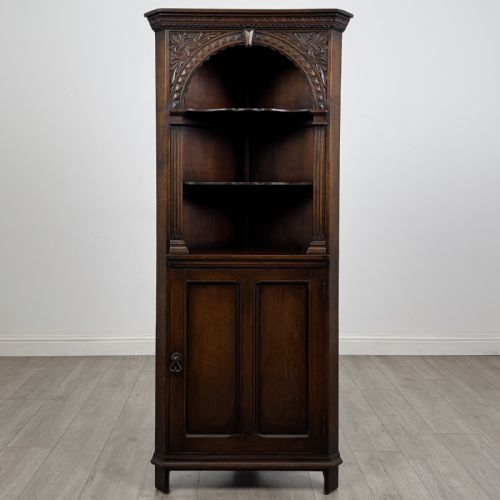
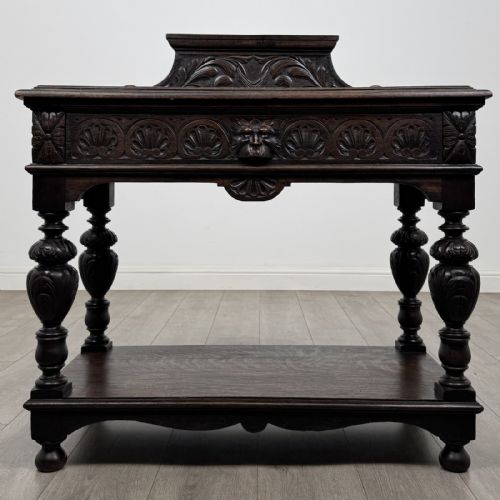
These jacobean carved wood items are heavy timber pieces bearing deep geometric carving and panel work, prized for bringing centuries of rich dark character to interiors.
Jacobean Carved Wood
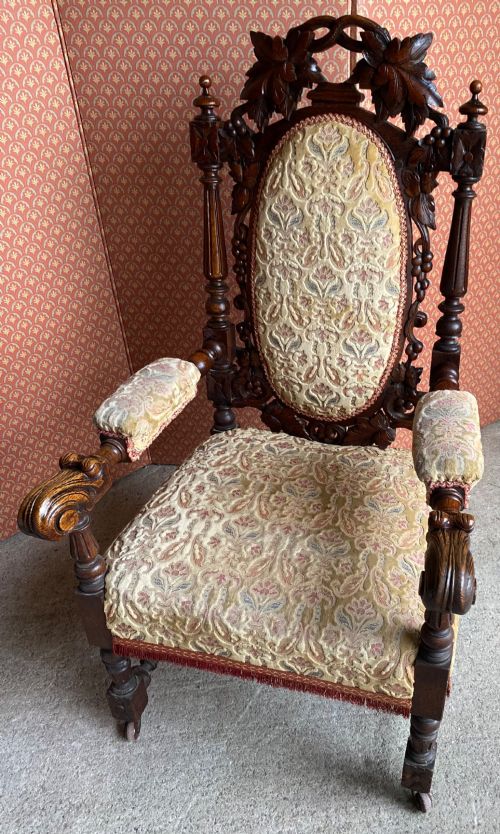
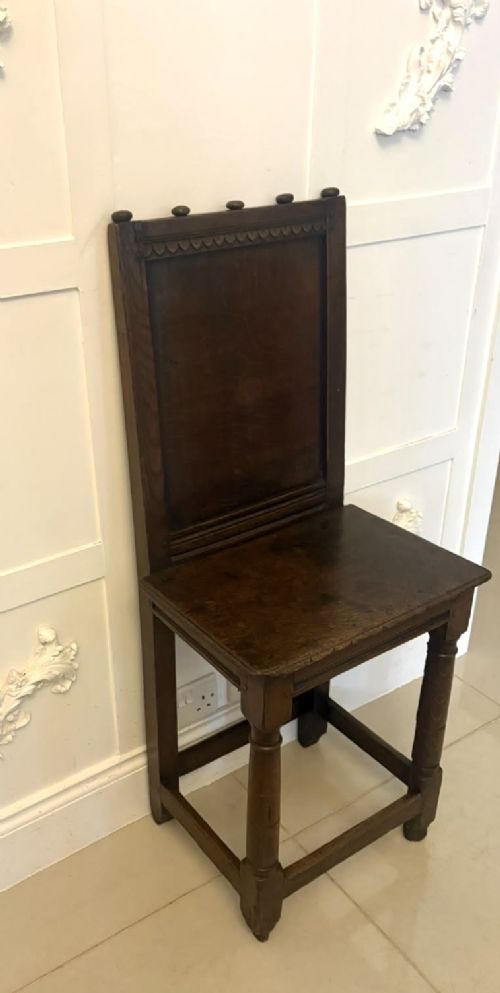
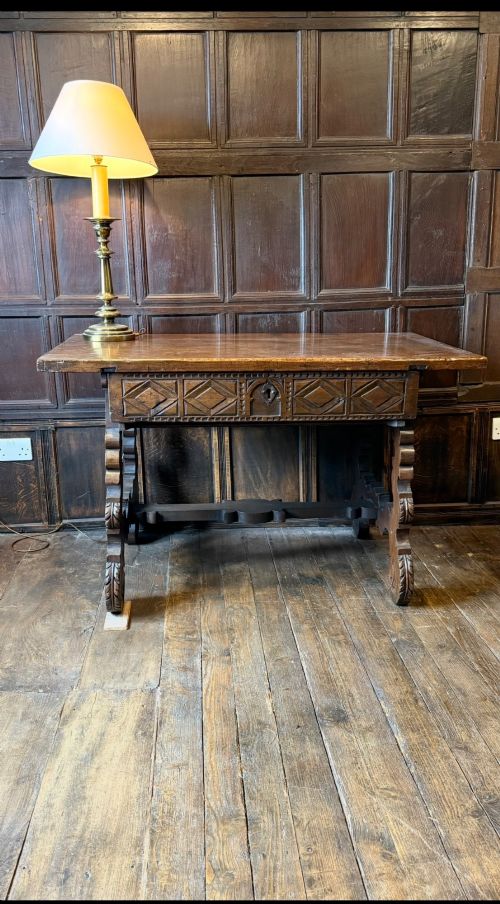
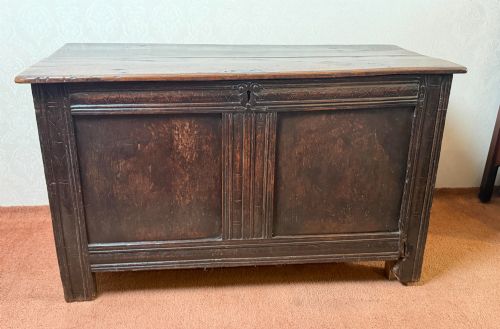
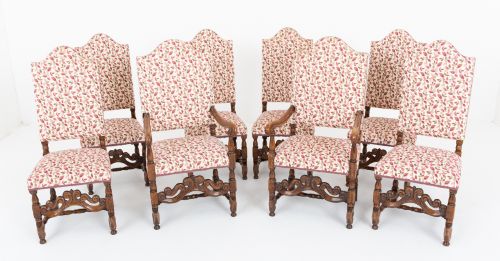
When you search for jacobean carved wood, you encounter substantial furniture and architectural elements spanning from authentic seventeenth-century artefacts down to revival pieces made during the Victorian, Edwardian, and interwar decades. The selection mixes genuine seventeenth-century dressers, coffers, and panels with later sideboards, side tables, and armchairs built in imitation of that early period.
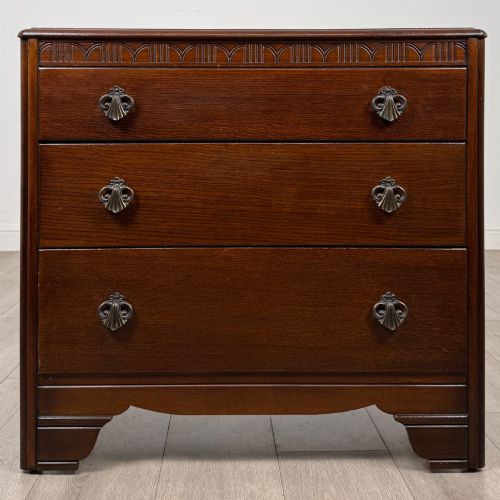
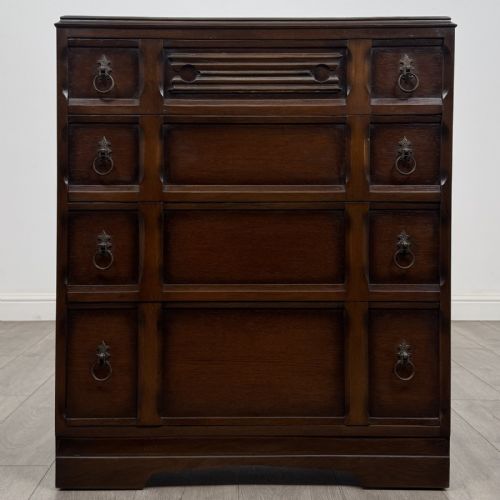
Forms range from large storage chests, mule chests, and sideboards to smaller display cabinets, writing desks, and armchairs. Buyers frequently meet Edwardian and 1920s revival pieces utilising traditional motifs on domestic furniture for period interiors.
Materials and construction
Makers relied primarily on solid oak, working the dense timber with hand tools to create panels, stretchers, and deep relief carvings. Iron, brass, and glass appear as secondary elements on hardware, handles, and display cabinet doors.
Construction techniques include pegged mortise and tenon joints on older pieces, alongside panel-in-frame assembly for coffers, cupboards, and sideboard doors. Surface decoration relies on chip carving, lunette friezes, and geometric mouldings rather than applied veneers.
Jacobean Carved Wood Retail Price Guide 2026
Typical asking prices for jacobean carved wood among the pieces listed under this phrase on Sellingantiques today, from the lower quarter to the upper quarter. They describe what is for sale here now, not the wider market.
Materials documented across the inventory include solid oak, brass, iron, glass, tapestry fabric, and cane.
Assessing quality
Quality rests on the crispness of the chisel work and the integrity of the timber used throughout the piece. Sharp, deeply undercut carving distinguishes superior items from softer, more mechanical revival mouldings.
Proportion and the retention of original structural elements dictate the standing of a piece. Items retaining their early stretchers, original boards, and honest surface wear hold greater authority than heavily restored examples.
The Jacobean Carved Wood Glossary
- Coffer
- A heavy wooden storage chest fitted with a hinged lid, frequently decorated with carved panels on the front. These sturdy boxes served multiple domestic purposes in early households.
- Lunette
- A semicircular decorative motif often carved in a repeating frieze along the top rail of chests and sideboards. This pattern provides a characteristic rhythmic detail on seventeenth-century woodwork.
- Stretcher base
- An internal framework of horizontal wooden bars connecting the legs of a table, chair, or cabinet near the floor. This construction adds stability to heavy oak furniture.
- Mule chest
- A storage chest featuring one or more drawers built into the base beneath the main compartment. This hybrid form bridges the traditional coffer and the modern chest of drawers.
Jacobean Carved Wood: Frequently Asked Questions
How do I date jacobean carved wood?
Dating relies on examining construction marks, joint types, and timber shrinkage alongside the style of the carving. Seventeenth-century items show hand- Hewn surfaces and pegged joints, whereas revival pieces often display machine-cut uniformity.
Secondary woods, backboards, and hardware also provide clues. Earlier pieces utilise cleft oak boards, while twentieth-century revivals incorporate standardised timber dimensions.
Where should I place a heavy oak coffer?
These robust chests suit hallways, living rooms, or large bedrooms where their substantial presence anchors the space. Their flat tops also allow them to function as surface display areas.
Keep solid wood furniture away from direct heat sources and dramatic humidity shifts to prevent timber splitting. Allowing adequate airflow around the piece preserves the antique wood.
What is the difference between original and revival pieces?
Original pieces date from the seventeenth century and carry the authentic wear of centuries of domestic use. Revival pieces were manufactured during the Victorian, Edwardian, and 1920s periods to recreate that older aesthetic.
Both categories utilise solid oak and traditional carving motifs. However, the later revival items reflect the manufacturing standards and domestic requirements of their respective eras.
How do I care for antique carved oak?
Maintain the surface by applying occasional applications of natural beeswax to nourish the dry timber. Avoid modern silicone sprays or harsh chemical cleaners that can strip the historic finish.
Dust the deep recesses of the carvings regularly with a soft-bristled brush. This prevents dirt accumulation in the intricate geometric panels and lunette friezes.