



Jacobean Buffet
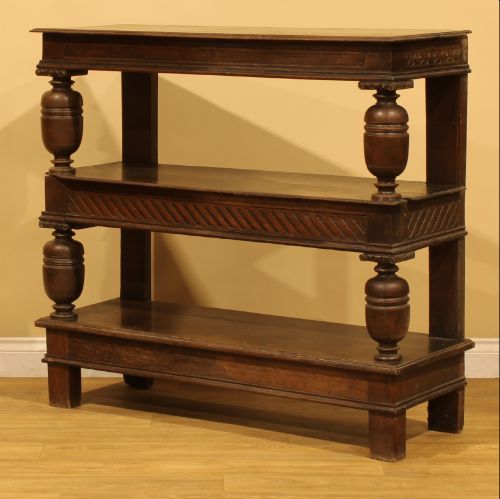
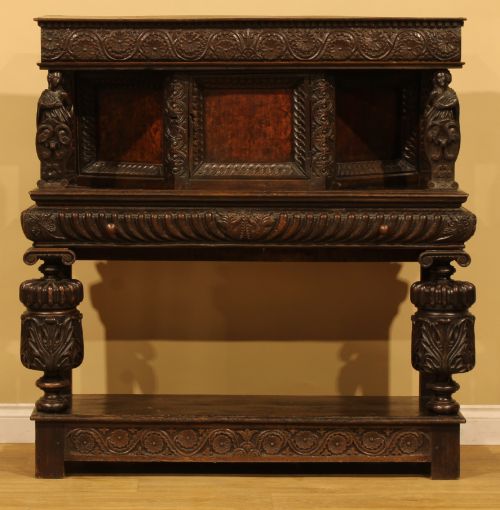
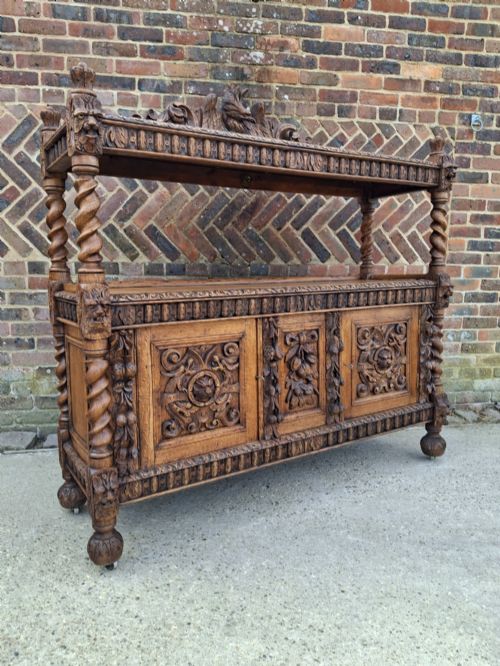
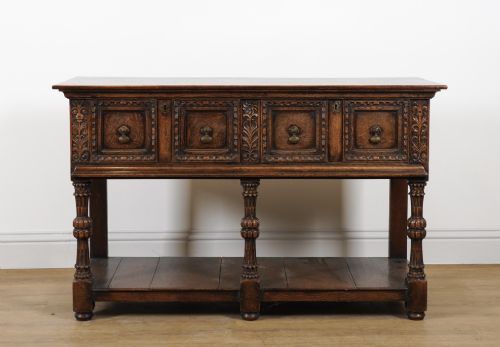
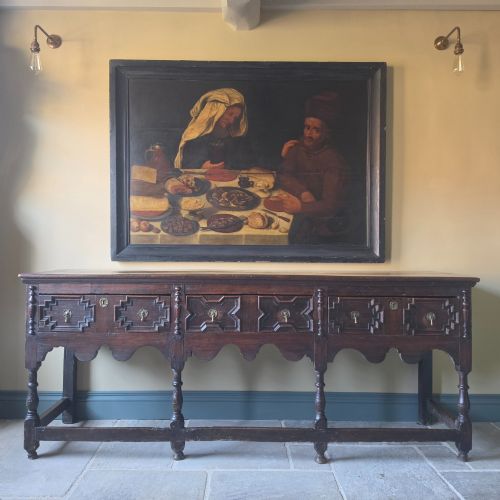
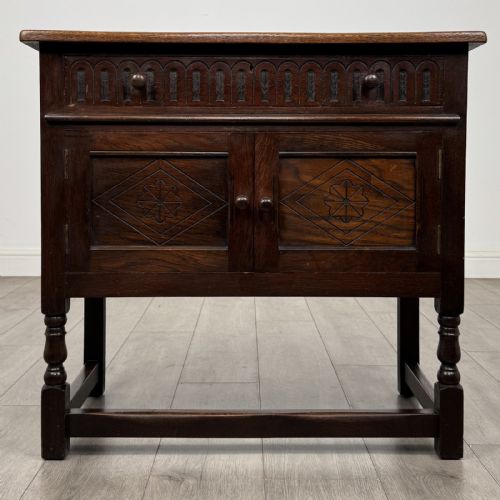
These jacobean buffet examples bring robust oak construction and deep historical presence into a room, offering substantial storage alongside timeless carved detail.
Jacobean Buffet
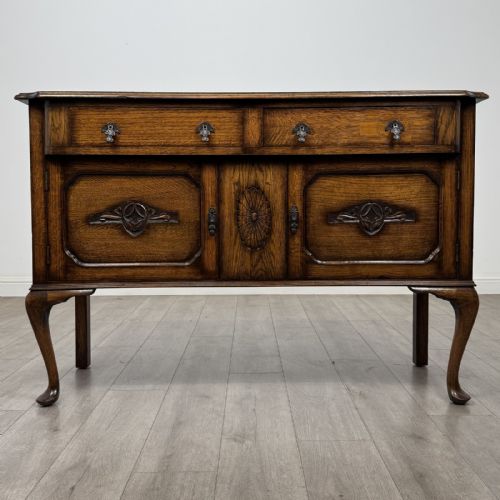
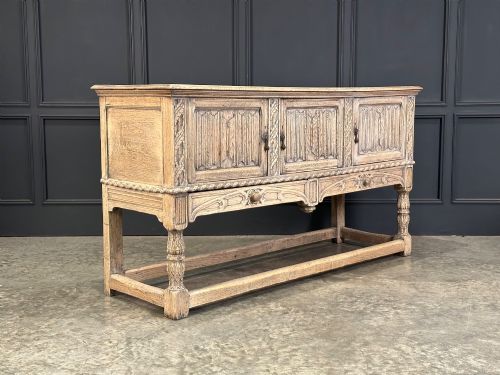
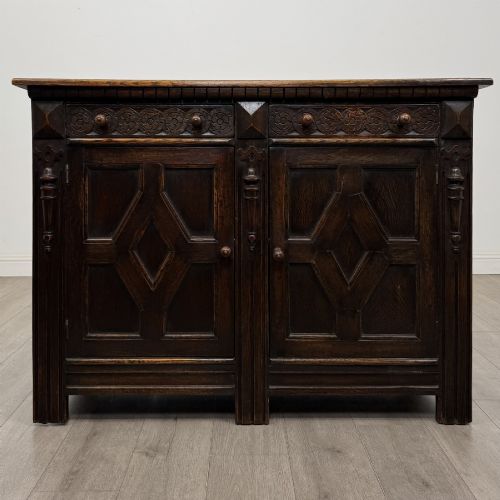
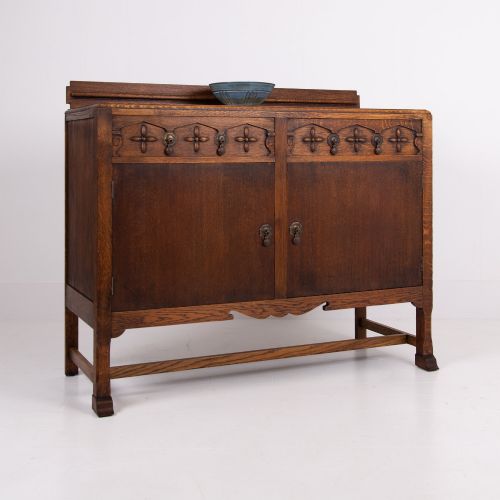
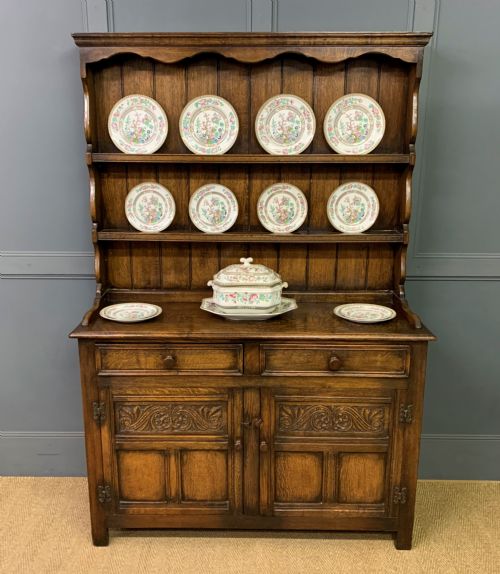
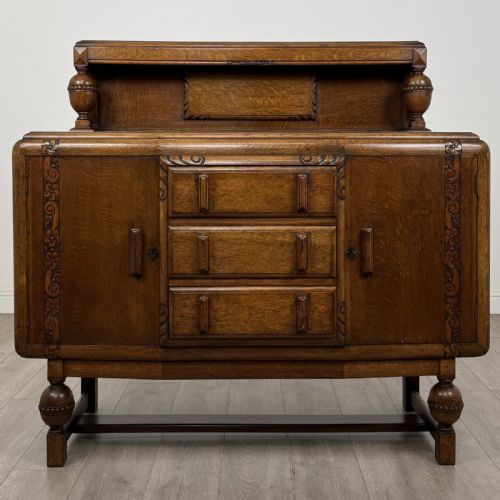
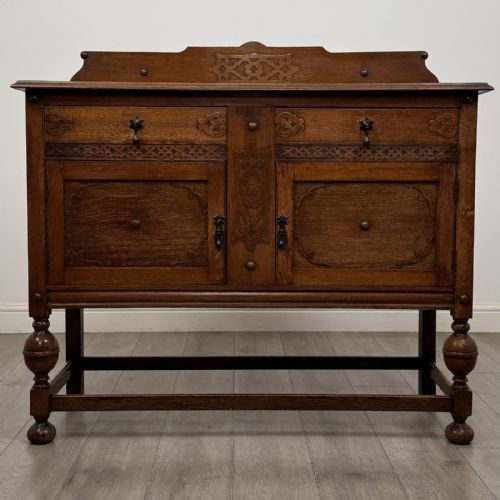
A jacobean buffet encompasses heavy timber storage furniture, including sideboards, dresser bases, court cupboards, and press cupboards originating from the seventeenth century onward. Buyers searching this phrase will frequently encounter twentieth-century revival pieces alongside genuine period items.
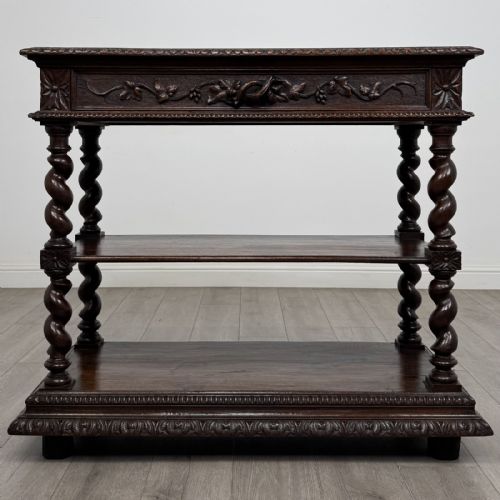
The inventory on this page spans distinct eras, ranging from seventeenth-century originals to Edwardian, Victorian, and later twentieth-century interpretations. Common structural formats include potboard dressers, side cabinets, and fitted cupboards featuring practical surface space and enclosed shelving.
Markers of distinction
Quality separates primitive utility furniture from pieces produced with finer architectural detailing and deeper sculptural carving. The crispness of the carved panels and the integrity of the original timber patina indicate superior craftsmanship.
Proportion and utility influence the desirability of each piece, with smaller proportions and untouched original surfaces commanding greater interest among collectors. The balance between sturdy stretcher bases and upper cabinet weight reflects the maker's skill.
Jacobean Buffet Retail Price Guide 2026
Typical asking prices for jacobean buffet among the pieces listed under this phrase on Sellingantiques today, from the lower quarter to the upper quarter. They describe what is for sale here now, not the wider market.
Some seventeenth-century food hutches feature clever ventilation piercings to keep provisions fresh long before modern refrigeration arrived in the pantry.
Jaycee
The Jacobean Buffet Glossary
- Court cupboard
- A heavy seventeenth-century enclosed storage piece featuring an upper cabinet recessed above a wider lower section. These items typically display elaborate carved friezes and support columns.
- Linenfold
- A decorative woodcarving style mimicking folded fabric, commonly applied to vertical panels on cupboards and sideboards. This technique gained prominence during the Tudor and Jacobean periods.
- Barley twist
- A turned wooden furniture leg resembling a spiral or helix. This turning style appears frequently on revival sideboards and tables.
- Potboard dresser
- A sideboard or dresser base featuring an open lower shelf traditionally used for storing pottery and kitchen vessels. These open lower tiers contrast with enclosed upper or mid-level cupboards.
- Patina
- The surface sheen and colour acquired by aged wood through decades of handling, polishing, and oxidation. Original patination remains a primary indicator of historical integrity.
Jacobean Buffet: Frequently Asked Questions
How do I date a jacobean buffet?
Dating relies on examining construction methods, tool marks, and timber characteristics. Seventeenth-century examples display hand-split oak and pegged joints, whereas revival pieces from the Victorian and Edwardian eras show machine-sawn timber and later hardware.
Hardware styles and secondary woods also provide chronological clues. Original brass handles and hinges differ significantly from twentieth-century reproductions used on revival furniture.
How should I care for antique oak furniture?
Maintain oak furniture by keeping it away from direct heat sources and strong sunlight, which can dry out the timber and crack the finish. Dust regularly with a dry cloth and apply natural beeswax sparingly to nourish the wood.
Avoid silicone-based polishes that build up residue over time. Proper humidity control in the room prevents the solid timber from warping or splitting.
Are revival pieces considered authentic antiques?
Revival pieces, particularly those from the Victorian, Edwardian, and 1920s periods, represent distinct historical eras of historicism and architectural interest. While they imitate seventeenth-century styles, they possess their own age and collectible value.
Evaluating a piece requires distinguishing between seventeenth-century construction and later interpretations. Both categories offer robust craftsmanship and historical aesthetic appeal.