



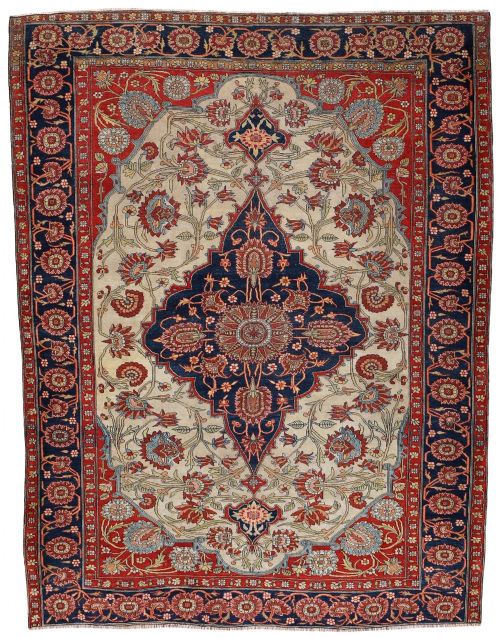


Ivory Medallion Carpet
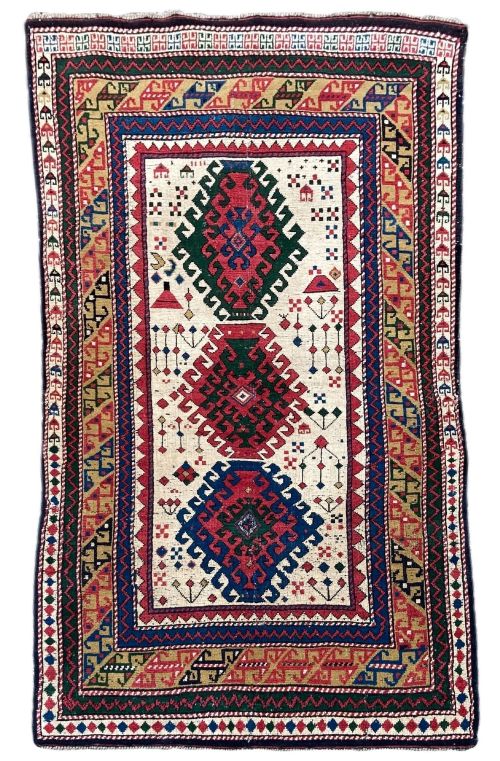
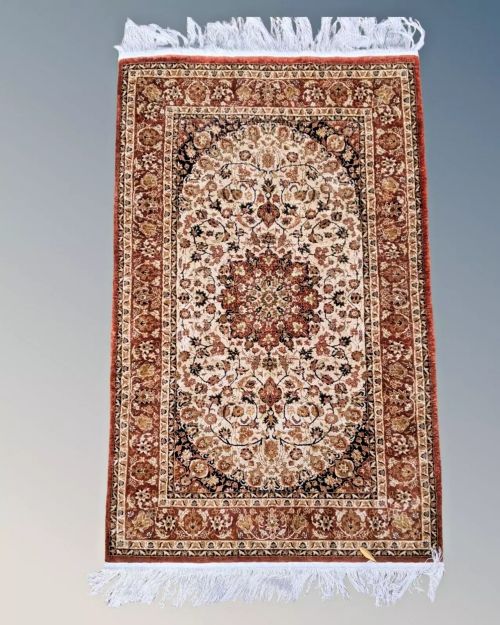
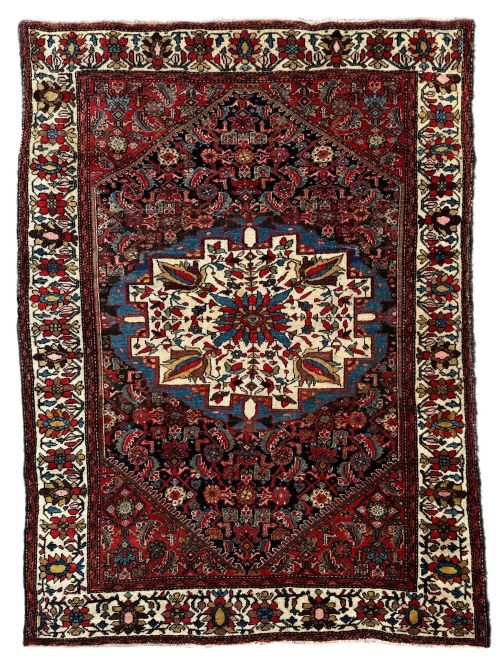
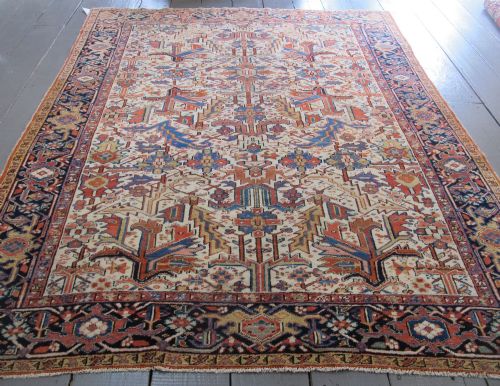
An ivory medallion carpet centres your room on a luminous pale field, drawing the eye to intricate Persian and Oriental knotwork.
Ivory Medallion Carpet
When you search for an ivory medallion carpet, you encounter woven textiles featuring a prominent central motif set against a pale cream or ivory ground. These rugs and carpets originate primarily from Persian weaving centres alongside Kashmiri and Ottoman workshops, spanning the late nineteenth and early twentieth centuries.
The selection here encompasses large carpets, area rugs and narrow runners produced from eighteen-seventy through to nineteen-thirty. You meet regional variations including Heriz, Isfahan, Tabriz, Malayer and Ushak designs, each employing distinctive floral or geometric central medallions.
Materials and construction
These floor coverings are constructed using wool, cotton and occasionally silk. Wool forms the dense pile and durable foundation of traditional Persian and Turkish weaving, whilst cotton provides sturdy warps and wefts for structural stability.
Selected examples incorporate silk highlights to illuminate intricate details within the central medallion and surrounding field. Artisans knotted these natural fibres by hand, developing robust weaves designed to withstand generations of daily use.
Ivory Medallion Carpet Retail Price Guide 2026
Typical asking prices for ivory medallion carpet among the pieces listed under this phrase on Sellingantiques today, from the lower quarter to the upper quarter. They describe what is for sale here now, not the wider market.
Listings feature wool, cotton and silk materials across Persian, Kashmiri and Ottoman styles spanning eighteen-seventy to nineteen-thirty.
Judging quality and character
The distinction between standard examples and the finest pieces lies in knot density and the precision of the drawn design. Finer knotting allows for sharper delineation of floral motifs and geometric borders within the central medallion.
Material selection also dictates quality, as lustrous wool and the inclusion of delicate silk highlights elevate the tactile and visual depth of the surface. Preserved pile height and balanced natural dyes further distinguish superior carpets from ordinary ones.
The Ivory Medallion Carpet Glossary
- Medallion
- The central ornamental design set in the middle of the carpet field. It typically displays floral or geometric configurations that anchor the entire composition.
- Ground
- The background colour of the main field surrounding the central medallion. In these pieces, this area exhibits an ivory or pale cream tone.
- Warp
- The vertical threads stretched tightly on the loom before knotting begins. Cotton is frequently utilised for this structural foundation.
- Weft
- The horizontal threads passed alternately over and under the warp threads after each row of knots. This secures the pile firmly in place.
- Runner
- A long, narrow carpet format designed for corridors, hallways or staircases. These pieces adapt traditional medallion designs to an elongated shape.
Ivory Medallion Carpet: Frequently Asked Questions
How do I clean an antique carpet?
Gentle surface vacuuming without a beater bar removes loose dust from the wool pile. Professional specialist cleaning remains essential for deep maintenance.
Water and harsh chemical detergents damage natural fibres and dyes. Consult a textile conservator for any accumulated stains.
Are these carpets suitable for hallways?
Longer formats function effectively in corridors and entryways. Durable wool construction withstands regular foot traffic when paired with a quality underlay.
Placing them away from direct, strong sunlight preserves the delicate ivory ground and natural dyed tones.
What does an ivory ground indicate?
An ivory ground provides a pale, luminous backdrop that makes the central medallion stand out prominently. This neutral field helps brighten traditional interior spaces.
Weavers achieved these creamy tones using bleached or naturally pale sheep's wool.
How do I date a woven rug?
Dating relies on stylistic analysis of the medallion, border motifs, and regional weaving structures. Turn-of-the-century pieces often display specific transitional design traits.
Materials such as early synthetic dyes versus natural dyes also offer clues regarding the decade of production.