


Italian Wooden Table
An italian wooden table brings centuries of continental craftsmanship into a room, spanning rustic trestle forms and grand baroque consoles.
Italian Wooden Table
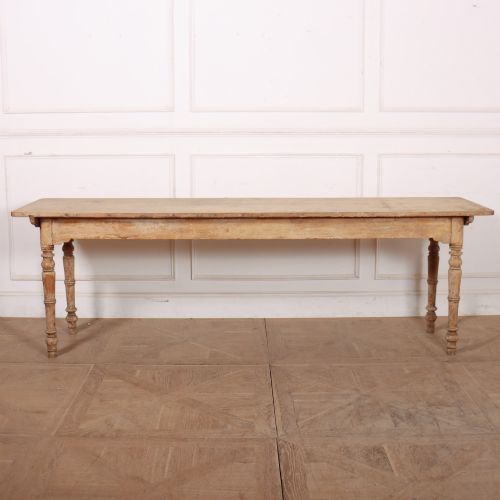
An italian wooden table encompasses a broad variety of forms designed for domestic use, ranging from robust farmhouse and trestle tables to ornate console tables and occasional side tables. Buyers seeking these items encounter pieces originating from different centuries, with the nineteenth century heavily represented alongside examples from the eighteenth and early twentieth centuries.
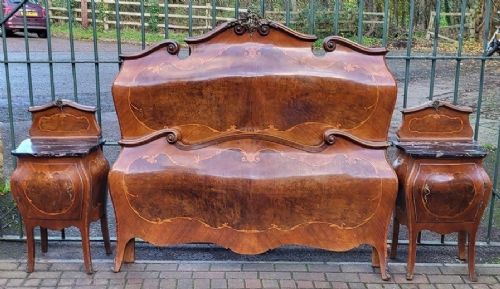
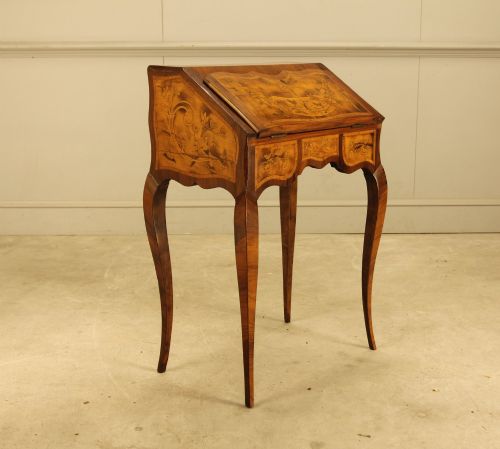
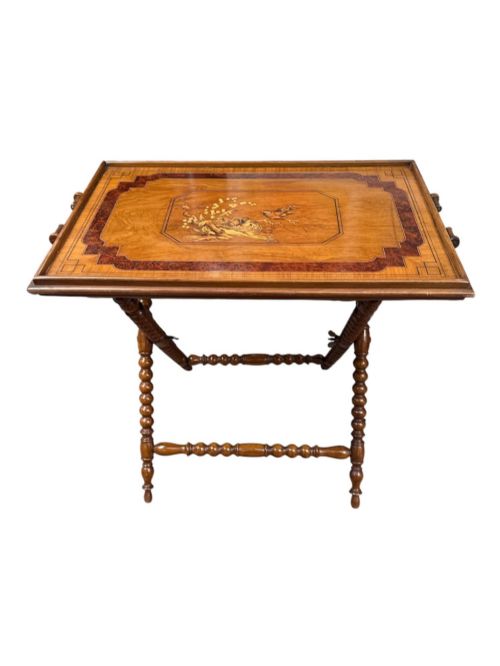
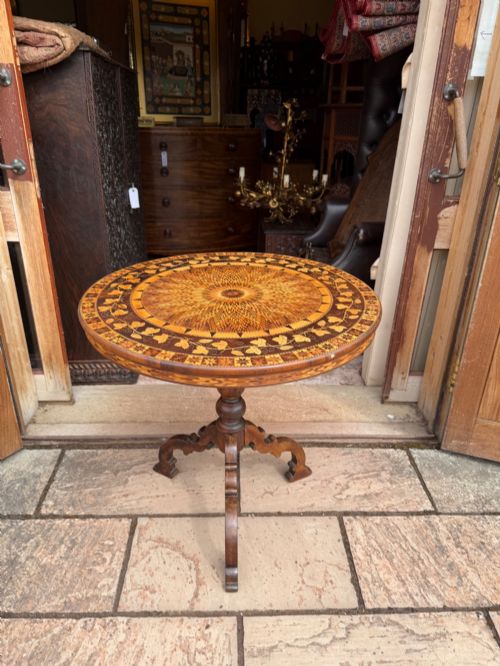
The materials utilised in these pieces reflect distinct regional traditions, with European walnut appearing frequently alongside bleached oak and fruitwood. Decorative surfaces often incorporate intricate marquetry, Sorrento inlay, or polychrome paint finishes, showing how makers combined structural timber with ornamental detail.
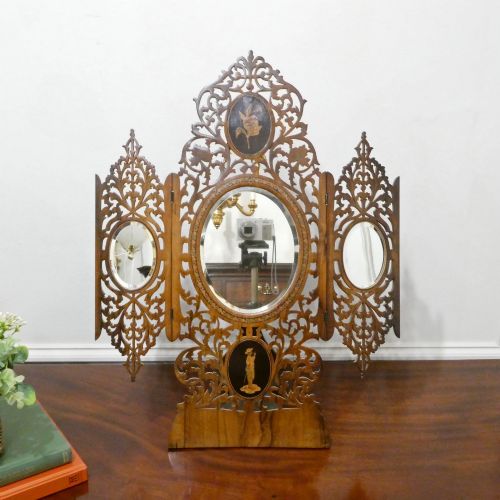
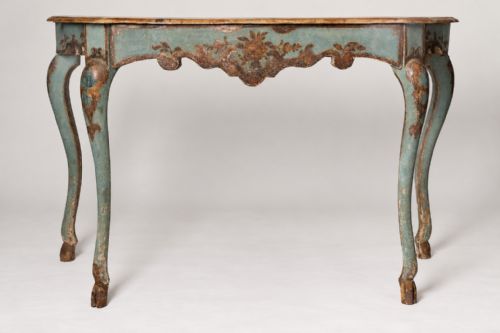
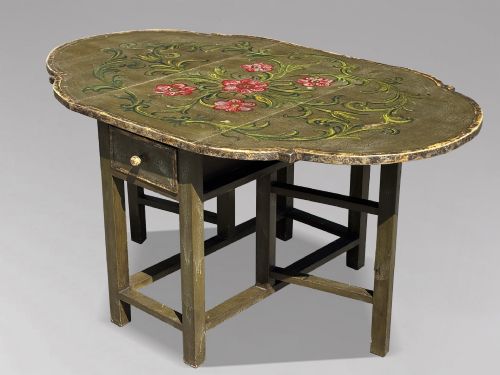
Forms vary according to their intended function and stylistic period, including occasional tables, drop-leaf tables, and centre tables designed to anchor a room. Alongside standard table forms, the selection includes specialised pieces such as dressing table mirrors, low coffee tables, and console tables with marble tops.
Materials and construction
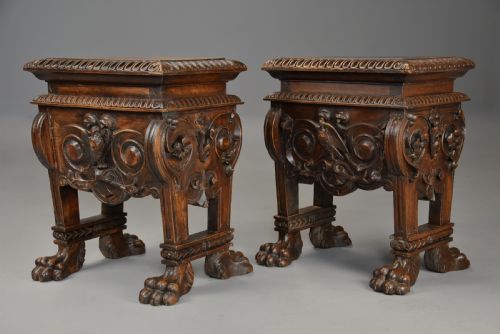
Carpenters relied primarily on walnut, oak, and assorted fruitwoods for the structural framework of these tables, employing traditional joinery to ensure stability. Timber selection dictated the character of the piece, whether utilised for a solid trestle base or as a foundation for decorative surface treatments.
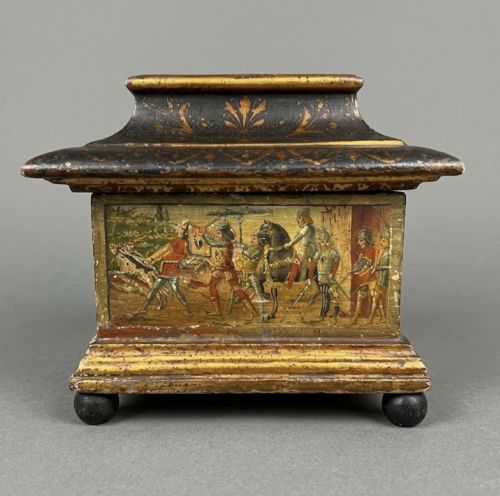
Surface ornamentation involved skilled techniques such as marquetry, bone-inlay, and pietra dura mounting, creating intricate geometric or pictorial designs. Giltwood, gesso, and gold leaf were frequently applied to carved wooden elements to achieve a rich decorative finish, particularly on baroque and neoclassical forms.
Italian Wooden Table Retail Price Guide 2026
Typical asking prices for italian wooden table among the pieces listed under this phrase on Sellingantiques today, from the lower quarter to the upper quarter. They describe what is for sale here now, not the wider market.
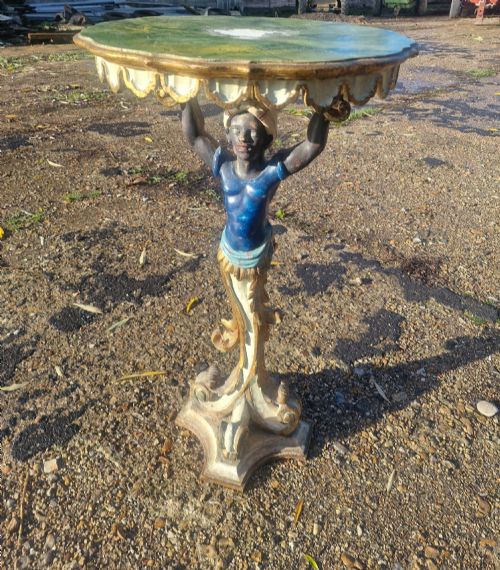
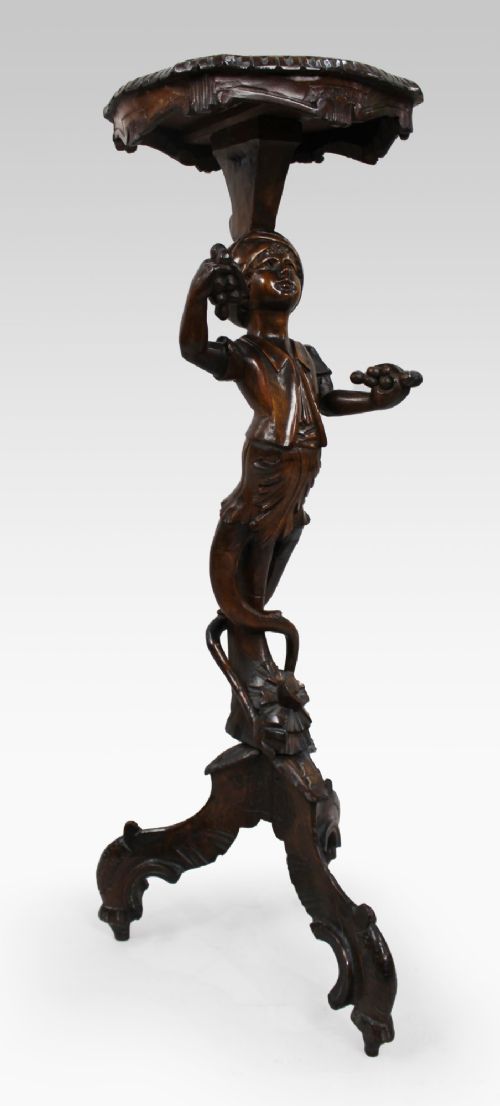
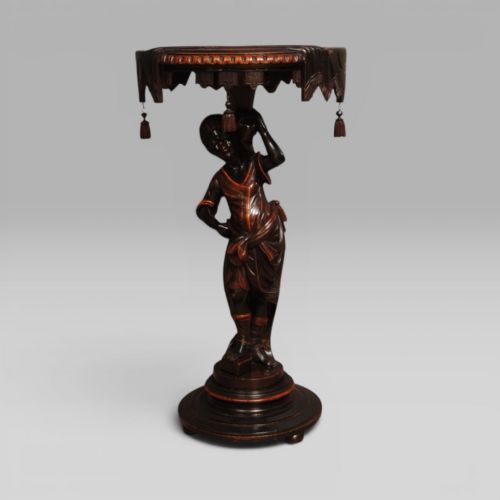
A nineteenth-century Venetian blackamoor table stands ready to hold your afternoon tea with dramatic flair.
Markers of quality
The standard of carving and inlay work distinguishes finer examples from simpler provincial pieces. Crisp execution in carved figural supports or precise geometric marquetry indicates a higher level of workshop expertise.
The choice and preservation of materials also determine grade, where selected walnut timbers and intact original painted or gilded finishes retain greater integrity. Subtle details in construction, such as the integration of specimen marble tops or complex veneer patterns, separate ambitious workshop output from utilitarian items.
Pietro Ferrario·Guido Cacciapuoti
The Italian Wooden Table Glossary
- Marquetry
- The art of applying pieces of veneer to a structure to form decorative patterns and pictures. It requires considerable skill in cutting and fitting various woods.
- Sorrento Ware
- A specific style of inlaid woodwork originating from the town of Sorrento in southern Italy. Artisans utilised contrasting timbers to create detailed pictorial motifs.
- Pietra Dura
- An inlay technique using cut and fitted polished coloured stones to create images. This method appears on tabletops and decorative boxes.
- Giltwood
- Wood that has been treated with gold leaf or gold paint. It provides a luminous surface often seen on baroque frames and decorative tables.
- Console Table
- A table designed to be fixed against a wall, frequently supported by ornamental legs or brackets. These often feature elaborate carved decoration.
Italian Wooden Table: Frequently Asked Questions
What periods do these tables come from?
The available examples predominantly span the nineteenth century, with notable pieces dating back to the eighteenth century and forward into the early twentieth century. Styles range from baroque and rococo revivals to rustic country designs.
Craftsmen across different eras utilised traditional methods, meaning construction techniques often align with the prevailing aesthetic of each specific period.
How were these tables used originally?
Tables served diverse functions in historic interiors, from grand console tables placed against salon walls to sturdy trestle dining tables used for daily meals. Occasional tables and side pieces provided convenient surfaces for lamps, books, and decorative objects.
Specialised variants like drop-leaf tables offered flexibility in room layout, allowing households to adjust surface space according to their immediate needs.
How do I care for wooden surfaces?
Maintenance requires protecting timber and decorative finishes from direct sunlight and excessive moisture fluctuations. Regular dusting with a soft, dry cloth preserves the original polish without harming vulnerable veneers or painted details.
Avoid chemical polishes, particularly on pieces with giltwood, gesso, or delicate marquetry, opting instead for gentle conditioning suited to antique wood.
How can I tell different regional styles apart?
Regional characteristics often manifest in the choice of timber and decorative motifs, such as the distinctive inlaid scenes associated with Sorrento work or the dramatic carved profiles of Venetian baroque pieces. Tuscany and Florence developed particular traditions in walnut furniture and painted decoration.
Examining the secondary woods and construction methods helps clarify the geographic origin of a piece within Italy.