


Italian Walnut Cupboard Doors
Italian walnut cupboard doors bring architectural warmth and rich timber grain to an interior, offering classic panels built for lasting utility.
Italian Walnut Cupboard Doors
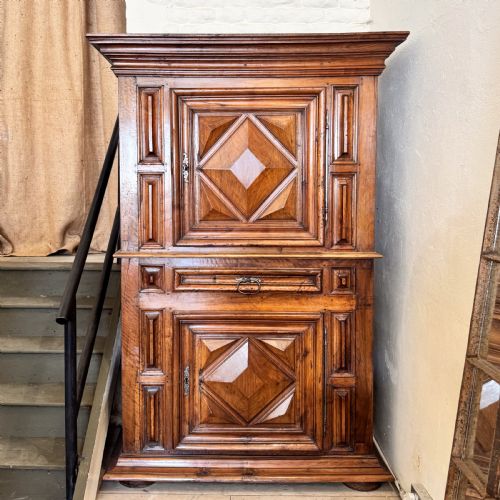
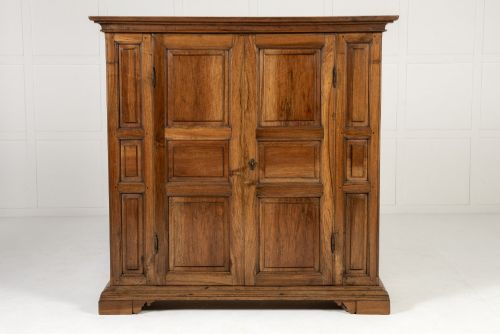
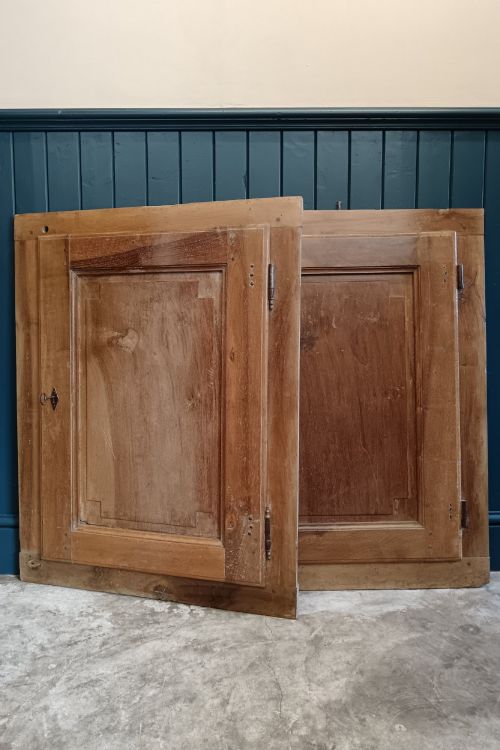
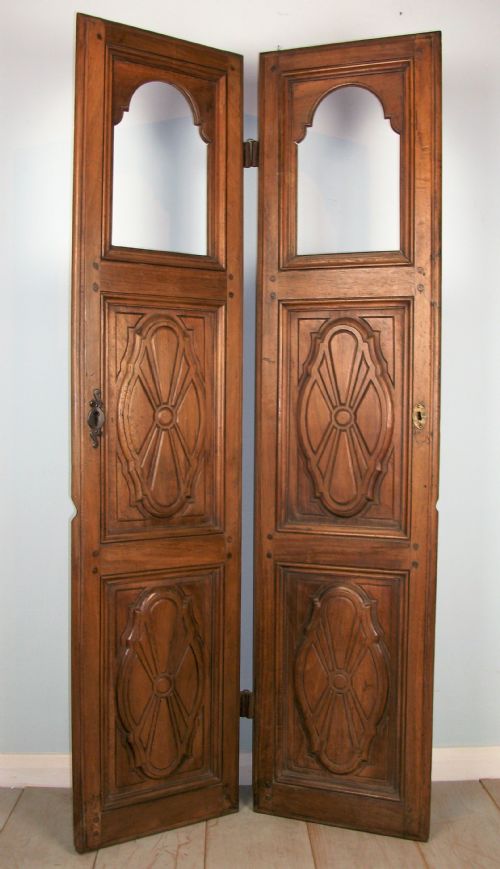
When you search for italian walnut cupboard doors, you encounter architectural salvage and matched pairs salvaged from older joinery, alongside complete cabinets and sideboards. These architectural elements embody regional styles like Italian Baroque, Italian Provincial, and Italian Renaissance, spanning periods from the eighteenth century into the early twentieth century.
The pieces on this page range from standalone eighteenth-century panels and frames to later sideboards and pedestal cupboards. Walnut dominates the selection, occasionally paired with fruitwood, iron, and brass fittings, reflecting traditional cabinet-making practices across Italy.
How they were made
Local joiners shaped these pieces primarily from solid walnut and fruitwood, selecting timber with rich grain patterns suited to prominent panels. Construction relied on traditional frame and panel techniques designed to accommodate natural wood movement over decades of use.
Metal elements such as iron hinges and brass hardware secured the heavy timber doors, while period stylings were carved directly into the solid wood surfaces. These construction methods ensured both structural integrity and decorative depth in domestic and architectural settings.
Certain salvaged pairs retain centuries of old paint traces hiding beneath dark walnut polish.
What varies in quality
Quality in these architectural fragments and furniture pieces rests upon the depth of the carving, the crispness of the panel moulding, and the preservation of the original timber. Pieces displaying harmonious proportions and substantial walnut framing stand apart from simpler utilitarian builds.
The integrity of the timber and the retention of period iron or brass fittings further distinguish finer examples. Patina accumulated through centuries of age adds character, separating well-preserved specimens from heavily altered items.
The Italian Walnut Cupboard Doors Glossary
- Architectural salvage
- Building elements removed from older structures for reuse in interior design. These items preserve historical craftsmanship and materials.
- Italian Baroque
- A theatrical and ornate design style originating in seventeenth-century Italy. It emphasises dramatic carving, grand scale, and dynamic surface movement.
- Fruitwood
- Dense timber harvested from fruit-bearing trees such as pear or apple. Cabinet-makers utilised it for contrasting details and durable secondary elements.
Italian Walnut Cupboard Doors: Frequently Asked Questions
How were Italian walnut cupboard doors used?
These pieces functioned as architectural entryways, fitted cupboard enclosures, or decorative panels within traditional Italian interiors. They provided secure storage while displaying the rich grain of local walnut.
Over time, many such doors have been salvaged from older buildings to serve as wall decoration, room dividers, or bespoke cabinetry elements in modern restorations.
How do I care for antique walnut?
Maintain antique walnut by keeping it away from direct sunlight and sudden temperature shifts. Dust the timber gently with a dry, soft cloth.
Apply a microcrystalline wax sparingly when the wood appears dry to protect the finish without sealing moisture into the grain.
What defines the Italian Renaissance style?
The Italian Renaissance style draws inspiration from classical antiquity, featuring balanced proportions, geometric panels, and restrained architectural moulding. Carving remains disciplined and architectural rather than overly ornate.
This aesthetic values symmetry and structural clarity, allowing the natural figure of the walnut timber to provide visual depth.
How can I tell an eighteenth-century piece apart?
Eighteenth-century examples display hand-cut joinery, pegged framing, and timber surfaces seasoned over generations. The construction methods reflect manual woodworking tools and techniques specific to the period.
Examine the edges of the panels and the patination of the wood for signs of age that distinguish these older pieces from later reproductions.