
Vintage Wooden Cupboard Doors
Vintage wooden cupboard doors encompass practical architectural salvage and fitted cabinet panels designed to bring tactile timber character into modern interiors.
Vintage Wooden Cupboard Doors
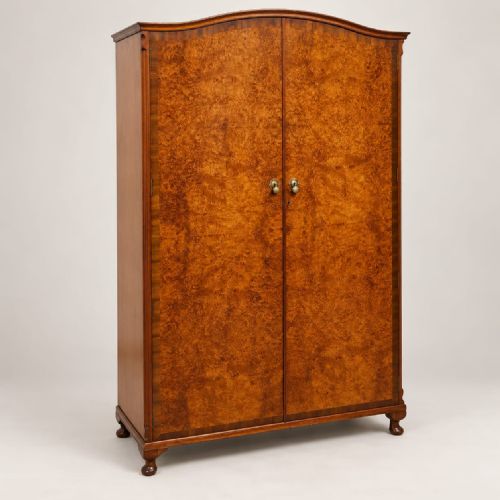
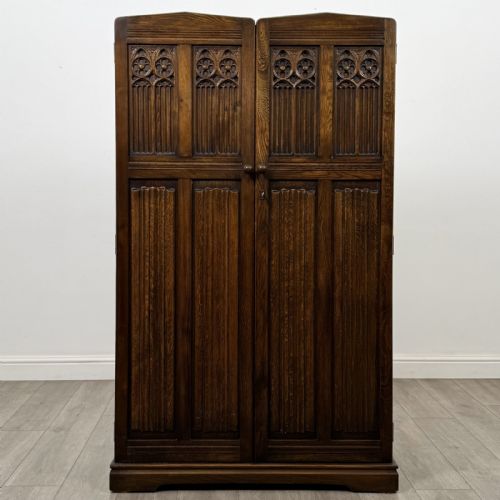
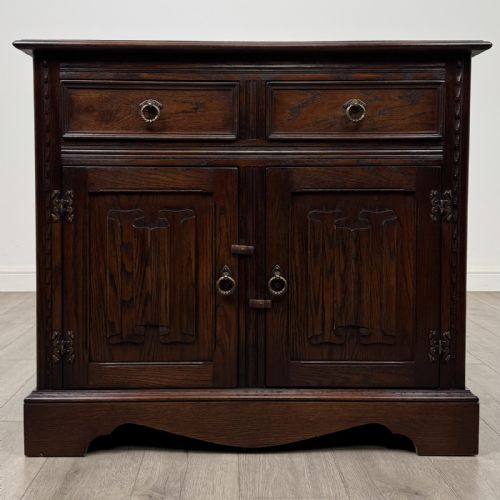
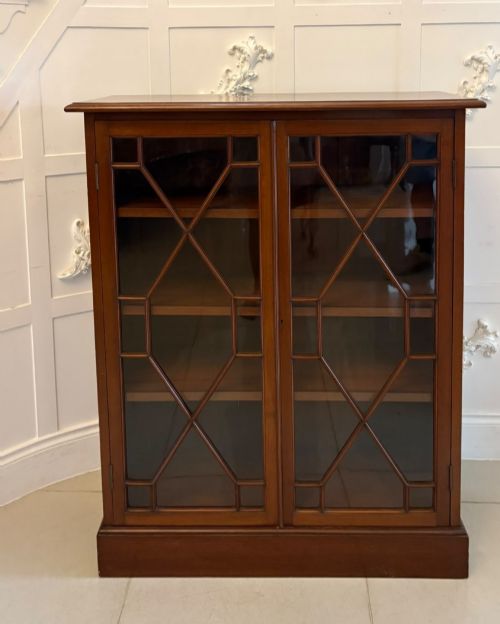
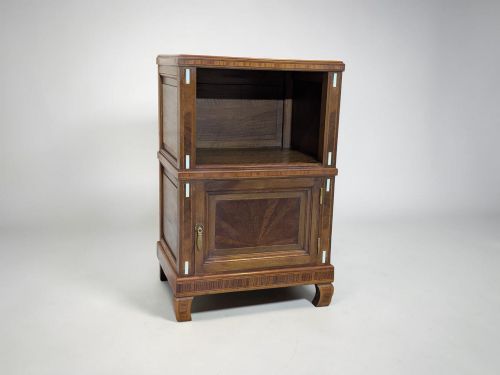
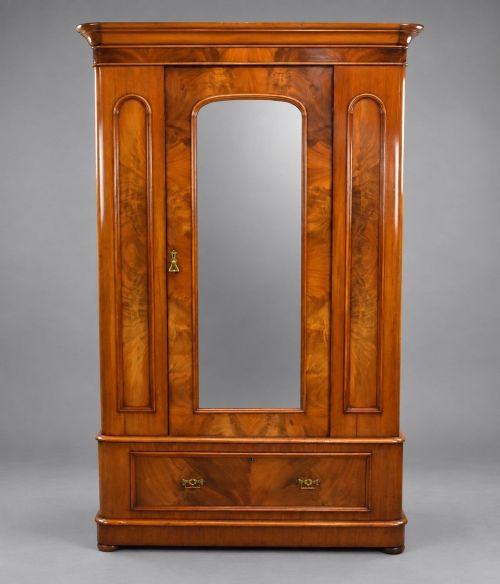
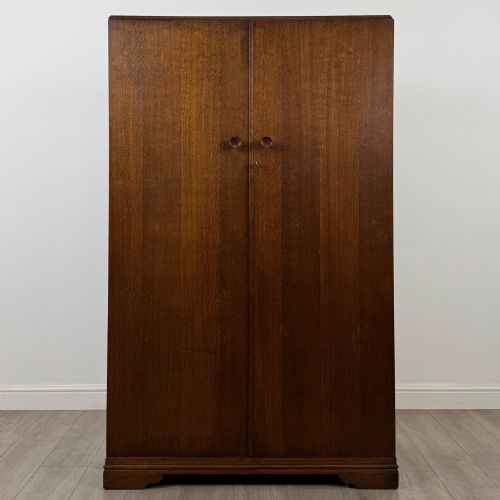
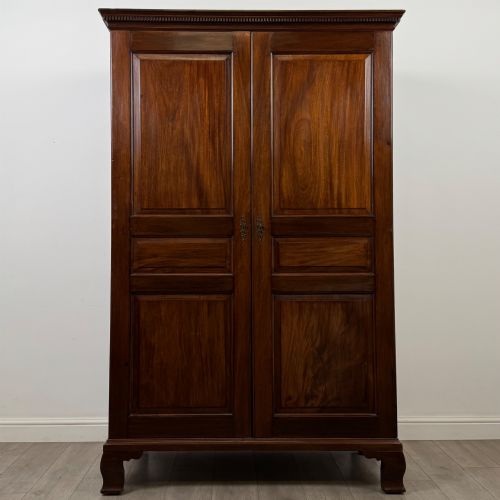
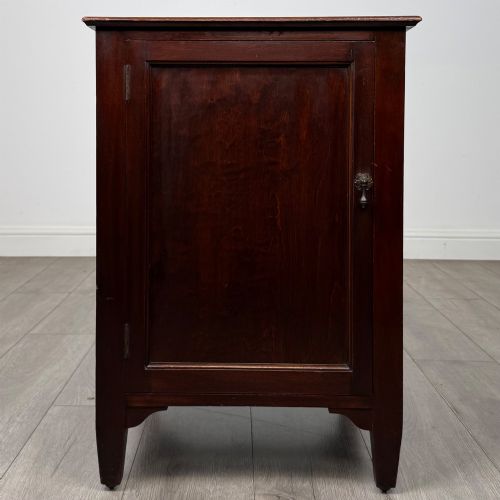
Buyers seeking vintage wooden cupboard doors encounter architectural elements and salvaged panels drawn from larger wardrobes, sideboards, bookcases, and linen presses. The listings present pieces originating from the nineteenth century through the early twentieth century, spanning Edwardian, Victorian, and Regency periods.
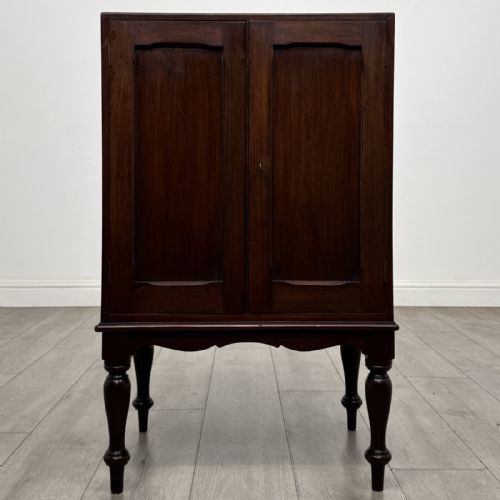
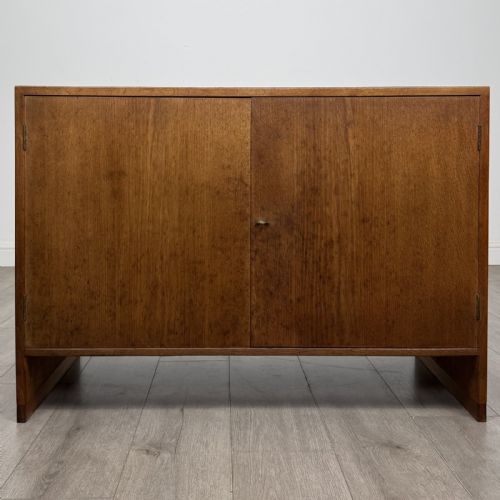
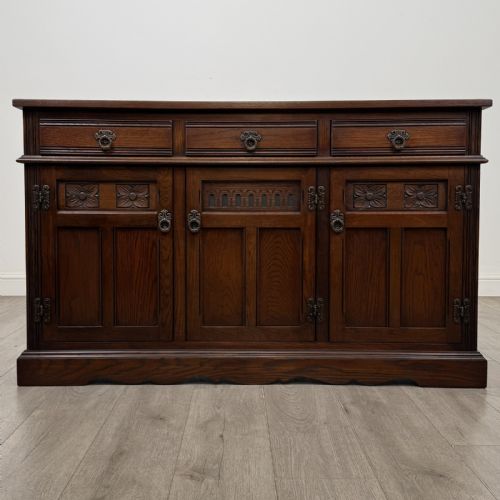
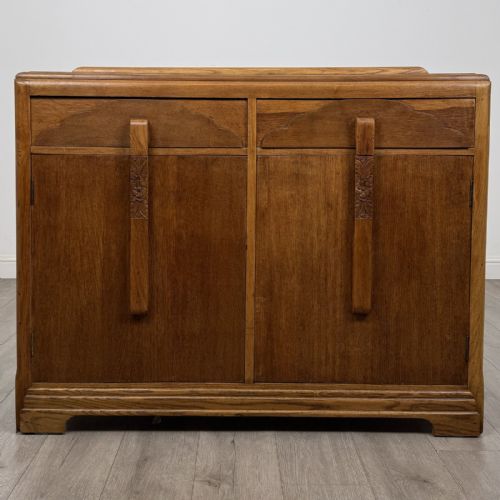
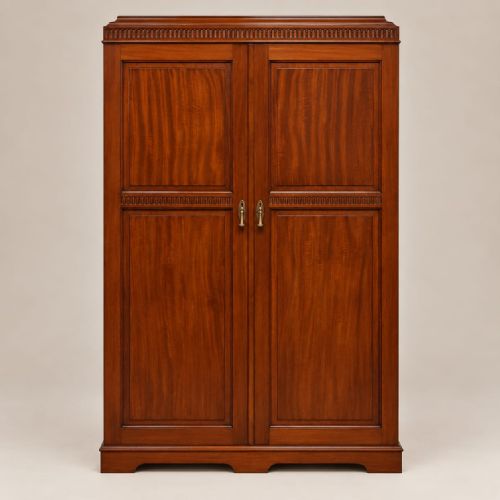
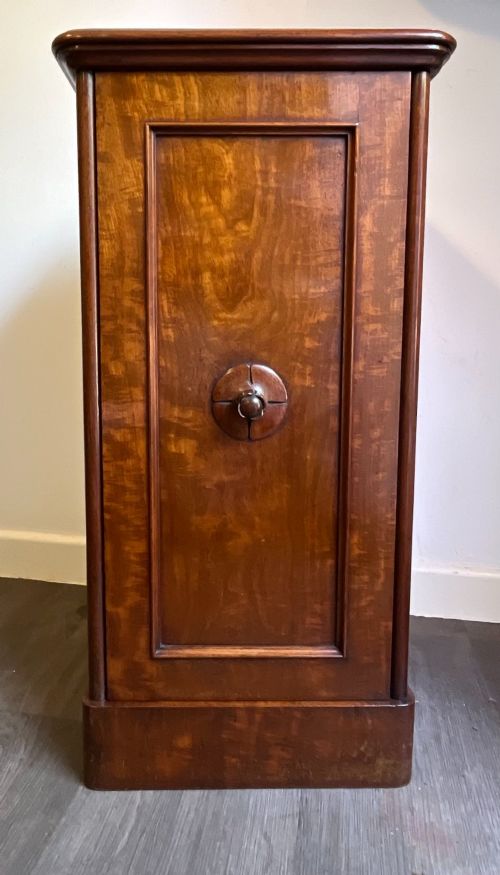
The physical forms on this page reflect cabinetry hardware and individual panels sourced from pieces like compactum wardrobes, bedside cabinets, and chiffoniers. These items serve decorators looking to integrate authentic period timber grain and patinated surfaces into architectural projects or interior displays.
Materials and construction methods
Makers constructed these panels and cabinets using solid hardwoods and softwoods including oak, mahogany, walnut, satinwood, padouk, and pine, frequently supplemented by brass and iron hardware. Workshops utilised dense timbers for structural durability and decorative face veneers to achieve rich grain patterns across doors and cabinet fronts.
Surface treatments recorded in the inventory range from clear wax finishes and French polishing to painted applications like scumble faux oak and glazed sections. Joinery techniques relied on traditional solid timber framing to accommodate seasonal wood movement while maintaining structural integrity over decades of use.
Listings incorporate multiple timber species, ranging from dark mahogany and walnut to pale pine and oak.
Evaluating quality and execution
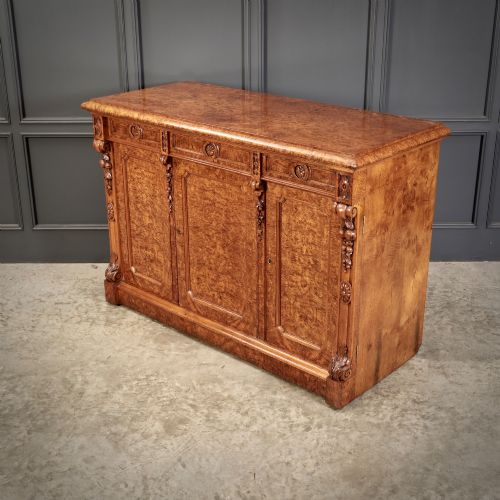
Superior examples demonstrate careful selection of face veneers such as burr walnut or flame mahogany, where grain patterns align symmetrically across the panel. Lesser pieces rely on simpler secondary softwoods like pine with standard painted or stained finishes.
The refinement of original hardware, such as brass escutcheons and working hinges, distinguishes standard utility pieces from finely finished salon cabinets and formal sideboards. Construction depth, timber weight, and the preservation of original surface patination determine the overall standard of each piece.
The Vintage Wooden Cupboard Doors Glossary
- Compactum
- A large fitted wardrobe combining hanging space, shelving, and internal drawers within a single carcass. This form became popular in the Victorian and Edwardian eras for efficient bedroom storage.
- Chiffonier
- A low sideboard or cabinet featuring a combination of enclosed lower cupboards and upper drawers or shelving. These pieces typically date from the Regency and Victorian periods.
- Scumble
- A decorative surface technique involving the manipulation of translucent paint layers to imitate natural wood grain. It appears frequently on nineteenth-century pine furniture.
- Vitrine
- A glass-fronted display cabinet or bookcase designed to exhibit porcelain, books, or decorative objects. Surviving examples often incorporate Rococo or classical revival detailing.
- Linen Press
- A tall enclosed cabinet originally intended for storing household textiles on sliding trays or shelves. Upper cupboard doors typically conceal these internal storage compartments.
Vintage Wooden Cupboard Doors: Frequently Asked Questions
What periods do these wooden cupboard doors represent?
The available selection spans the nineteenth and early twentieth centuries, including Regency, Victorian, and Edwardian eras.
Craftsmanship from these periods incorporates traditional solid timbers and period-specific joinery methods.
Which wood types appear most frequently?
Listings feature durable hardwoods like mahogany, oak, walnut, and satinwood alongside versatile softwoods such as pine.
Selected items also incorporate decorative veneers and glass panels for display purposes.
How can I tell different historical periods apart?
Stylistic cues such as heavy carved mouldings, bun feet, and dark finishes generally indicate Victorian manufacture.
Lighter timbers, inlaid details, and cleaner lines typically point towards Edwardian or later twentieth-century production.
Are these pieces suitable for architectural salvage projects?
Many items originate from dismantled wardrobes, sideboards, and cupboards, making them adaptable for interior renovation.
Buyers often repurpose salvaged cabinet panels and doors for wall integration or bespoke furniture builds.