



Italian Walnut Credenza
An italian walnut credenza brings substance and rich grain to a room, offering practical storage disguised as grand furniture.
Italian Walnut Credenza
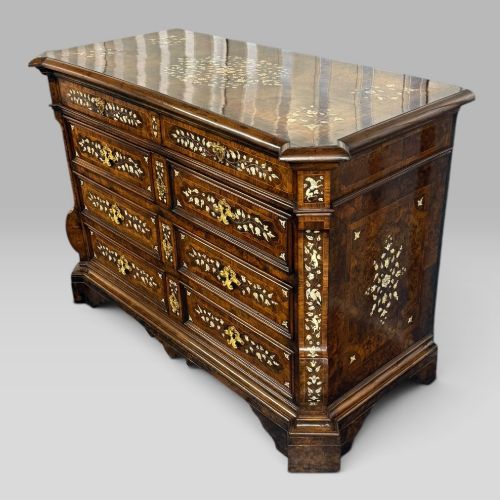
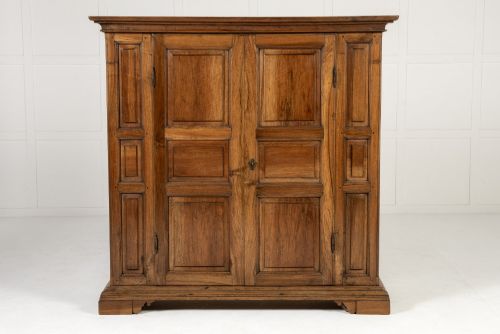
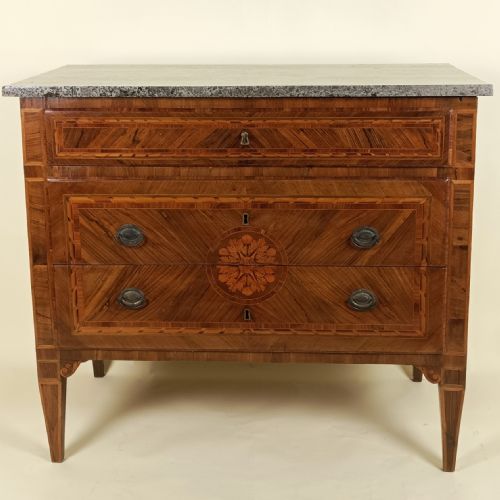
An italian walnut credenza encompasses substantial sideboards, cabinets, and chests of drawers rooted in centuries of craftsmanship. These pieces range from restrained provincial sideboards to monumental architectural cabinets and detailed commodes.
The selections encountered here span multiple eras, most notably the eighteenth and nineteenth centuries, alongside early twentieth-century revivals. Buyers frequently discover forms featuring marquetry, carved detailing, or grand proportions intended for formal reception spaces.
Materials and construction methods
Makers relied on solid walnut and burl walnut veneers to create striking surfaces with deep, figured grain patterns. Secondary timbers like fruitwood often appear in marquetry panels, paired with walnut frames and structural elements.
Hardware and decorative embellishments utilise brass, ormolu, iron, bone inlay, and occasionally marble tops. Joinery traditions combine heavy timber framing with detailed hand carving and precise marquetry laying.
Italian Walnut Credenza Retail Price Guide 2026
Typical asking prices for italian walnut credenza among the pieces listed under this phrase on Sellingantiques today, from the lower quarter to the upper quarter. They describe what is for sale here now, not the wider market.
Some eighteenth-century pieces feature hidden compartments, reminding us that past owners liked to keep their secrets closer than their valuables.
Evaluating craftsmanship and detail
Quality rests upon the depth of the carving, the complexity of the marquetry, and the selection of figured walnut timbers. Pieces attributed to significant workshops demonstrate superior mastery in sculptural form and proportion.
The integration of secondary materials like bone inlay, ormolu mounts, or marble surfaces distinguishes standard regional furniture from exhibition-grade creations. Structural integrity and surface preservation further define the upper tier of these works.
Pietro Ferrario·Grand Ducal Workshops
The Italian Walnut Credenza Glossary
- Credenza
- A sideboard or cabinet originally used for displaying fine dishes and storing provisions. These pieces evolved into grand architectural furniture for principal rooms.
- Commode
- A low chest of drawers, often featuring decorative veneers or marquetry. They became prominent forms in elite European interiors.
- Marquetry
- The art of applying pieces of veneer to a structure to form decorative patterns and pictorial designs. Craftsmen utilised different coloured woods such as fruitwood and walnut to achieve contrast.
- Ormolu
- Gilded bronze used for decorative mounts and furniture hardware. It provides a bright metallic contrast against dark walnut timbers.
Italian Walnut Credenza: Frequently Asked Questions
Where should I place an italian walnut credenza?
These substantial pieces anchor a dining room or long hallway, providing generous surface space and interior storage. They suit rooms with high ceilings where their grand scale and dark timber grain balance large wall areas.
Keep them away from direct heat sources and strong sunlight to protect the walnut veneer and polished finish from drying out over time.
How do I care for antique walnut furniture?
Dust the surfaces regularly with a soft, dry cloth to prevent dirt accumulation in the carved details and marquetry lines. Apply a quality wax sparingly when the wood appears dry to maintain the natural lustre of the walnut.
Avoid commercial silicone sprays and liquid polishes, which can build up on the antique finish and attract dust.
What is the difference between a credenza and a commode?
A credenza typically functions as a sideboard or cabinet with doors enclosing shelving space for storage. A commode is specifically a chest of drawers designed with a lower profile.
Both forms utilise walnut and decorative inlays, but their internal storage and door configurations serve different practical domestic needs.
How can I identify a revival piece from an earlier era?
Revival works, such as those from the nineteenth and early twentieth centuries, often borrow stylistic cues from Baroque or Renaissance periods. Examining the construction techniques, interior secondary woods, and tool marks helps determine the precise age.
Attributions to documented makers or specific exhibition pieces also clarify whether a cabinet belongs to an eighteenth-century origin or a later revival movement.