





Italian Vanity Mirror
An italian vanity mirror brings centuries of craftsmanship into a room, offering both decorative presence and functional elegance through ornate frames.
Italian Vanity Mirror
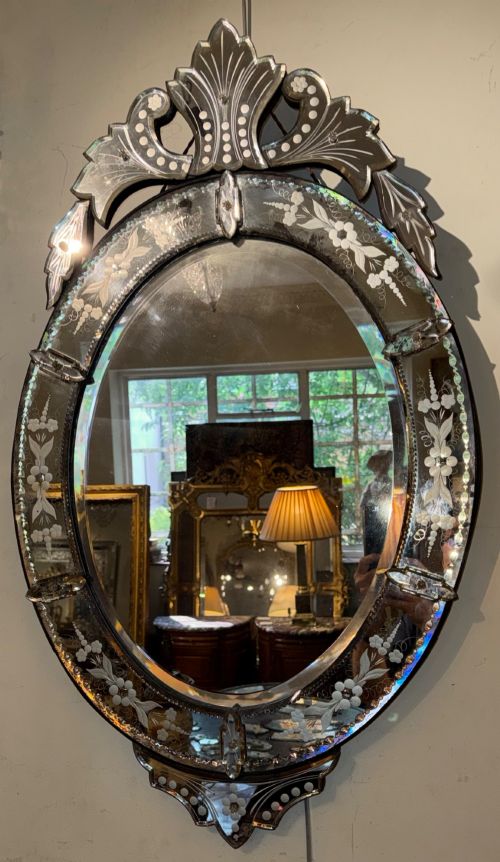
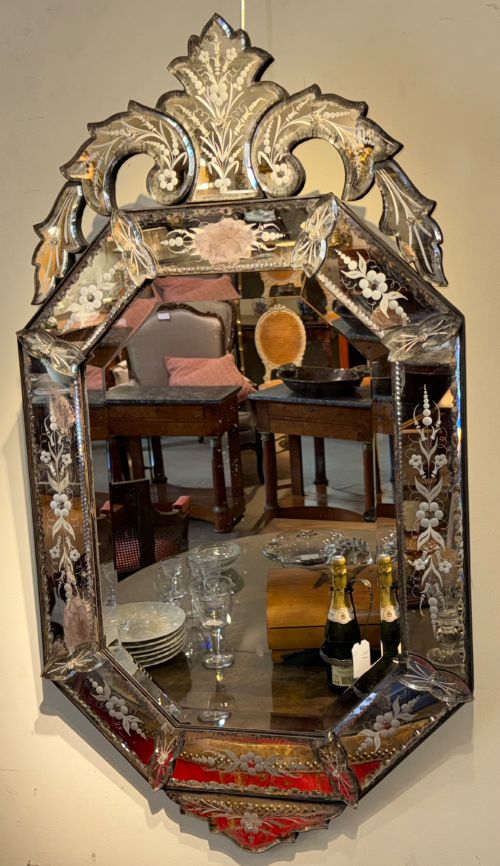
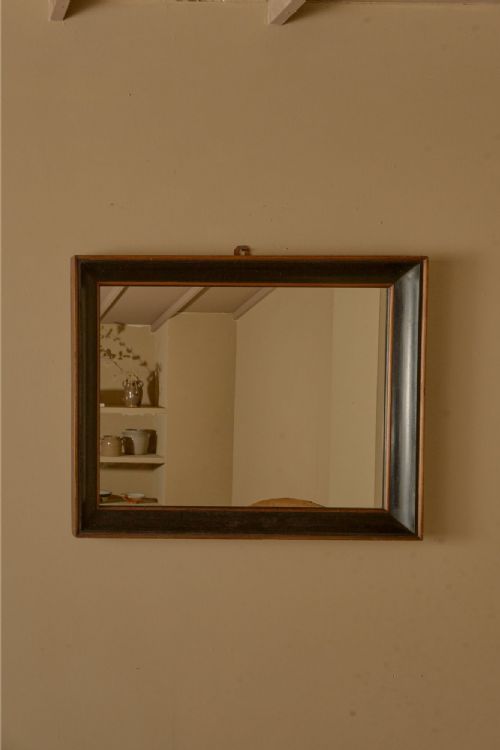
When searching for an italian vanity mirror, buyers encounter a diverse selection ranging from tabletop dressing pieces to elaborate wall-hanging variants. The offerings span multiple eras, including the 18th century, Victorian period, and Edwardian times.
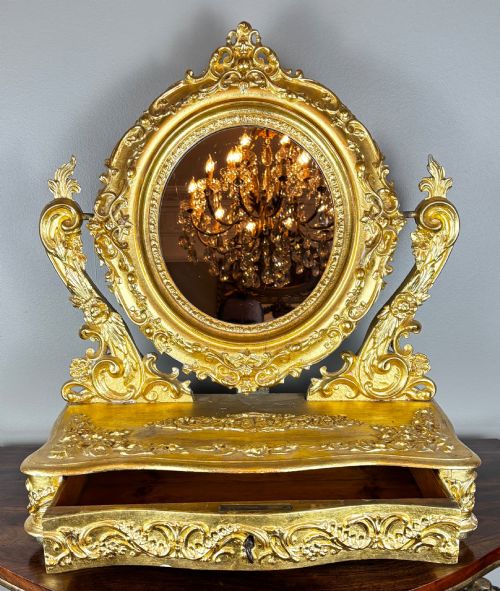
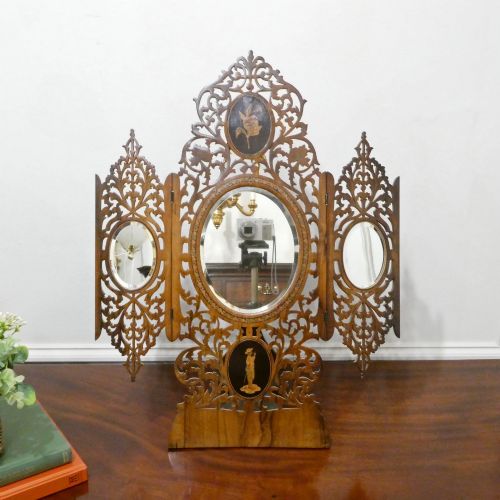
Common forms on this page include dressing table mirrors, folding travel mirrors, and ornate wall mirrors designed for bedrooms and halls. Materials extend from carved walnut and olive wood to gilded gesso and painted finishes.
Regional styles such as Venetian, Florentine, and Sorrento provide distinct aesthetic identities. These pieces reflect historical craftsmanship originating from Italy across various centuries.
Materials and construction methods
The construction of these mirrors relies heavily on traditional woodworking techniques using materials such as walnut, olive wood, and carved wood. Artisans applied gesso and gold leaf to create intricate gilded surfaces on frames.
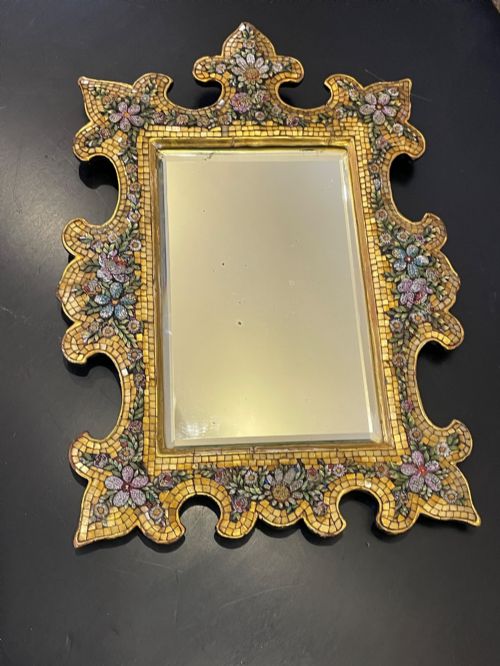
Painted finishes and micro mosaic work appear on specific pieces, demonstrating varied decorative skills. Glass is shaped into mirrors and trays, often housed within frames featuring rococo revival or baroque styling.
Italian Vanity Mirror Retail Price Guide 2026
Typical asking prices for italian vanity mirror among the pieces listed under this phrase on Sellingantiques today, from the lower quarter to the upper quarter. They describe what is for sale here now, not the wider market.
Some antique travellers relied on folding olive wood mirrors from Sorrento to maintain their appearance on the road.
Assessing quality in italian mirrors
Quality in these pieces is determined by the depth and crispness of the carved wood and the application of gold leaf or gesso. Finer examples display meticulous detail in Florentine and Venetian framing styles.
The choice of primary wood, whether solid walnut or inlaid olive wood, influences the structural integrity and aesthetic weight of the mirror. Preservation of original painted surfaces and glass panels also marks the higher end of the range.
The Italian Vanity Mirror Glossary
- Giltwood
- Wood covered with a thin layer of gold leaf or gold paint. This technique provides a luminous metallic finish common on ornate antique frames.
- Gesso
- A plaster-like mixture applied to wood surfaces as a base for painting or gilding. It allows artisans to carve intricate relief details before applying gold leaf.
- Micro Mosaic
- An intricate art form using tiny coloured glass tesserae to create detailed miniature pictures. Pieces featuring this work are often found on specialty antique frames.
- Florentine
- A decorative style originating from Florence, characterised by elaborate carved scrollwork and rich gilding. It frequently defines Italian wall and vanity mirrors from various centuries.
- Venetian
- A style associated with Venice, often featuring engraved glass elements and ornate decorative frames. These pieces showcase distinct regional manufacturing traditions.
Italian Vanity Mirror: Frequently Asked Questions
How do I date an antique mirror?
Dating involves examining the materials, construction methods, and stylistic indicators present in the frame and glass.
Reference points include Victorian, Edwardian, and 18th or 19th-century stylistic traits such as rococo revival or baroque ornamentation.
Where were these mirrors made?
These pieces originate from various regions and workshops across Italy, including specific centres like Venice, Florence, and Sorrento.
Each region developed distinct specialisations, such as inlaid olive wood in Sorrento or elaborate carved giltwood in Florence.
How do I care for a giltwood frame?
Giltwood frames require gentle maintenance to preserve the delicate gold leaf and gesso layers applied by original artisans.
Dusting with a soft, dry cloth prevents accumulation without introducing moisture that could damage historic surfaces.