




Italian Seascape Art
Italian seascape art brings the light and harbours of the Mediterranean straight into a room through oil and watercolour.
Italian Seascape Art
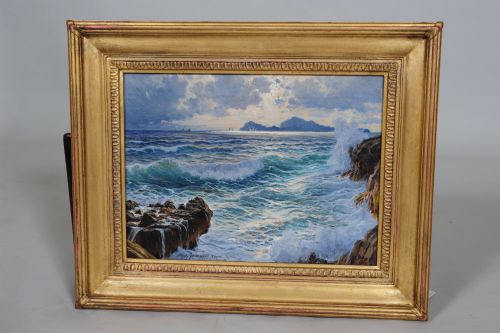
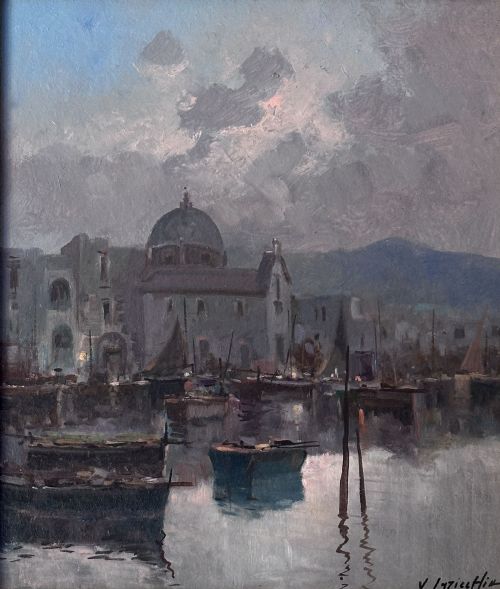
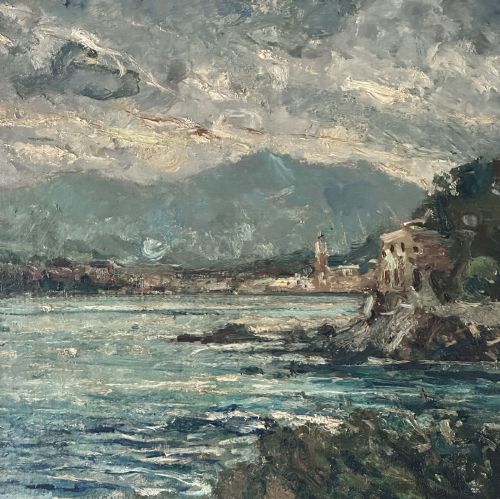
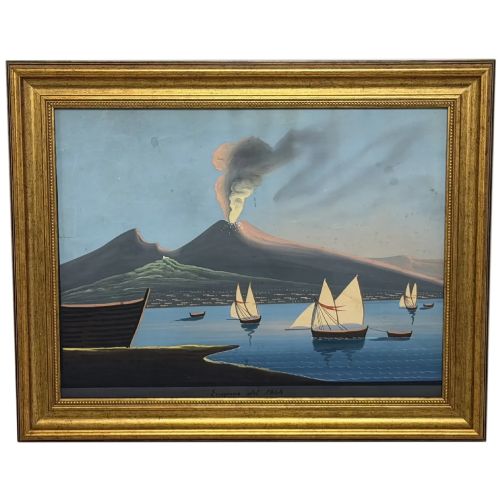
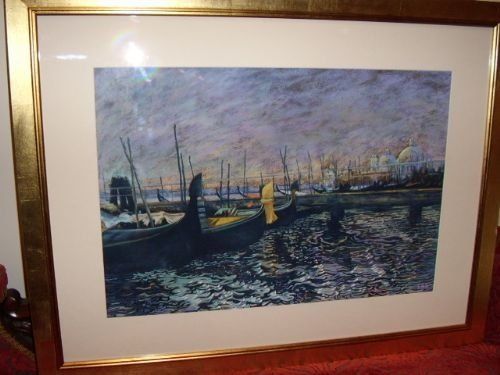
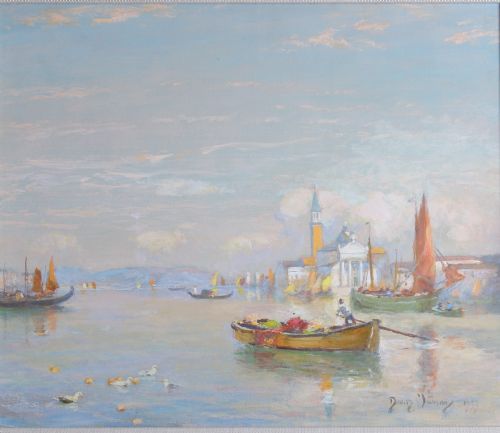
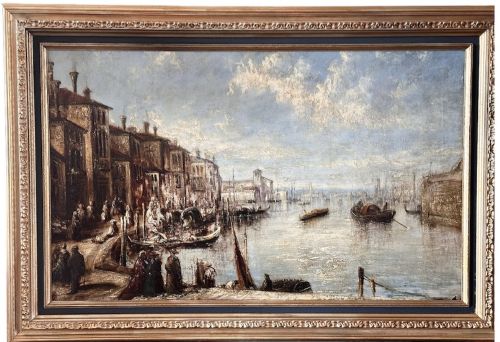
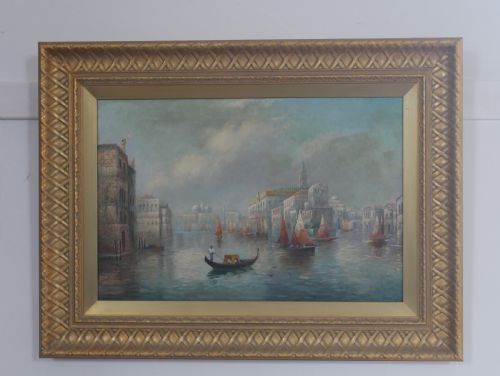
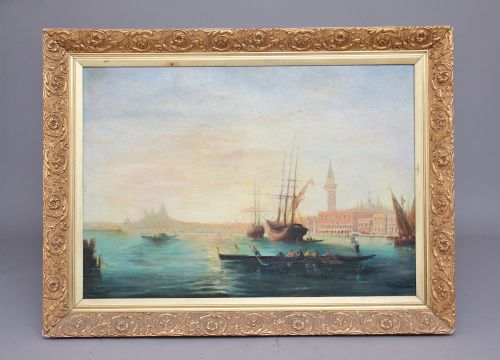
Italian seascape art captures coastal views, bustling ports, and tranquil lagoons across various periods, predominantly featuring Venetian canals, Capri, and the Bay of Naples. Buyers examine works ranging from intimate watercolours to large oil paintings depicting scenes from Vesuvius eruptions to quiet fishing harbours.
The pieces appearing here include 19th-century works by named British and continental painters alongside mid-century compositions. Traditional European and Impressionist approaches shape how these coastal and marine views present themselves on canvas and paper.
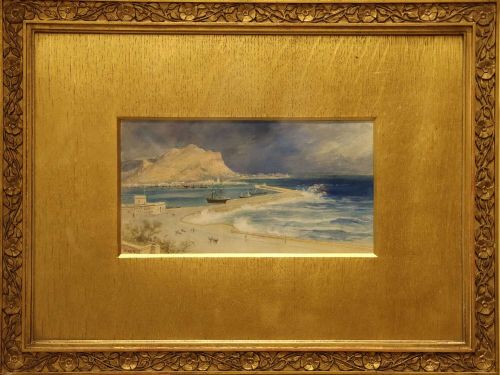
Subjects stretch from the Grand Canal and the Ducal Palace to Palermo and Sorrento. These paintings and watercolours document maritime life, architecture, and coastal topography through the eyes of artists drawn to the southern light.
Materials and Technique
Artists relied primarily on oil paint applied to canvas or wood panels, whilst others utilised watercolour, pastel, and gouache on paper. These mediums allowed painters to capture the atmospheric shifts of sea and sky across different coastal locations.
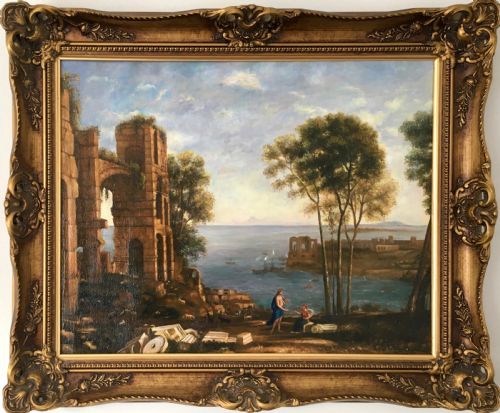
Heavier compositions often sit within giltwood or gilded wood frames enhanced by gold leaf detailing. Canvas works span standard stretches as well as miniature formats painted directly onto wood panels.
Italian Seascape Art Retail Price Guide 2026
Typical asking prices for italian seascape art among the pieces listed under this phrase on Sellingantiques today, from the lower quarter to the upper quarter. They describe what is for sale here now, not the wider market.
The listings span the nineteenth and twentieth centuries, featuring oil on canvas, gouache, and watercolour.
Assessing Quality and Execution
Quality rests in the handling of light and atmospheric depth, distinguishing works with vibrant tonal contrast from flatter topographical records. The surety of brushwork in capturing water movement and architectural detail marks the better examples.
The integration of original framing materials, such as period giltwood, adds context and physical preservation to the artwork. Provenance linked to recorded painters or distinct schools elevates the standing of an individual piece.
Michele Federico·Sir David Murray·Francis Moltino·Alfred Pollentine·Arthur Joseph Meadows
The Italian Seascape Art Glossary
- Capriccio
- An architectural fantasy placing together buildings, ruins and other architectural elements in a fictional poetic composition. Such works often mix real Italian landmarks with imagined settings.
- Gouache
- An opaque water-based paint that dries to a matte finish, frequently combined with watercolour or pastel on paper. It provides stronger highlights and denser colour coverage than standard watercolour.
- School of Posillipo
- A 19th-century grouping of artists focused on landscape and marine painting around Naples, working directly from nature. They emphasised atmospheric light and coastal topographical accuracy.
- Giltwood
- Wood carved and prepared with a thin layer of gold leaf or gold paint, commonly used for traditional picture frames. It complements the warm palettes found in many southern European paintings.
Italian Seascape Art: Frequently Asked Questions
What subjects appear most frequently in Italian seascape art?
Venetian canals, the Grand Canal, and the lagoon dominate many compositions, alongside views of Capri and the Bay of Naples.
Other coastal towns such as Sorrento, Palermo, and Livorno also feature regularly in both oils and watercolours.
How do I care for antique oil paintings on canvas?
Keep paintings away from direct sunlight and dramatic shifts in room temperature to protect the canvas and paint layers.
Dust the surface gently with a soft, dry brush and avoid using liquid cleaners on either the canvas or the frame.
How can I tell a watercolour from a gouache painting?
Watercolour relies on transparent washes of pigment where the white of the paper shows through to create light.
Gouache includes an added white pigment that makes the paint opaque, allowing for solid blocks of colour and distinct highlights.
Where should I hang a coastal painting at home?
Choose a wall with stable ambient light, away from moisture sources like kitchens or bathrooms, to preserve the pigments.
Pairing the piece with neutral wall colours helps the Mediterranean light and giltwood frames stand out effectively.