




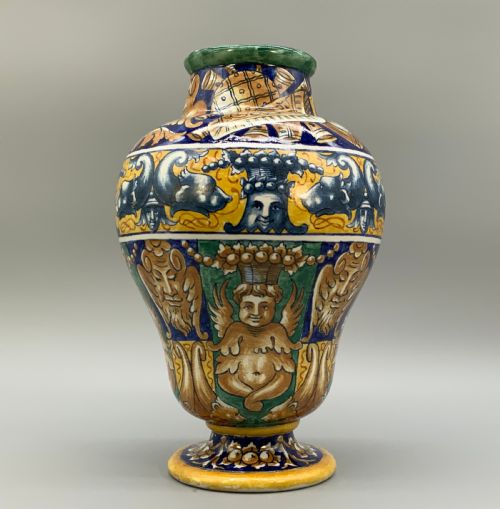
Italian Renaissance Style
Exploring italian renaissance style brings you to walnut furniture, oil paintings and maiolica ceramics that echo fifteenth and sixteenth century ideals.
Italian Renaissance Style
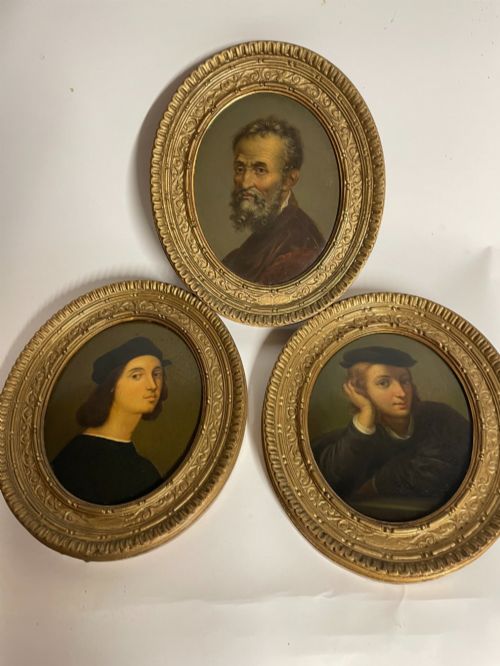
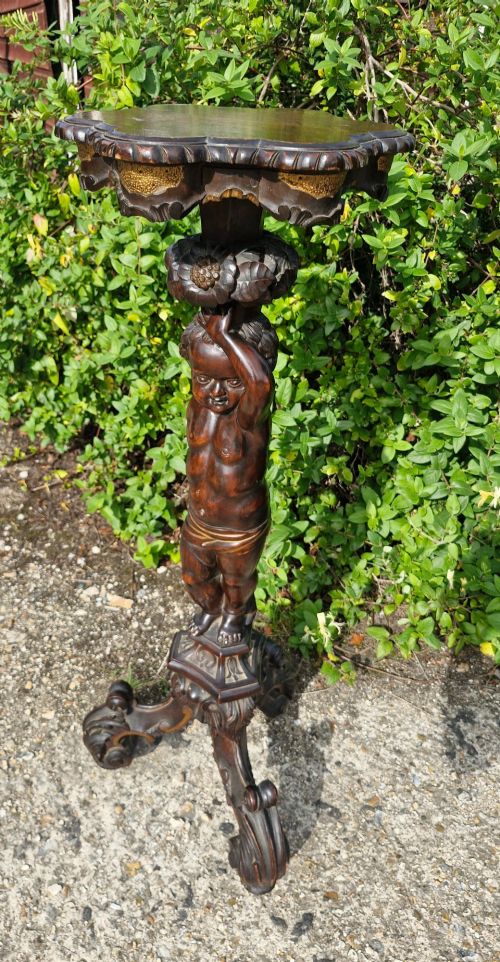
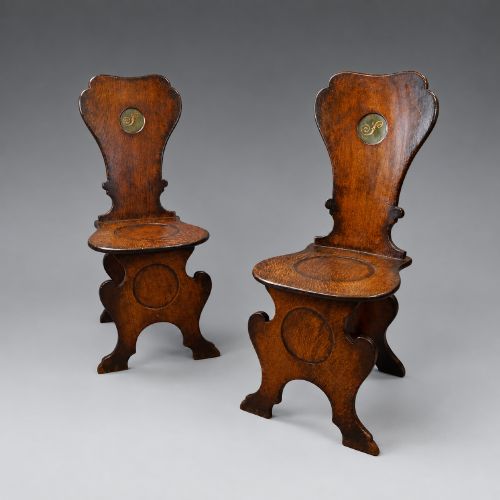
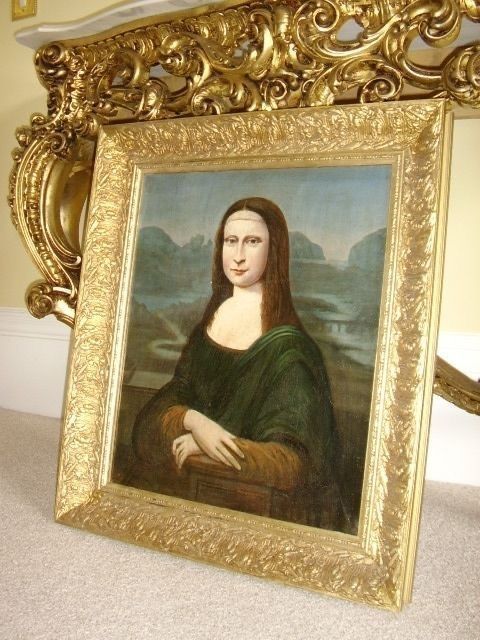
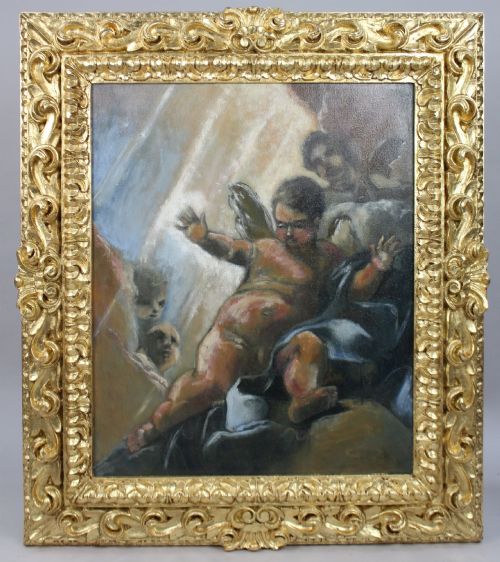
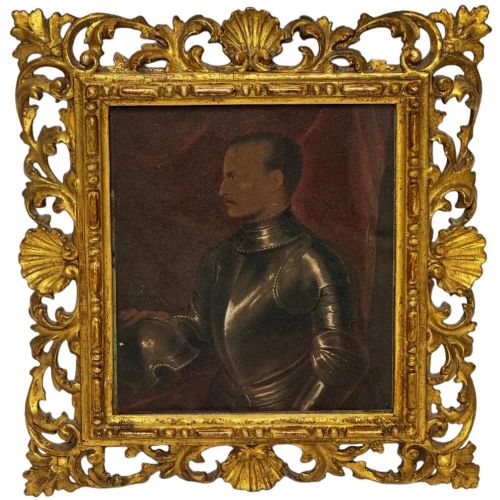
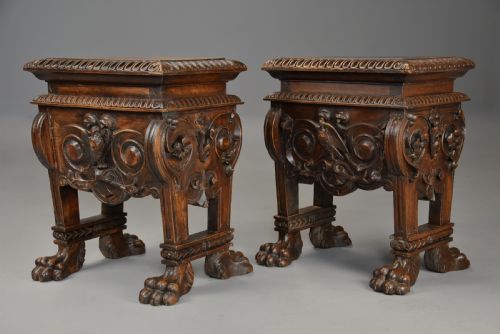
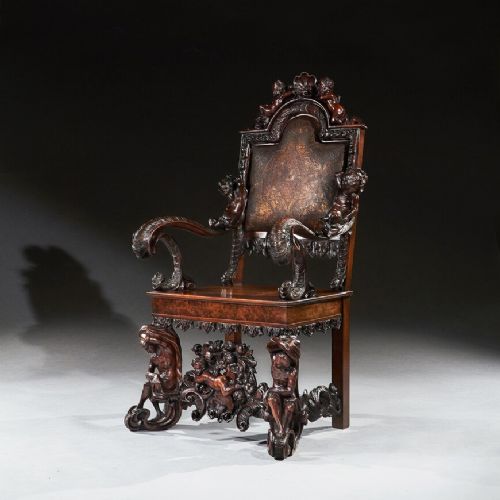
Italian renaissance style items span nineteenth century revivals, grand tour souvenirs, and period works inspired by classical forms. When you search for italian renaissance style, you encounter carved walnut furniture like sgabello hall chairs and X framed stools alongside oil portraits and polychrome maiolica vases.
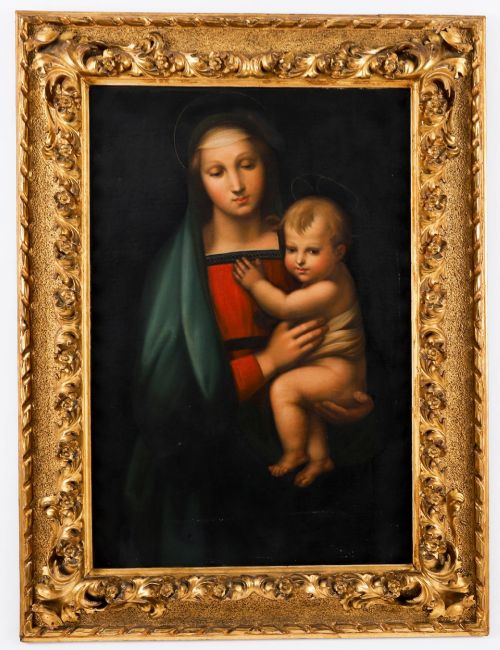
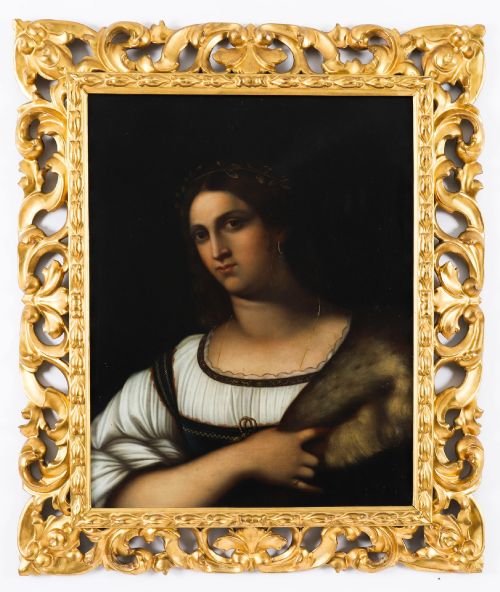
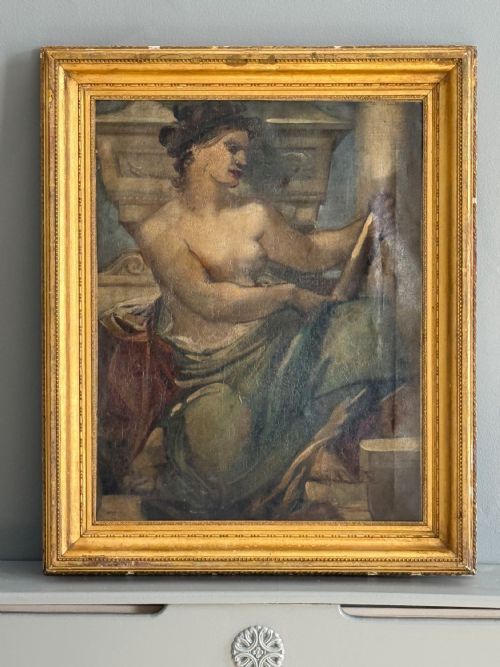
The pieces on this page lean heavily towards nineteenth century revivals of sixteenth century aesthetics, alongside eighteenth century canvases and occasional earlier works. You will find seating, tables, religious paintings after old masters, and decorative ceramics reflecting the workshops of Florence, Urbino, and Venice.
How they were made
Makers shaped these objects using dense timbers like walnut and rosewood, often enriching surfaces with intricate carving, figural medallions, or bone and ivory inlay. Giltwood frames and gold leaf gesso appear frequently, lending brilliance to oil on canvas paintings.
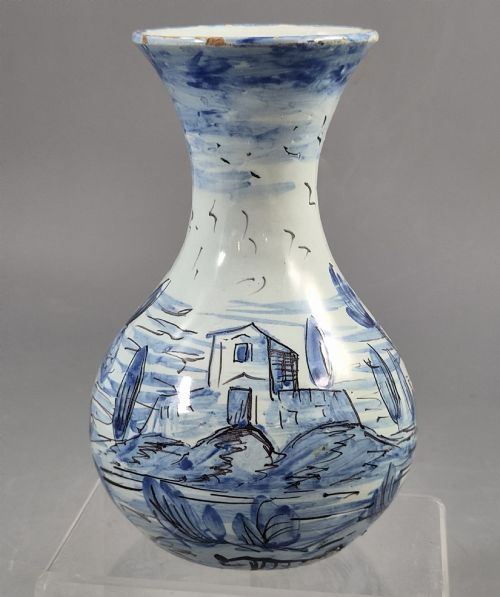
Ceramics such as maiolica chargers and cabinet vases utilise tin glazes painted with polychrome historical or classical scenes in the manner of traditional Italian pottery schools.
Italian Renaissance Style Retail Price Guide 2026
Typical asking prices for italian renaissance style among the pieces listed under this phrase on Sellingantiques today, from the lower quarter to the upper quarter. They describe what is for sale here now, not the wider market.
Listings feature walnut, giltwood, and ceramic materials spanning centuries of revival craftsmanship.
What varies in quality
Quality rests in the depth of hand carving and the precision of proportion across structural walnut furniture and gilt frames. Exhibition pieces display crisply rendered figural medallions and sculptural details that lesser production pieces omit.
In paintings and ceramics, the fineness of brushwork and the fidelity of the draughtsmanship separate standard decorative items from works executed by skilled revival ateliers.
Cantagalli·Valentino Besarel·Icilio Federico Joni·White Allom And Co
The Italian Renaissance Style Glossary
- Sgabello
- A light wooden chair with a narrow back and solid board legs, typical of sixteenth century Italian halls.
- Maiolica
- Tin glazed Italian earthenware decorated with colourful pigments, often featuring narrative historical scenes.
- Cassetta frame
- A flat, architectural wooden picture frame shaped like a box, frequently carved and gilded during the renaissance period.
- Savonarola chair
- A folding armchair constructed from multiple curved wooden slats intersecting to form an X shape.
- Istoriato
- A style of pottery decoration where narrative scenes cover the entire surface of the ceramic piece.
Italian Renaissance Style: Frequently Asked Questions
What is a sgabello chair?
A sgabello is a wooden hall chair featuring a distinct octagonal or panelled base with a narrow backrest.
These chairs were designed to stand against palazzo walls rather than provide lounging comfort.
How do I identify maiolica?
Maiolica is tin glazed pottery distinguished by opaque white surfaces painted with bright mineral colours.
Italian pieces often depict mythological subjects, portraits, or historical narratives across chargers and vases.
What defines walnut furniture?
Walnut furniture utilises a heavy, durable hardwood that accepts deep, crisp hand carving without splintering.
Craftsmen favoured this timber for structural seating, tables, and decorative coffers throughout Italy.
What was the grand tour?
The grand tour was a traditional journey through Europe undertaken by wealthy travellers to study classical art.
Souvenirs brought home included bronzes, marble busts, and paintings inspired by the Italian renaissance.