




Italian Renaissance Portrait
An italian renaissance portrait brings the gravitas and rich colour palette of sixteenth-century workshops into a room.
Italian Renaissance Portrait
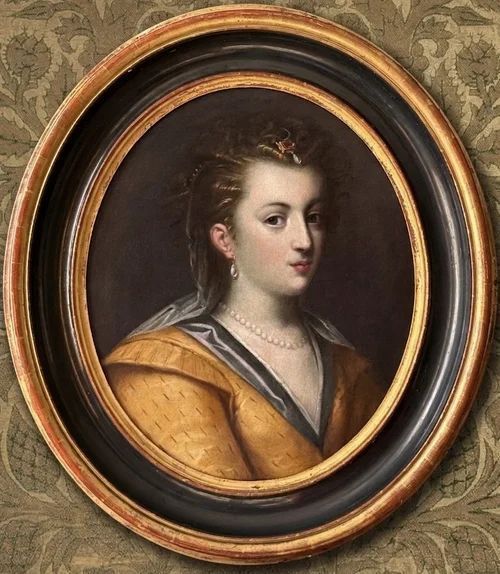
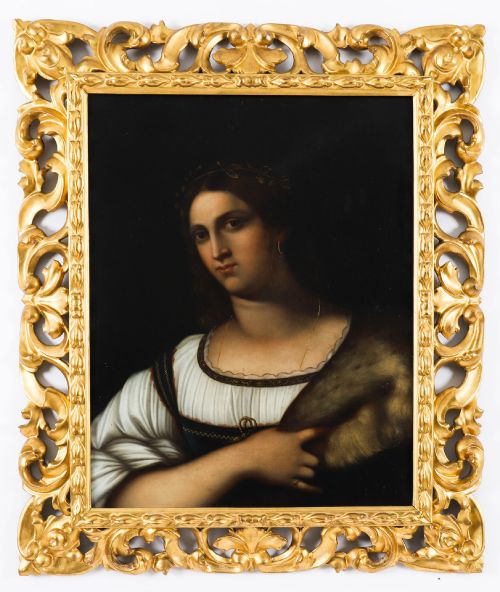
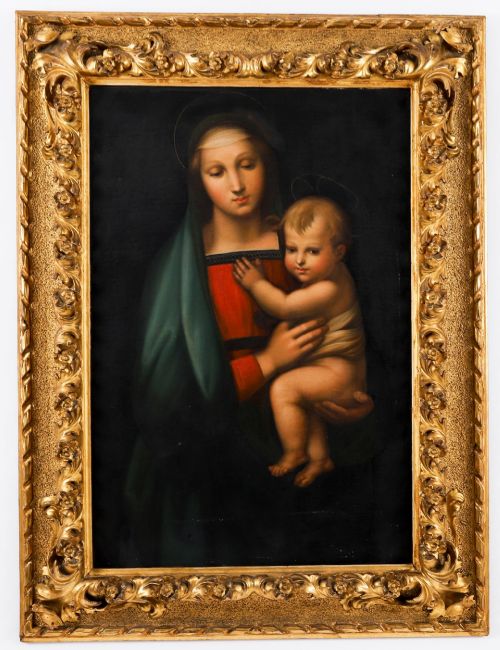
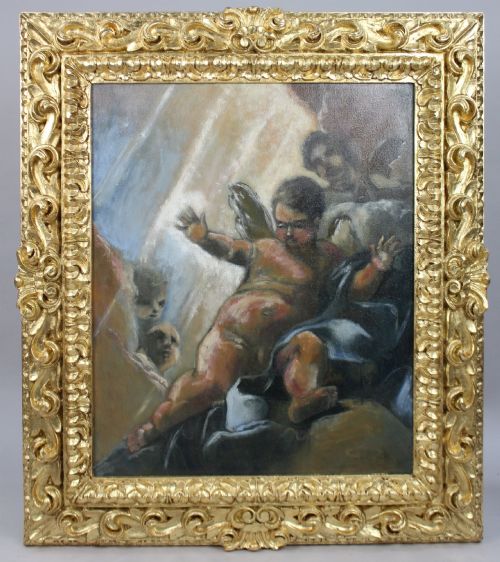
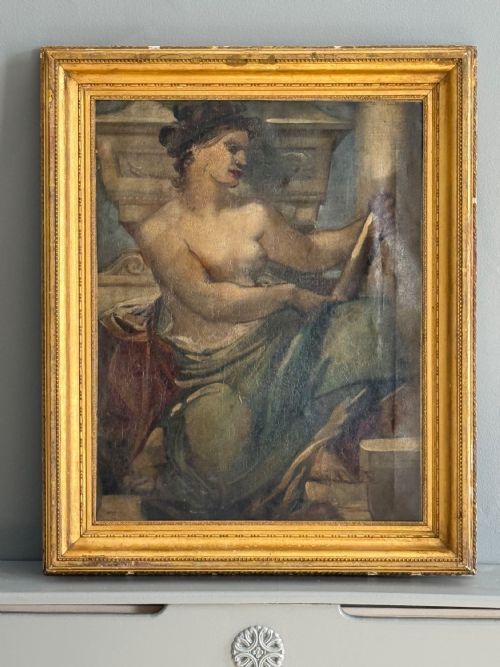
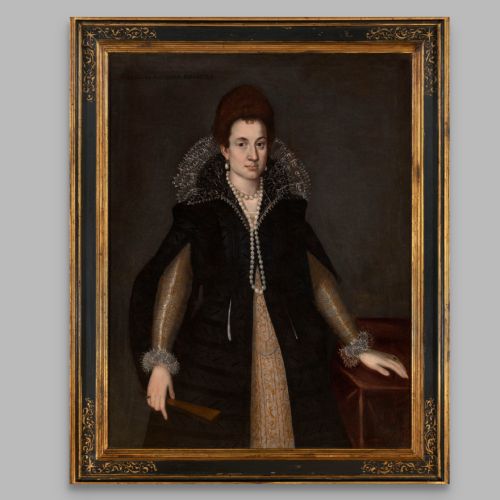
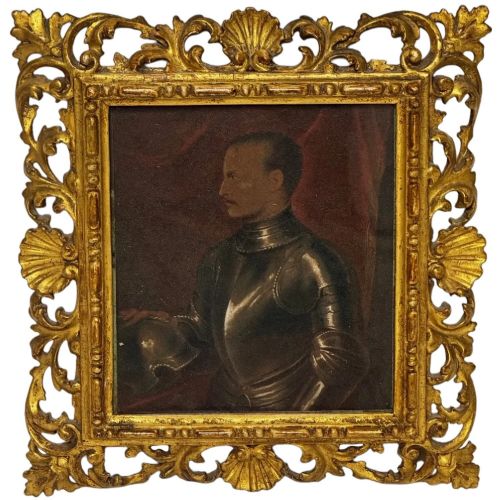
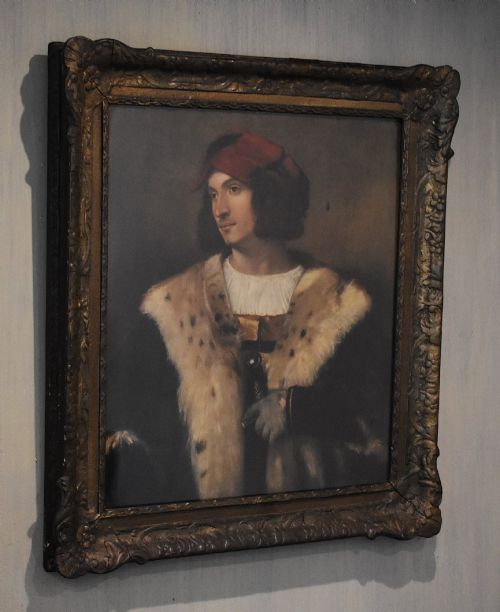
An italian renaissance portrait captures the likeness and status of nobility, scholars, and religious figures through precise oil paint on canvas or wood panels. Buyers encounter original sixteenth-century works alongside later nineteenth-century revivals, Grand Tour souvenirs, and detailed painted copies after masters like Raphael and Titian.
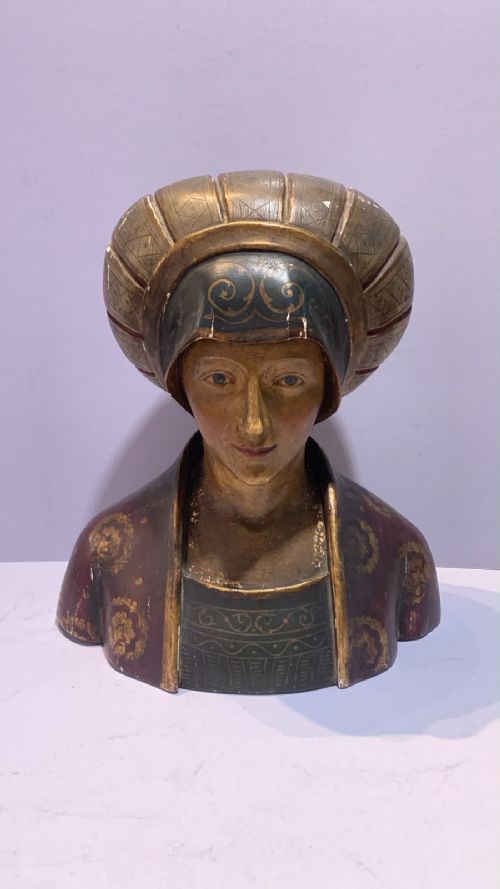
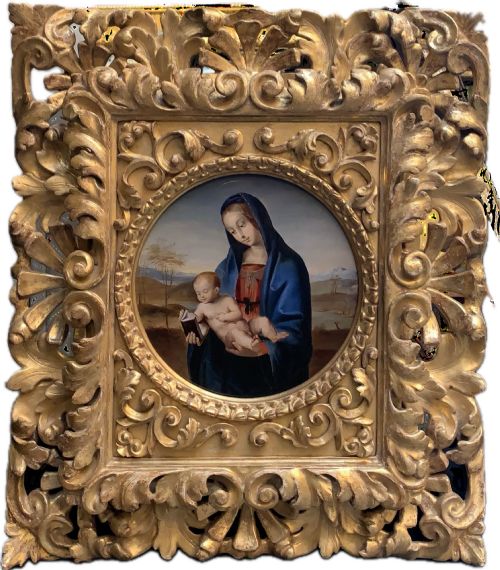
The selection ranges from intimate depictions of noblewomen and noblemen in armour to devotional panels of the Madonna and child. Alongside paintings, the category includes carved marble relief sculptures, majolica vessels, and giltwood frames designed to house these historic likenesses.
Materials and Techniques
Artists built these works using oil paint applied to stretched canvas or prepared wood panels, often employing rich pigments that maintained their depth over centuries. Gesso and gold leaf featured heavily in the construction of decorative cassetta frames and altarpieces, adding reflective warmth to the compositions.
Later nineteenth-century revivals and copies utilised similar oil techniques, while sculptural interpretations relied on carved marble, bisque porcelain, and hand-painted majolica pottery. Carved giltwood and lime-washed beech formed the structural housings for both period originals and later decorative plates.
A Renaissance poet looks out from a porcelain tondo just as intently as a Milanese nobleman stares from his canvas armour.
Judging Quality
Quality rests in the handling of light, shadow, and anatomical precision, distinguishing a master hand or a skilled nineteenth-century copyist from a basic decorative studio piece. The depth of the oil layers and the subtlety of expression in the subject's face reveal the artisan's adherence to classical sixteenth-century proportions.
The integrity of the physical support, whether an aged wood panel or an original canvas, dictates the piece's endurance. Furthermore, the quality and period authenticity of the accompanying carved giltwood frame or gesso ornamentation significantly elevate the overall standing of the artwork.
Pietro Fachetti·Gian Paolo Pace·Bernardino Luini·Benvenuto Tisi·Scipione Pulzone·Giovanni Battista Moroni·Rosso Fiorentino·Girolamo Dai Libri·Antonio Rossellino·Pietro Perugino
The Italian Renaissance Portrait Glossary
- Cassetta frame
- A flat, box-like wooden frame style popular during the Renaissance, frequently decorated with gilding or painted details. These frames often feature prominent inner and outer mouldings.
- Gesso
- A plaster-like preparation mixture used as a smooth base for painting on wood or for creating moulded reliefs before gilding. It provides a stable surface for gold leaf application.
- Majolica
- Tin-glazed Italian earthenware decorated with opaque colours, often depicting historical portraits or narrative scenes. This pottery technique flourished across Italy during the Renaissance.
- Grand Tour
- A cultural trip through Europe undertaken by wealthy young men in the eighteenth and nineteenth centuries to study classical art. Travellers frequently returned with paintings, busts, and prints.
- Tondo
- A circular work of art, either a painting or a sculpture, originating from the Italian Renaissance. The format places distinct compositional demands on the artist.
Italian Renaissance Portrait: Frequently Asked Questions
How do I date an italian renaissance portrait?
Dating relies on examining the physical support, such as the age of the wood panel or canvas weave, alongside pigment analysis and stylistic cues. Eighteenth and nineteenth-century revivals often display different preparation layers and stretcher construction compared to sixteenth-century originals.
Examining the frame can also provide clues, as many period paintings retain contemporary cassetta frames or later nineteenth-century interpretations that match the era of the copyist.
Are these paintings original sixteenth-century works?
The selection includes both genuine sixteenth-century pieces and high-quality later interpretations from the nineteenth and twentieth centuries. Many works are period tributes or studio copies painted after masters like Raphael and Titian during the Grand Tour era.
Each listing specifies the attributed period, allowing collectors to distinguish between contemporary sixteenth-century school pieces and later nineteenth-century revival art.
Where should I hang a framed oil painting?
These works require stable environments away from direct sunlight, high humidity, and rapid temperature fluctuations to protect the oil paint and wood panels. Wall placement should avoid exterior walls prone to dampness or areas above active heat sources.
Proper hanging ensures the gilded wood or gesso frame bears the weight securely while positioning the portrait at eye level for optimal viewing.
What is the difference between a school piece and an original?
A piece attributed to a school or follower indicates an artist working within the stylistic circle or workshop tradition of a master rather than the master himself. These works reflect the techniques and compositions taught in specific Italian regions during the period.
Such paintings still hold historical and artistic significance, representing the broader cultural output of Italian Renaissance workshops and subsequent revival movements.