





Italian Renaissance Artwork
Italian renaissance artwork brings the solemn grandeur of sixteenth-century masters and later revivals into domestic rooms through oil paintings, prints, and carved frames.
Italian Renaissance Artwork
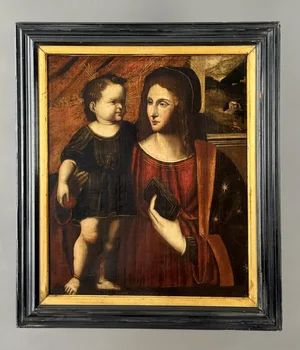
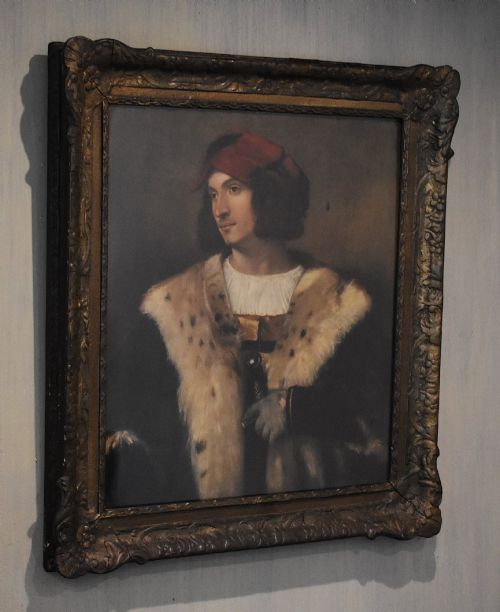
Italian renaissance artwork centres on religious iconography, portraits of noble figures, and classical compositions produced during the sixteenth century alongside later revival interpretations. Buyers exploring this category encounter oil paintings on canvas, engravings, chromolithographs, and framed wall art reflecting schools from Rome, Venice, and Emilia.
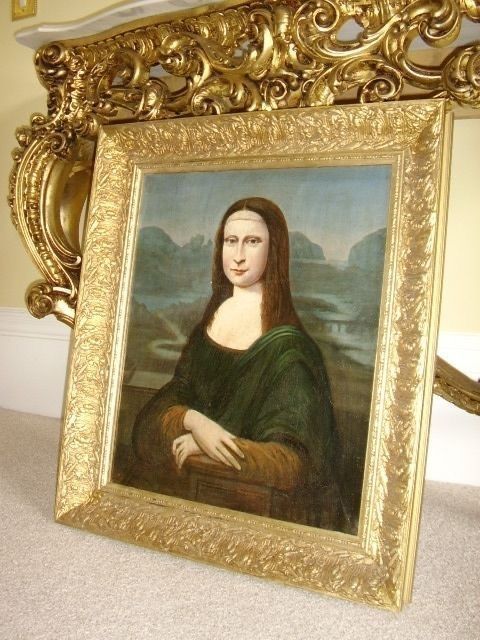
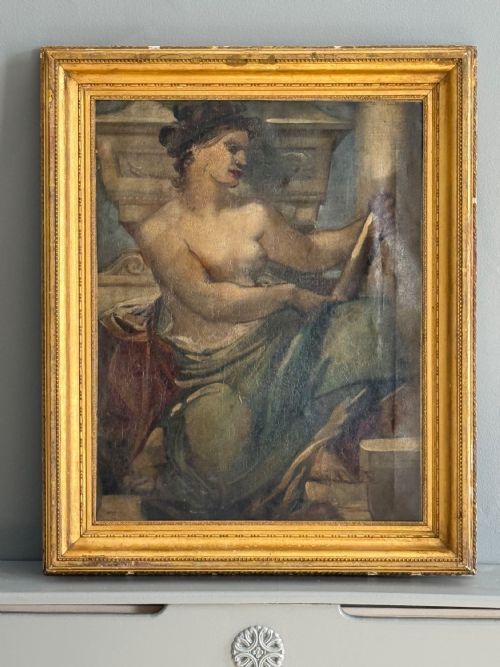
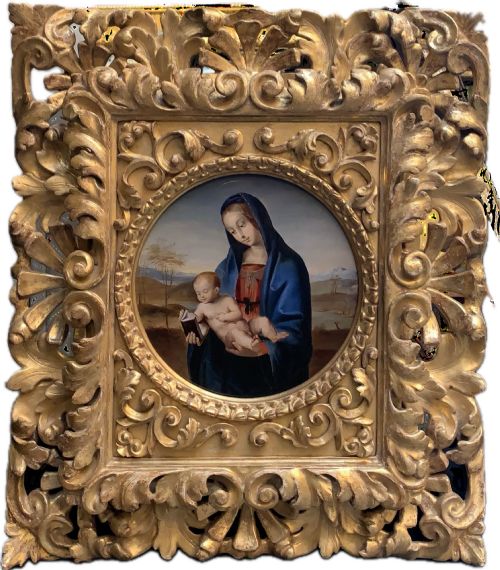
The works available range from period pieces dating back to the sixteen-hundreds to later nineteenth-century copies after Raphael, Titian, and Leonardo da Vinci. Framed elements such as carved giltwood and gold leaf settings frequently accompany these canvases and prints, completing the historical presentation.
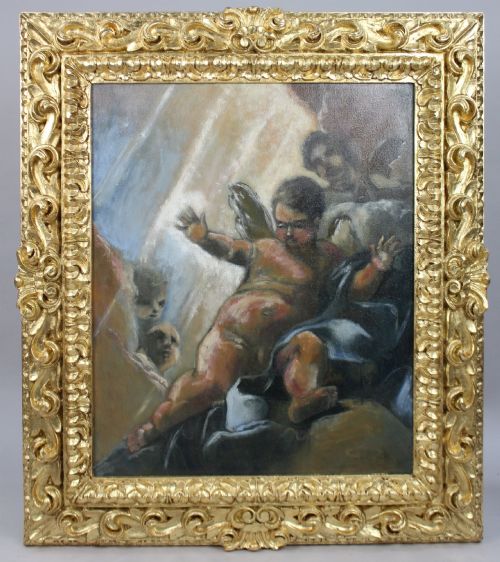
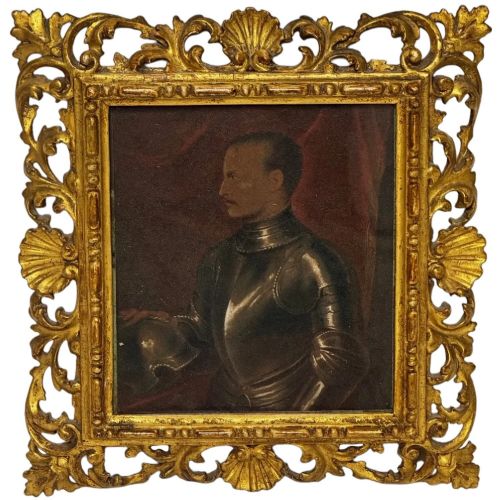
Most examples function as wall art and oil paintings depicting holy families, madonnas, and historical figures. These items serve collectors seeking the aesthetic of the Italian Renaissance and its subsequent revival periods.
Materials and construction methods
Makers utilised oil on canvas and wood panels as the primary base for painted compositions, applying pigments to capture rich tones and subtle light. Paper was also employed for prints, engravings, and chromolithographs produced in subsequent centuries.
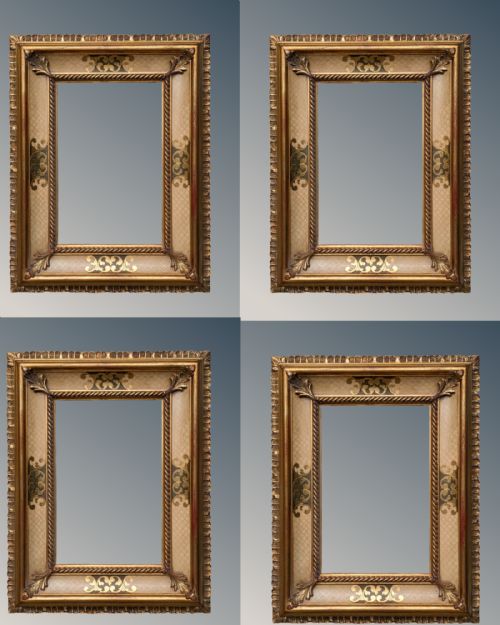
Frames rely on wood, gilded wood, and gold leaf applied to carved mouldings to house the artwork. These materials combine to provide the structural support and decorative borders characteristic of period presentations.
Listings feature works spanning the sixteenth century to the nineteen-sixties, utilising oil on canvas, paper, and gilded wood.
Elements of quality
Quality in these works rests upon the fidelity of the brushwork and the depth achieved in oil portraits and religious scenes. Skilled handling of canvas preparation and pigment layering distinguishes finer period interpretations from standard decorative copies.
The construction of the accompanying frame contributes significantly to the piece, where hand-carved giltwood and genuine gold leaf indicate superior craftsmanship. The preservation of the canvas and the clarity of the underlying school style also determine the standing of each item.
Leonardo Da Vinci·Gian Paolo Pace·Bernardino Luini·Paolo Veronese·Benvenuto Tisi·Raffaello Sanzio Da Urbino·Antonio Allegri·Scipione Pulzone·Giovanni Battista Moroni·Rosso Fiorentino·Girolamo Dai Libri·Andrea Mantegna
The Italian Renaissance Artwork Glossary
- Oil on canvas
- A painting medium where pigments bound in a drying oil are applied to stretched fabric. This technique allowed artists to achieve rich colour transitions and lasting durability.
- Giltwood
- Wood that has been coated with gold leaf or gold paint for decorative effect. It appears frequently on frames housing classical and revival art.
- Chromolithography
- A planographic colour printing technique used to produce multi-coloured images. This method brought reproductions of master works into domestic settings during the nineteenth and early twentieth centuries.
- Old Master
- A term for a European artist of high skill working before about eighteen hundred. Works associated with this category often follow established workshop traditions.
- Engraving
- A printmaking process where a design is cut into a metal plate with a burin. The inked incisions transfer onto paper under pressure.
Italian Renaissance Artwork: Frequently Asked Questions
What periods do these artworks cover?
The selections span from the sixteenth century through to later revivals in the nineteenth and twentieth centuries. Original period pieces sit alongside nineteenth-century and twentieth-century interpretations.
This mix reflects both primary creation eras and subsequent centuries of appreciation for classical Italian composition and religious subject matter.
How were these paintings and prints displayed?
Works were traditionally housed within ornate carved wood and giltwood frames designed to complement the religious or portrait subject. These frames enhanced the visual weight of the canvas on domestic walls.
Many pieces retain these period or revival frames, which form an integral part of the overall presentation.
Are these pieces original sixteenth-century works?
While some items originate from the sixteenth century, many listings feature later revivals, copies after master painters, and nineteenth-century prints. Schools and followers of major artists produced work across multiple centuries.
Examining the listed period and style details clarifies whether a piece is a primary period example or a later revival.
What subjects dominate Italian renaissance artwork?
Religious themes involving madonnas, holy families, and biblical scenes appear frequently across the paintings and prints. Portraits of nobles and figures from Venetian or Roman history are also common.
These subjects mirror the focal points of the original Italian schools and their subsequent nineteenth-century revivalists.