


Italian Neoclassical Urns
Italian neoclassical urns bring classical antiquity home through carved marble, bronze and alabaster vessels fashioned for collectors.
Italian Neoclassical Urns
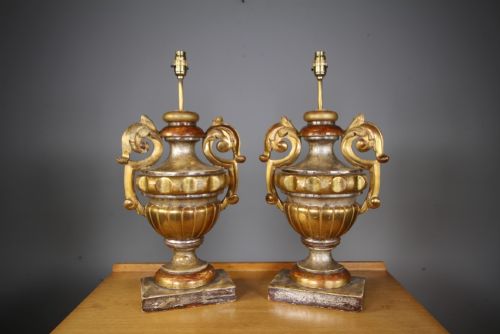
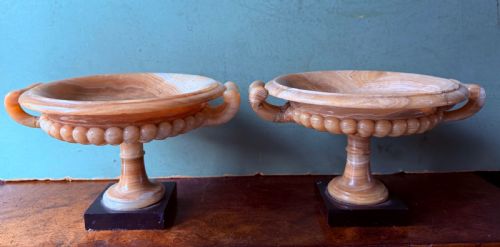
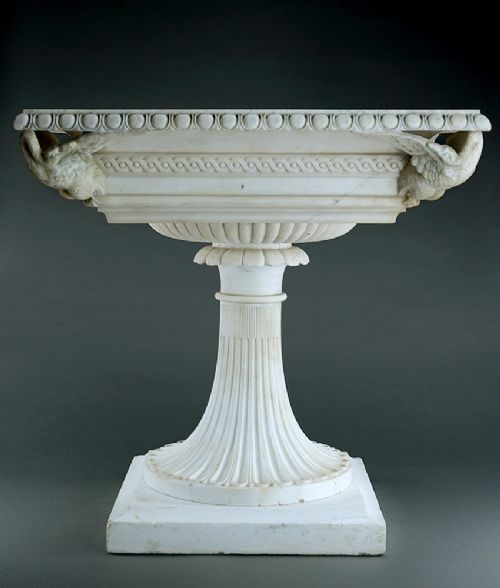
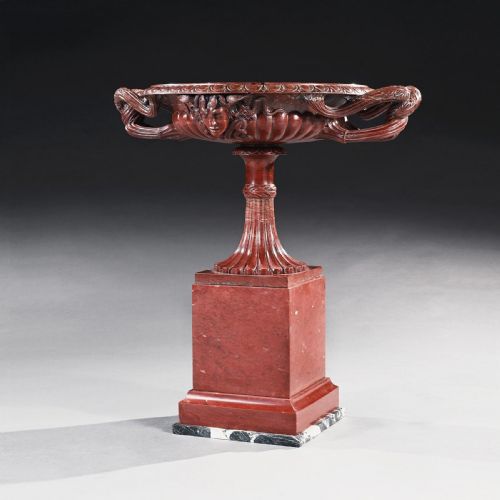
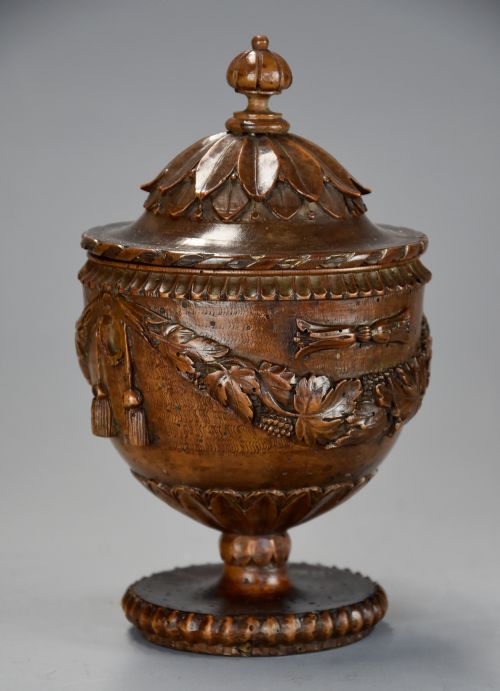
When you examine italian neoclassical urns, you encounter decorative vessels, table lamps, tazzas and pedestal bowls that echo ancient Roman and Greek forms. These pieces frequently emerge from the Grand Tour tradition, created as souvenirs or decorative objects for travellers.
The selections span the eighteenth century, the nineteenth century and into the twentieth century, encompassing both substantial architectural ornaments and smaller cabinet pieces. Materials range from solid bronze to various marbles and alabaster.
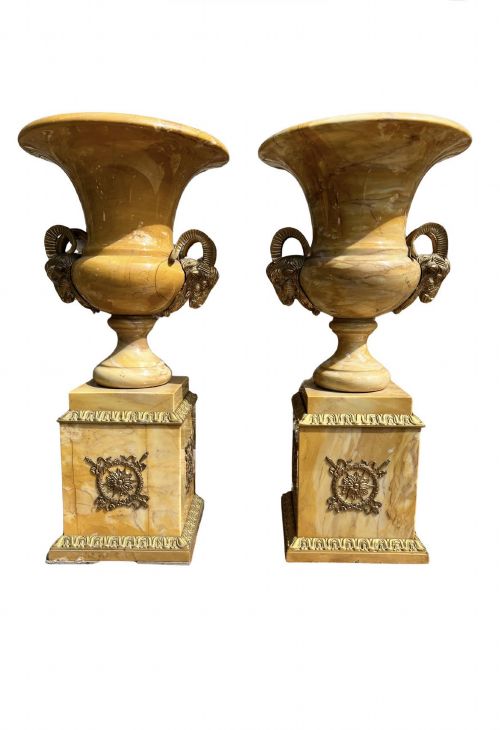
Most examples adopt classical silhouettes such as the campana shape, supported by marble block bases or mounted with classical masks and brass details.
Materials and Construction
Makers shaped these objects from dense stones including alabaster, Sienna marble, rosso antico, serpentine and Carrara marble, often pairing them with cast bronze or brass mounts. Stonework relied on careful turning on a lathe and precise hand carving.
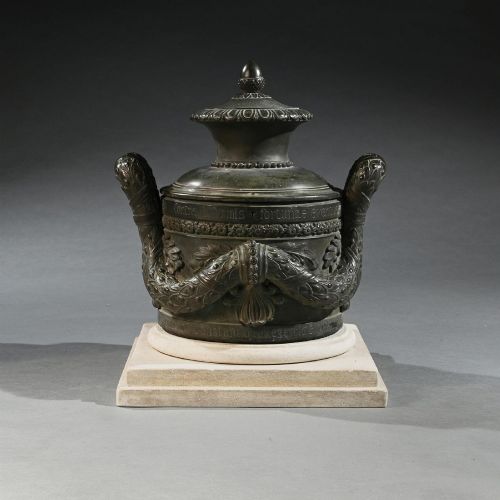
Bronze and brass components utilised traditional casting methods, sometimes incorporating applied patination, gold leaf or Latin inscriptions. Bases frequently combined contrasting materials, such as black marble blocks supporting lighter alabaster or bronze vessels.
Listings feature pieces spanning the eighteenth century to the twentieth century, constructed from bronze, marble, alabaster and brass.
Assessing Quality and Execution
Quality rests in the crispness of the carving, the figuration within the marble, and the weight and finish of the bronze castings. Superior alabaster and marble show deep, natural figuring and precise turning without mechanical stiffness.
Finer examples retain original patination on the metal mounts and display careful assembly between stone bodies and cast bases. Details like classical masks, handles and inscriptions reveal the hand of a skilled artisan rather than a hurried tourist production.
Benedetto Boschetti
The Italian Neoclassical Urns Glossary
- Grand Tour
- A traditional trip through Europe undertaken by upper-class Europeans to study classical art and architecture.
- Tazza
- A shallow bowl or cup mounted on a stem and foot, often used for display in classical contexts.
- Campana Urn
- A bell-shaped vessel with a flaring rim, inspired by ancient pottery and metalwork.
- Alabastro Egiziano
- A highly figured variety of alabaster prized for its rich internal patterning and translucency.
- Rosso Antico
- A deep red antique marble utilised by Roman sculptors and later revived by Italian workshops.
Italian Neoclassical Urns: Frequently Asked Questions
How were they used historically?
Travellers bought these pieces as souvenirs of their travels through Italy to display in libraries, hallways and drawing rooms. They symbolized education and cultural refinement.
Some smaller tazzas functioned as decorative table pieces, while larger bronze and marble versions acted as focal points in grand interiors.
How do I date these pieces?
Dating relies on material analysis, manufacturing marks and the style of the bronze casting or stone turning. Eighteenth-century examples tend to show hand-finished tooling, whereas nineteenth-century Grand Tour items often reflect standardised souvenir production.
Changes in marble types and the evolution of lamp fittings help separate later nineteenth-century adaptations from twentieth-century pieces.
How do I care for marble and bronze?
Dust marble and alabaster gently with a dry, soft cloth, avoiding water or chemical cleaners that can etch the polished stone. Bronze and brass require only occasional dusting to preserve their natural patination.
Keep these objects away from direct sunlight and damp environments to protect the integrity of the stone and metal.