


Italian Neoclassical Table
An italian neoclassical table brings architectural symmetry and refined proportion into a room through carved timber, giltwood, and marble.
Italian Neoclassical Table
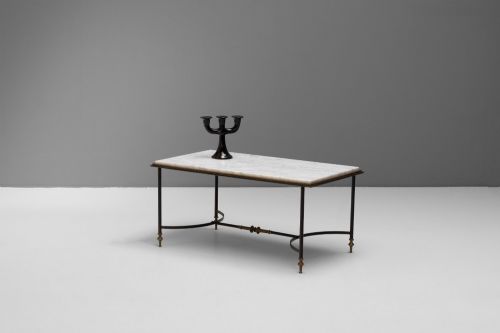
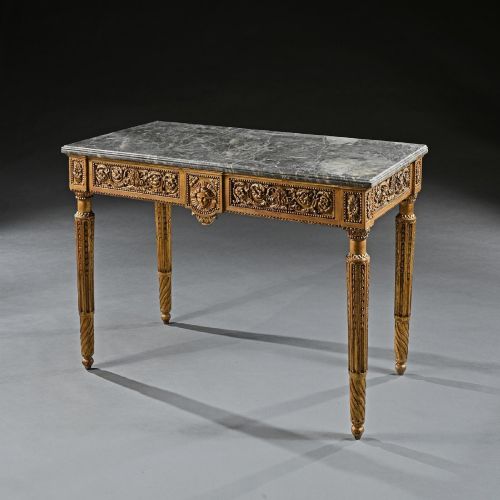
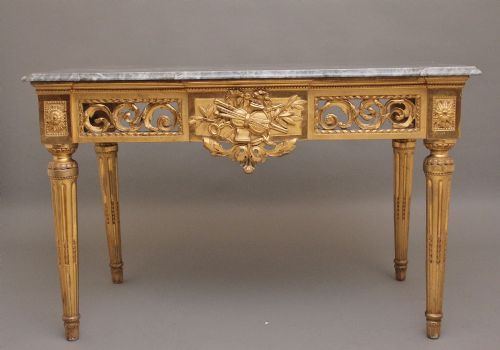
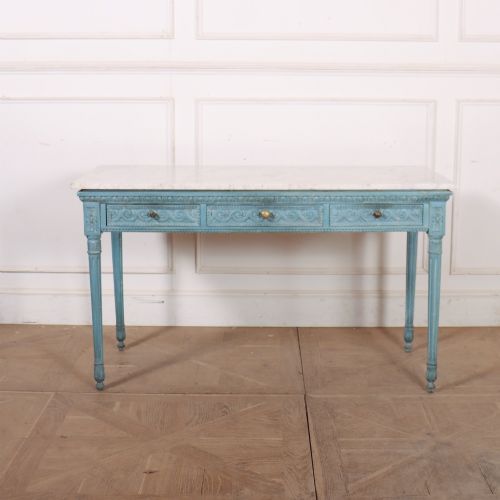
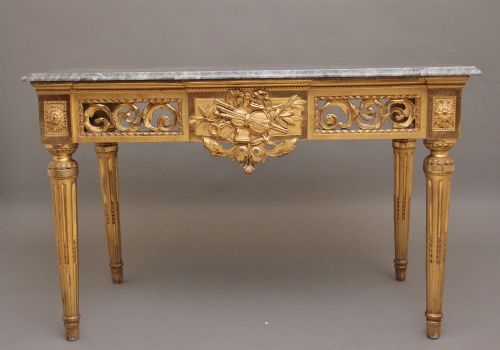
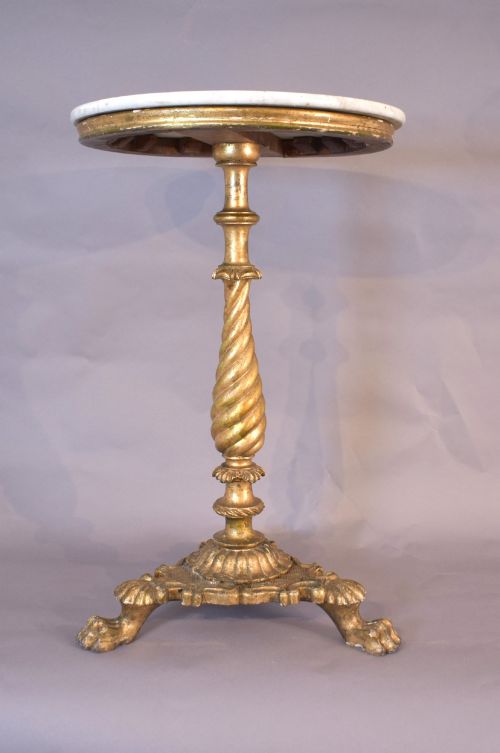
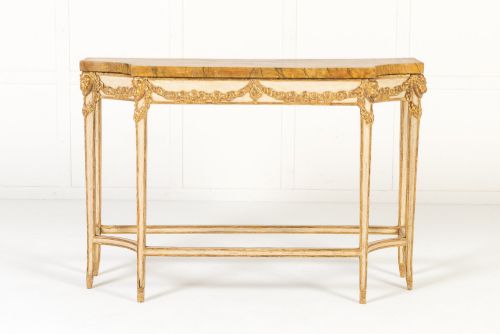
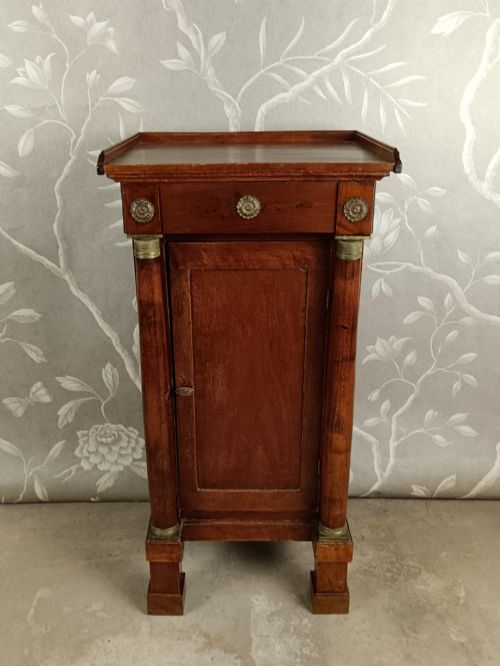
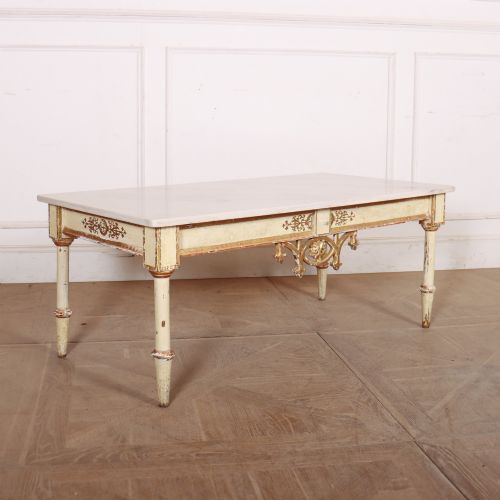
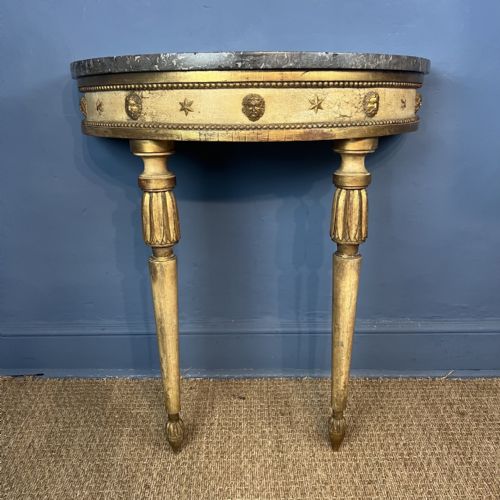
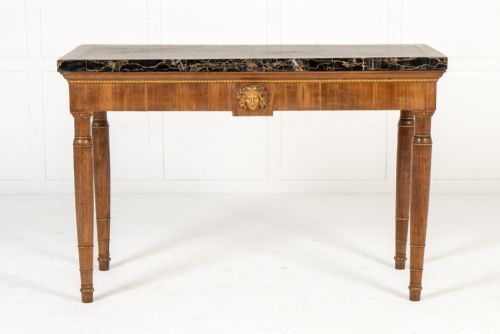
An italian neoclassical table appears most frequently as a console table designed to stand against a wall, often paired with a marble top. The selections span the eighteenth and nineteenth centuries, taking forms such as centre tables, side tables, and occasional tables.
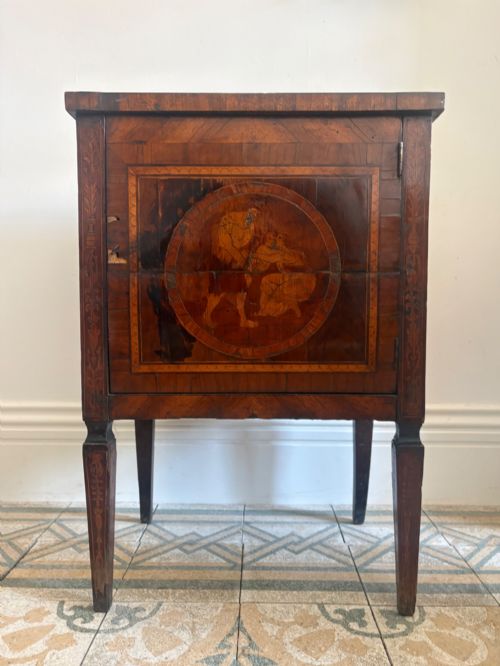
The aesthetic draws on classical restraint, balancing straight lines with carved swags, urns, and parcel gilding. Examples range from eighteenth-century walnut marquetry pieces to painted and gilt iterations produced across the nineteenth and early twentieth centuries.
Materials and construction
Carpenters utilised native and imported timbers, notably walnut, mahogany, pine, and kingwood, frequently applying gesso and gold leaf to carved details. Surfaces received hand-painted finishes, cream pigments, or faux porphyry effects.
Tops showcase natural materials including white marble, purple marble, and specimen marble inlays such as pietra dura. Structural frames combine joinery with carved wooden elements like dolphins, swans, and classical masks.
Listings feature eighteenth and nineteenth-century periods alongside materials including marble, giltwood, walnut, and alabaster.
Evaluating execution
The caliber of an italian neoclassical table rests upon the crispness of the wood carving and the depth of the gilding. Hand-applied paint finishes and intricate marquetry inlays separate standard production from masterwork output.
The selection of the stone top dictates much of the stature, with solid marble and complex specimen work marking superior pieces. Proportions remain disciplined across the better examples, maintaining balance between the carved base and the stone surface.
Pietro Ferrario
The Italian Neoclassical Table Glossary
- Console table
- A table designed to stand against a wall, frequently supported by two front legs and secured to the wall structure. These pieces often feature decorative aprons and marble tops.
- Marquetry
- The art of applying pieces of veneer to a structure to form decorative patterns and pictorial designs. Walnut and kingwood serve as common grounds for this technique.
- Giltwood
- Timber that has been coated with a thin layer of gold leaf or powder over gesso. This finish appears extensively on eighteenth-century frames and tables.
- Pietra dura
- An inlay technique utilising cut and fitted polished coloured stones to create geometric or figurative images. It occurs frequently on specimen marble tabletops.
- Parcel gilt
- A finishing method where only specific carved elements or raised details receive gilding while the remaining surface displays paint or natural wood.
Italian Neoclassical Table: Frequently Asked Questions
Where do you place an italian neoclassical table?
Console tables fit naturally against a hallway wall or beneath a mirror, anchoring the architectural space of a room.
Centre tables stand independently in the middle of a room to display decorative objects or books.
How do you clean a marble top?
Dust the surface regularly with a soft cloth and wipe spills promptly using plain water and mild soap.
Avoid acidic cleaners or abrasive agents that can etch the polished stone.
How do you distinguish eighteenth-century pieces?
Examine the timber construction beneath the painted or gilt surfaces for signs of hand-cut joinery and period-specific tool marks.
Eighteenth-century examples often utilise walnut or kingwood bases paired with heavy marble slabs.
What is a grand tour table?
These pieces incorporate souvenirs or stylistic references gathered by travellers touring classical sites in Italy during the nineteenth century.
They frequently feature bronze mounts or specimen marble tops depicting architectural ruins.