

Italian Marble Topped Table
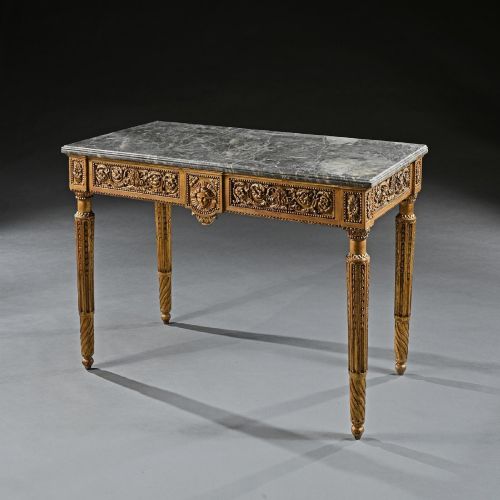
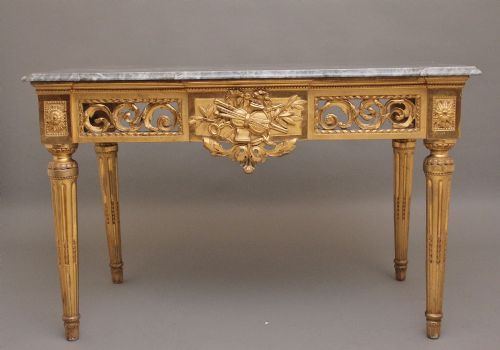
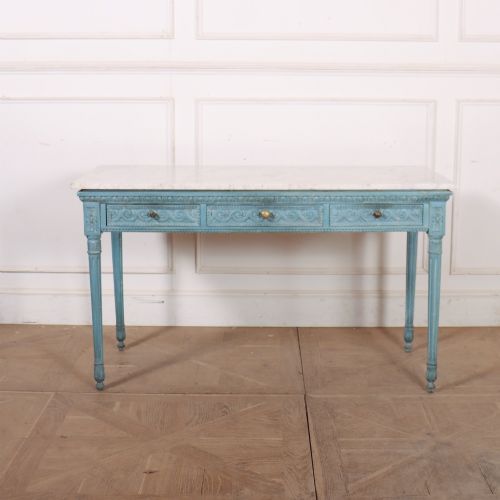
An italian marble topped table brings undeniable presence to a room through its heavy stone surface and carved wooden frame.
Italian Marble Topped Table
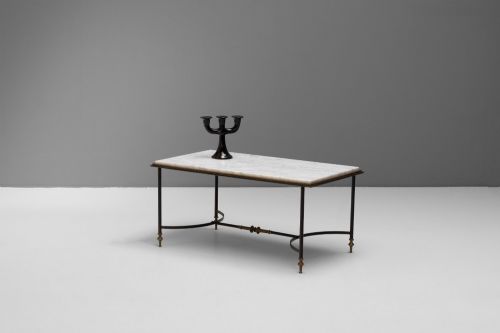
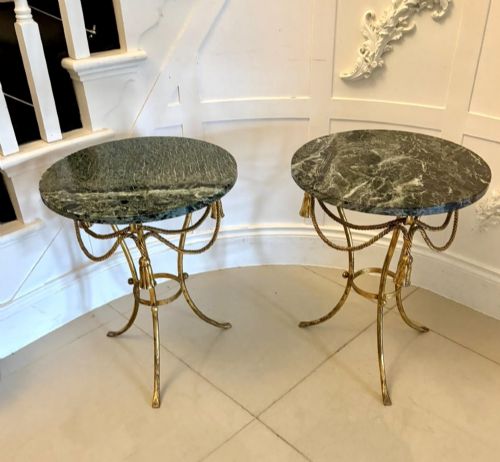
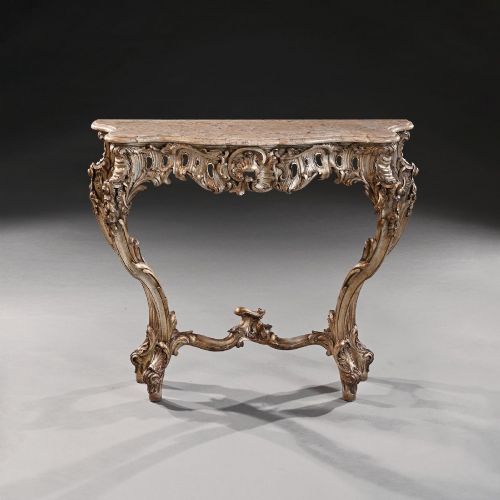
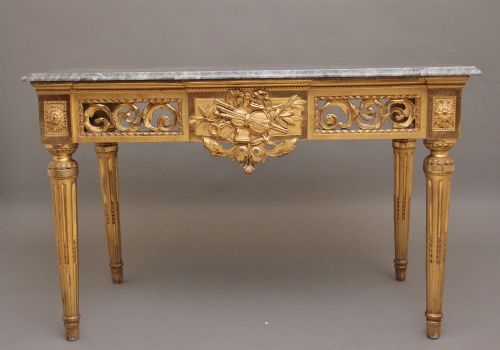
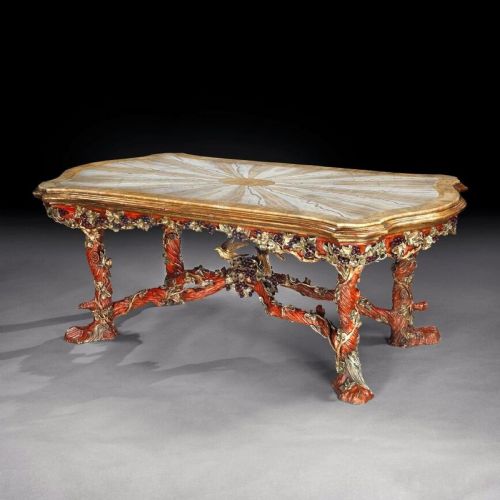
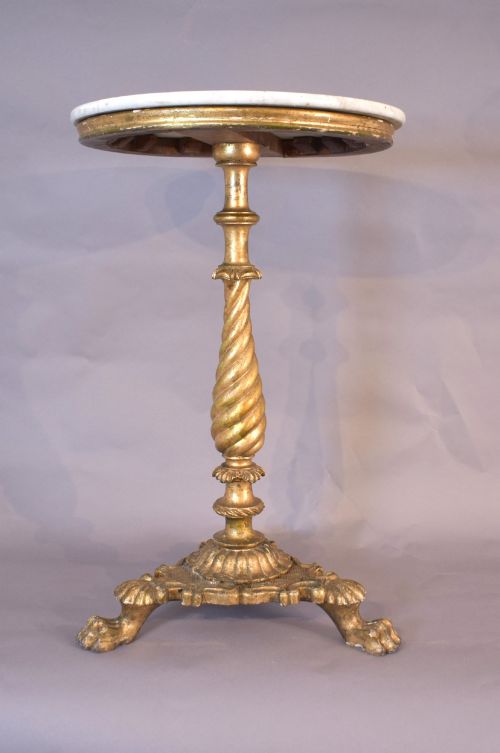
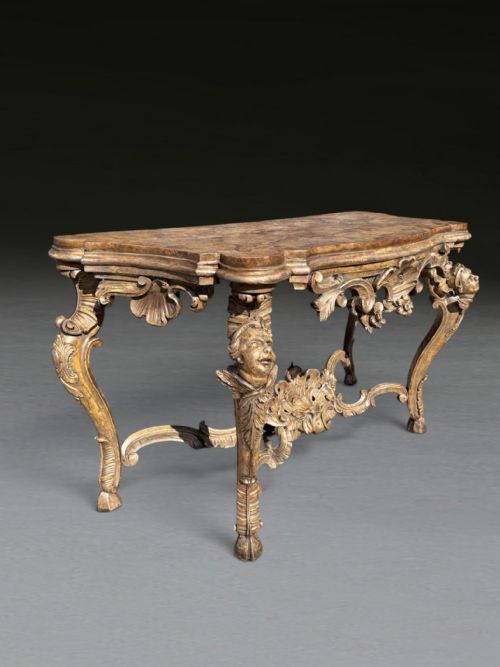
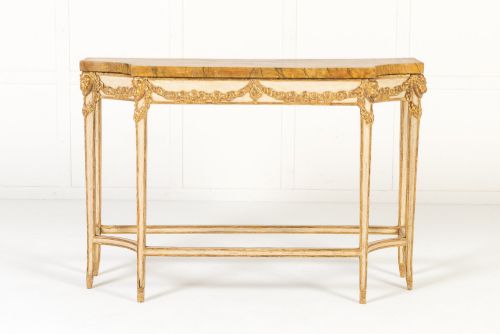
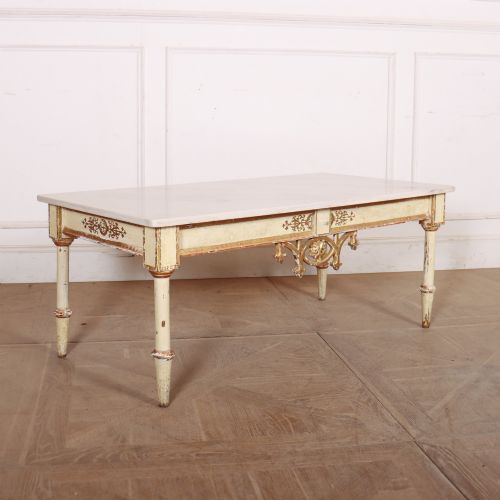
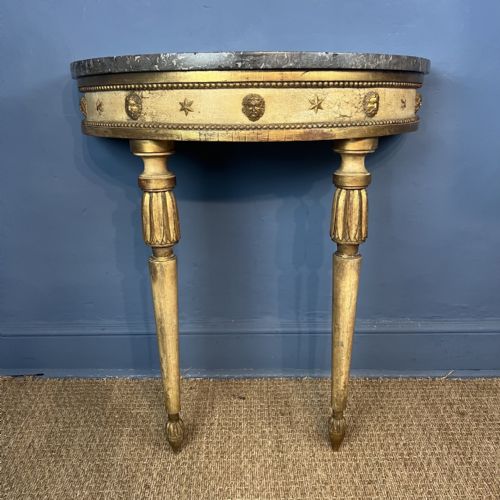
An italian marble topped table appears most frequently as a console table designed to stand against a wall, alongside smaller centre tables, occasional tables, and coffee tables. These pieces emerge primarily from the eighteenth and nineteenth centuries, spanning distinct stylistic movements including Neoclassical, Rococo, and Baroque.
Buyers encounter grand gilded wall tables alongside more intimate walnut, mahogany, and painted occasional pieces. The integration of stone with carved timber defines this category, originating from workshops across Italy and European centres influenced by Italian design.
Materials and Construction
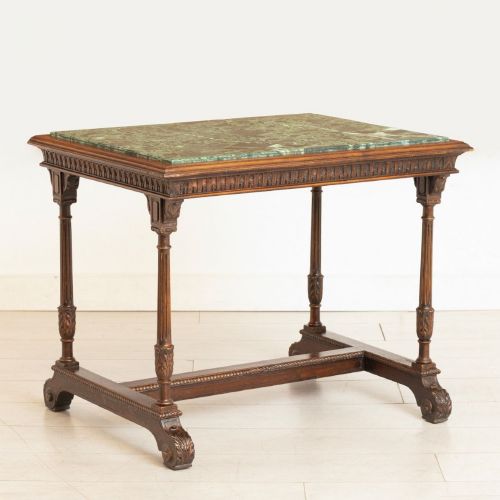
Craftsmen built the supporting frames from timbers such as walnut, mahogany, and lime wood, applying gesso and gold leaf or hand-painted finishes to create decorative surfaces. Giltwood and silver gilt treatments require meticulous application over carved wood, while painted pieces utilise subtle colour palettes and parcel gilding.
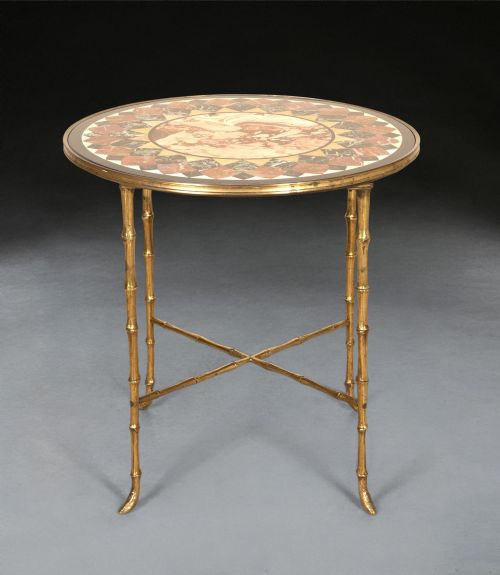
Heavy marble slabs, including specimen marble, breccia, onyx, and pink Salome, sit upon these timber bases. Stone surfaces often feature intricate pietra dura inlay work, requiring precise cutting and fitting of coloured mineral stones into a dark matrix.
Several tables rely on carved wooden lions and dolphins to hold up centuries of solid stone.
Craftsmanship and Proportion
The distinction between tiers rests upon the depth and vigour of the wood carving on the base, where crisp, undercut details reveal superior hand work. Lesser examples exhibit softer, mechanically smoothed contours and flat surface decoration.
Stone selection dictates grade as well, with solid specimen marble or finely executed pietra dura panels marking the upper tier over simple plain slabs. Original gilding and untouched painted surfaces hold greater integrity than later overpainting or re-gilding.
Amleto Bertoni
The Italian Marble Topped Table Glossary
- Console table
- A table designed to stand against a wall, frequently secured with brackets and possessing a decorated front and sides. These pieces often feature shaped stone tops and elaborate leg supports.
- Pietra dura
- An artistic technique utilising cut and fitted polished coloured stones to create geometric or pictorial designs. Craftsmen inlay these mineral slabs directly into table tops.
- Giltwood
- Timber coated with a thin layer of gold leaf over a prepared gesso base. This finish catches candlelight and natural illumination in formal rooms.
- Specimen marble
- A table top composed of numerous varied marble and mineral samples arranged in geometric patterns. This decorative approach showcases diverse geological colours in a single surface.
- Breccia marble
- A stone composed of broken fragments of minerals cemented together by a fine-grained matrix. It creates a mottled, highly variegated visual pattern across large surfaces.
Italian Marble Topped Table: Frequently Asked Questions
Where should I place an italian marble topped table?
Console variants suit entrance halls and living rooms placed flat against a wall beneath a mirror or artwork. Centre tables demand open floor space where observers can walk entirely around the piece.
Smaller occasional and coffee tables function effectively beside seating arrangements. The heavy stone surface requires a level floor and sturdy placement.
How do I clean an antique stone top?
Wipe surfaces gently using a soft, damp cloth without resorting to acidic commercial cleaners. Harsh chemical agents damage polished mineral finishes and historical sealants over time.
Dry the stone thoroughly after wiping to prevent water marks. Professional stone care products safeguard the polish safely.
How do I identify an eighteenth century piece?
Examine the timber framing beneath the marble slab for hand-cut joinery, tool marks, and historical wear patterns. Eighteenth-century examples frequently exhibit deep hand-carved gesso and giltwood details rather than mass-produced moulding.
Timber shrinkage and natural oxidisation across the unexposed wood confirm age. Eighteenth-century proportions often present bolder baroque or neoclassical silhouettes.
Can I use these tables for daily dining?
These pieces function primarily as display surfaces rather than robust dining furniture. The heavy stone tops provide durability, but antique wooden bases require protection from heavy impacts and excessive weight.
Use coasters beneath hot cups or wet glasses to preserve polished stone and painted finishes. Gentle daily use preserves the structural integrity of historical frames.