





Italian Marble Ornaments
Italian marble ornaments bring the grandeur of classical antiquity and the Grand Tour straight into a room through carved stone figures, obelisks, and architectural models.
Italian Marble Ornaments
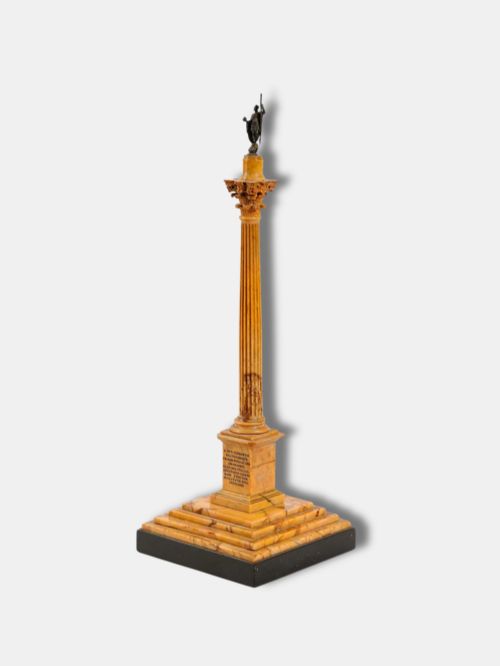
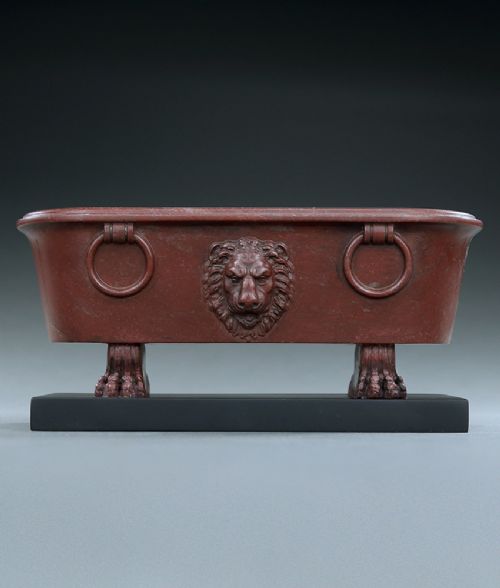
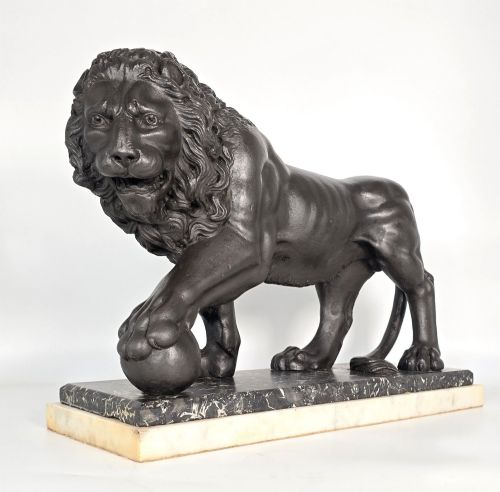
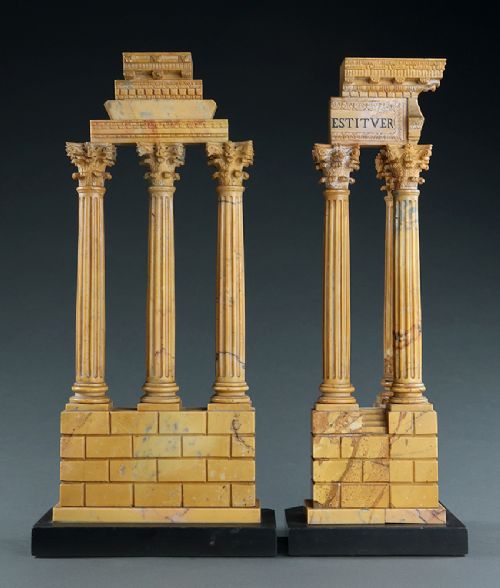
When searching for Italian marble ornaments, collectors encounter sculptural and architectural pieces predominantly shaped during the nineteenth century and the early twentieth century. These items include classical animal figures, architectural models of Roman temples, and decorative objects tied to the Grand Tour tradition.
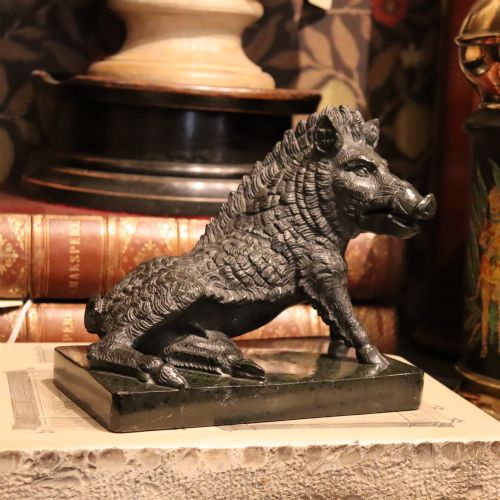
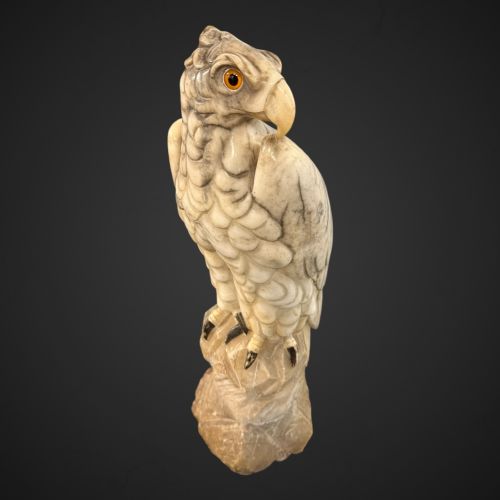
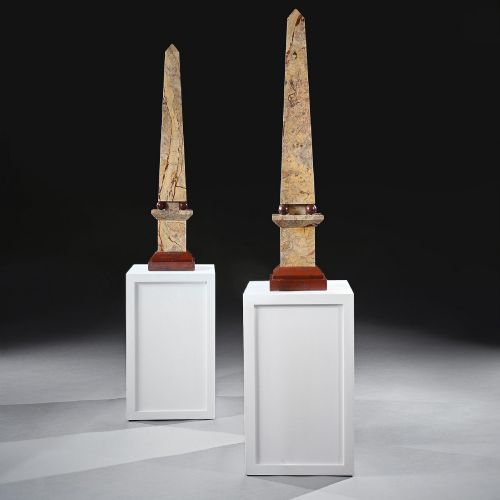
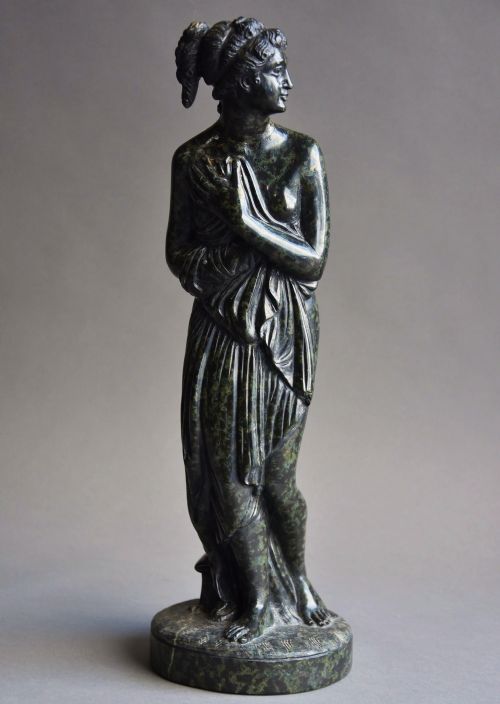
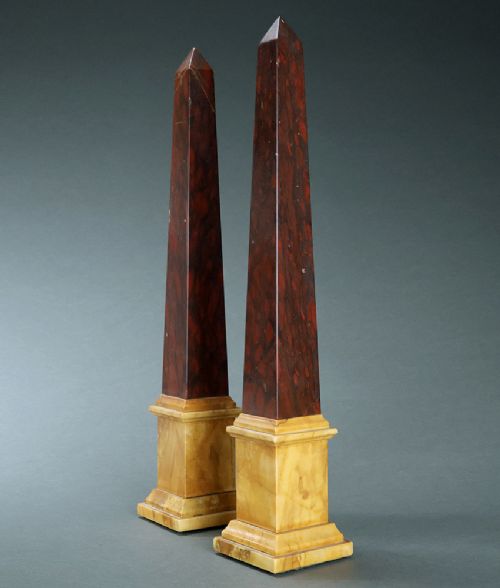
The most common examples on this page are Grand Tour souvenirs and decorative sculptures fashioned from various stones. Pieces range from carved serpentine marble models of the Florentine boar to veined Carrara marble eagle statues and Siena marble obelisks.
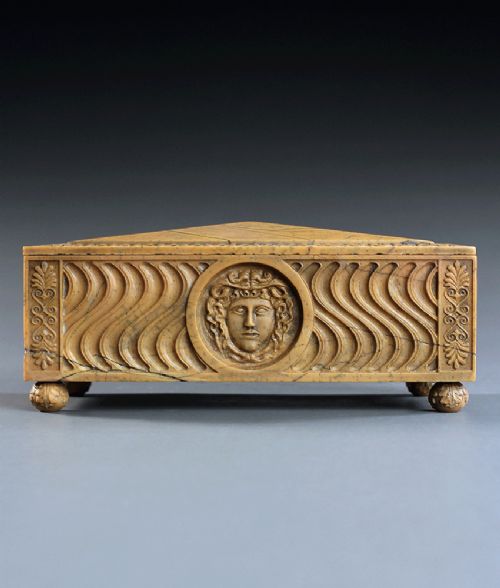
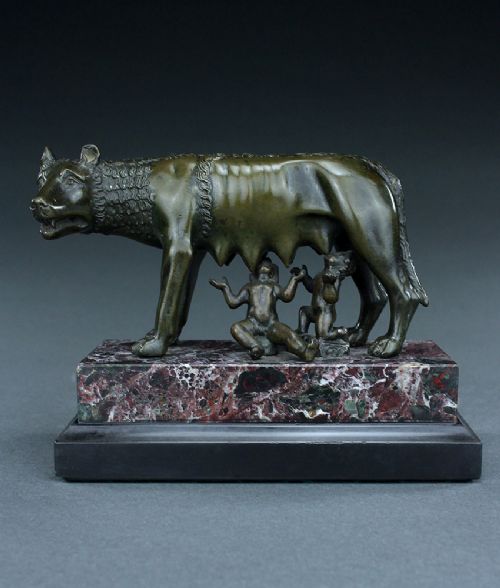
Forms extend from small paperweights and lidded caskets to monumental garden lions and pairs of architectural columns. Many pieces integrate bronze elements alongside the stone, reflecting the skilled craftsmanship of Italian workshops from the mid nineteenth century onward.
What Varies in Quality
The choice and variety of the stone elevate a piece, with select items utilising striking specimen marbles, rich veining, or intricate pietra dura work rather than plain uniform stone. The integration of high-grade cast bronze and the weight and stability of the underlying marble plinth also distinguish finer productions from standard souvenirs.
Listings feature items dated from the nineteenth century and the early twentieth century, spanning periods including 1850, 1870, 1880, 1910, 1920, and 1930.
The Italian Marble Ornaments Glossary
- Grand Tour
- A traditional trip of Europe undertaken by upper-class European young men of sufficient means to flourish their cultural education. Souvenirs bought along the way included marble models and small bronzes.
- Serpentine Marble
- A dark green, mottled stone resembling snakeskin that carvers utilised extensively for nineteenth century animal figures and architectural souvenirs. It takes a high polish.
- Pietra Dura
- An artistic technique of inlaying cut and fitted multicoloured stones into a background to create pictorial designs. It appears on decorative objects and paperweights from the period.
- Carrara Marble
- A type of white or blue-grey marble mined from the quarries of Carrara in Italy. Sculptors favored this stone for classical statues and detailed animal figures.
- Obelisk
- A tall, four-sided, narrow tapering monument which ends in a pyramid-like shape at the top. Italian makers produced these in various marbles as decorative desk or mantel ornaments.
Italian Marble Ornaments: Frequently Asked Questions
What is a Grand Tour ornament?
These are nineteenth century souvenirs and decorative objects bought by travellers visiting historical sites in Italy. They typically replicate famous ancient Roman and Greek sculptures, buildings, or artefacts.
Craftsmen produced them in local marbles and bronze to serve as portable reminders of classical education and culture. Common forms include miniature temples, obelisks, and animal figures.
How do I identify serpentine marble?
Serpentine marble displays a distinctive mottled or clouded green appearance that resembles the skin of a serpent. It is a dense, smooth stone that takes a fine polish.
In nineteenth century Italian pieces, it is frequently used for animal sculptures like lions and boars, or as a contrasting base material.
Were these pieces made for display?
Yes, these ornaments were created primarily for interior decoration on desks, mantelpieces, and library tables. Their varied sizes allowed them to sit comfortably within domestic studies and drawing rooms.
Larger versions, such as garden lions or monumental obelisks, were designed for courtyards and grand entrance halls.
How do I care for antique marble?
Dust the stone regularly with a soft, dry cloth to prevent dirt accumulation on carved surfaces. Avoid using harsh chemical cleaners, acidic liquids, or abrasive pads that can etch or dull the polished finish.
If cleaning is necessary, use a damp cloth with mild soap, then dry the surface thoroughly. Keep the pieces away from direct heat sources and sudden temperature changes.