

Italian Landscape Canvas Art
These pieces of italian landscape canvas art bring centuries of classical views, sunlit lagoons, and historic architecture directly into modern rooms.
Italian Landscape Canvas Art
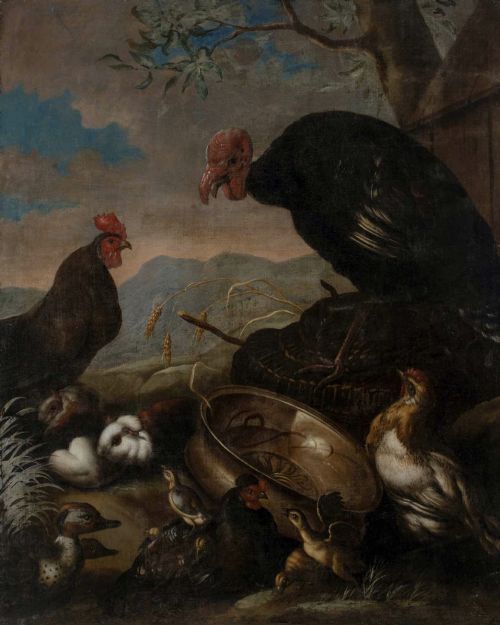
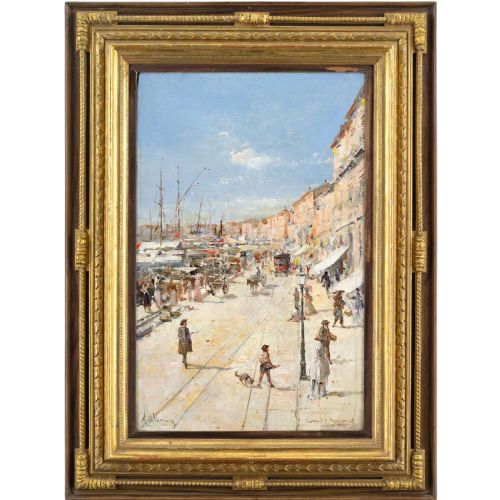
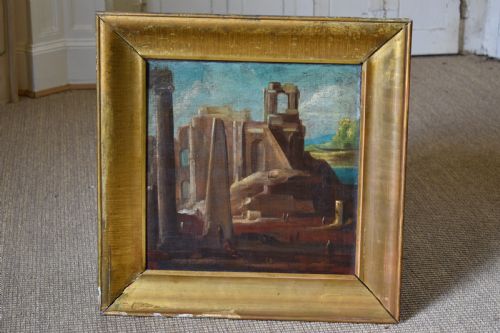
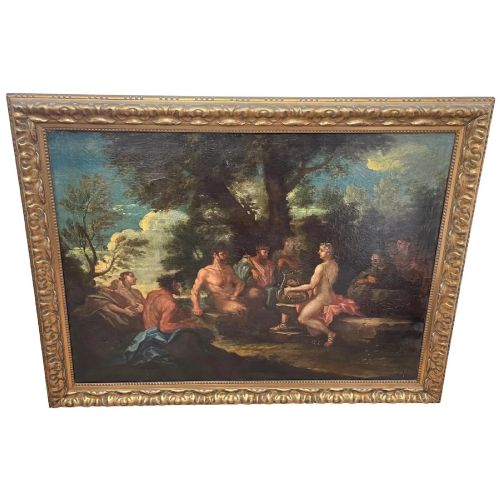
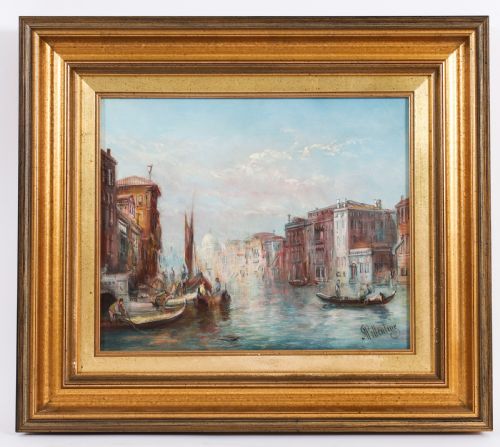
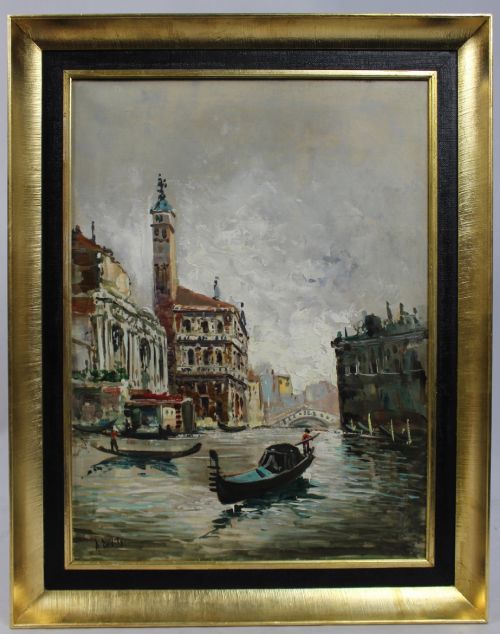
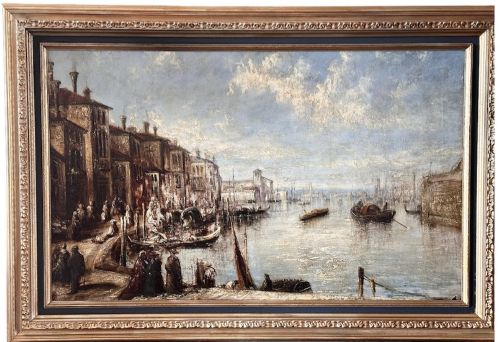
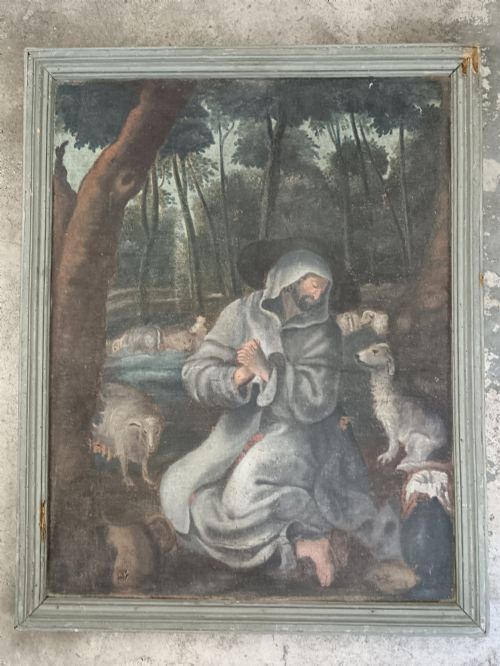
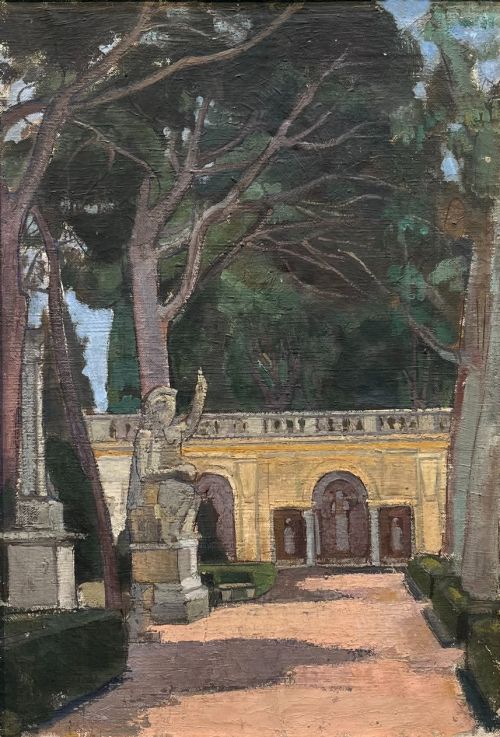
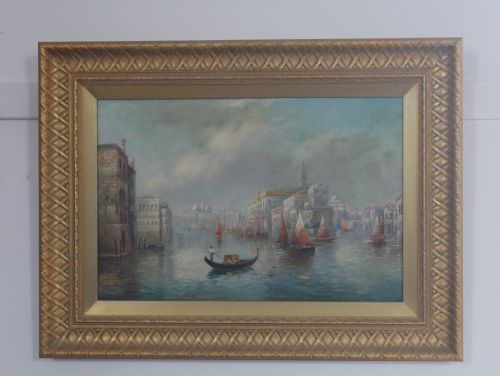
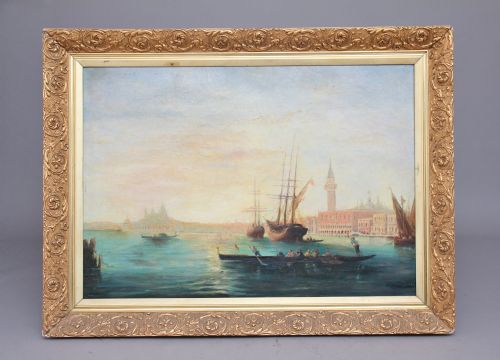
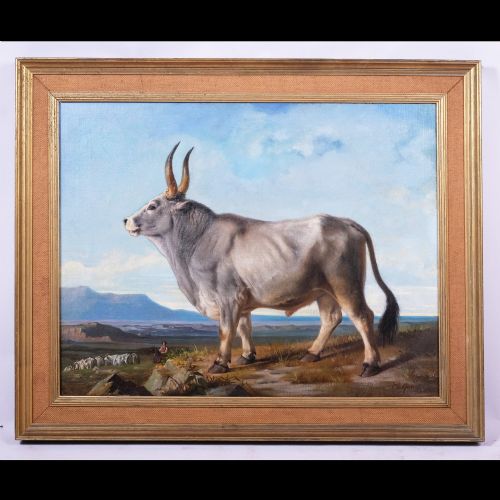
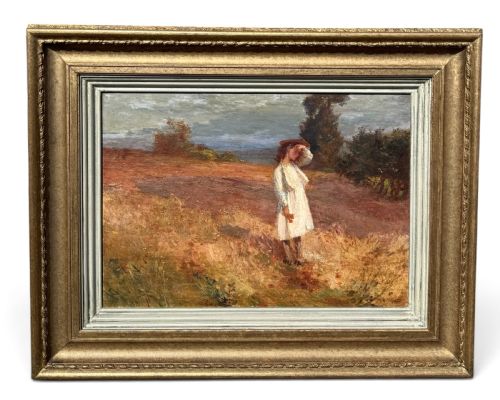
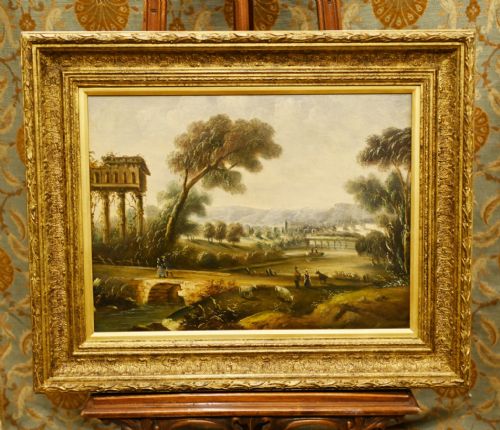
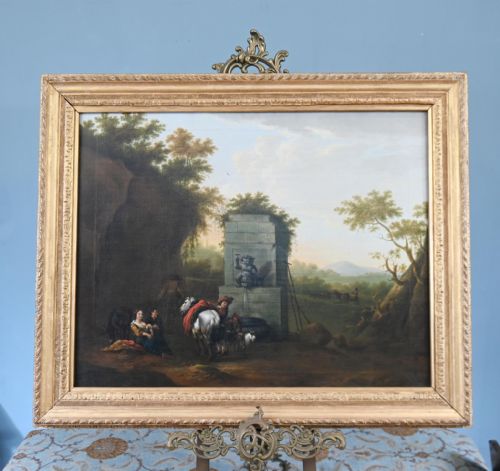
When you search for italian landscape canvas art, you are looking at oil paintings on canvas depicting rural vistas, coastal ports, classical ruins, and Venetian waterways. The pieces on this page span several centuries, reaching from the seventeenth century through to the mid twentieth century.
You will most frequently encounter nineteenth century works alongside earlier Old Master pieces and later impressionist interpretations. Subject matter ranges from quiet pastoral scenes with mountains and lakes to bustling depictions of the Grand Canal and the Doge's Palace in Venice.
The origins of these works include both native Italian painters and British or European artists travelling on the Grand Tour. Common formats include expansive oil paintings framed in gilded wood as well as smaller townscapes and coastal studies.
How They Were Made
These works are executed in oil paint applied to woven canvas supports, often stretched over traditional wooden frames. Artists built up their compositions using layered pigments to capture the light and atmosphere of southern Europe.
Many of the surviving pieces retain their original period frames constructed from wood, giltwood, and gold leaf. These frames frequently feature detailed moulding that complements the painterly style of the canvas within.
The listings here feature works created across three centuries, predominantly utilising oil paint on canvas and wood supports.
What Varies in Quality
Quality in these paintings rests on the fluidity of the brushwork, the confidence of the perspective, and the preservation of the original canvas and paint layers. Stronger works demonstrate a sure handling of light and shadow, particularly in architectural details and water reflections.
The integrity of the frame also influences the overall standard, with period giltwood settings adding historical context to the canvas. Masterful handling of narrative detail, such as figures in a pastoral setting or specific Venetian landmarks, separates finer academic or school pieces from routine decorative outputs.
Angelo Maria Crivelli·Augusto Alberici·Alfred Pollentine·Antonio DeVity·Francis Moltino·Umberto Volpato·Jan Miel·Giulio Cecchini·Claude Jousset·F.D. Campo·William Raymond Dommersen·E. Perez Senet·Francesco Zuccarelli·Jane Vivian·Consalvo Carelli·Antonio Allegri Correggio·Francesco Albani·Francesco Guardi·Emanuele Cappello·Alice Hogarth Nicholson
The Italian Landscape Canvas Art Glossary
- Grand Tour
- A traditional trip through Europe undertaken by upper-class European young men of means in the seventeenth, eighteenth, and nineteenth centuries, which generated a demand for local landscape paintings.
- Capriccio
- An architectural fantasy placing together buildings, ruins, and other architectural elements in a fictional and pleasing compositional arrangement.
- Pentimento
- A visible trace of earlier painting beneath a layer or layers of paint, showing that the artist changed their mind during the composition.
- Old Master
- A term used to describe a European painter of skill who worked before about eighteen hundred, or a painting by such an artist.
- Giltwood
- Wood that has been treated with gold leaf, gold paint, or powdered gold to give a metallic golden finish, commonly found on period picture frames.
Italian Landscape Canvas Art: Frequently Asked Questions
How do I hang a heavy oil painting safely?
Heavy oil paintings require sturdy wall anchors and picture wire rated well above the weight of the canvas and frame. Fixing directly into wall studs provides the most secure support.
Ensure the hanging height places the centre of the canvas at roughly eye level for optimal viewing in your room.
Where should I place italian landscape canvas art at home?
These works suit traditional living rooms, libraries, or dining spaces where their classical subjects can be appreciated at leisure. Placing them away from direct sunlight protects the oil pigments and the underlying canvas from fading.
Matching the scale of the painting to your wall space prevents the piece from looking lost or overwhelming the room.
How can I tell a nineteenth-century view from a modern copy?
Examine the weave of the canvas, the oxidation of the oil paint, and the construction methods of the stretcher frame behind the work. Older pieces show natural ageing and wear consistent with their stated period.
Signatures, framing materials, and dealer records or labels on the reverse often provide further clues to the date of execution.
What is the difference between a Venetian canal scene and a capriccio?
A Venetian canal scene depicts actual topography, recognizable landmarks, and real buildings found in Venice, such as the Doge's Palace or the Grand Canal. These pieces serve as historical visual records of specific places.
A capriccio invents or rearranges architectural elements and ruins into an idealized imaginary landscape rather than recording a true view.