



Italian Grand Tour Jewellery
These pieces of italian grand tour jewellery are portable mementoes brought home from continental travels, prized for their meticulous miniature craftsmanship and classical subjects.
Italian Grand Tour Jewellery
When you search for italian grand tour jewellery, you encounter portable souvenirs brought back by travellers from nineteenth-century journeys across Italy. These ornaments capture classical architecture, ancient ruins, and romantic landscapes through microscopic precision.
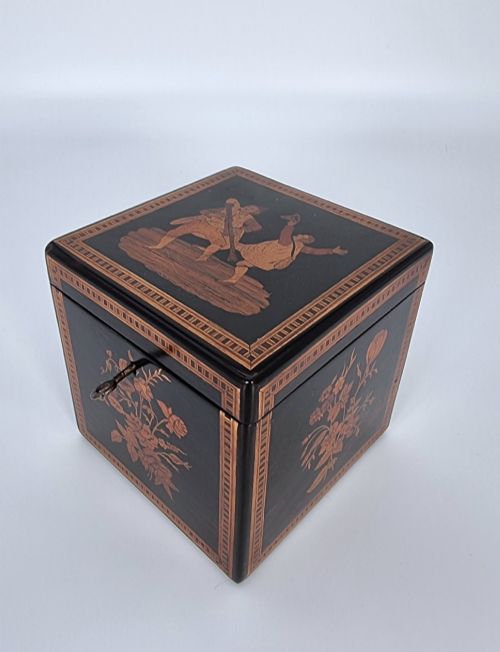
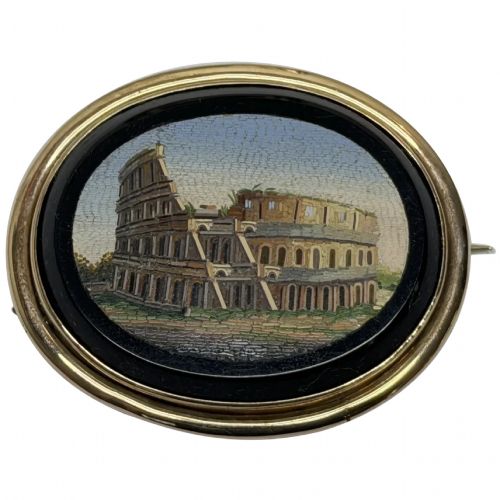
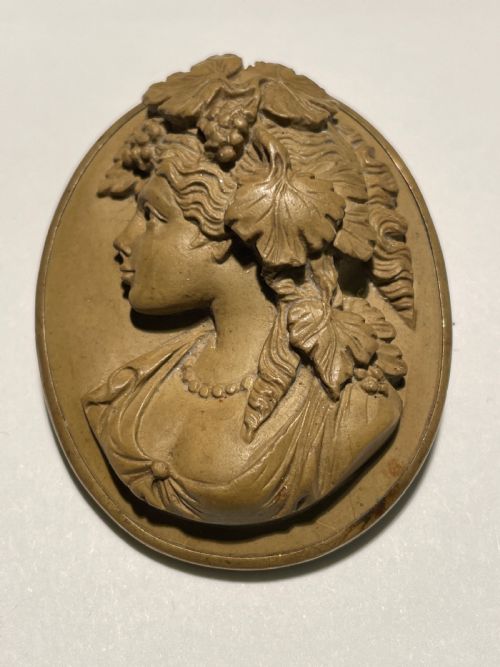
The selections available here range from delicate micro mosaic brooches and yellow gold pendants depicting the Roman Colosseum to carved shell and lava cameo pieces. You will also discover matched earring sets and larger storage items such as pietra dura mounted ebonised wood boxes and Sorrento marquetry caskets.
Most examples date across the Victorian era, spanning specific years like eighteen-sixty and nineteen-twenty. Their enduring appeal lies in the ability to wear or display miniature works of fine art that immortalise historic Mediterranean destinations.
Materials and Construction
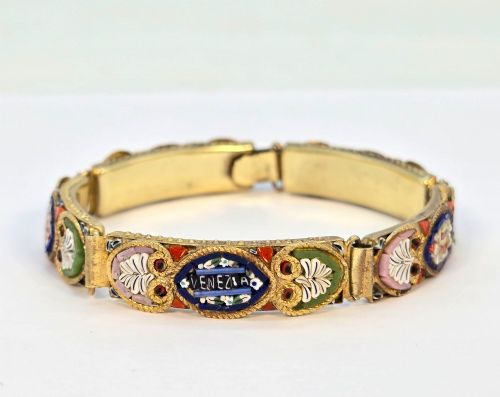
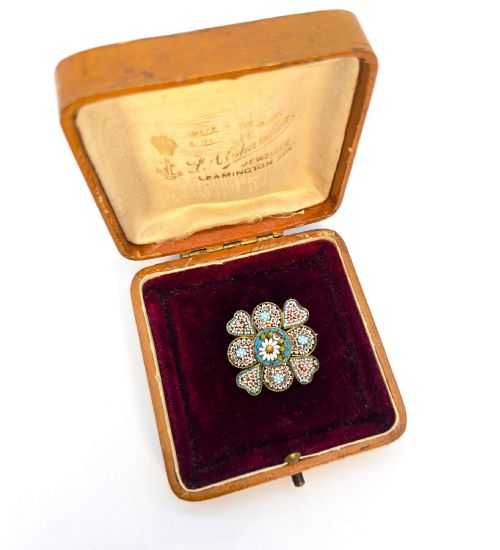
Micro mosaic pieces are constructed from thousands of tiny glass tesserae fused together to form intricate pictorial scenes, mounted within gilt metal or yellow gold frames. Artisans also utilised hardstones for pietra dura plaques, arranging coloured mineral slices into floral or geometric compositions.
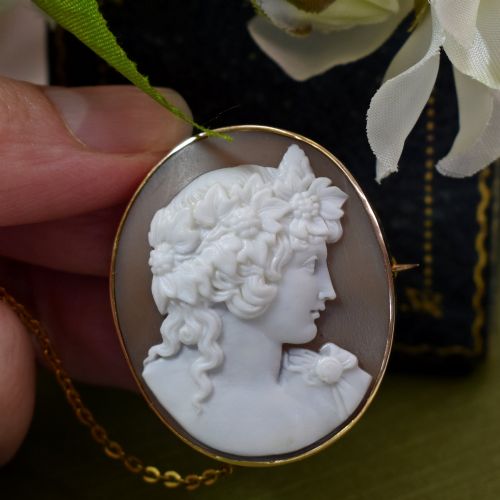
Cameos rely on the careful carving of layered materials, specifically shell and volcanic lava, to create high-relief classical profiles against contrasting backgrounds. Structural elements incorporate yellow gold, ormolu, and ebonised wood, sometimes complemented by marquetry inlay or leather finishes.
Italian Grand Tour Jewellery Retail Price Guide 2026
Typical asking prices for italian grand tour jewellery among the pieces listed under this phrase on Sellingantiques today, from the lower quarter to the upper quarter. They describe what is for sale here now, not the wider market.
Travellers returning from Vesuvius eagerly collected carved lava cameos, wearing bits of an actual volcano on their lapels.
Factors of Quality
The distinction between tiers rests upon the density and precision of the miniature work itself. In micro mosaics, tighter placement of glass tesserae without visible gaps indicates superior skill, whereas simpler designs show wider mortar lines.
The Italian Grand Tour Jewellery Glossary
- Micro Mosaic
- A decorative technique using microscopic glass tesserae to create detailed miniature pictures. These tiny elements are set into a mastic base on metal backings.
- Pietra Dura
- An artistic method of inlaying cut and fitted polished coloured stones to form images. Artisans use hard minerals like onyx to compose floral and figurative designs.
- Cameo
- A method of carving an object such as a gemstone, shell, or lava in relief. The design projects from a background of a different colour.
- Tessera
- An individual small piece of glass or stone used in mosaic work. Thousands of these form a single grand tour scene.
- Ormolu
- Gilding technique of applying finely ground high-carat gold to bronze or metal objects. This finish provides a rich golden appearance on decorative caskets and mounts.
Italian Grand Tour Jewellery: Frequently Asked Questions
How were micro mosaic pieces worn?
Micro mosaics were frequently mounted as brooches, pendants, and earrings set in yellow gold or gilt metal. Their vibrant glass panels allowed wearers to display famous views of Rome and Venice.
Larger iterations appeared on functional objects such as jewellery caskets, blending personal adornment with decorative art.
What materials are common in these pieces?
The primary mediums include glass tesserae, carved shell, lava, and hardstones arranged in pietra dura compositions. These are supported by yellow gold, ormolu, and ebonised wood.
Each material reflects the local artisanal specialisms found across nineteenth-century Italian cities.
How do I care for antique mosaic and cameo pieces?
Protect these fragile items from moisture, impacts, and harsh chemicals which can dislodge glass tesserae or damage delicate shell and lava carvings. Store them separately in padded boxes.
Gentle dusting with a soft, dry brush is sufficient to maintain the surface without risking the historical mountings or adhesive beds.