

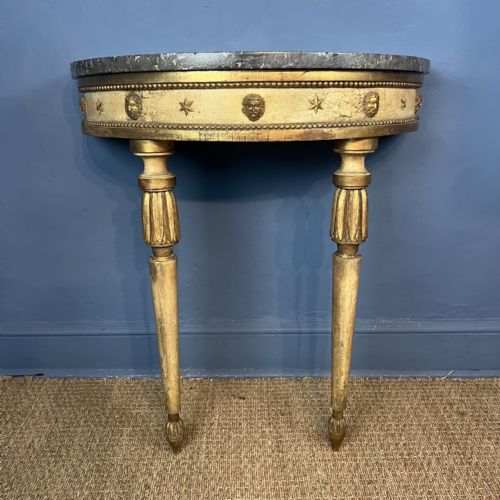
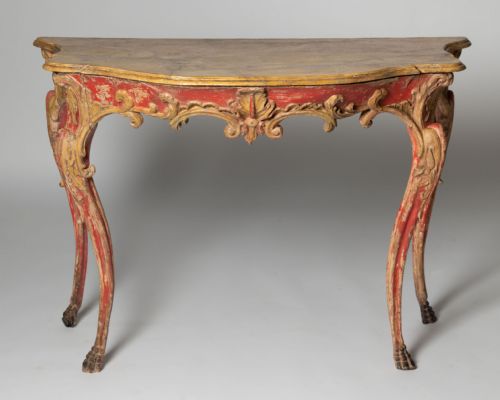


Italian Gilt Side Table
An italian gilt side table brings undeniable presence to a room, combining rich surface gilding with classical Italian forms.
Italian Gilt Side Table
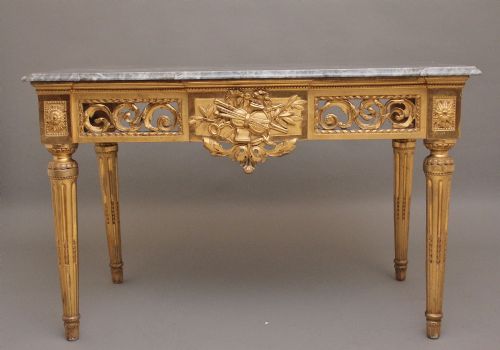
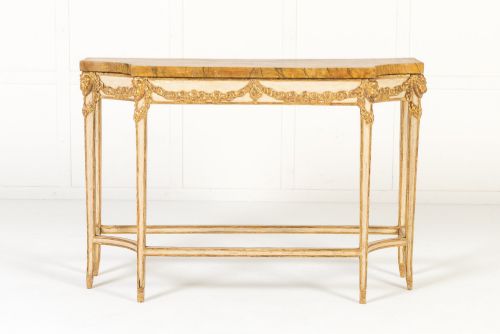
When searching for an italian gilt side table, you encounter a varied selection of console tables, occasional tables, and centre tables designed to sit against a wall or anchor a space. The pieces appearing here span from the eighteenth century through to the twentieth century, with notable representation from the nineteenth century.
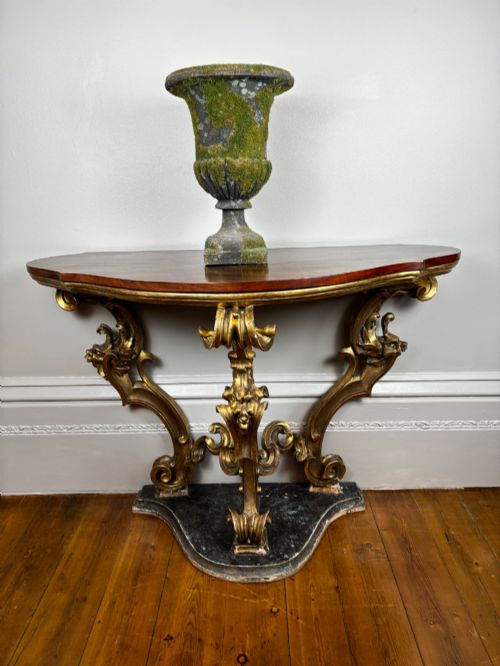
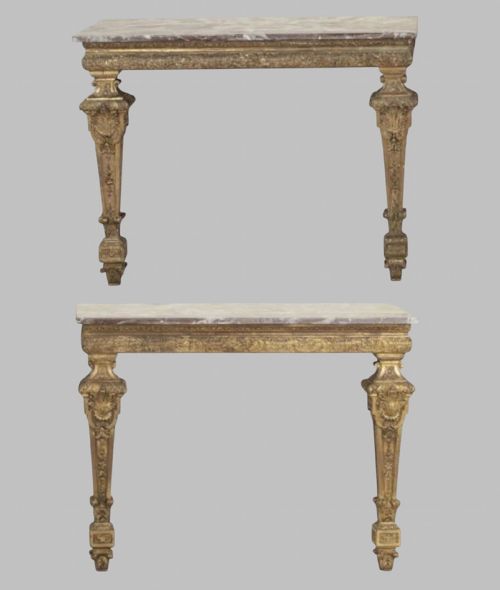
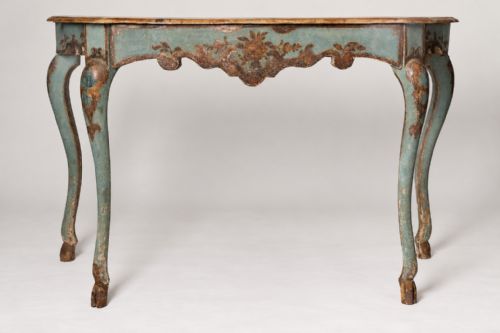
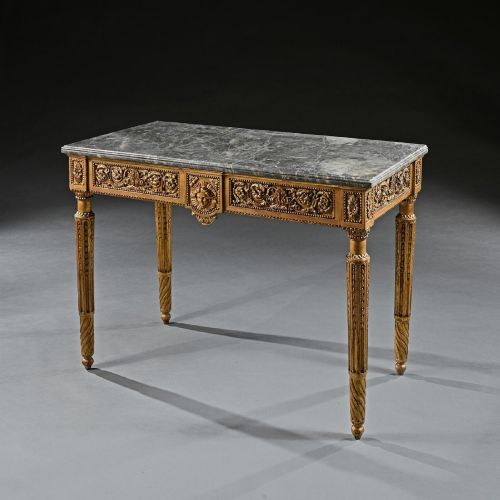
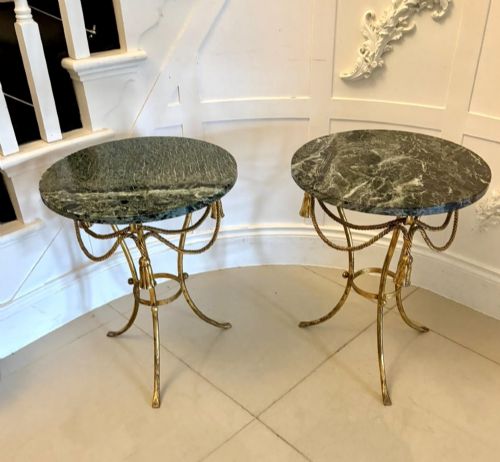
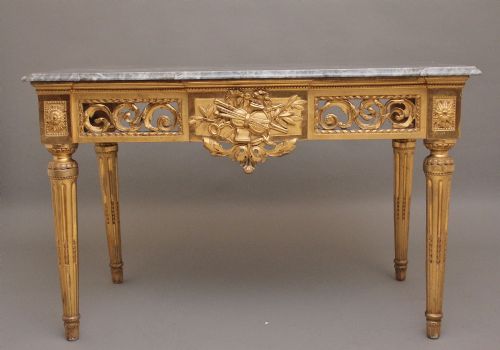
The dominant forms are grand console tables and smaller occasional pieces, often topped with marble and finished with intricate carving or painted details. Venetian and Florentine influences appear frequently alongside styles ranging from Rococo and Neoclassical to Baroque Revival.
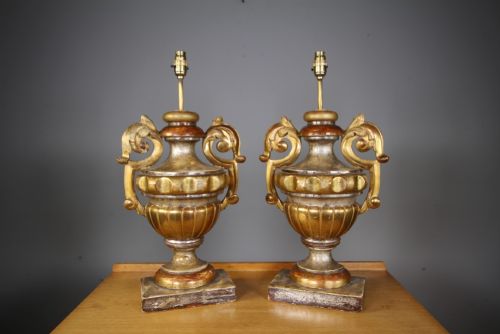
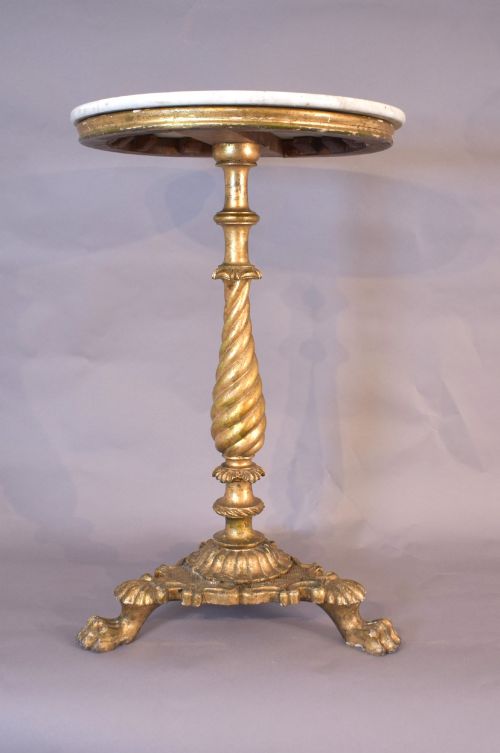
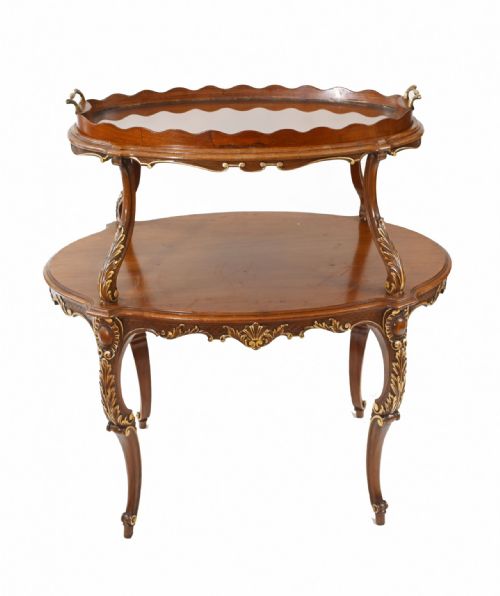
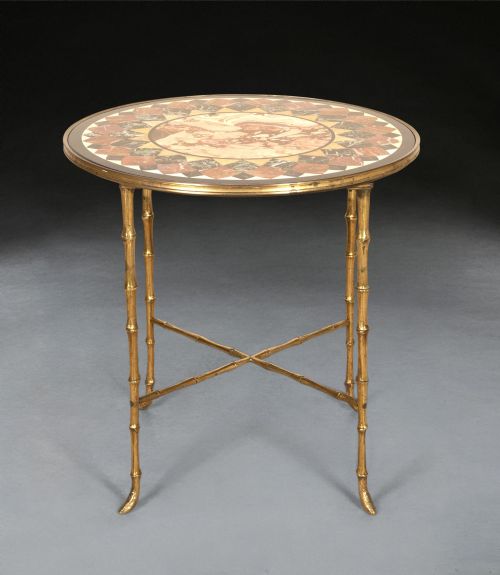
Many examples showcase traditional craftsmanship through carved giltwood or painted and parcel gilt surfaces. Alongside standard side tables, the selection includes related forms such as bedside tables, lamp tables, and coffee tables.
How they were made
Maker workshops relied heavily on carved pine and gesso foundations before applying gold leaf, silver gilt, or paint to achieve a lustrous finish. Giltwood construction involved laying fine leaf over prepared gesso on carved timber.
Heavy marble slabs, including verd antique and breccia varieties, were frequently fitted to the tops of console tables to provide a durable and luxurious surface. Gilt metal and walnut also appear in specific examples, particularly among later twentieth-century pieces.
Italian Gilt Side Table Retail Price Guide 2026
Typical asking prices for italian gilt side table among the pieces listed under this phrase on Sellingantiques today, from the lower quarter to the upper quarter. They describe what is for sale here now, not the wider market.
Listings feature Italian tables spanning the eighteenth, nineteenth, and twentieth centuries, utilising materials like marble, giltwood, and gesso.
What varies in quality
The depth and crispness of the carved detail on the timber frame separates standard production from superior examples. Master carvers achieved clean lines on acanthus leaves, scrollwork, and figural elements that lesser workshops rendered softly.
The choice of top material also indicates the grade of the piece, with solid specimen marbles and heavy breccia slabs marking out the most substantial console tables. Furthermore, the finesse of the gilding and the preservation of original painted surfaces dictate the overall standing of the object.
The Italian Gilt Side Table Glossary
- Console table
- A table designed to stand against a wall, frequently supported by two legs and secured with wall brackets. These pieces often feature elaborate carved decoration and marble tops.
- Giltwood
- Timber that has been coated with gold leaf or powder applied over a prepared gesso ground. This technique creates a rich, reflective metallic surface.
- Parcel gilt
- A finish where portions of an object are highlighted with gold leaf while the remaining areas are painted or left as exposed wood. This method creates contrast on carved mouldings and details.
- Breccia marble
- A composite stone made of broken rock fragments embedded in a fine-grained matrix. It provides a highly patterned and colourful surface favoured for high-end table tops.
- Verde marble
- A dark green ornamental stone often featuring white veining. It appears frequently on Italian tables from the nineteenth and twentieth centuries.
Italian Gilt Side Table: Frequently Asked Questions
Where do I put an Italian gilt side table?
These tables suit entryways, reception rooms, and drawing rooms where their decorative surfaces catch the light. Console versions traditionally stand against a flat wall beneath a mirror or artwork.
Smaller occasional and lamp tables fit comfortably beside seating areas or in corners. Their finished backs and detailed frames allow them to hold their own in prominent interior locations.
How do I care for a giltwood surface?
Dust the carved surfaces gently with a soft, dry brush to prevent accumulation in the recesses of the gesso and gold leaf. Avoid liquid cleaners and modern polishes, which can strip or damage historical gilding.
Keep the tables away from direct sunlight and excessive moisture to protect the underlying wood and preparation layers. Treat marble tops with standard stone care, wiping spills promptly.
Are these tables solid wood?
Most traditional Italian tables in this category use carved timber, commonly pine or walnut, as the structural base for gesso and gilding. The underlying wood provides the sturdy armature necessary for heavy marble tops.
Later twentieth-century variations may incorporate gilt metal or mixed materials alongside traditional wooden frames.
How can I tell a Rococo table from a Neoclassical one?
Rococo pieces display asymmetrical curves, C-scrolls, shell motifs, and exuberant, flowing lines. The ornamentation feels organic and highly theatrical.
Neoclassical tables favour symmetry, straight tapered legs, fluting, and classical architectural motifs such as urns or swags. The overall geometry is restrained and balanced compared to the earlier style.