


Italian Carved Table Lamps
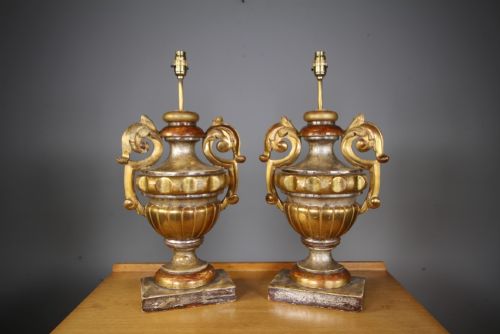
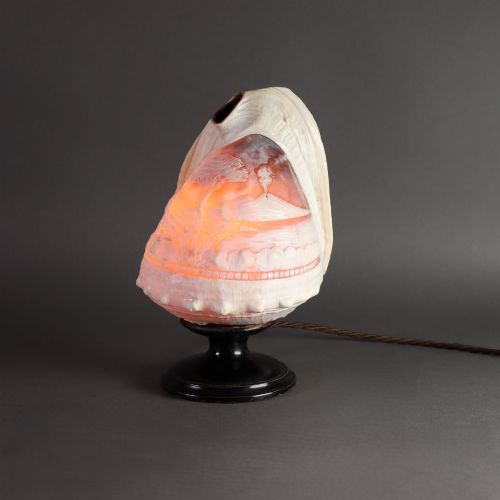
These Italian carved table lamps bring rich, sculptural timber and gilt surfaces into a room, offering warm light and classical presence.
Italian Carved Table Lamps
When buyers search for Italian carved table lamps, they look for pieces that combine decorative carving with functional domestic lighting. The selections here span the eighteenth, nineteenth, and early twentieth centuries, bringing diverse regional designs into contemporary interiors.
The most frequent examples on this page are carved from wood and finished with gold leaf, gesso, or paint, drawing on historical styles like the Baroque and Neoclassical. Many originate as conversions from earlier altar sticks, pricket sticks, or oil lamp stands, adapted for modern electrical wiring while retaining their traditional timber architecture.
Assessing quality
The distinction between standard examples and the finest work lies in the depth and precision of the hand-carving. Crisp undercut foliage, sharply defined drapery, and well-proportioned architectural details separate superior pieces from simpler, more mechanical production.
Surface finish further dictates the upper tier of the range, particularly where original water-gilding has aged gracefully over gesso layers. Examples that retain their authentic patination without heavy modern repainting demonstrate greater integrity and material honesty.
The Italian Carved Table Lamps Glossary
- Giltwood
- Timber that has been coated with a thin layer of gold leaf over a prepared gesso ground. This technique creates a luminous, reflective surface that warms under interior lighting.
- Gesso
- A plaster mixture applied to wood surfaces as a smooth base for gilding or painting. It allows carvers to achieve sharp details before applying gold leaf.
- Ormolu
- Gilt bronze ornamentation applied to furniture and lighting fixtures. The process involves treating brass or bronze with a mercury and gold amalgam.
- Campana Urn
- A bell-shaped vessel form frequently utilised as a classical motif for lamp bases and decorative pedestals. It originates from ancient Roman pottery shapes.
- Pricket Stick
- A liturgical candlestick featuring a central metal spike designed to hold a large candle. Many examples are later converted into domestic lamp bases.
Italian Carved Table Lamps: Frequently Asked Questions
How are these old lamps wired?
Most antique lamps arrive with modern electrical fittings installed during their conversion or subsequent restoration. Electric cables run discreetly through the centre or down the exterior of the carved wooden and metal shafts.
Buyers should have a qualified electrician inspect the internal wiring and plug before regular daily use. This ensures the historical material remains safe while functioning as modern ambient lighting.
What styles do these lamps follow?
The pieces draw upon historical design movements including Neoclassical, Baroque, and Rococo Revival aesthetics. Makers looked to classical antiquity and church furnishings for their decorative vocabulary.
This inheritance shows in the use of acanthus leaves, fluted columns, and gilded urn shapes. Such ornamentation connects nineteenth-century production directly to earlier Italian decorative traditions.
Can I use standard lamp shades?
Most of these fixtures accept standard modern bulb fittings and harp attachments with appropriate shade rings. Fabric or parchment shades are typically added to diffuse the light from the carved base.
Proportion remains the main consideration when selecting a shade to balance the heavy timber or stone body. A shade that matches the width of the base ensures visual stability on a side table.
How do I date these lamps?
Dating relies upon examining the timber species, the preparation of the gesso, and the wear patterns on the gold leaf. Eighteenth-century pieces often display deeper hand-tool marks and heavier patination than twentieth-century interpretations.
Conversions from altar sticks or oil lamps also exhibit plugged holes or adapted metal mounts where earlier fuel mechanisms once sat. Comparing these structural elements to known historical types helps narrow the period of manufacture.