
Italian Carved Side Table
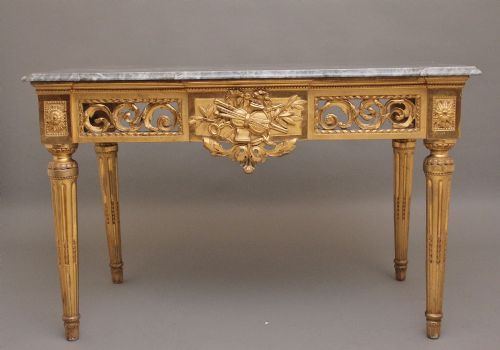
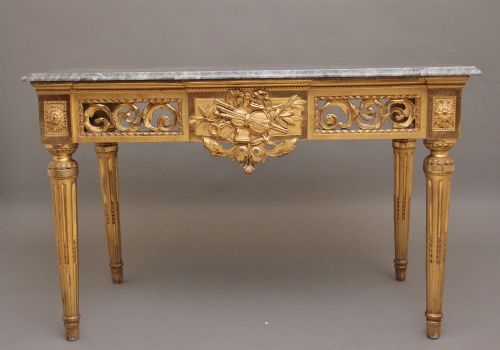
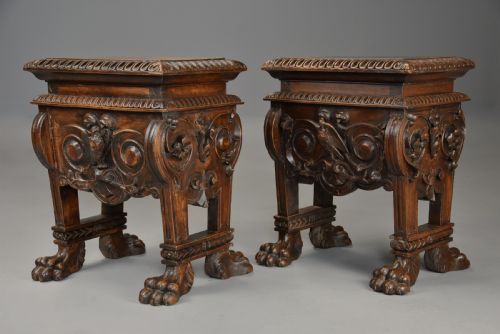
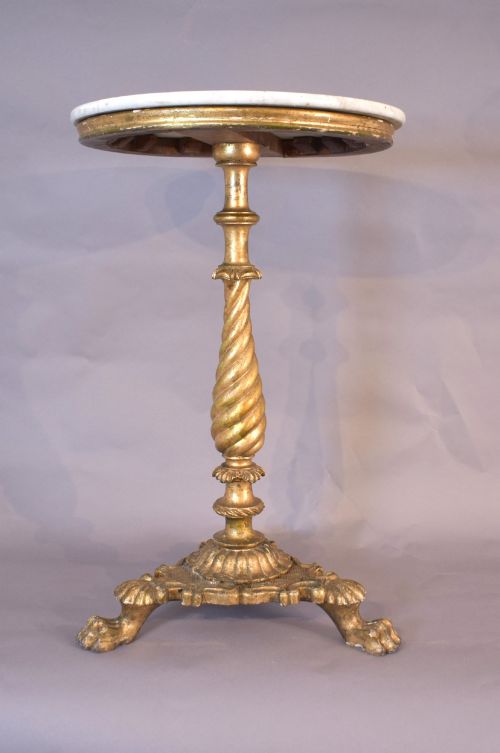
An Italian carved side table brings theatrical walnut, giltwood, and marble into a room with the confident scale of the Mediterranean.
Italian Carved Side Table
An Italian carved side table encompasses console tables, occasional pieces, and smaller supports originating from workshops across the peninsula. These items combine functional surfaces with dramatic architectural carving, spanning centuries of regional design.
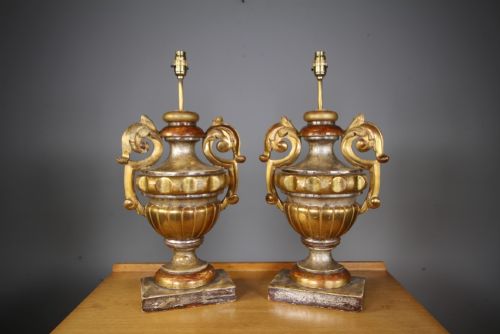
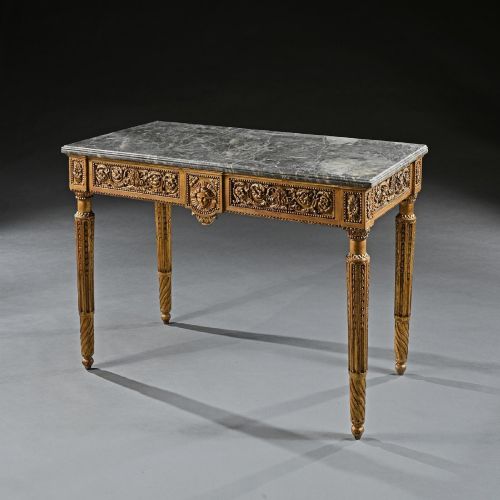
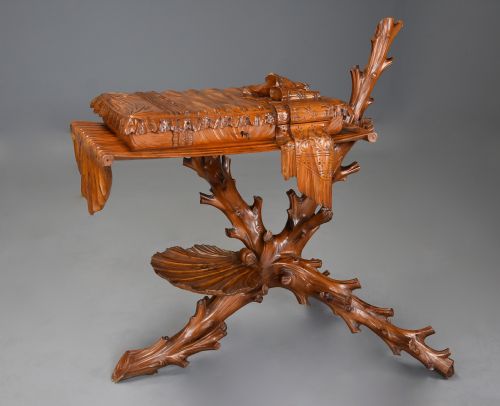
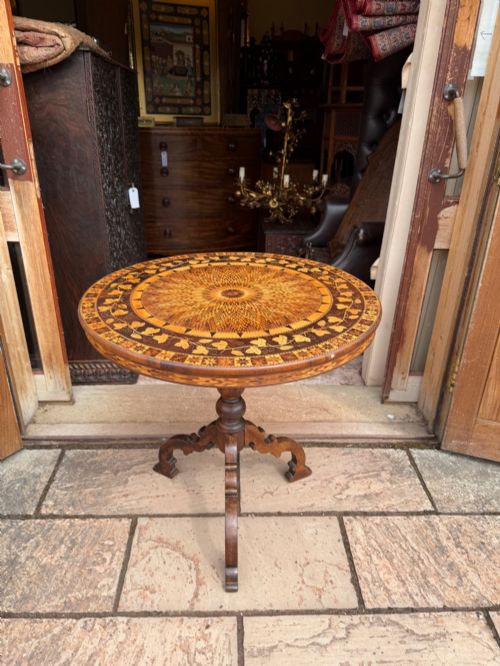
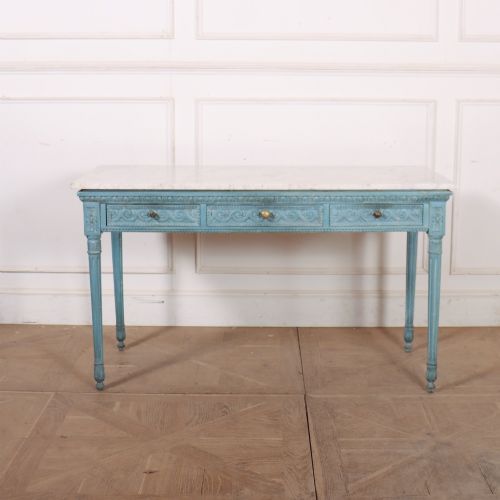
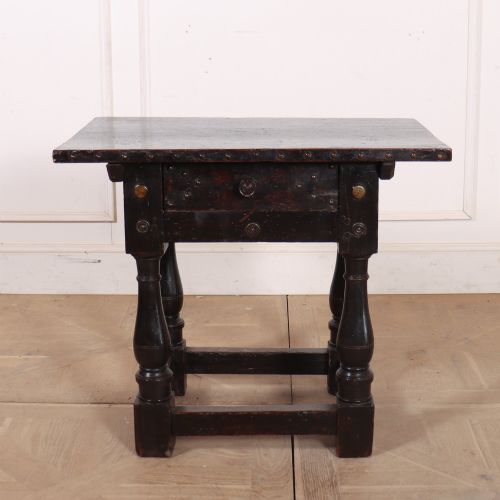
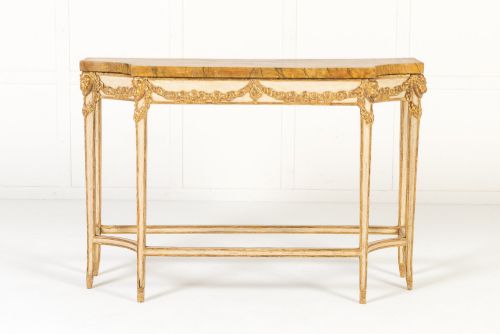
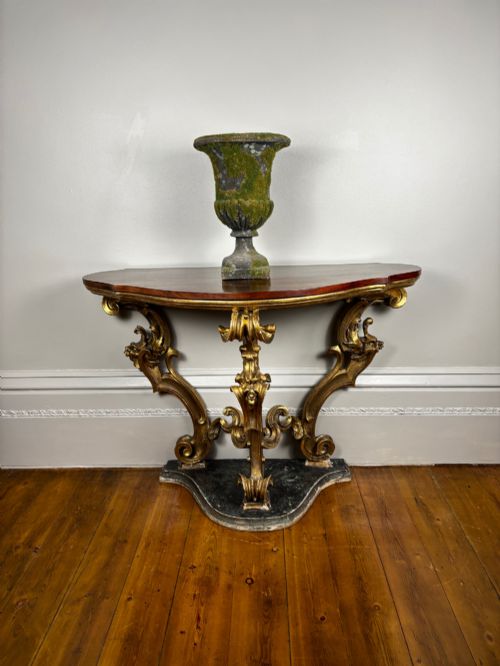
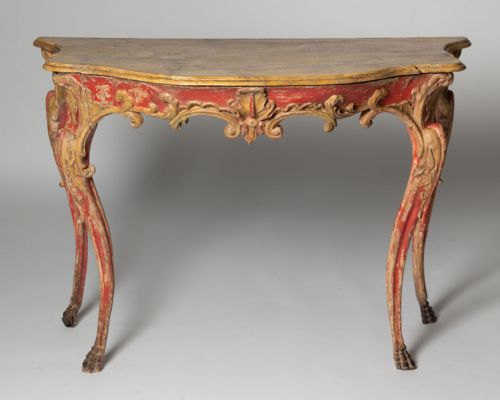
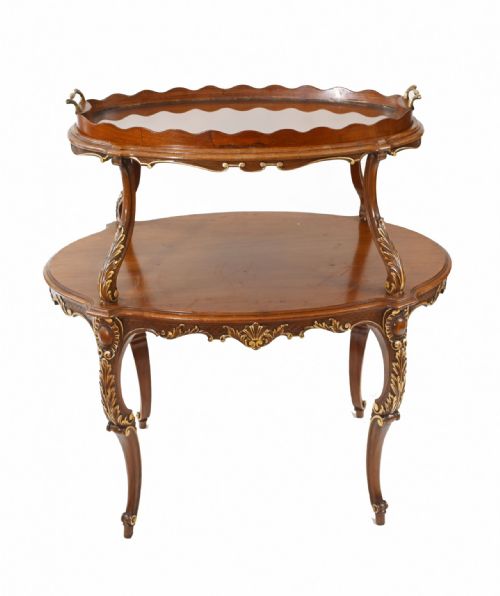
Console tables dominate the selection, frequently featuring shaped marble tops paired with giltwood or painted bases. Buyers also encounter walnut occasional tables, side pieces, and specialised lamp supports reflecting distinct regional aesthetics.
The objects date primarily from the eighteenth and nineteenth centuries, with occasional twentieth-century iterations reaching into the nineteen-thirties. Walnut and giltwood remain the most common mediums, often supplemented by gesso and paint.
How They Were Made
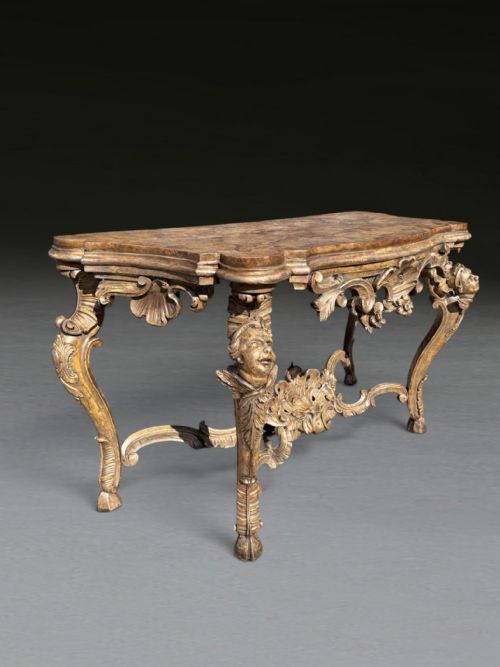
Craftsmen carved structural elements from European walnut, pine, and lime wood, applying layers of gesso to prepare surfaces for gilding or polychrome paint. Gold leaf and silver leaf were meticulously laid over bole to achieve reflective, luminous finishes on console frames and pedestals.
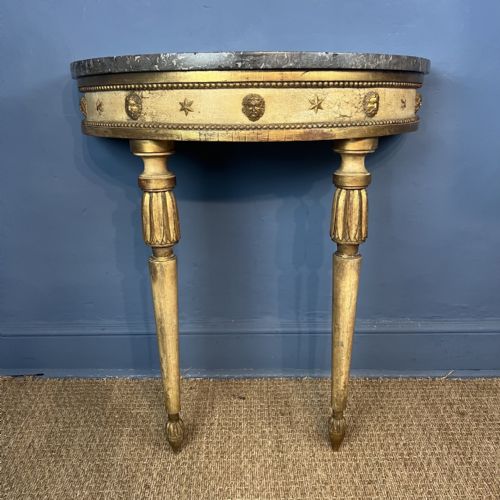
Tops incorporated heavy inset slabs of marble, alabaster, or breccia, shaped to follow serpentine or demi-lune contours. Joinery relied on traditional peg and tenon methods, whilst decorative detailing combined deep relief carving with parcel-gilt highlights.
A solitary Blackamoor table stands ready to hold afternoon tea with dramatic flair.
What Varies in Quality
The depth and fluidity of the hand-carving separate ambitious workshop output from simpler regional pieces. Crisp undercut foliage, expressive figural supports, and balanced proportions indicate superior craftsmanship.
The integration of materials dictates overall refinement, particularly the selection of figured walnut veneers, unblemished marble slabs, and skillfully applied water gilding. Intact original painted and gilt surfaces retain far more visual authority than later overpainting.
Pauly et Cie
The Italian Carved Side Table Glossary
- Console table
- A wall-mounted or freestanding table designed to stand against a vertical surface, frequently topped with marble. These pieces often feature elaborate apron carvings and scrolled legs.
- Giltwood
- Timber coated with gold leaf over a prepared gesso ground. This finish provides a brilliant reflective quality common in Baroque and Neoclassical furniture.
- Gesso
- A plaster mixture applied to wood surfaces as a smooth base for gilding or painting. It allows carvers to achieve sharp decorative details before applying leaf.
- Demi-lune
- A half-moon shape characteristic of console and side tables designed to fit flush against walls. This form softens room geometry while offering a compact surface.
- Parcel gilt
- A decorative treatment where only specific carved elements are highlighted with gold leaf against a painted or polished wood background. This technique accentuates architectural details.
Italian Carved Side Table: Frequently Asked Questions
Where should I place an Italian carved side table?
These tables anchor entryways, living rooms, and dining spaces when positioned flat against a wall. Console versions work well beneath mirrors or large artworks.
Smaller occasional and pedestal variations fit easily beside seating areas or act as lamp stands. Their decorative presence suits both traditional interiors and minimalist modern rooms.
How do I care for antique marble and gilt surfaces?
Dust marble tops gently with a soft, dry cloth and avoid acidic cleaners that etch the stone. Use coasters to protect porous surfaces from moisture.
Giltwood and painted finishes require delicate dry dusting only. Keep these items away from direct heat sources and strong sunlight to preserve the leaf and pigments.
How do I distinguish eighteenth-century pieces from nineteenth-century revivals?
Eighteenth-century examples often exhibit hand-cut construction marks, denser native timbers, and organic wear patterns consistent with age. Carving styles reflect Baroque or Neoclassical periods directly.
Nineteenth-century revival pieces frequently incorporate heavier proportions, machine-sawn elements, or revivalist stylistic combinations. Examining secondary woods and assembly techniques clarifies the timeline.
Are these tables sturdy enough for daily use?
Most antique console tables rely on wall attachment for total stability because of their heavy marble tops. Freestanding occasional tables handle normal items like lamps and books easily.
Care should be taken not to lean heavy weight onto wall-mounted consoles. Placing felt pads beneath objects prevents surface scratches on polished wood and stone.