


Italian Baroque Oil Portrait
An italian baroque oil portrait brings centuries of dramatic depth, religious devotion, and classical character directly into a room.
Italian Baroque Oil Portrait
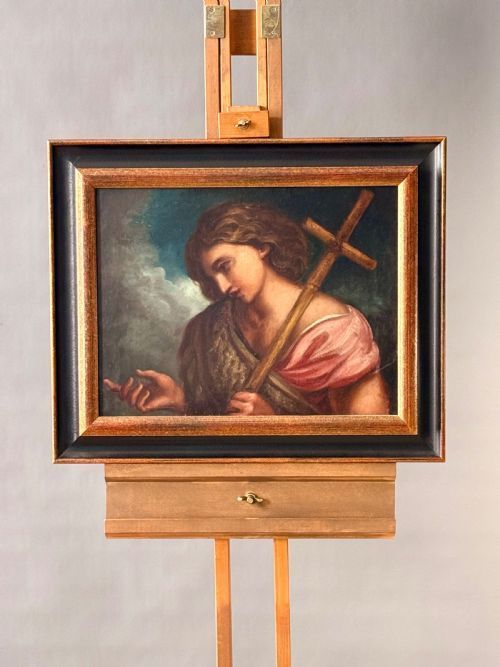
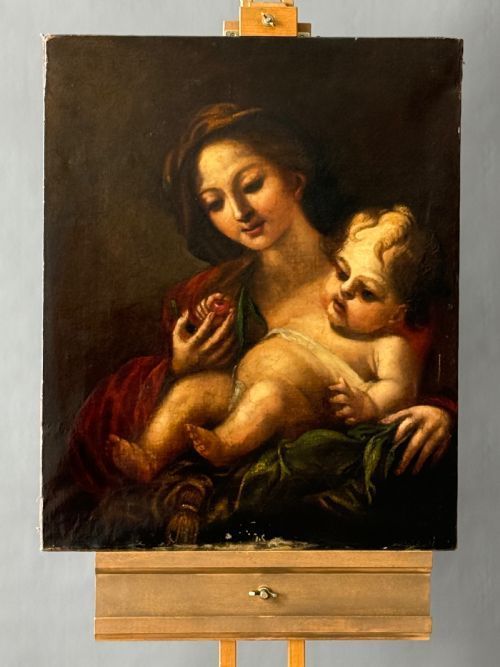
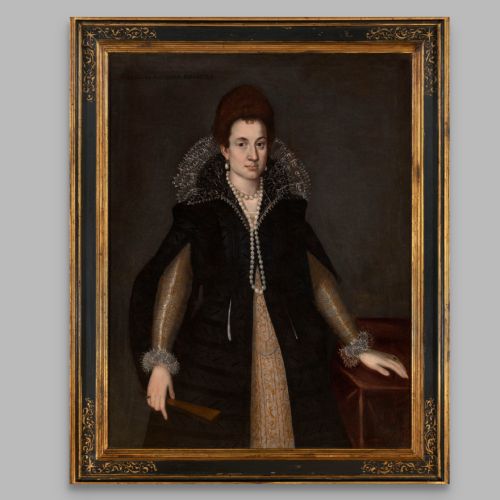
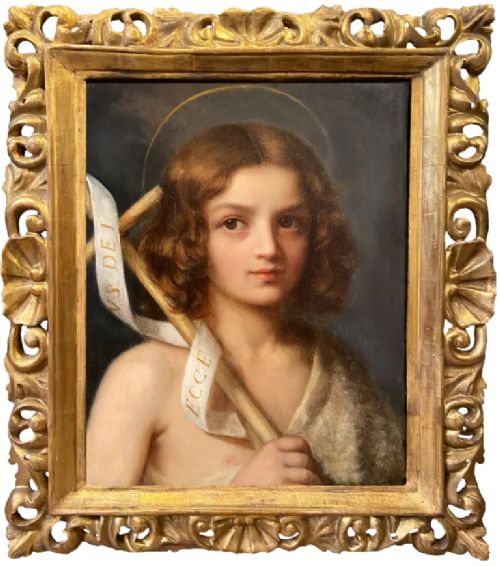
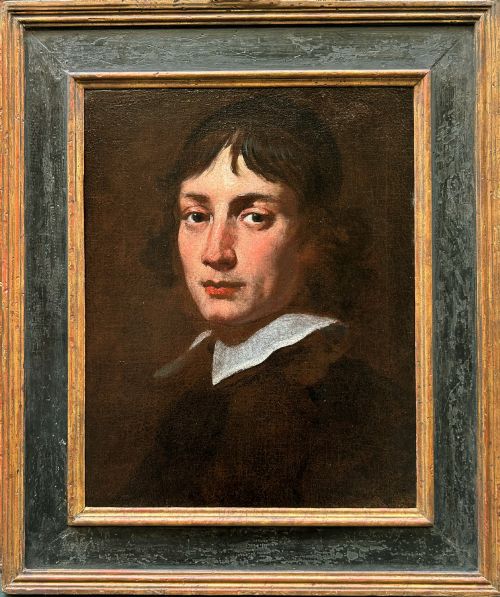
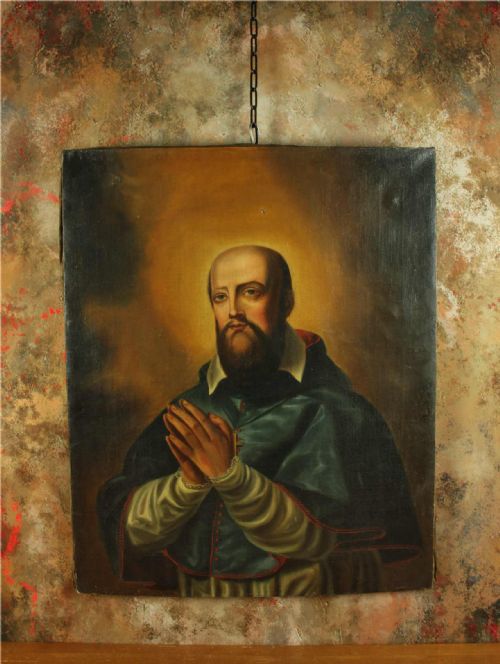
When searching for an italian baroque oil portrait, collectors encounter works spanning from the seventeenth century through to later revivals, reflecting diverse regional schools such as the Venetian, Roman, and Emilian traditions. These pieces frequently depict religious figures, saints, and notable personages rendered with the intense chiaroscuro and theatrical emotion characteristic of the era. The selection ranges from monumental canvases to intimate panel paintings set within carved giltwood frames.
The subjects on this page typically encompass sacred narratives, depictions of the Madonna, and contemplative studies of philosophers or sibyls created by regional workshops and followers of master painters. Buyers will find works executed on canvas as well as fruitwood panels, showing the varied output of Italian schools across multiple centuries. Each piece captures the distinct handling of light and shadow that defines the baroque aesthetic.
Materials and technique
These works are painted in oil upon prepared canvas or wooden supports, utilising rich pigments that build up deep shadows and luminous highlights. Artisans employed oil paint to achieve subtle gradations of tone, capturing the texture of fabrics and the expressive quality of human skin.
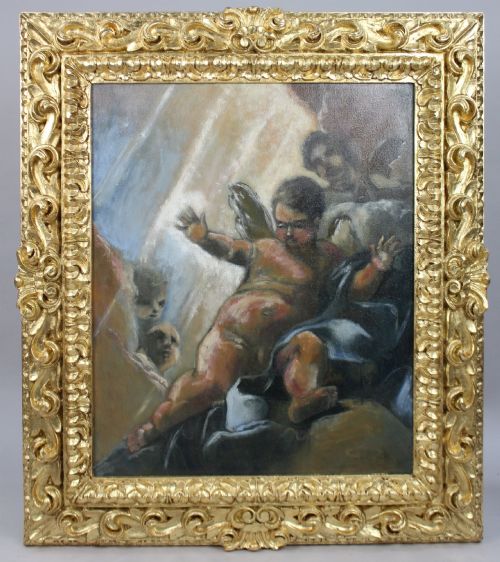
Many of these paintings are housed in carved giltwood frames that complement the ornate visual language of the period. Gold leaf is frequently applied to the woodwork, enhancing the warmth and theatrical presence of the artwork.
Materials recorded across the inventory include oil paint, canvas, fruitwood, and carved giltwood with gold leaf.
Judging quality in baroque portraiture
The distinction between works rests upon the confidence of the brushwork, the anatomical precision in the rendering of hands and faces, and the depth achieved through tonal layering. Superior examples demonstrate a sophisticated manipulation of light that creates genuine psychological resonance in the subject.
Condition and originality also dictate standing, particularly the stability of the canvas or wood panel and the preservation of the original paint surface beneath subsequent layers of varnish. The integration between the painting and its period frame contributes significantly to the overall integrity of the piece.
Pietro Fachetti·Francesco Solimena·Claude Lorrain·Domenico Zampieri·Bartolomeo Schedoni·Gian Lorenzo Bertolotto·Guido Reni·Pompeo Batoni·Fra Galgario
The Italian Baroque Oil Portrait Glossary
- Chiaroscuro
- A technique employing strong contrasts between light and dark to give a sense of volume to three-dimensional figures.
- Old Master
- A term applied to skilled European painters working before the nineteenth century.
- Giltwood
- Wood that has been treated with gold leaf or gold paint to create a decorative metallic surface.
- School
- A group of artists associated with a particular place, period, or leading master, sharing a similar style.
- Sibyl
- A prophetic woman in ancient mythology, frequently represented in classical and baroque art.
Italian Baroque Oil Portrait: Frequently Asked Questions
How should I hang an old master painting?
Select a wall away from direct sunlight and fluctuating heat sources to protect the delicate oil pigments and canvas.
Ensure the painting is secured with fixings appropriate for its weight and the construction of your wall.
What subjects are common in these portraits?
Religious figures dominate the genre, including depictions of saints, the Madonna, and biblical prophets painted with dramatic intensity.
Other works record secular subjects, philosophers, and notable individuals rendered by regional Italian schools.
Are these works painted on canvas?
Many examples are executed in oil upon traditional woven canvas supports prepared with gesso grounds.
Some pieces utilise wood panels, such as fruitwood, providing a rigid base for the painted composition.
How do I identify a regional school?
Regional characteristics reveal themselves through colour palettes, brushwork techniques, and the handling of atmospheric light.
Attributions often link works to specific traditions like the Venetian, Roman, or Emilian schools based on stylistic traits.