






Italian Baroque Furniture
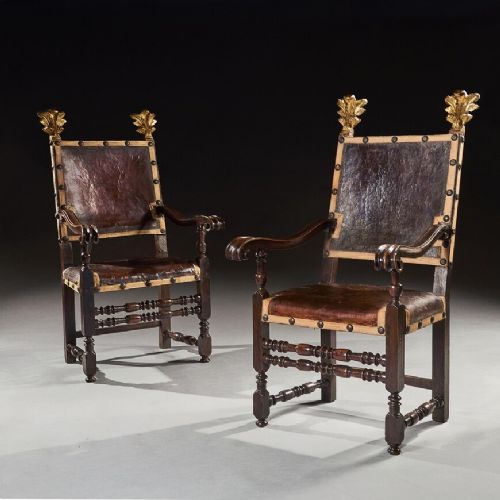
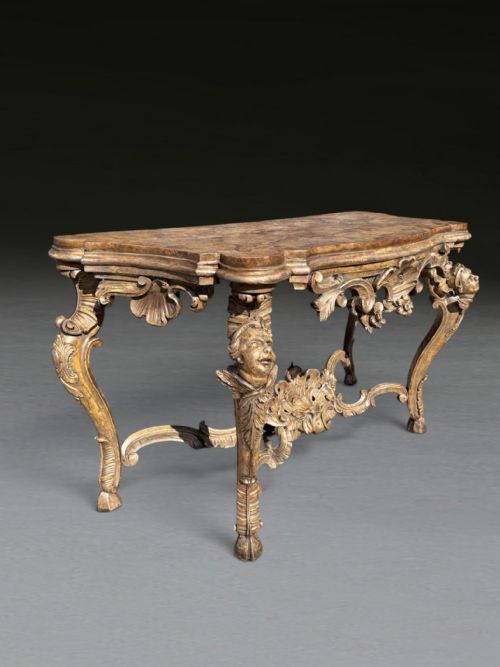
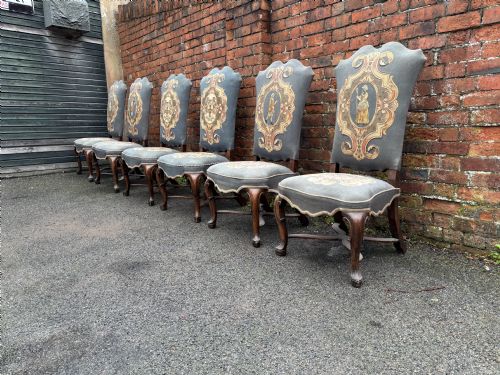
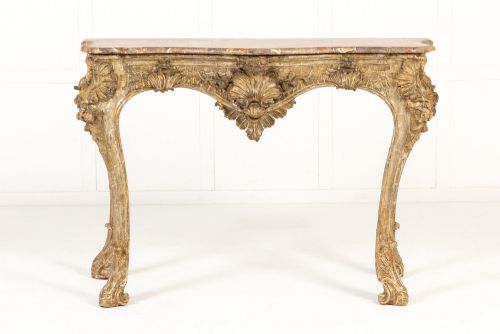
When you handle genuine italian baroque furniture, you encounter robust walnut, gleaming giltwood, and heavy marble fashioned into grand tables and seating.
Italian Baroque Furniture
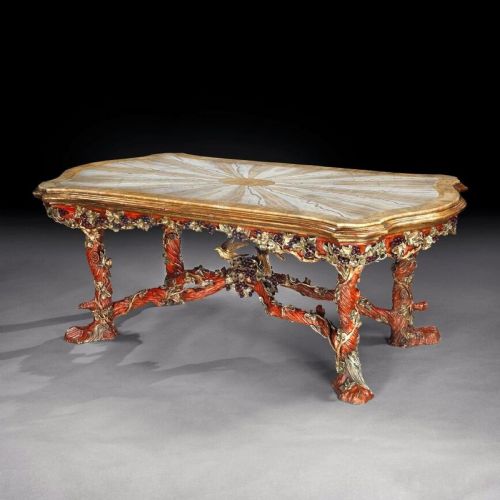
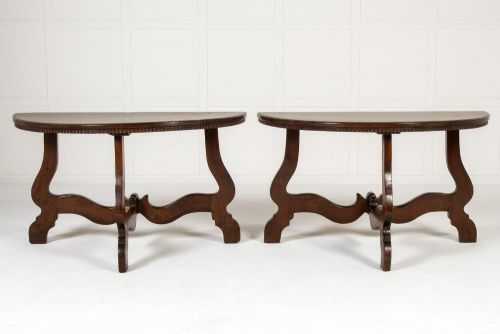
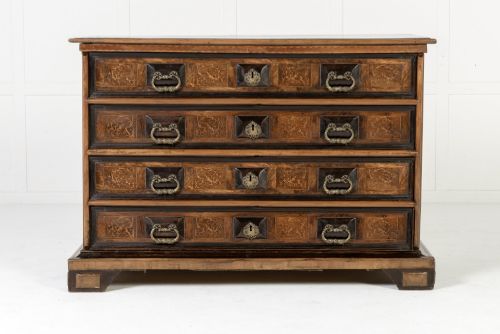
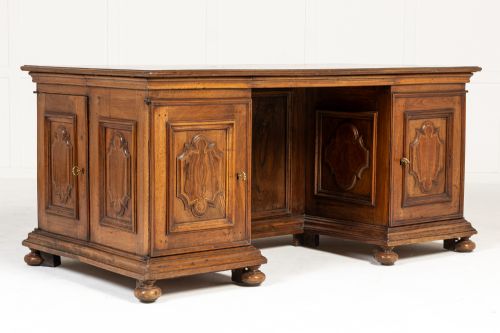
The walnut seating and giltwood console tables dominate the available examples, often accompanied by marble tops and painted finishes. Pieces range from austere seventeenth-century walnut cabinets to elaborate eighteenth-century giltwood tables supported by carved motifs.
Makers working across different periods utilised local materials to construct functional yet decorative household fixtures. The inventory spans straightforward storage commodes to ornate display surfaces reflecting regional Italian craftsmanship.
Materials and construction methods
Cabinet makers relied heavily on walnut and secondary woods to build the structural carcasses of cabinets, chests, and desks. Surfaces received applications of gesso, gold leaf, silvering, and polychrome paint to achieve rich visual textures.
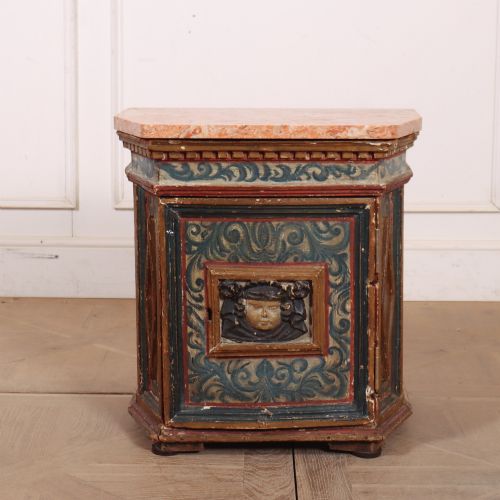
Decorative elements frequently incorporated carved wood, parcel-gilt details, and applied brass fittings. Tables and console pieces often integrated heavy marble or onyx slabs into their upper surfaces.
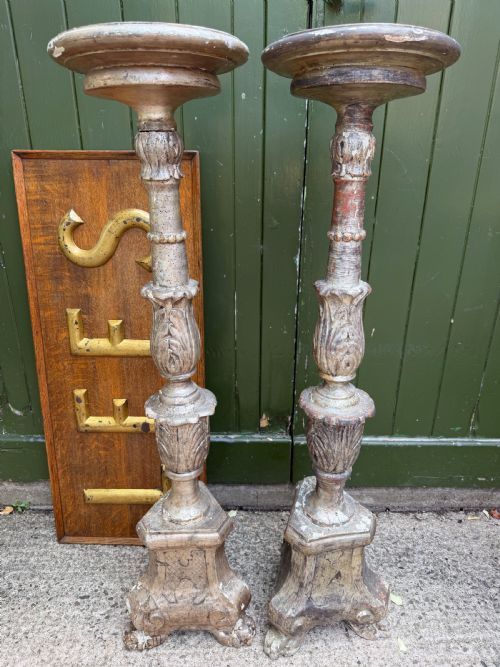
Joinery techniques supported complex serpentine and bombe shapes, particularly in commodes and bedside chests. Artisans also employed bobbin turning and elaborate carving to shape armchairs and support stands.
Carved wooden dolphins occasionally hold up nineteenth-century side tables, proving that Italian artisans enjoyed surprising marine fauna.
Distinctions in craftsmanship and condition
The finesse of the carving dictates the distinction between standard production and exceptional examples. Crisp details on lion's paw supports, dolphins, and floral motifs elevate the presence of console tables and armchairs.
Original surface treatments, such as patinated walnut, early gilding, and authentic painted finishes, determine the integrity of a piece. Later restorations and replaced marble tops alter the historical value of tables and commodes.
Amleto Bertoni·Pauly et Cie
The Italian Baroque Furniture Glossary
- Giltwood
- Wood that has been coated with gold leaf or gold paint. This technique provides a brilliant reflective surface for console tables and torchieres.
- Bombe
- An outward-swelling convex shape characteristic of certain commodes and chests. This curved contour requires skilled carpentry to execute properly in wood.
- Commode
- A low chest of drawers or cabinet used for storage. Eighteenth-century Italian versions often feature serpentine fronts and painted decoration.
- Torchiere
- A tall stand designed to hold a candle or light. These decorative pieces frequently employ carved and silvered wood.
- Cassone
- A traditional large chest used for storage, often associated with weddings. Early examples in walnut display significant decorative carving and gilding.
Italian Baroque Furniture: Frequently Asked Questions
How do I identify a true seventeenth-century piece?
Examine the timber selection, construction methods, and joinery details used in the piece. Seventeenth-century items typically display dense walnut construction with hand-cut joints rather than modern fasteners.
Look closely at the surface wear and patination accumulated over centuries of use. Genuine early pieces show natural ageing in the wood and traditional finishes like parcel-gilt accents.
Where should I place a heavy console table?
Position these substantial tables against a sturdy wall in a hallway, dining room, or principal reception space. Their monumental giltwood frames and marble tops require solid wall support and adequate floor space.
Ensure the placement protects delicate gilded or painted surfaces from direct sunlight and heavy household traffic. Keep them away from moisture sources to preserve the wood and gesso.
Are marble tops original to these tables?
Many console tables and side tables retain their original breccia marble or onyx tops, fitted precisely to the wooden base. Check the underside of the stone and the supporting frame for signs of contemporary alignment.
Replacement marble tops do occur due to historical breakages over generations of use. Inspect the contact points between the stone and the giltwood or walnut support for consistency.
How do I care for antique walnut furniture?
Maintain a stable indoor climate with consistent humidity levels to prevent the walnut timber from splitting or warping. Dust the surfaces gently with a dry, soft cloth without applying harsh chemical polishes.
Protect the wood from direct heat sources and liquid spills. Professional conservation is recommended for any structural repairs or restoration of historic finishes.