

Italian Lamps
Italian antique lamps bring warmth and sculptural presence to a room, spanning carved wood, gilded metal, and blown glass.
Italian Lamps
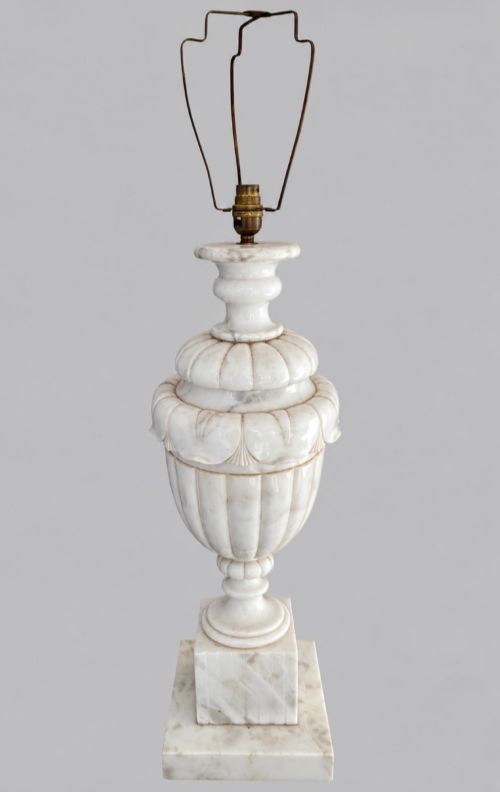
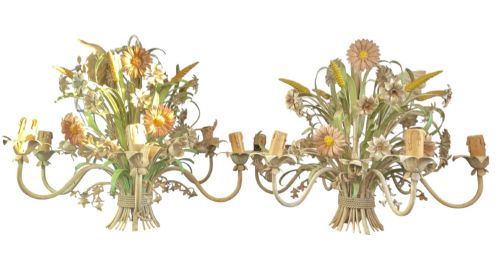
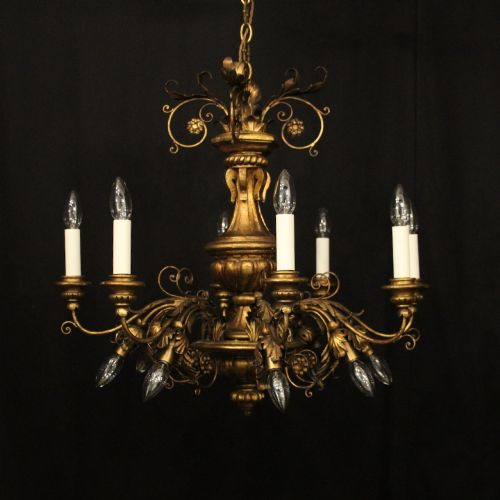
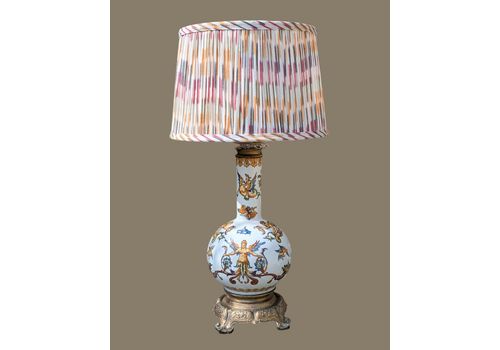
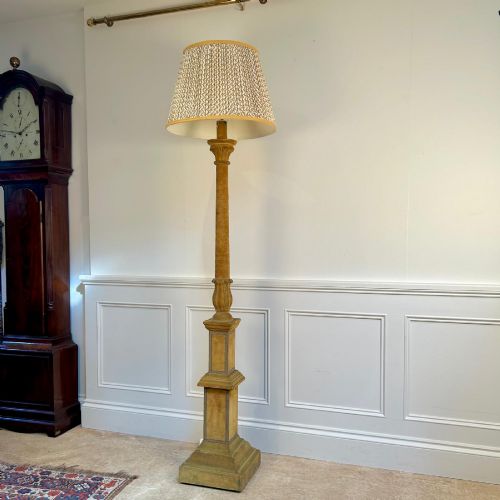
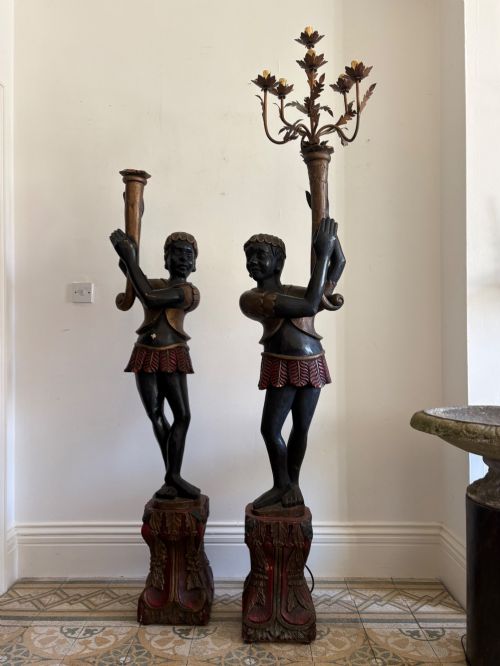
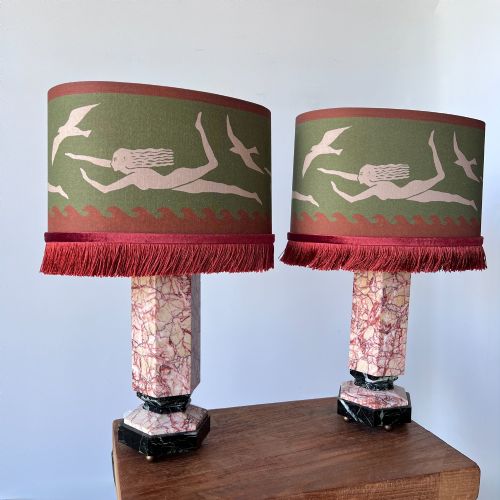
Italian antique lamps encompass table lamps, floor lamps, wall lights, and chandeliers originating from the eighteenth century through to the early twentieth century. When exploring italian antique lamps, buyers encounter diverse forms ranging from carved wooden floor standards to bronze oil lamps and glass table pieces.
The selection includes pieces influenced by Neoclassical, Italian Baroque, and Florentine styles. Many items reflect the Grand Tour tradition or utilise traditional materials like giltwood, brass, and marble.
Materials and construction
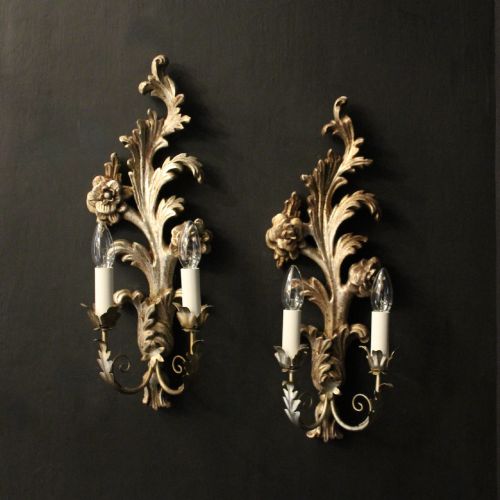
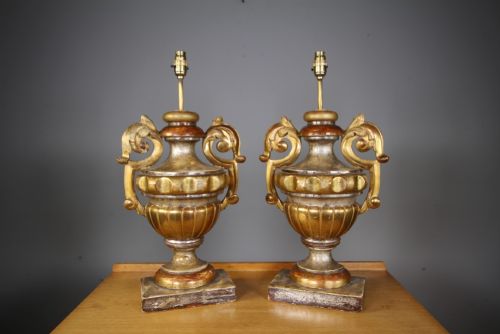
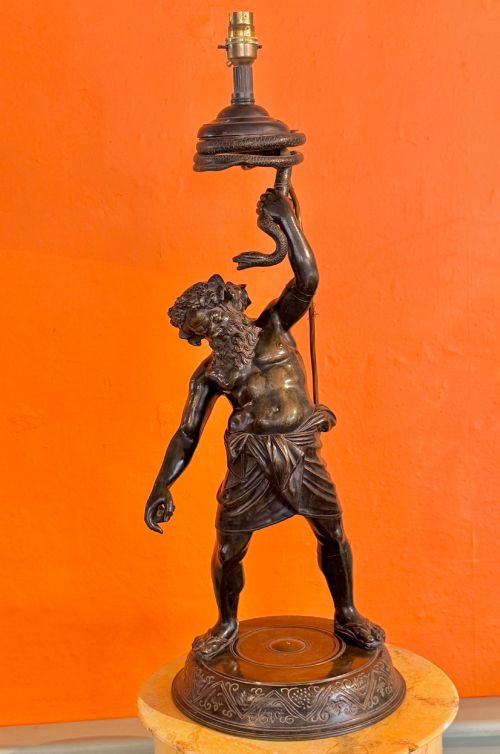
Carvers and gilders utilised wood, gesso, and gold leaf to build ornate floor lamps and wall lights, often applying silver or gold leaf over carved pine and giltwood bases. Metalworkers cast bronze and brass into intricate shapes such as urns, classical figures, and traditional lucerna oil lamps.
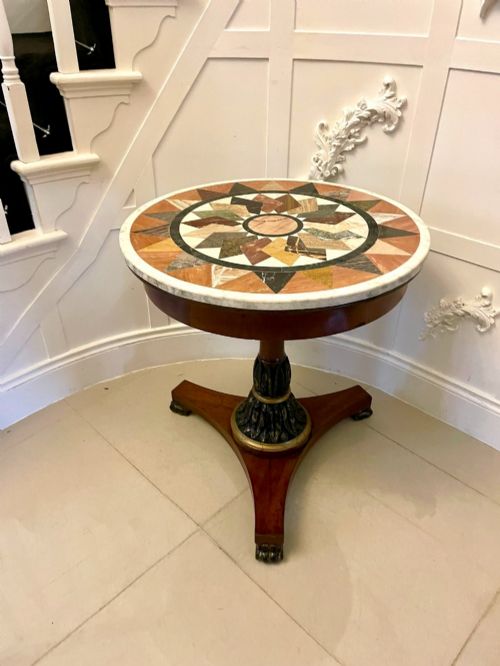
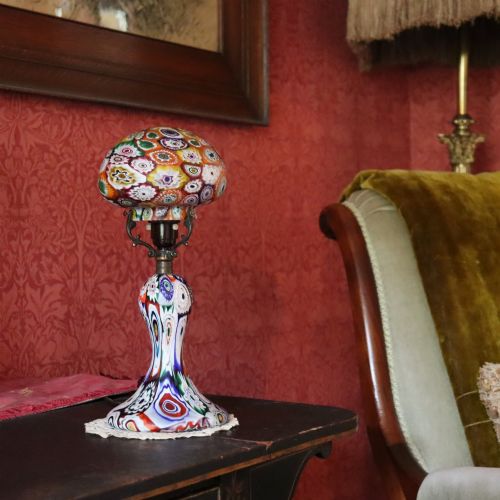
Glassmakers in Murano blew and shaped coloured or millefiori glass for specialised lamp bodies and chandeliers. Cabinetmakers incorporated walnut, ebonised timber, marquetried veneers, and bone inlay into associated table supports.
Italian Lamps Retail Price Guide 2026
Typical asking prices for italian lamps among the pieces listed under this phrase on Sellingantiques today, from the lower quarter to the upper quarter. They describe what is for sale here now, not the wider market.
A conch shell carved with Vesuvius glowing behind the Bay of Naples illuminates history from a desktop.
Craftsmanship and detail
The refinement of the carving and the depth of the gilding separate standard production from superior examples. Hand-chiselled bronze work, crisp detail in carved gesso, and balanced proportions in floor standards indicate higher artisan skill.
The integrity of the original surface finish, whether polychrome paint, silver leaf, or patinated bronze, preserves the historical character of the object. Pieces that retain their original structural mounts and wiring components demonstrate superior preservation.
G. Amodio Naples·Fratelli Toso
The Italian Lamps Glossary
- Giltwood
- Wood that has been coated with a thin layer of gold leaf or gold paint. This technique creates a luminous surface common on Italian wall lights and floor lamps.
- Lucerna
- An antique Italian oil lamp design usually cast in brass or bronze with multiple spouts. These functional pieces date back to classical traditions and later revival periods.
- Grand Tour
- A cultural journey undertaken by nineteenth-century Europeans collecting souvenirs such as bronze figures and carved shell lamps. These items often depict classical subjects and Italian landmarks.
- Murano
- Glass manufactured on the Venetian island of Murano. Pieces from this region utilise specialist techniques like millefiori to create colourful, patterned lamp bodies.
- Neoclassical
- A style inspired by classical antiquity prevalent in furniture and lighting design. It employs symmetrical forms, urn motifs, and restrained ornamentation.
Italian Lamps: Frequently Asked Questions
What periods do these lamps cover?
The lighting originates from various eras including the eighteenth, nineteenth, and early twentieth centuries. Makers drew upon Renaissance, Baroque, and Neoclassical design vocabularies across these periods.
Specific decades like the 1920s and 1930s also contributed distinct floor lamps and Murano glass pieces.
How were antique oil lamps adapted?
Many former oil lamps and candlesticks underwent conversion during the twentieth century to accommodate electrical wiring and standard bulb fittings. These adaptations allow historical bases to function safely in modern interiors.
Conversions often preserve the original metal or ceramic reservoirs while integrating modern internal wiring.
Where should floor lamps be placed?
Tall standards and giltwood floor lamps suit corners of reception rooms or beside large seating arrangements where their height provides adequate ambient illumination. Their sculptural qualities function as decorative focal points even when unlit.
Positioning them away from heavy foot traffic protects delicate carved bases and gilded surfaces.