


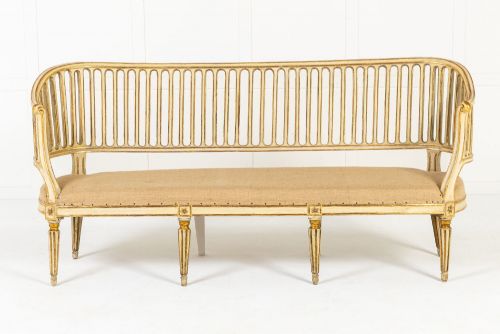


Italian Bench Seat
An italian antique bench seat brings undeniable architectural presence to a hallway, drawing the eye with centuries of regional craftsmanship and rich timber character.

Italian Bench Seat
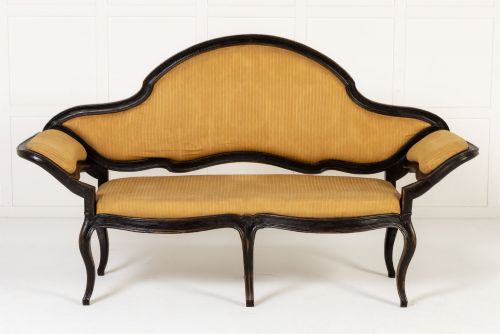
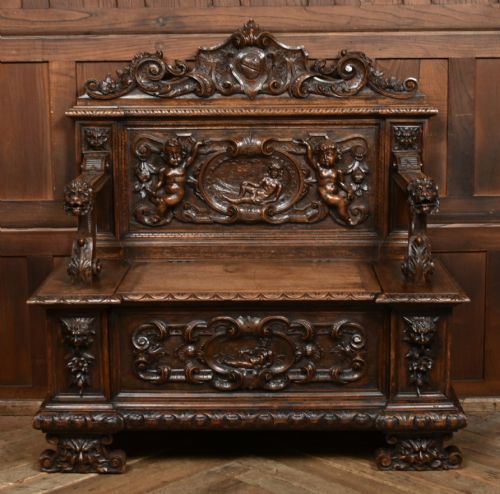
An italian antique bench seat encompasses substantial hall furniture and smaller seating forms, spanning robust walnut cassapancas and painted settees. These pieces originate from periods ranging across the eighteenth and nineteenth centuries, reflecting distinct regional tastes from Venice to Lombardy.
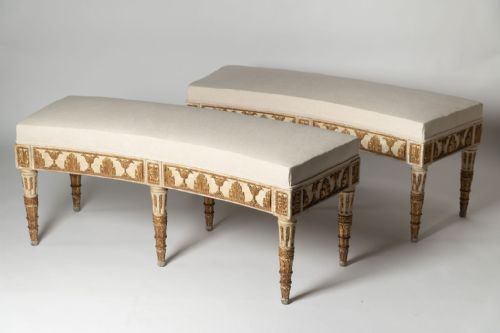
The selection frequently includes carved walnut hall benches alongside painted and gilded settees, offering both high-back architectural forms and low profile window seats. Buyers regularly encounter pieces displaying Italian Rococo, Neoclassical, and Renaissance Revival stylistic influences.
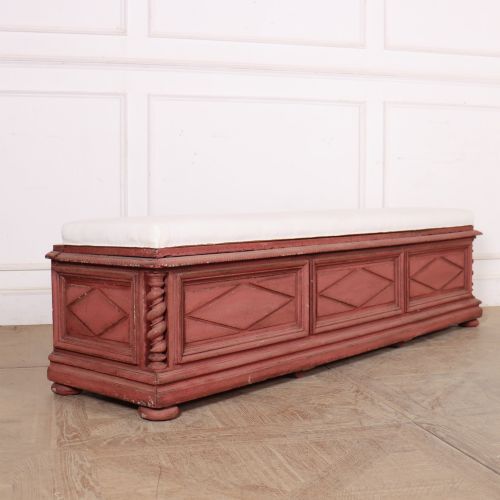
Form follows function across these examples, varying from large storage benches designed for grand entrances to elegant giltwood stools and gondola chairs. Walnut remains the predominant timber, often paired with decorative fabric or linen upholstery.
Materials and Construction
Cabinet makers utilised dense hardwoods like walnut, oak, and pine as structural foundations, shaping them through traditional joinery and hand carving. Walnut pieces demonstrate deep relief work, while pine and secondary softwoods serve as the base for painted and gilded surfaces.
Giltwood and gesso application required meticulous layer preparation on wood substrates to achieve the luminous finishes seen on Neoclassical and Rococo forms. Upholstered elements relied on natural fillings secured with traditional textiles such as linen and patterned fabric.
Walnut is the most frequently recorded timber across these listings, appearing alongside painted wood, giltwood, and gesso.
Assessing Quality and Execution
The distinction between ordinary and exceptional examples lies entirely in the depth and sharpness of the hand carving, particularly on walnut panels and giltwood details. Master carvers imparted a three-dimensional vitality to foliage and figures that mechanical replication simply cannot reproduce.
Original surface preservation heavily dictates desirability, with period painted finishes, patinated giltwood, and untouched wax surfaces commanding greater appreciation. Structural integrity in the joints and the retention of original timber components further separate standard pieces from masterworks.
The Italian Bench Seat Glossary
- Cassapanca
- A large wooden storage bench with a back and armrests, functioning as both seating and a chest in grand hallways. These pieces typically feature panelled construction in solid walnut.
- Giltwood
- Timber coated with a thin layer of gold leaf over a prepared gesso ground. This technique creates a brilliant reflective surface characteristic of high-status Italian seating.
- Gesso
- A plaster-like mixture applied to wood surfaces to provide a smooth base for gilding and paint. Artisans carved intricate details directly into this cured ground.
- Curule stool
- An ancient Roman stool design featuring two curved legs intersecting in an X-shape. Revival periods reinterpreted this ancient form with carved walnut and gilt embellishments.
- Tete a tete
- A conversational double seat allowing two people to sit facing opposite directions in an S-curve configuration. These upholstered pieces often feature elaborate carved frames.
Italian Bench Seat: Frequently Asked Questions
Where should I place an antique bench?
These pieces suit grand entrance halls, wide corridors, or living rooms where their architectural presence can be fully appreciated.
Larger cassapancas also serve a practical purpose at the foot of a bed or providing generous seating around a dining table.
How do I care for antique wood seating?
Maintain the timber by applying a microcrystalline wax sparingly to nourish the grain and protect the historic surface.
Keep the seating away from direct heat sources and strong sunlight to prevent the wood from drying and cracking.
Can I use an antique bench for daily seating?
Solid walnut and oak frames remain structurally robust for everyday use, provided the joints are stable and secure.
Upholstered settees and delicate giltwood stools benefit from more mindful usage due to their age and construction.
How do I identify the period of a bench?
Examine the tool marks, timber shrinkage, and joinery methods visible on the underside and interior of the piece.
Stylistic motifs like Rococo asymmetry or Neoclassical symmetry offer further clues to the manufacturing decade.