



Iron Fireplace Kerb
An iron fireplace kerb guards the hearth with sturdy metalwork, framing the fire while stopping stray embers from rolling onto the floorboards.
Iron Fireplace Kerb
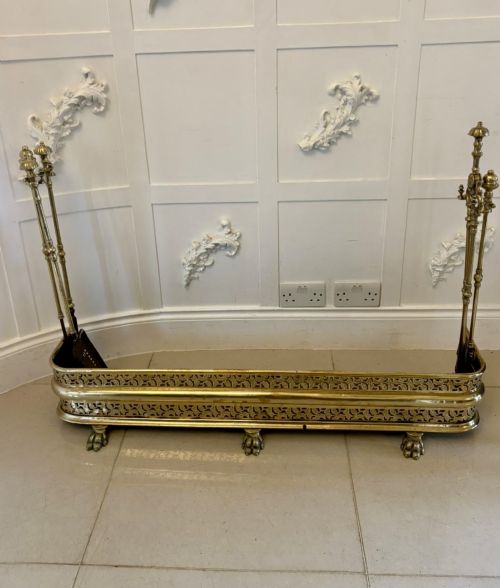
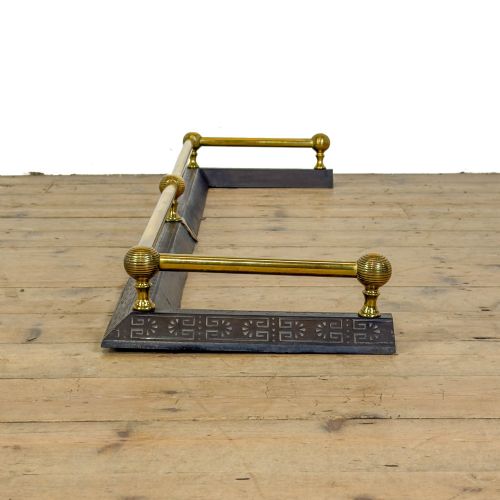
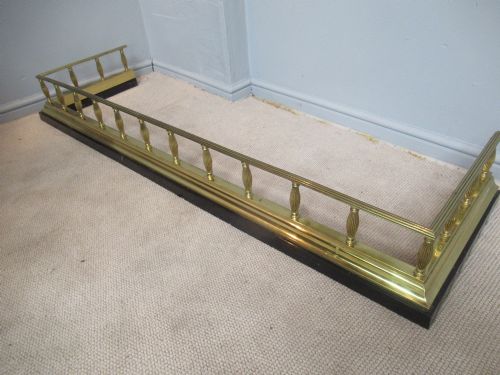
An iron fireplace kerb provides a functional boundary for the hearth, appearing across periods from the Georgian era through to the Edwardian years. These items frequently combine iron with brass or steel, taking curved or straight forms to fit standard fireplaces.
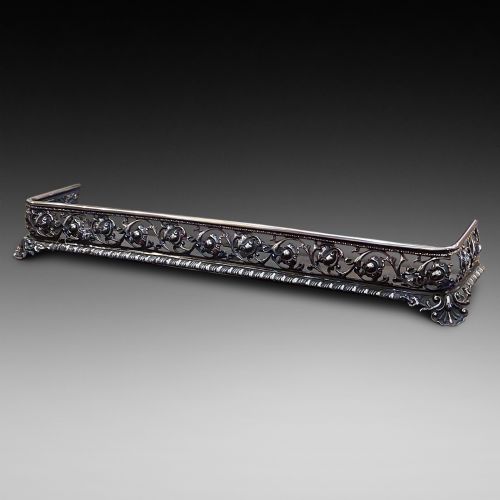
The selections available here range from simple Victorian designs to more elaborate French Rococo, Regency, and Arts & Crafts styles. Many examples originate from the nineteenth century, sometimes accompanied by matching fire irons or companion sets.
How they were made
Makers utilised cast iron, forged steel, and heavy brass to construct these sturdy hearth barriers, often incorporating bronze mounts or ormolu details. Metalworkers cast structural sections in moulds or hammered steel and iron bars into specific curved and straight profiles.
Finishes vary from polished steel and lacquered brass to parcel gilt bronze, reflecting the decorative tastes of the Georgian, Victorian, and Edwardian periods.
Some nineteenth-century hearth kerbs come equipped with heavy brass fire irons ready for duty.
What varies in quality
The weight of the metal and the crispness of the casting separate standard items from superior examples. Heavier gauge iron and thick brass plating indicate higher production standards.
Refinement in decorative mounts, such as detailed cherubs or precise pierced brass galleries, marks out pieces of exceptional merit.
The Iron Fireplace Kerb Glossary
- Kerb
- A metal barrier placed on the floor around a hearth to contain ash and embers. It is also commonly called a fender.
- Chenet
- An ornamental andiron used at the front of a fireplace to support logs. French examples often feature gilt bronze or parcel gilt cherub motifs.
- Ormolu
- Gilt bronze ornament applied to metalwork during the eighteenth and nineteenth centuries. This decorative technique adds golden highlights to iron and brass frames.
- Fireguard
- A protective mesh or metal screen fitted to the fender. These guards prevent sparks from reaching room furnishings.
Iron Fireplace Kerb: Frequently Asked Questions
What is an iron fireplace kerb?
An iron fireplace kerb is a protective metal frame placed on the floor directly in front of an open hearth. It serves to keep burning fuel and hot embers safely contained within the fireplace opening.
These pieces also define the hearth area visually, often incorporating brass rails, steel bars, or decorative fire irons.
How do I measure for a kerb?
Measure the width and depth of your hearth space carefully before selecting a kerb. Ensure you account for the projection of the fireplace surround and any hearthstones.
Keep in mind that some period pieces feature adjustable frames to accommodate varying hearth dimensions.
How do I clean an iron kerb?
Clean cast iron and steel components gently with a soft brush to remove dust and soot accumulation. Avoid harsh chemical cleaners that can strip historic finishes from the metal.
Brass and bronze elements may be polished sparingly if desired, though many collectors prefer to leave an aged patina intact.
How do I date an iron kerb?
Examine the metal type, construction methods, and stylistic motifs to determine the period of manufacture. Georgian and Regency pieces tend to feature restrained steel and brass designs, while Victorian and Edwardian examples often display heavier cast iron work or elaborate Arts & Crafts details.
fasteners, joinery techniques, and accompanying fire tools can also offer clues regarding the date of production.