


Iron Brolly Holder
An iron brolly holder is a sturdy hallway essential designed to keep wet umbrellas and walking sticks contained.
Iron Brolly Holder
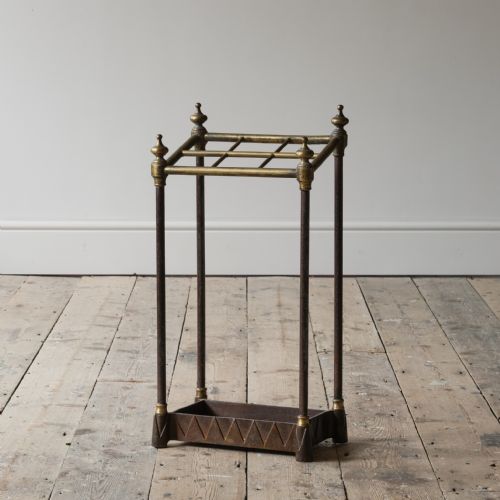
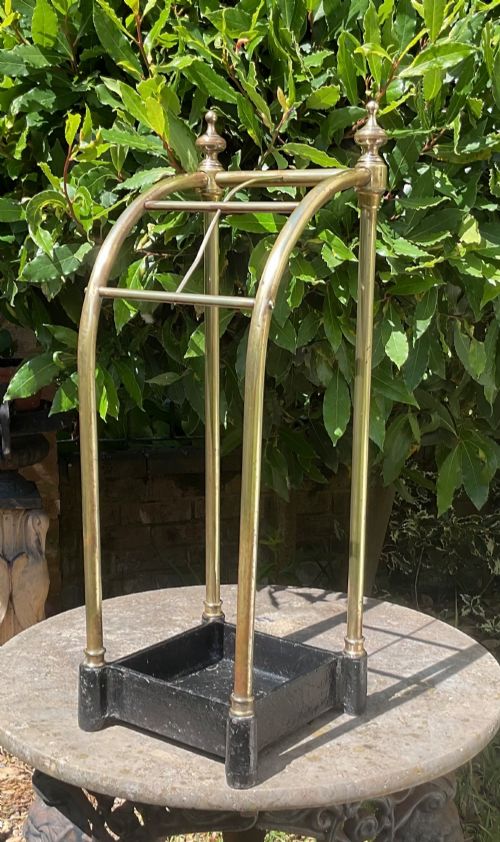
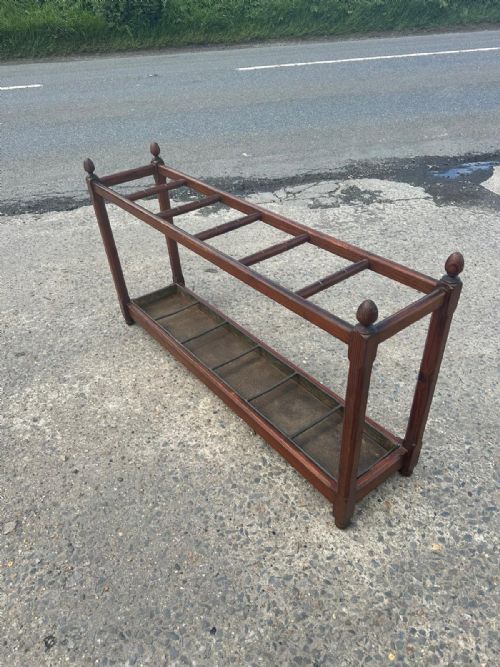
An iron brolly holder serves as a practical hallway fixture designed to contain wet umbrellas and walking sticks. When searching for an iron brolly holder, you encounter heavy functional items primarily originating from the nineteenth century and the Edwardian era. These pieces frequently appear in robust cast iron, sometimes combined with brass components or pitch pine frames.
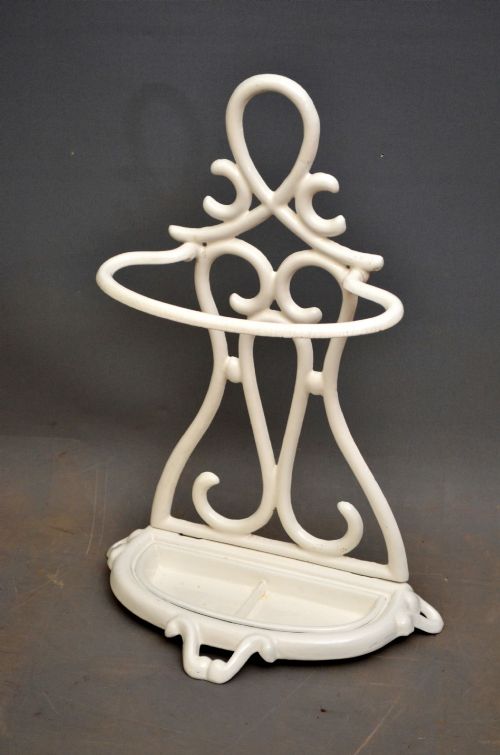
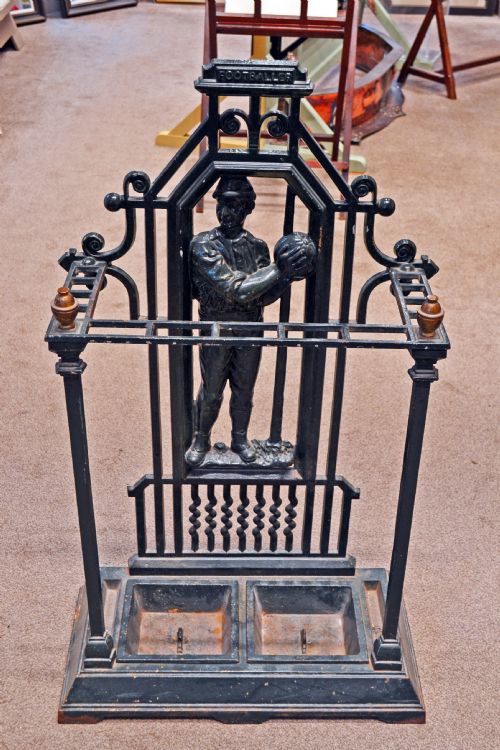
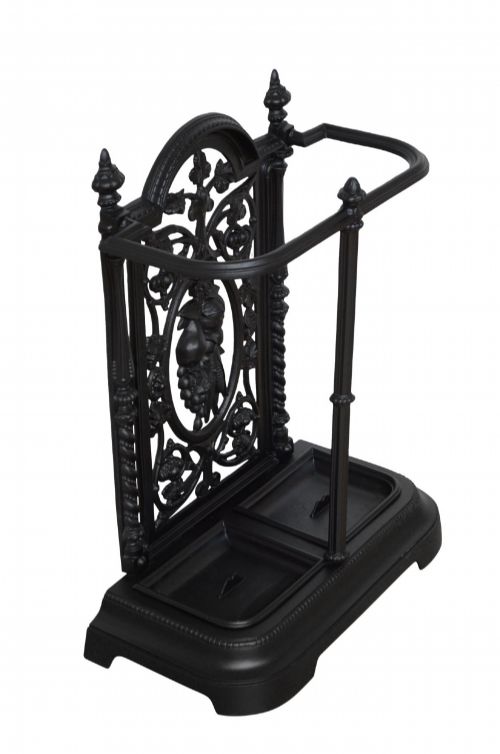
The most common form on this page is the cast iron umbrella stand, often styled in the Victorian taste or featuring French Art Nouveau curves. Pieces range from large circular or oval stands to portico designs equipped with dedicated umbrella loops. Manufacturers also produced variations incorporating white enamel finishes or specialised motifs like figures.
Stylistic influences span from strict Victorian country house utilitarianism to ornate continental designs dated around nineteen hundred. Buyers select these items for their enduring utility and strong decorative presence in domestic entrance halls.
How they were made
Makers utilised heavy casting techniques to shape molten metal into rigid, durable frames capable of supporting heavy walking sticks and damp umbrellas. Cast iron provided the structural backbone for the majority of these stands, allowing for intricate openwork patterns and solid drip trays.
Workshop construction frequently incorporated secondary materials such as brass for rails and trim, alongside pitch pine for wooden backing or framework in country house examples. Some surfaces received a white enamel finish to brighten the interior and protect the metal from moisture corrosion.
What varies in quality
The distinction between standard utility items and finer examples rests upon the crispness of the iron casting and the sophistication of the design. Elaborate French Art Nouveau curves or detailed portico architectural elements represent a higher grade of manufacture than plain functional frames.
Material combinations also influence the standing of a piece, particularly where brass hardware or pitch pine joinery complements the primary iron structure. Stands retaining original surface finishes like white enamel display superior integrity compared to altered examples.
The Iron Brolly Holder Glossary
- Cast iron
- A strong, rigid alloy poured into moulds to create heavy decorative and structural objects. It forms the primary material for the majority of umbrella stands on this page.
- Pitch pine
- A durable resinous softwood utilised in nineteenth-century country house furniture and stand frames. It provides a warm wooden contrast to cold metal components.
- Portico stand
- An architectural furniture form featuring columns or uprights resembling a classical portico. These designs frame the stored sticks and umbrellas within a structured compartment.
- Art Nouveau
- A decorative style characterised by flowing, organic lines and plant-inspired motifs popular around nineteen hundred. French examples demonstrate this sinuous aesthetic in cast iron.
Iron Brolly Holder: Frequently Asked Questions
What is an iron brolly holder?
An iron brolly holder is a heavy hall stand built to hold wet umbrellas and walking sticks off the floor. They use robust metal frames to withstand daily household use.
Most examples date from the Victorian and Edwardian periods, utilising cast iron for durability and stability. They remain practical additions to traditional entranceways.
How do I date an umbrella stand?
Dating relies on stylistic clues and construction materials recorded across the nineteenth and early twentieth centuries. Victorian and Edwardian pieces show distinct decorative patterns.
For instance, organic flowing lines point towards nineteen hundred Art Nouveau aesthetics. Heavier utilitarian forms typically align with nineteenth-century manufacturing traditions.
Where were these stands placed?
These pieces traditionally stood in hallways, foyers, and boot rooms of period homes. Their primary role was catching water drips from wet weather gear.
The heavy iron base ensured the stand remained stable when loaded with heavy walking sticks and golf umbrellas.
Are brass and iron combined?
Many stands integrate brass rails and accents alongside the main cast iron structure. This combination offered both structural strength and contrasting visual detail.
Makers utilised brass for decorative trim and hanging loops while keeping the heavy base in iron for stability.