

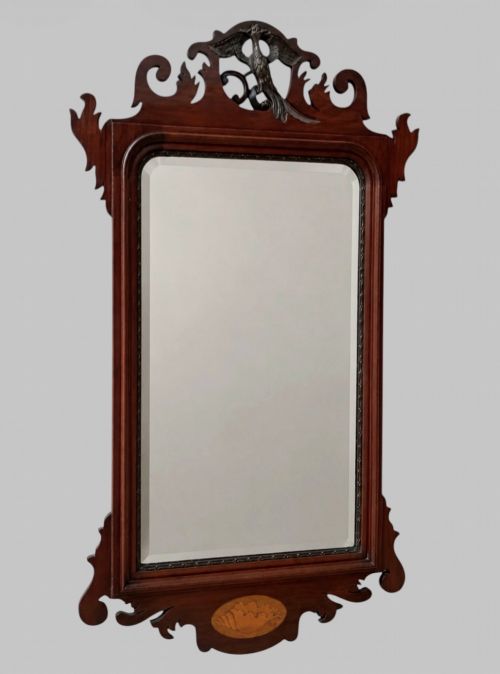


Inlay Wood Wall Mirror
An inlay wood wall mirror brings warmth and pattern to a room, combining timber frames with delicate marquetry, bone, or brass.
Inlay Wood Wall Mirror
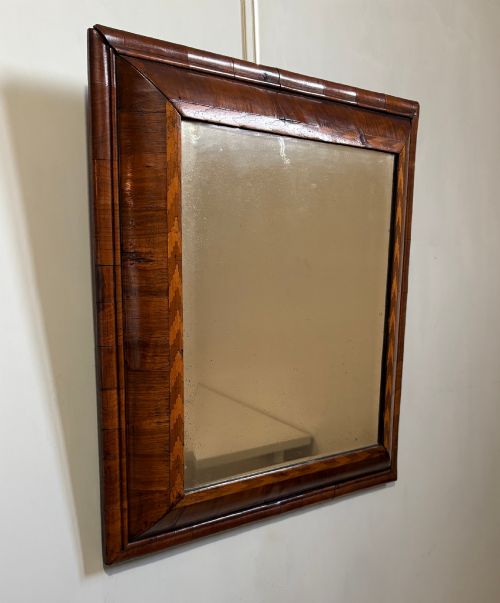
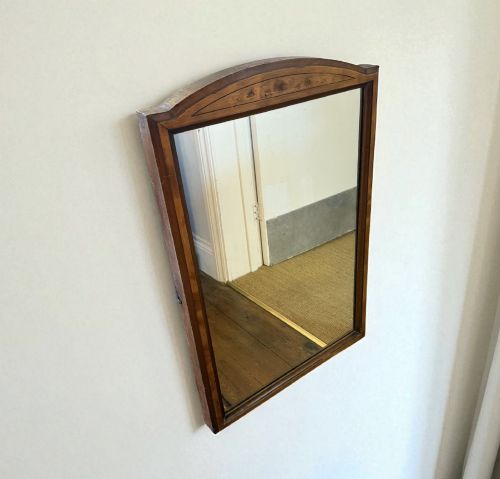
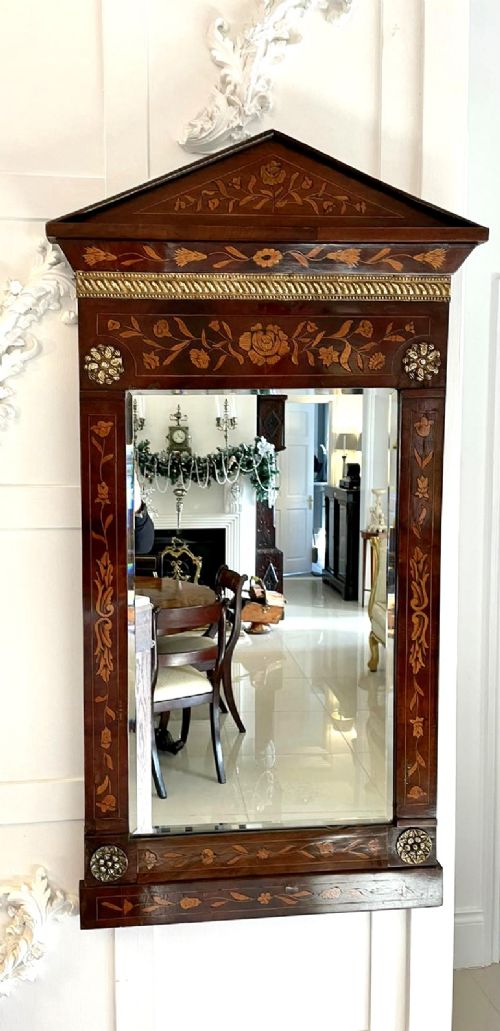
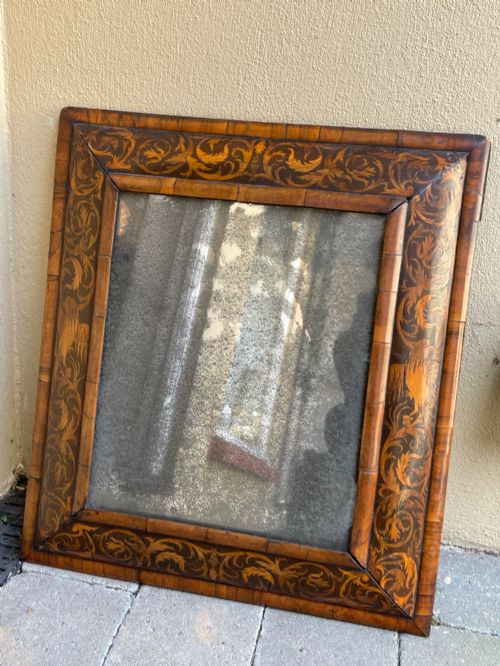
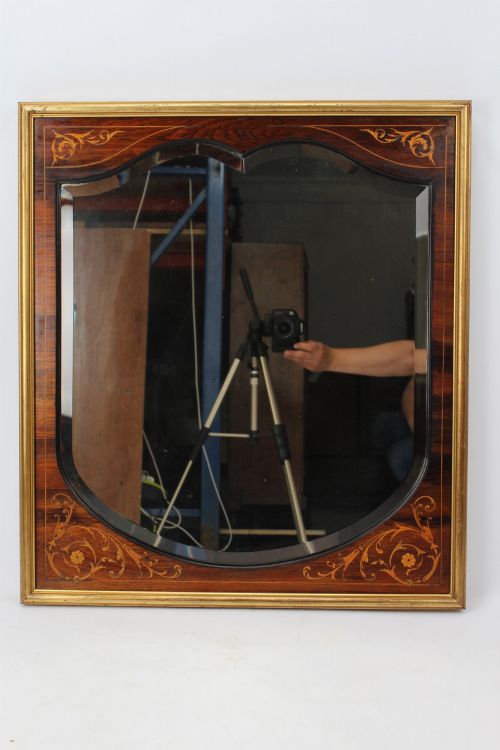
An inlay wood wall mirror spans several centuries of decorative design, ranging from Georgian mahogany and walnut pieces to Edwardian rosewood overmantels. You will frequently encounter Victorian and Edwardian examples featuring detailed marquetry or contrasting timber bands.
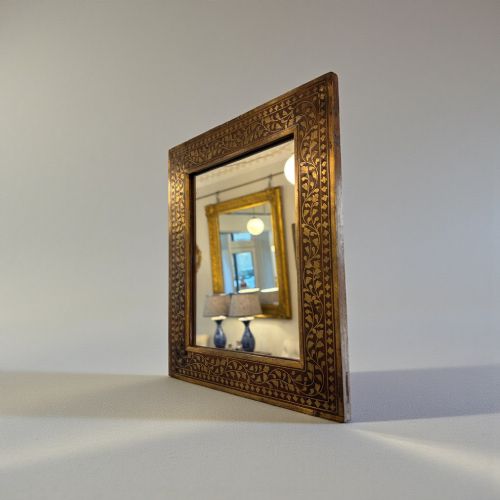
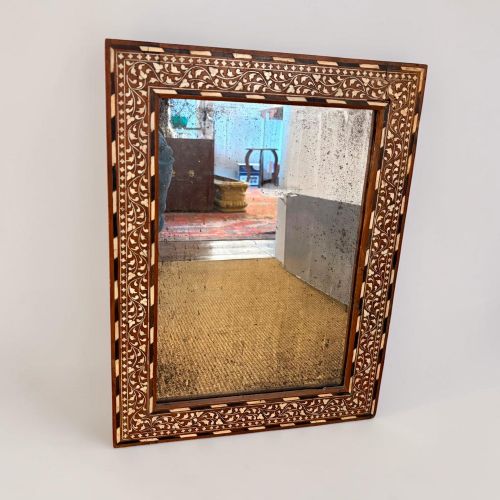
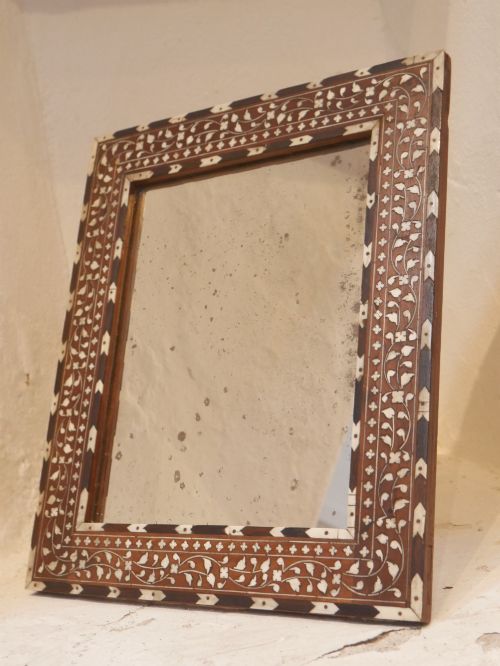
The selection also reaches across international traditions, including Anglo-Indian Hoshiarpur work in shisham wood alongside Syrian Damascus mirrors inlaid with bone and mother-of-pearl. These diverse regional forms all function as functional wall hangings defined by intricate surface ornamentation.
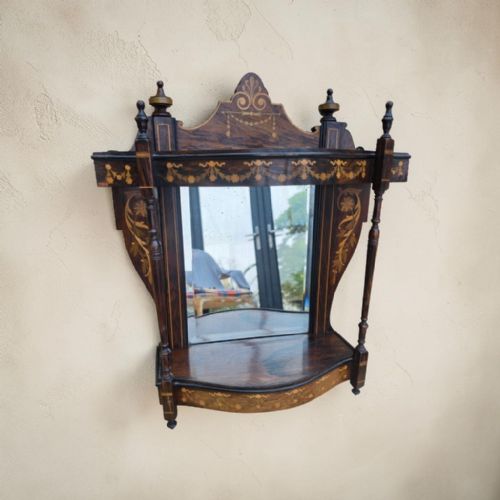
Alongside standard wall mirrors, the selection includes overmantel mirrors designed to sit above fireplaces and smaller hall mirrors occasionally accompanied by integrated shelves. Each piece uses reflective glass paired with elaborate wooden frames to catch and distribute light within a domestic interior.
How they were made
Frames are built from hardwoods such as mahogany, walnut, rosewood, and beech, which provide a stable foundation for decorative surface work. Craftsmen applied contrasting veneers and woods to create geometric borders and pictorial marquetry scenes.
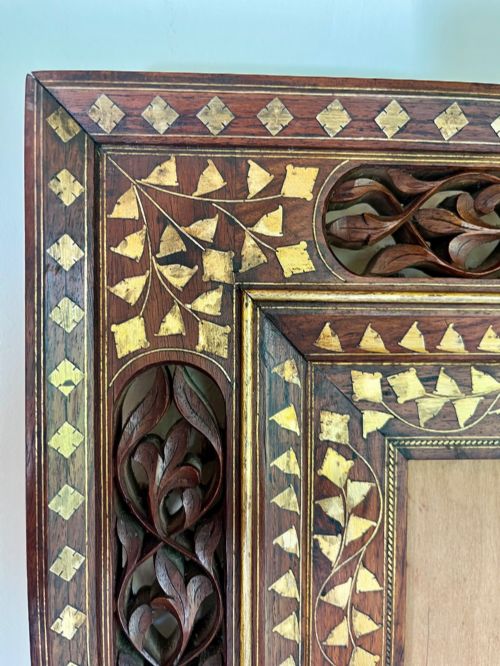
Surface detailing often incorporates bone, mother-of-pearl, brass wire, or ormolu, pressed into hand-cut recesses within the timber. Regional workshops also utilised piercing and fretwork techniques to carve openwork patterns directly into the wooden or shisham frames.
Inlay Wood Wall Mirror Retail Price Guide 2026
Typical asking prices for inlay wood wall mirror among the pieces listed under this phrase on Sellingantiques today, from the lower quarter to the upper quarter. They describe what is for sale here now, not the wider market.
Several mirrors arrive with tiny built-in shelves, perfect for leaving behind a dropped pocket watch or a stray hairpin at the end of the hall.
What varies in quality
The precision and complexity of the marquetry or inlay work set finer examples apart from simpler production. Superior pieces display tightly fitted veneers and intricate pictorial or geometric arrangements without gaps or clumsy repairs in the timber.
The execution of the frame carving and the choice of primary wood significantly influence a piece's standing. Fretwork frames with crisp, deep edges and mirrors retaining their original bevelled glass or mercury plates represent the upper tier of craftsmanship.
Rowley Gallery
The Inlay Wood Wall Mirror Glossary
- Marquetry
- The art of applying pieces of veneer to a structure to form decorative patterns and pictures. It uses varied timber tones to create visual depth on flat surfaces.
- Overmantel mirror
- A large mirror designed specifically to be hung on the wall immediately above a fireplace mantelpiece. These often feature wide horizontal proportions and ornate framing.
- Fretwork
- Ornamental design executed by cutting patterns in wood with a fretsaw. This technique creates lightweight, pierced wooden borders around the mirror glass.
- Mashrabiya
- An architectural element of projecting oriel windows enclosed by carved wood lattices. In mirror frames, it translates to intricate geometric wooden joinery.
- Shisham
- Indian rosewood known for its dense grain and durability. It serves as the primary structural wood for many detailed Hoshiarpur mirror frames.
Inlay Wood Wall Mirror: Frequently Asked Questions
Where should I place an inlay wood wall mirror?
These mirrors suit hallways, living rooms, and bedrooms, particularly when positioned to reflect natural daylight from a nearby window. Placing them above a fireplace or a hall table creates a traditional focal point in the room.
Keep them away from direct, harsh sunlight and damp environments to protect the delicate wood veneers and inlaid bone or brass details.
How do I clean an antique inlaid frame?
Dust the wooden frame gently with a soft, dry cloth to remove surface particles without disturbing the veneers. Avoid using harsh chemical sprays, abrasive cloths, or excessive water that could loosen the old glue.
Apply a very sparing amount of appropriate microcrystalline wax to nourished hardwoods occasionally, keeping polish away from any porous bone or mother-of-pearl inlay.
How can I tell an Edwardian mirror from a Georgian one?
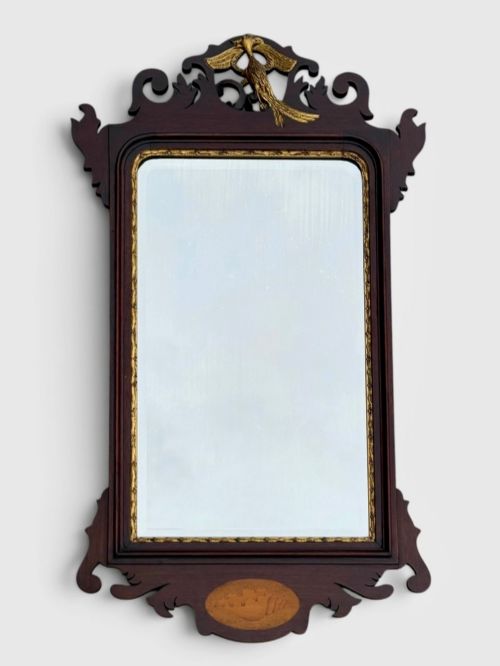
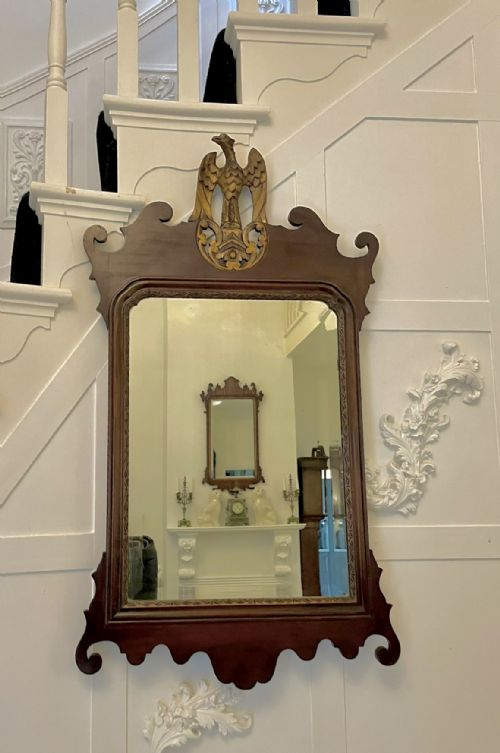
Georgian mirrors often feature rich mahogany or walnut timbers with restrained classical motifs, such as Ho Ho birds or gilded fretwork outlines. Edwardian pieces frequently utilise rosewood with lighter satinwood stringing and broader overmantel proportions.
Examining the construction methods, backboards, and types of mirror glass can also provide clear clues regarding the true period of manufacture.