
Inlaid Wooden Pedestal
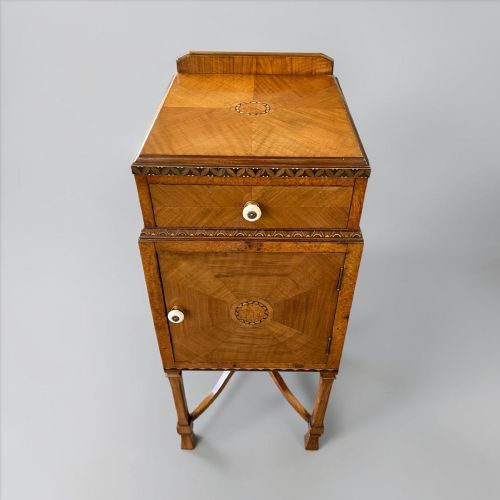
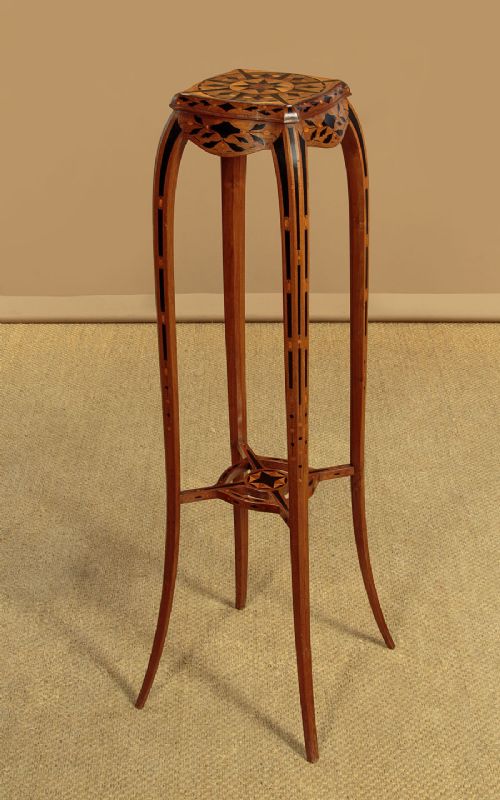
An inlaid wooden pedestal brings refined surfaces and classical proportions into a room.
Inlaid Wooden Pedestal
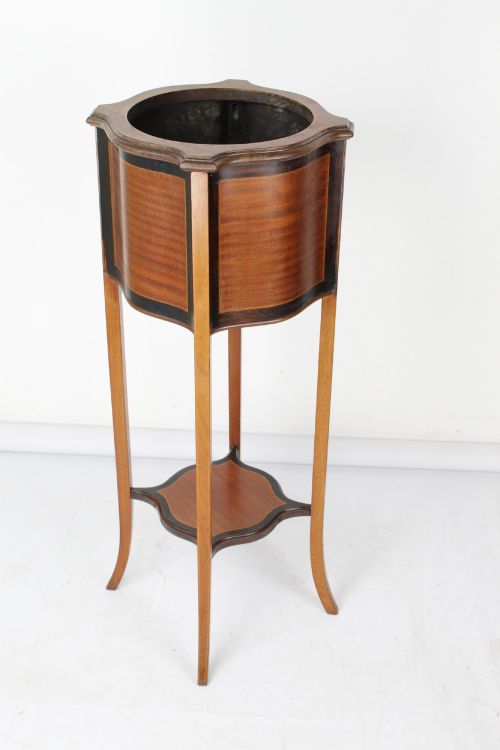
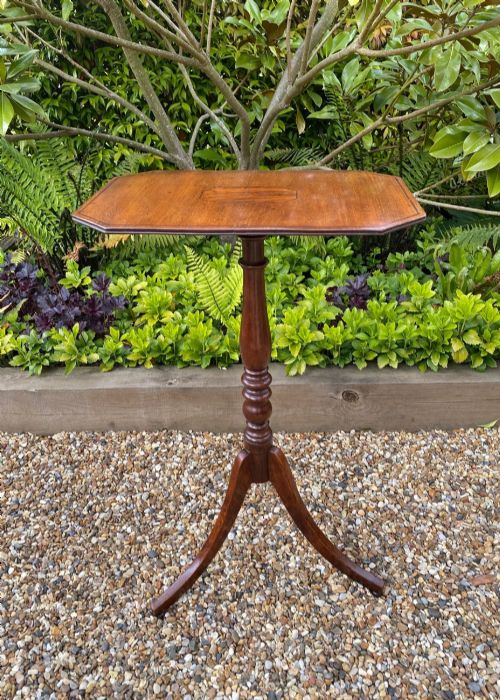
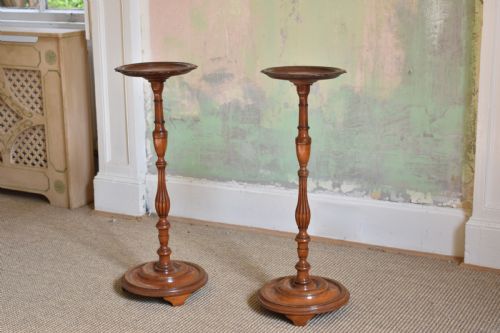
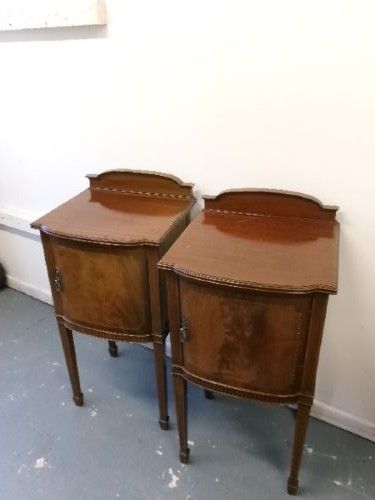
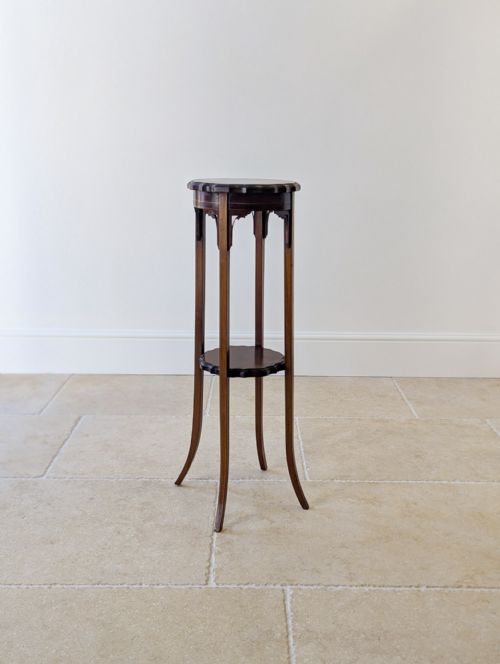
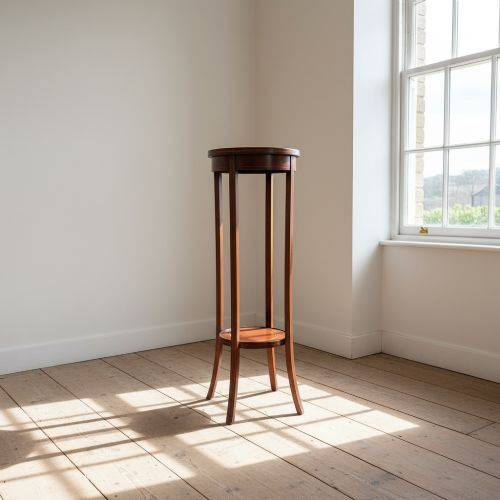
An inlaid wooden pedestal serves as a raised support for decorative objects, plants, or small lamps, elevating them for display. When searching for an inlaid wooden pedestal, buyers encounter various forms including plant stands, torchères, and occasional tables spanning the Georgian, Victorian, and Edwardian periods.
How they were made
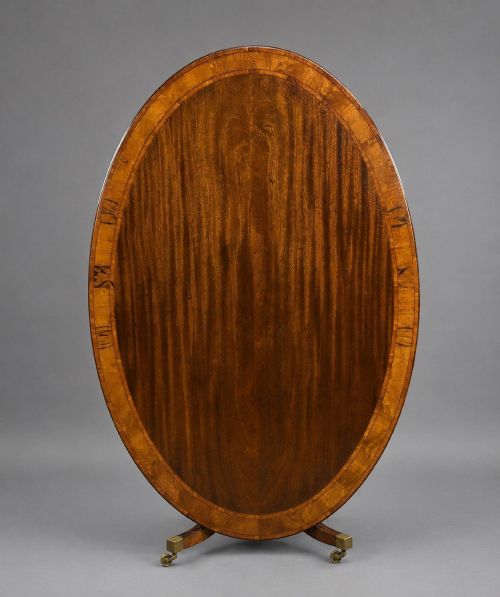
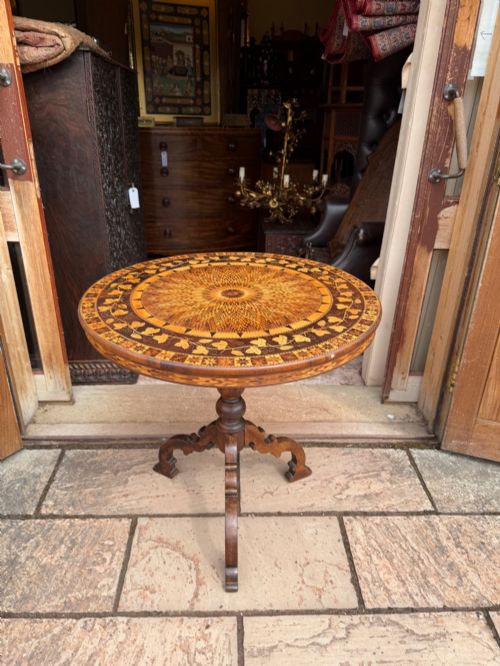
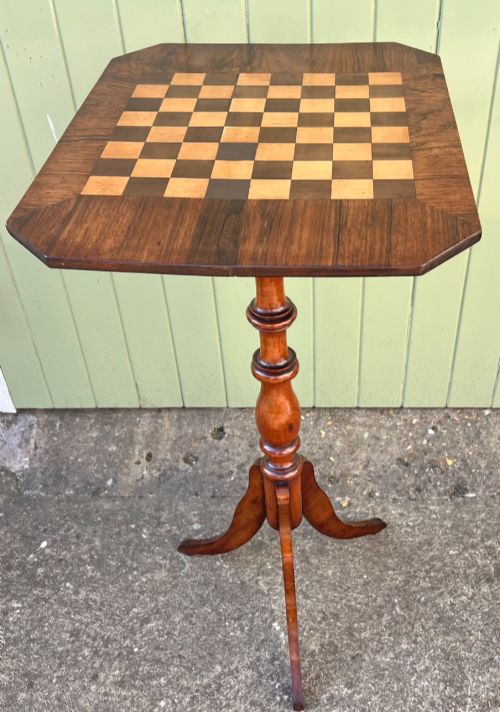
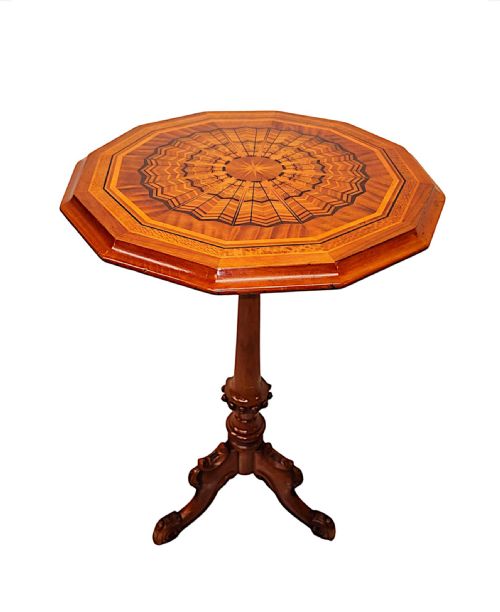
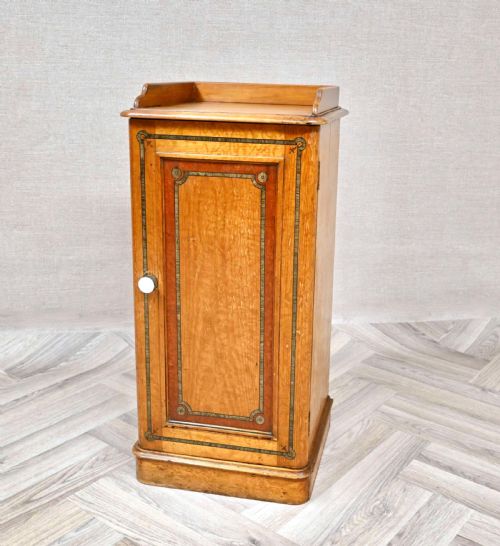
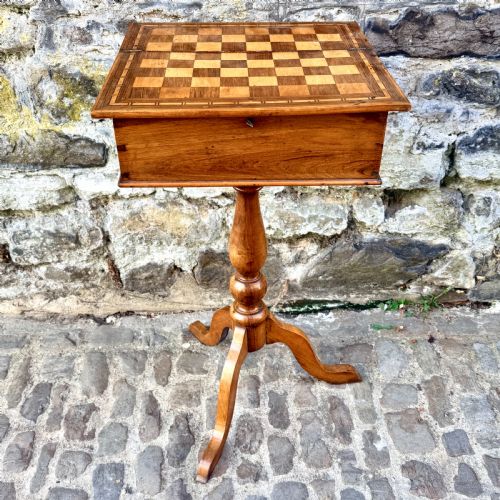
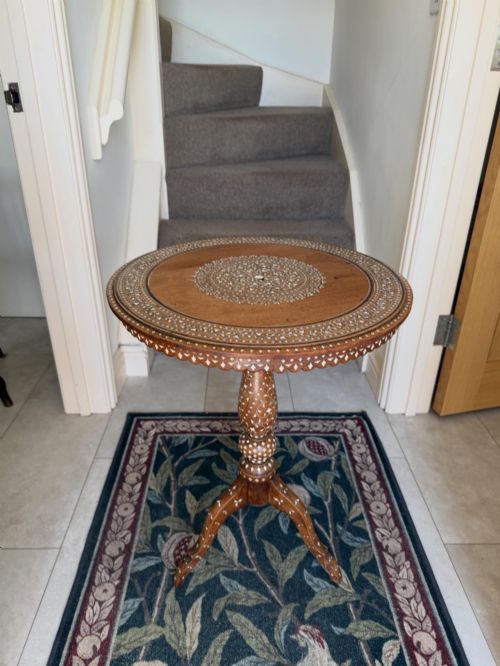
Cabinet makers constructed these pieces using dense timbers such as mahogany, walnut, and burr walnut, frequently mounting them on slender columns or multiple legs. Surfaces received meticulous attention through the application of contrasting veneers, including satinwood, ebony, and specialised wood inlay.
Detailing often involved fine marquetry patterns or brass mounts to accentuate the structural lines of the column and top. Craftsmanship relied on traditional joinery methods suited to supporting weight while displaying intricate decorative veneers.
Materials documented across the inventory include mahogany, satinwood, burr walnut, brass, and ebony.
What varies in quality
Quality rests in the crispness of the inlay work and the selection of figured timbers, such as burr walnut or patterned satinwood. Finer examples display precise cutting in the marquetry and balanced proportions between the top and the supporting pedestal shaft.
The integrity of the timber preparation and the subtlety of the decorative motifs separate standard production from superior cabinet making. Condition of the polished surface and the preservation of the original wood tones further distinguish finer pieces.
Gillows
The Inlaid Wooden Pedestal Glossary
- Inlay
- A technique where pieces of contrasting wood or other materials are inserted into a recessed surface to form a design. This method defines the primary decorative vocabulary of these stands.
- Marquetry
- Elaborate veneer work arranged in pictorial or geometric patterns across a surface. It appears on the tops of table stands and pedestals.
- Torchère
- A tall, slender stand designed specifically to hold a lamp or candle. These pieces emphasise vertical height and slender columns.
- Satinwood
- A durable, yellowish timber prized for its lustrous sheen and used extensively for contrasting inlay and banding. It brightens darker mahogany surfaces.
- Burr walnut
- Wood taken from the wart or burl of a walnut tree, yielding highly convoluted and decorative grain patterns. It forms striking tabletops on Victorian examples.
Inlaid Wooden Pedestal: Frequently Asked Questions
What is an inlaid wooden pedestal used for?
These pieces function primarily as elevated surfaces for displaying plants, urns, lamps, or decorative objects within a room.
They allow homeowners to create vertical focal points in corners or alongside seating arrangements without occupying significant floor space.
How do I date an inlaid wooden pedestal?
Dating relies on identifying the underlying timber, the style of the inlay, and the structural proportions of the column and base. Georgian and Regency pieces favour clean mahogany lines, whereas Victorian and Edwardian examples often employ burr walnut or intricate satinwood marquetry.
Cabinet construction methods and secondary woods also provide clear indicators of the period in which the stand was built.
Where should I place a pedestal in a room?
A pedestal suits empty corners, empty wall spaces, or positions beside armchairs where a small surface is useful for lamps or display.
Because these stands are designed to be viewed from multiple angles, open placement allows the inlaid top and turned column to be fully appreciated.
What is the difference between a torchère and a plant stand?
A torchère traditionally refers to a tall, slender column specifically designed to support a light source or single decorative urn. Plant stands share a similar vertical profile but often feature wider tops or water-resistant surfaces suitable for potted flora.
Both forms utilise wood inlay and slender pedestals to achieve an elevated display.