



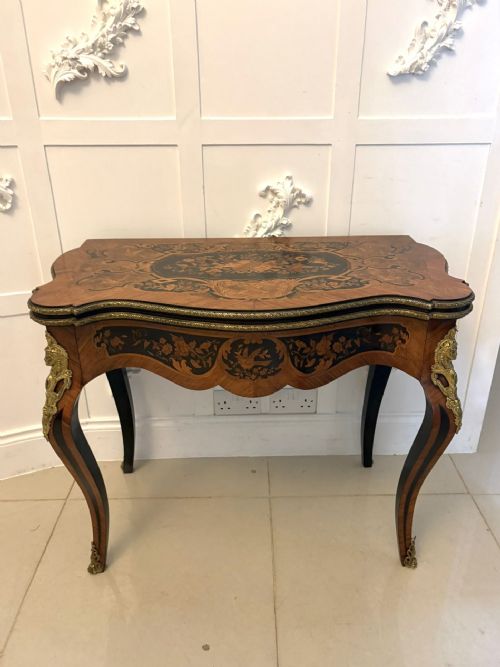

Inlaid Wooden Console
An inlaid wooden console brings tactile grain and classical proportion to a hallway, drawing the eye with polished surfaces.
Inlaid Wooden Console
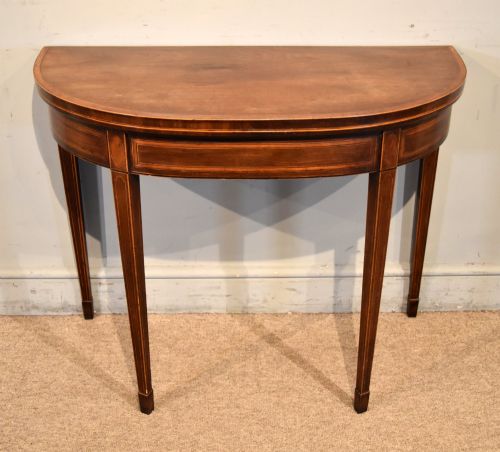
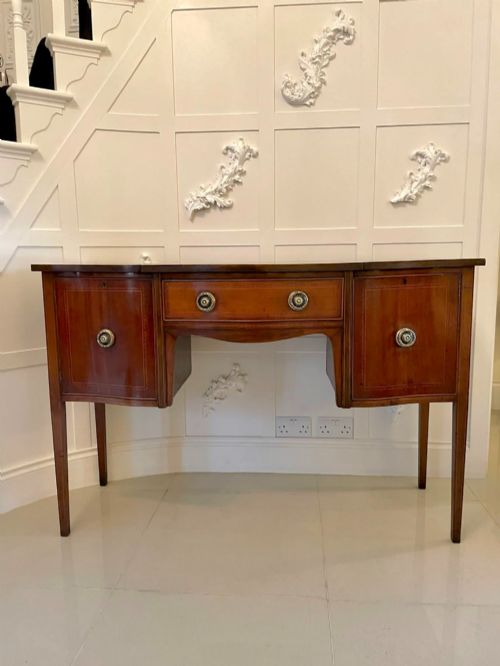
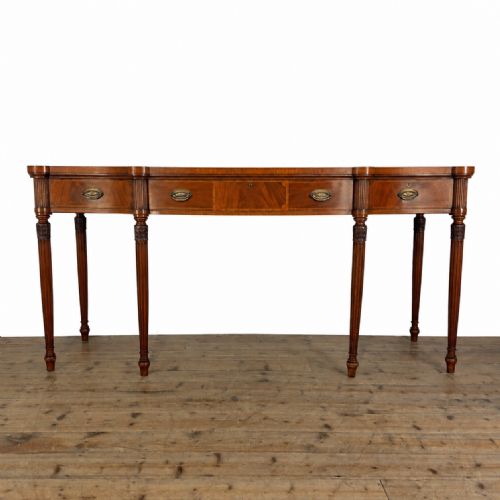
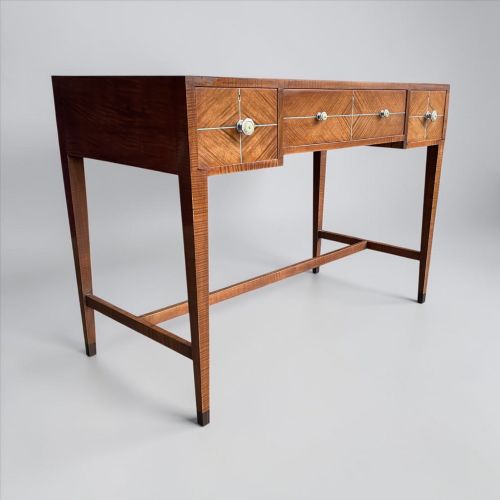
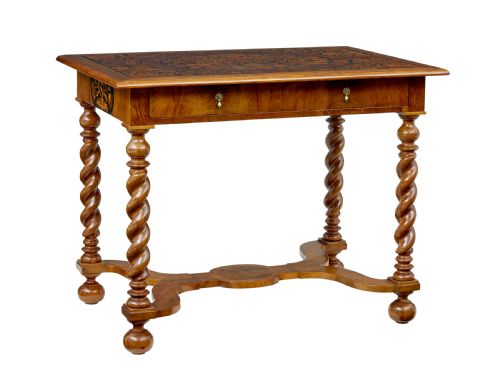
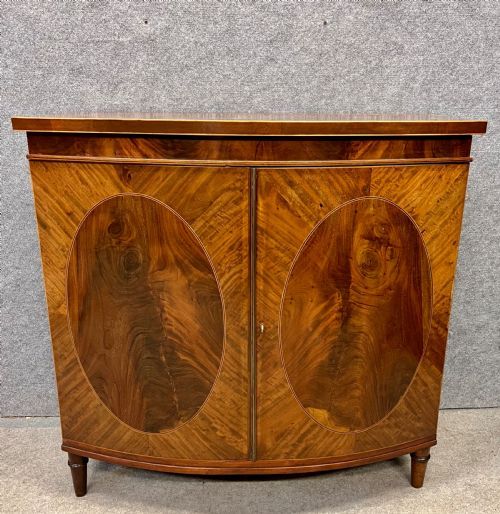
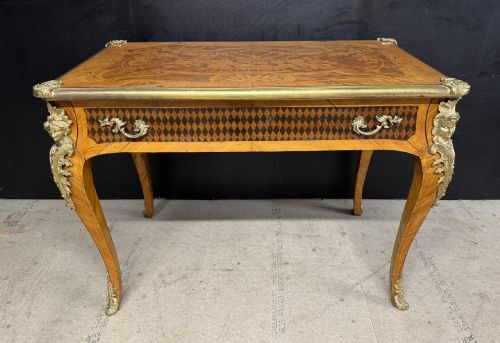
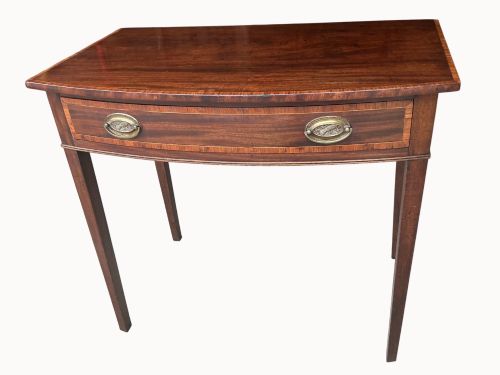
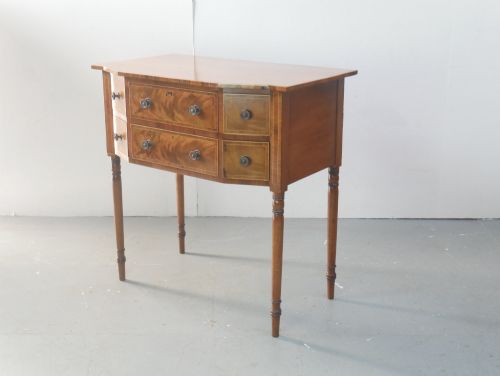
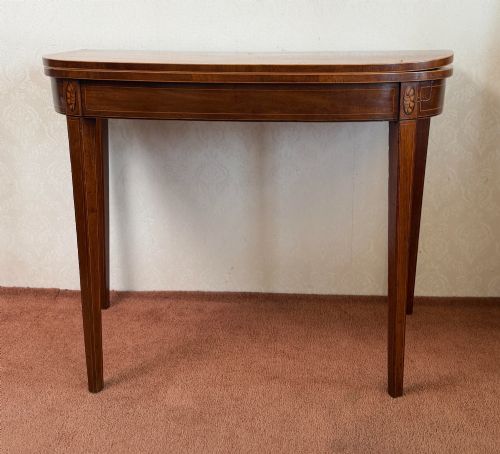
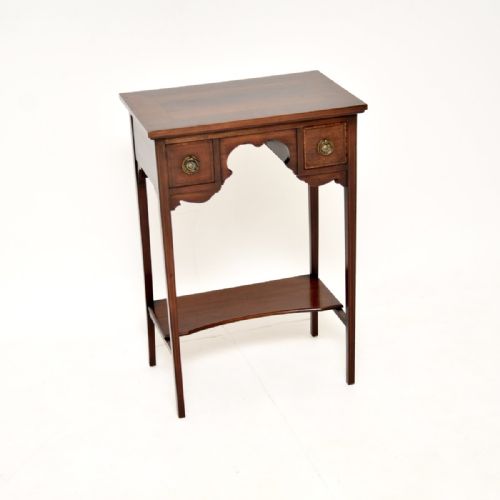
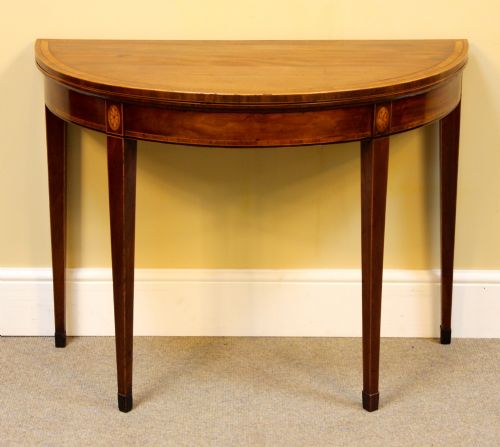
An inlaid wooden console is a surface designed to stand against a wall, frequently taking the form of side tables, card tables, and serving pieces rather than dedicated console tables alone. These forms emerge primarily from Georgian, Regency, Victorian, and Edwardian periods.
The materials that shape these pieces span solid timbers and detailed surface work, with mahogany, walnut, and satinwood providing the primary structural and decorative canvas. Tables and sideboards dominate the selection, often carrying inlaid motifs across their tops and borders.
Makers and workshops from the nineteenth and early twentieth centuries applied classical styles such as Sheraton, Neoclassical, and Louis XV to these forms. The resulting items combine utility as display surfaces with intricate woodworking traditions.
Assessing Quality and Execution
The standard of an inlaid wooden console rests on the crispness of the joinery and the precision of the timber inlay. Finer examples display seamless alignment between contrasting woods and balanced proportions across serpentine or demi-lune fronts.
The depth of figure in the primary mahogany or walnut veneer dictates the visual richness of the surface. Superior craftsmanship shows in the fluid integration of decorative banding and the uncompromised rigidity of the frame.
Inlaid Wooden Console Retail Price Guide 2026
Typical asking prices for inlaid wooden console among the pieces listed under this phrase on Sellingantiques today, from the lower quarter to the upper quarter. They describe what is for sale here now, not the wider market.
Several tables spent their youth hiding secret card decks inside fold-over tops before retiring to quiet hallways.
Bath Cabinet Makers·Pietro Ferrario
The Inlaid Wooden Console Glossary
- Marquetry inlay
- The art of creating decorative patterns on a wooden surface by fitting together small pieces of tinted wood, shell, or ivory. This technique defines the ornamentation on many period tabletops and cabinets.
- Demi-lune
- A half-moon shape characteristic of tables and cabinets designed to sit flush against a wall. It provides a shallow profile while offering a decorative surface.
- Serpentine front
- A furniture face shaped with a central convex curve flanked by two concave curves. This contour requires skilled carpentry and adds dynamic movement to sideboards and serving tables.
- Satinwood
- A lustrous, hard timber native to Ceylon and the West Indies, displaying a golden yellow sheen. It was widely utilised in banding and stringing for eighteenth and nineteenth century pieces.
- Lowboy
- A small occasional table featuring one or more drawers and cabriole or straight legs. Originating in the eighteenth century, it serves as a compact side or writing surface.
Inlaid Wooden Console: Frequently Asked Questions
Where should I place an inlaid wooden console?
These pieces suit narrow hallways, living room perimeters, and entrance foyers where surface space is needed without blocking circulation. Their decorative tops make them ideal focal points beneath mirrors or artwork.
Ensure the depth of the table matches the clearance of the room, particularly for demi-lune or serpentine shapes that extend outward in the centre.
How do I care for polished wood and inlay?
Maintain the finish by dusting with a soft, dry cloth and avoiding direct sunlight that can fade delicate satinwood and rosewood veneers. Consistent indoor humidity prevents timber from warping and keeps inlay work secure within its channels.
Apply a quality beeswax periodically to nourish the grain and protect the polished surface from minor moisture marks.
What is the difference between a console and a side table?
Console tables are traditionally designed to stand flat against a wall, frequently secured or supported structurally by the wall itself in more formal settings. Side tables are freestanding items with four legs finished on all sides.
In modern usage, the terms often overlap, particularly when describing antique decorative furniture placed in hallways.
How can I identify a Georgian console from a later revival piece?
Examine the construction methods beneath the top and inside the drawer linings, where hand-cut dovetails and timber shrinkage indicate eighteenth-century origin. Georgian pieces rely on native or colonial hardwoods with restrained, classical proportions.
Revival pieces from the Edwardian era often employ machine assistance and lighter internal framing while mimicking earlier Sheraton or Neoclassical styles.