




Inlaid Wooden Carver
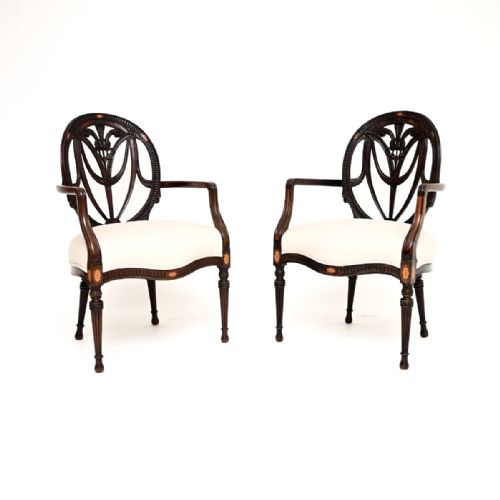
An inlaid wooden carver brings period craft and practical seating together, offering sturdy elbow support alongside decorative detail.
Inlaid Wooden Carver
When you search for an inlaid wooden carver, you are looking at substantial seating designed with arms for the head of a table or use as an occasional chair. The pieces available span periods from the Georgian era through the Regency and Victorian periods into the Edwardian years.
You will most frequently meet Edwardian examples rendered in mahogany with delicate stringing or floral motifs. These chairs served in dining rooms, morning rooms and libraries, balancing utility with decorative presence.
Materials and construction
Cabinet makers utilised solid mahogany, walnut and oak as the structural timbers for these armchairs, ensuring robust frames that withstand daily use. Turning and joinery formed the structural skeleton before decorative elements were applied.
Satinwood and contrasting timber veneers created intricate inlays, often featuring shell motifs, urns or linear banding set into the primary wood. Seats frequently incorporated drop-in frames upholstered in fabric or leather.
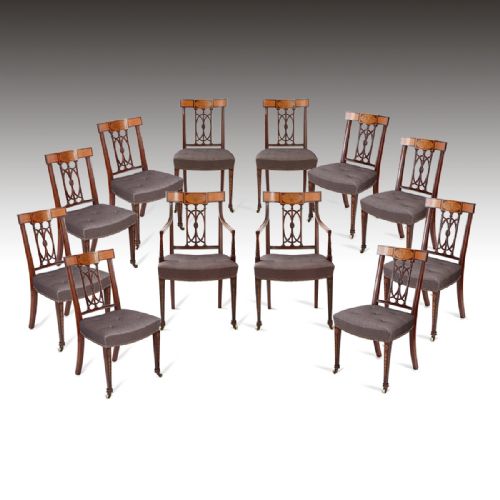
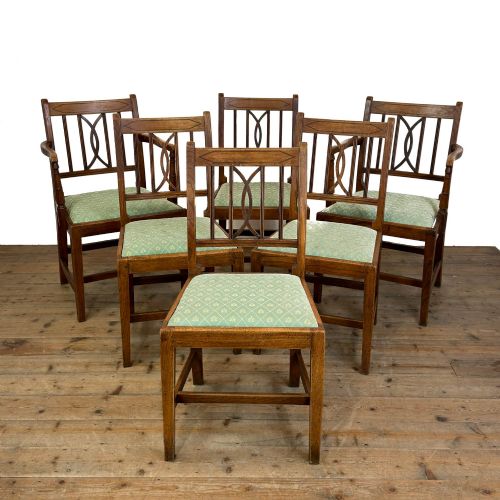
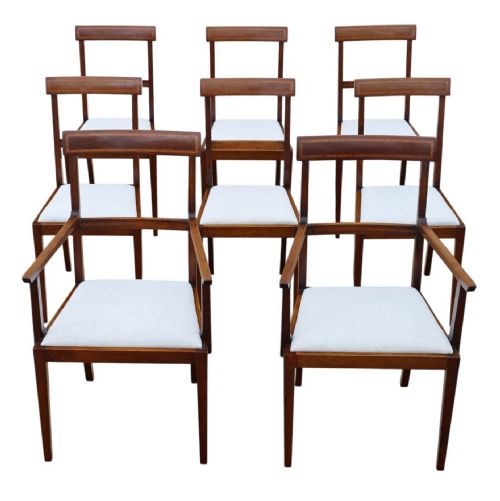
One set of dining chairs includes six single chairs accompanied by two carvers, preserving the classic seating arrangement.
Distinguishing quality
The standard of carving and the precision of the wood inlay define the upper tier of these armchairs. Crisp lines in the contrasting veneers and tightly fitted joints separate superior workshop production from standard commercial output.
Proportion and timber selection also drive distinction, with well-figured mahogany and balanced arm geometry indicating superior design intent. Maker attribution, such as work associated with known firms, elevates historical interest.
Lamb of Manchester·Shoolbred
The Inlaid Wooden Carver Glossary
- Carver
- An armchair, traditionally placed at the head of a dining table to match a set of single side chairs.
- Inlay
- A technique where pieces of contrasting wood are inserted into a recessed surface to form a decorative pattern.
- Elbow chair
- An alternative term for an armchair, referencing the supportive rests for the arms.
- Satinwood
- A durable, lustrous timber from tropical trees, prized for its golden yellow colour and used extensively for contrasting inlay work.
- Sheraton Revival
- A late nineteenth-century design movement drawing inspiration from the lighter neoclassical furniture forms of the eighteenth century.
Inlaid Wooden Carver: Frequently Asked Questions
What is an inlaid wooden carver used for?
These armchairs primarily served as seating at the head of a dining table, paired with matching side chairs. They also functioned as desk chairs or occasional seating in libraries and morning rooms.
Their sturdy construction and supportive armrests made them suitable for prolonged seating while adding decorative refinement to domestic interiors.
How do I identify an Edwardian carver?
Edwardian examples frequently combine mahogany frames with delicate satinwood inlay work, often featuring classic revival motifs like bellflowers or stringing. They reflect the lighter aesthetic preferences popular around the turn of the twentieth century.
Comparing the timber grain, joinery methods and secondary woods helps confirm this period against earlier Georgian or Regency predecessors.
Are these chairs comfortable for daily use?
Most of these armchairs feature upholstered drop-in seats covered in fabric or leather, providing a firm base suitable for sitting. The inclusion of armrests offers additional support compared to standard side chairs.
Living with them involves normal care for antique wood and periodic reupholstery of the seat pads to maintain comfort.
How do I tell Regency pieces apart from Edwardian ones?
Regency chairs typically display bolder classical lines, sabre legs and simpler brass or ebony inlay details reflecting early nineteenth-century taste. Edwardian pieces often revive these earlier styles with lighter proportions and more complex floral or marquetry inlays.
Examining the wear patterns, structural fixings and timber patination assists in separating genuine Regency production from later revival work.