




Inlaid Wooden Armoire
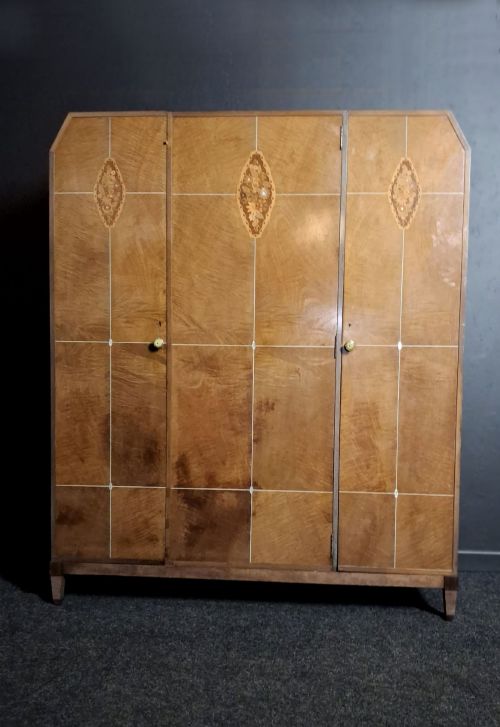
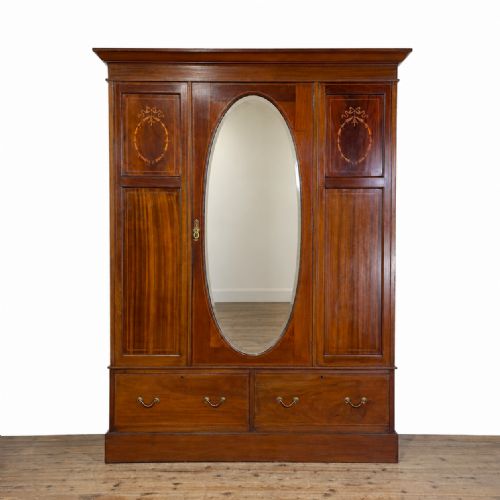
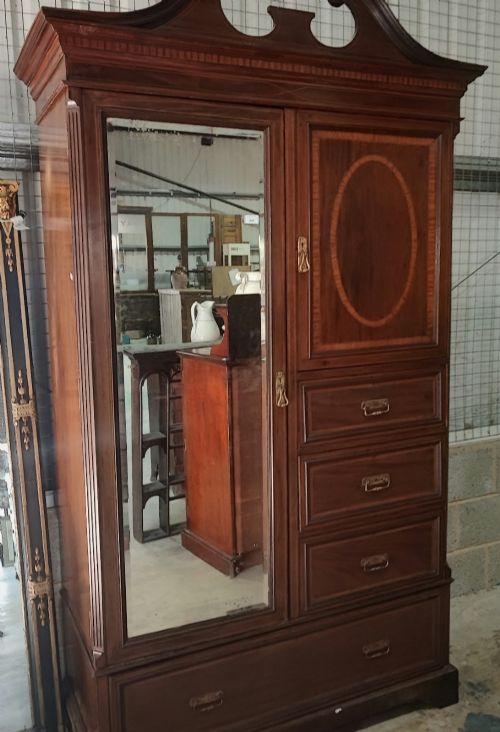
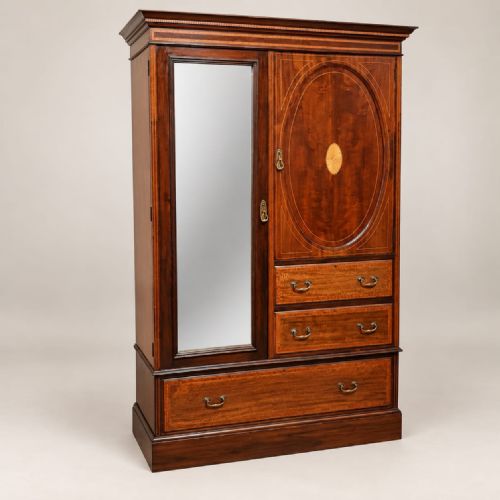
An inlaid wooden armoire brings substantial storage and decorative marquetry into a bedroom, spanning Georgian, Victorian and Edwardian periods.
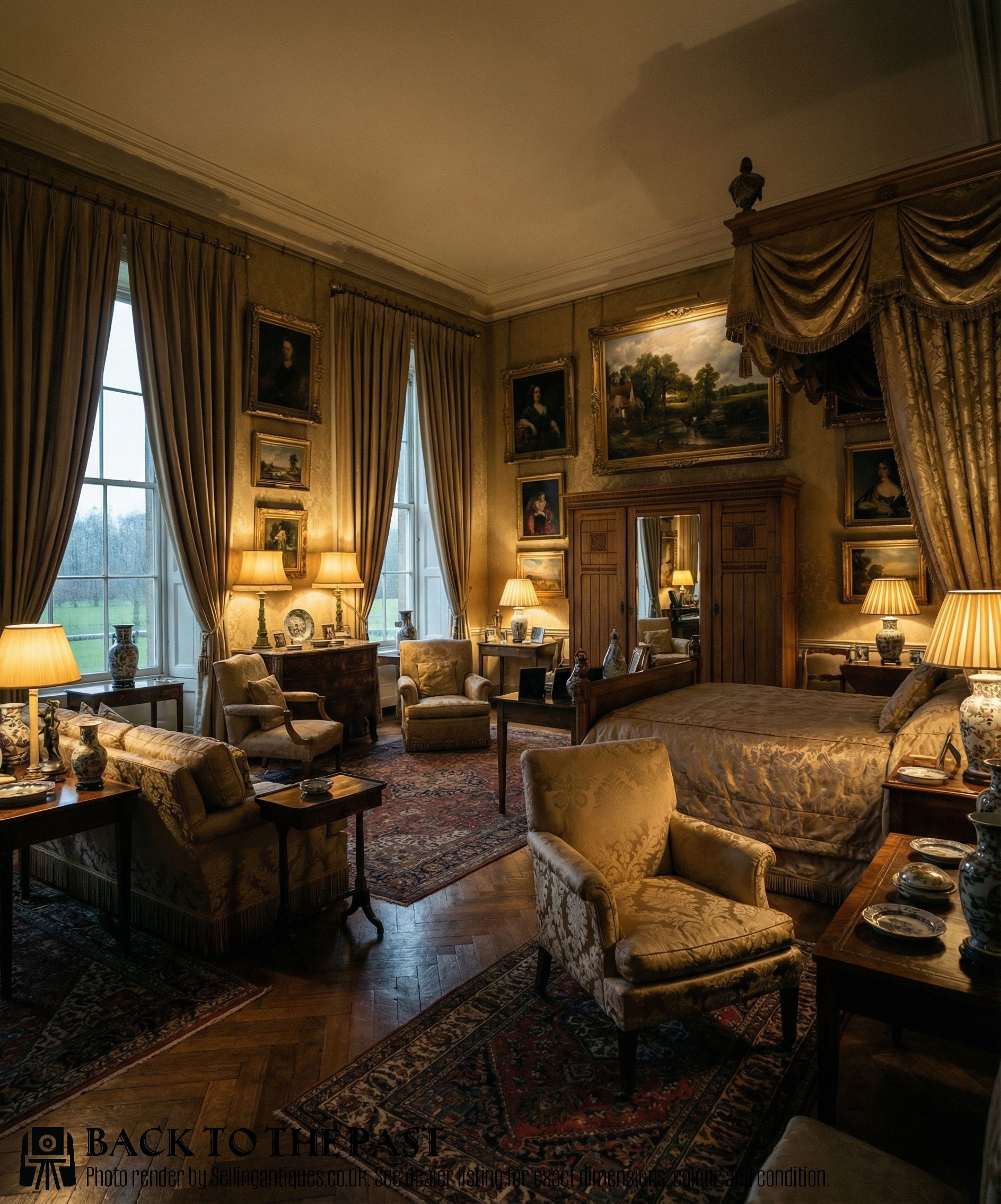
Inlaid Wooden Armoire
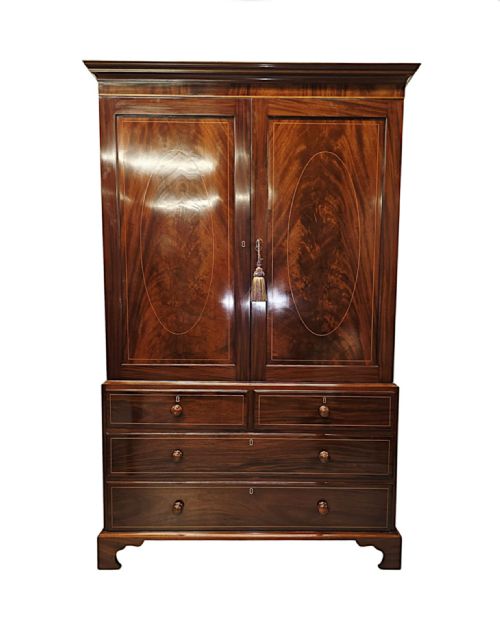
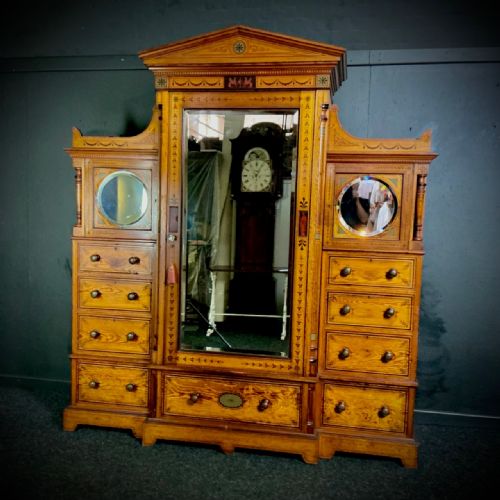
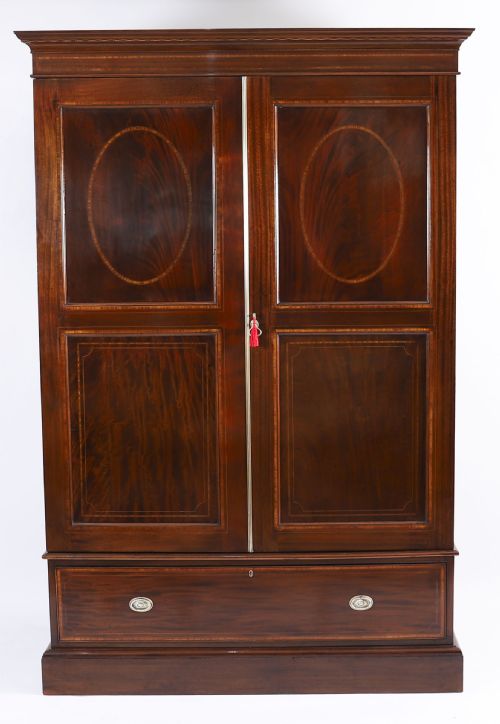
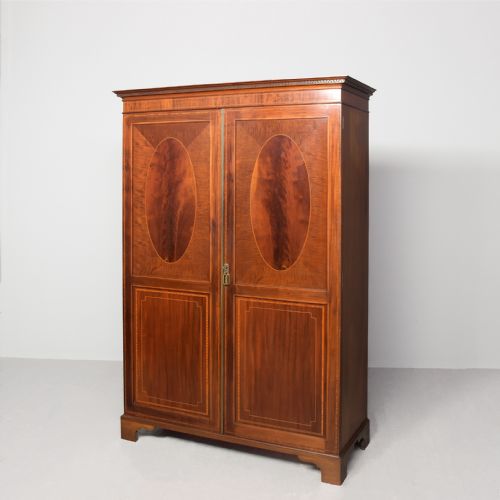
An inlaid wooden armoire functions as a major storage piece, appearing in forms such as wardrobes, linen presses, and compactums across the inventory. Buyers encounter pieces originating from Georgian, Victorian, and Edwardian eras, alongside continental examples.
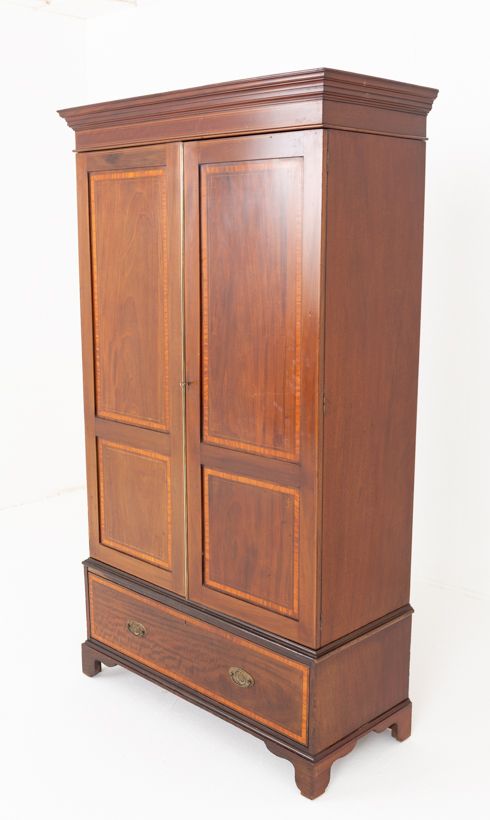
The construction typically involves large timber carcasses fitted with hanging space, sliding trays, or drawers. Mahogany predominates, often accented with satinwood or boxwood details that define the surface decoration.
Regional variations include English Sheraton Revival designs, Dutch marquetry, and Channel Island hall wardrobes. These pieces offer deep proportions designed to hold garments and linen in domestic settings.
Materials and Construction
Cabinetmakers utilised primary timbers like mahogany, oak, walnut, and pitch pine to build the sturdy carcasses required for large wardrobes and linen presses. Secondary woods support internal sliding trays and drawer linings.
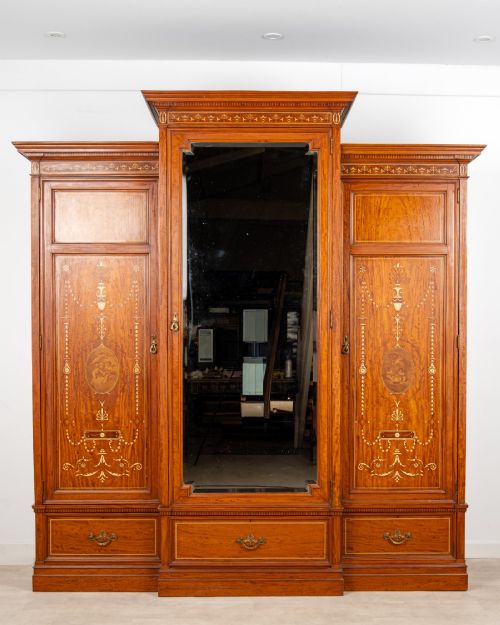
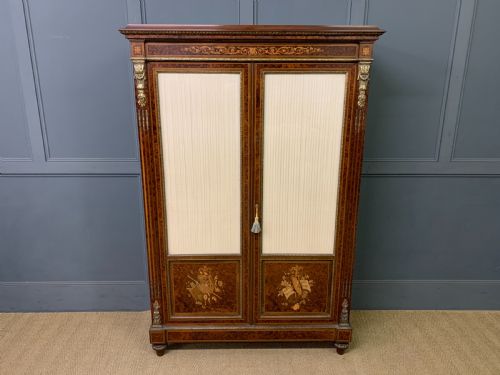
Surface enrichment relies on contrasting veneers and stringing, employing satinwood, boxwood, and amboyna to create geometric patterns and floral motifs. Mirror glass panels frequently inset the central doors of later Edwardian examples.
Inlaid Wooden Armoire Retail Price Guide 2026
Typical asking prices for inlaid wooden armoire among the pieces listed under this phrase on Sellingantiques today, from the lower quarter to the upper quarter. They describe what is for sale here now, not the wider market.
Assessing Quality and Execution
The refinement of the marquetry and inlay work distinguishes standard cabinetmaking from exceptional workshop output. Crisp execution of boxwood and satinwood lines demonstrates superior hand skills.
Proportion and architectural balance dictate the success of the piece, particularly in large breakfront and triple configurations. The selection of flame mahogany veneers or figured walnut alters the visual depth of the timber facades.
maples & co·Edwards and Roberts·WYLIE LOCHHEAD
The Inlaid Wooden Armoire Glossary
- Armoire
- A large standing wardrobe or cupboard used for hanging garments and storing folded textiles. These pieces often feature double doors enclosing fitted interior spaces.
- Linen Press
- A tall storage cabinet comprising upper sliding trays for linens and lower drawers for garments. Georgian and Victorian iterations frequently display prominent inlay on the upper doors.
- Marquetry
- Decorative veneer work arranged in pictorial or geometric patterns using various coloured woods. Craftsmen cut contrasting timbers to fit precisely within the main panel surface.
- Compactum
- A multi-compartment wardrobe combining hanging sections, drawers, and linen slides in a single unit. This form emerged strongly during the Victorian and Edwardian periods.
- Stringing
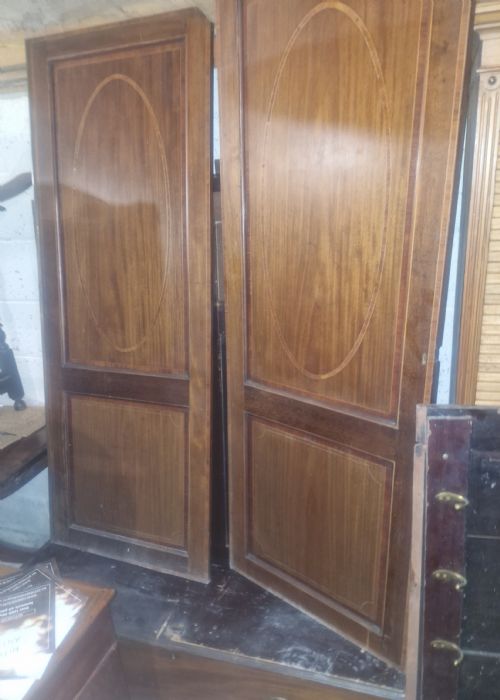
- Thin lines of contrasting wood inlaid into grooves on a furniture surface to create borders. This technique outlines panels and drawers on Sheraton Revival and Georgian pieces.
Inlaid Wooden Armoire: Frequently Asked Questions
How do I distinguish an Edwardian armoire from a Georgian one?
Edwardian examples tend to incorporate brighter satinwood banding, painted details, and bevelled mirror glass within triple or compactum configurations. Georgian pieces rely on architectural cornices, flame mahogany veneers, and traditional linen press layouts with sliding trays.
Proportions also shift between eras, as Edwardian wardrobes often stand wider and taller to suit larger bedroom spaces. The character of the inlay changes from geometric satinwood stringing to more elaborate Edwardian Neo-Classical motifs.
Where should I place a large armoire in my home?
These substantial pieces require generous wall space and adequate ceiling clearance, particularly multi-door breakfront or triple configurations. Bedrooms and large dressing rooms provide the traditional setting for garments and linens.
Consider the door swing and the depth of the piece relative to surrounding furniture. Placement away from direct heat sources protects the timber panels and delicate inlay work from splitting.
How do I care for inlaid wooden furniture?
Maintain stable indoor humidity levels to prevent the timber carcasses and delicate veneer inlays from warping or lifting. Regular dusting with a soft, dry cloth preserves the polished surface.
Apply natural beeswax sparingly to nourish the wood and enhance the grain patterns. Avoid chemical sprays that can degrade historic French polish or loosen boxwood stringing.