
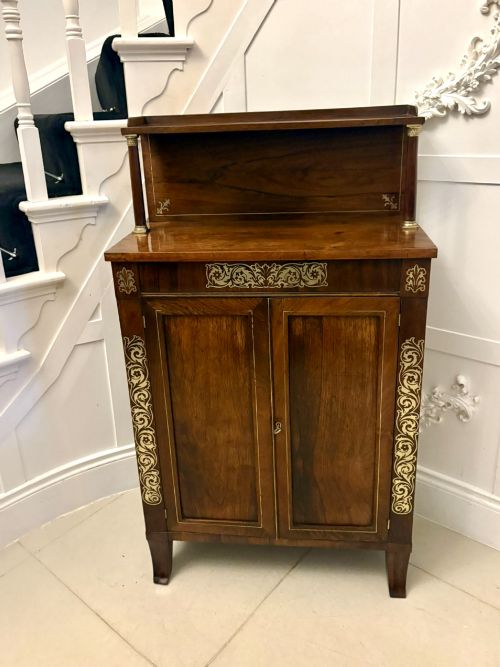
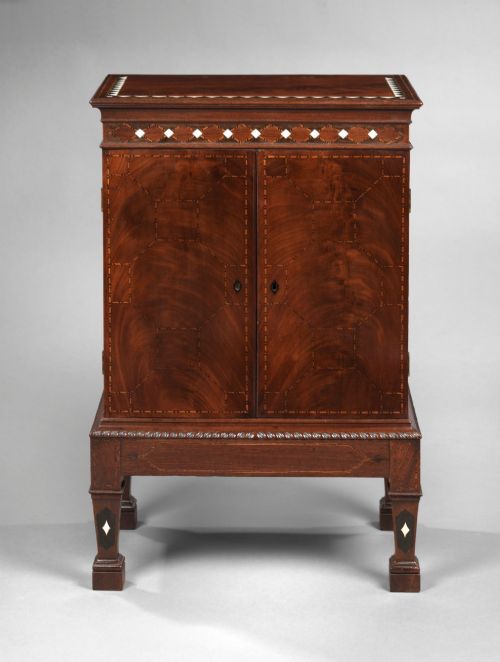
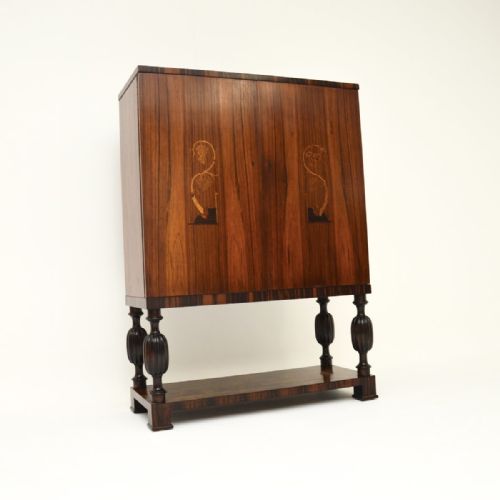
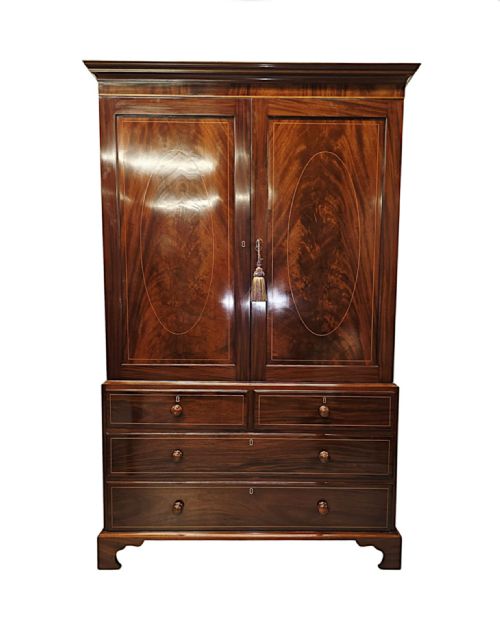
Inlaid Wood Storage Cabinet
An inlaid wood storage cabinet brings together refined cabinetmaking and practical function, most frequently appearing here in Georgian and Victorian mahogany or satinwood forms.
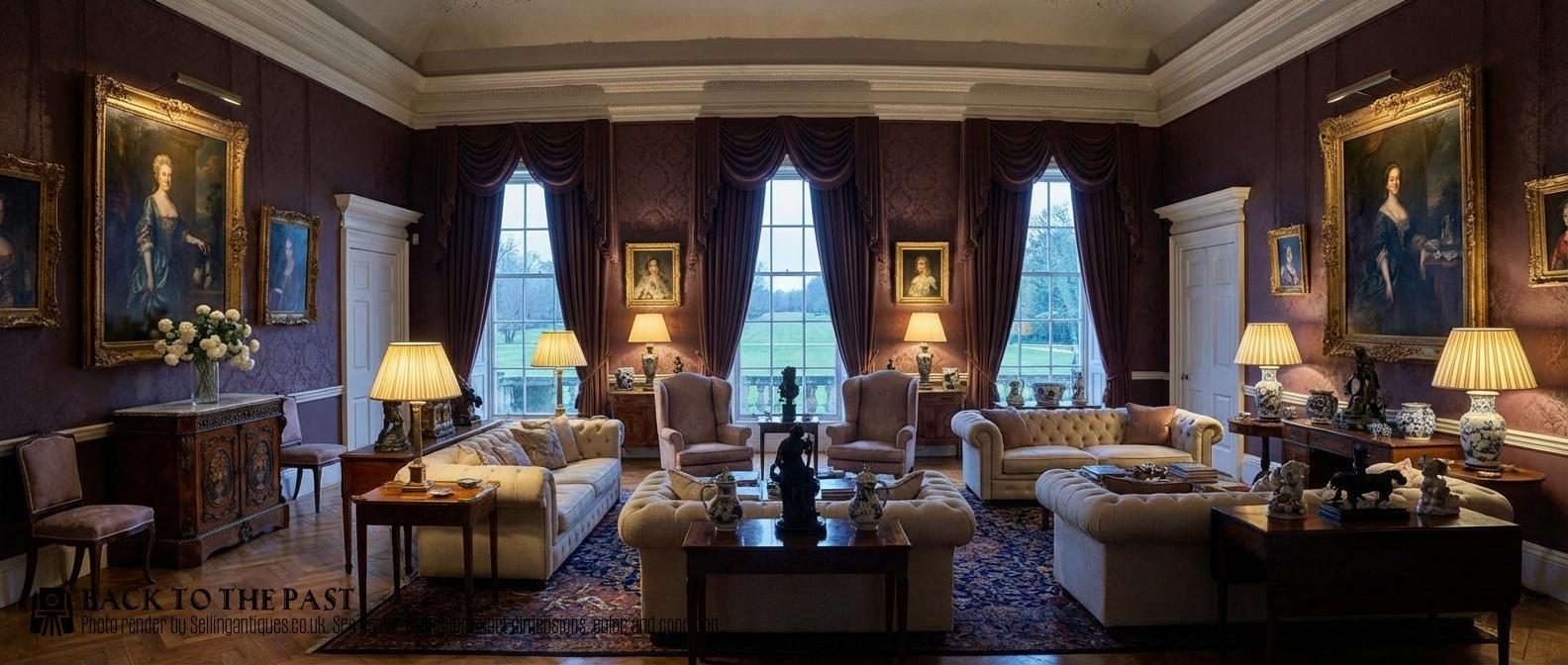
Inlaid Wood Storage Cabinet
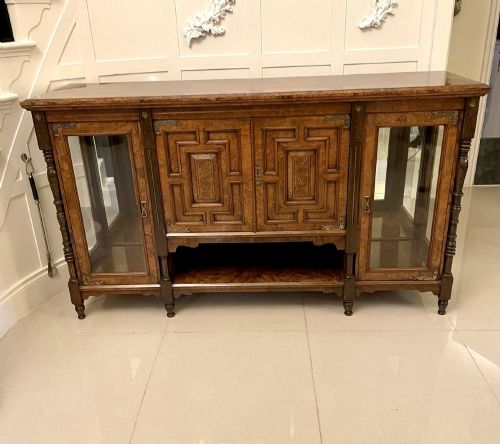
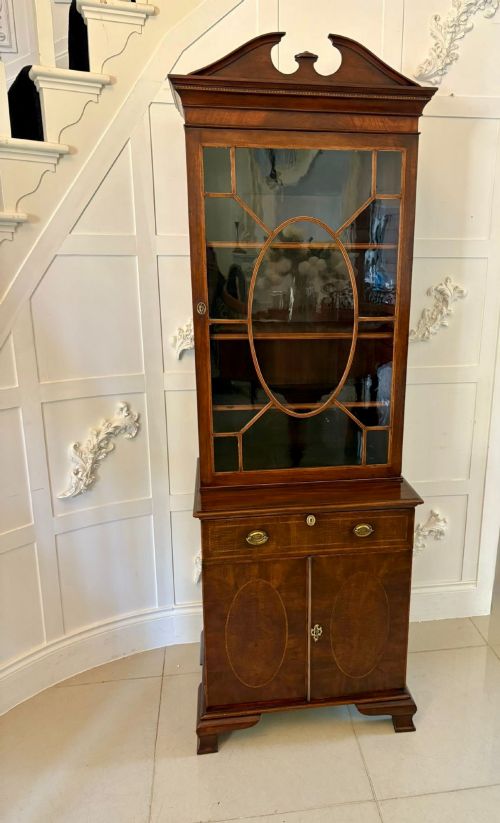
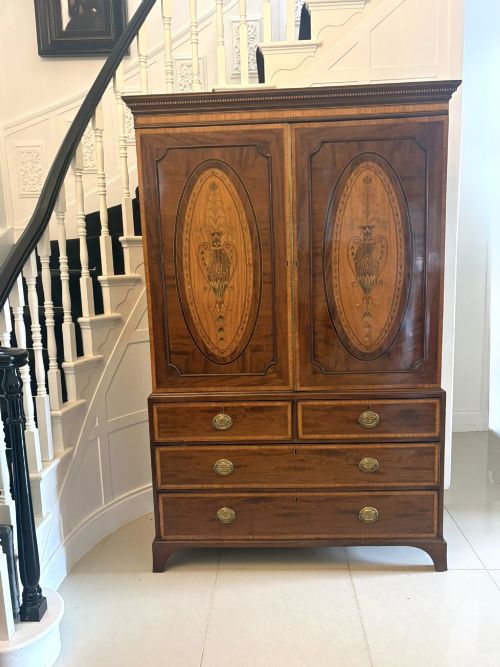
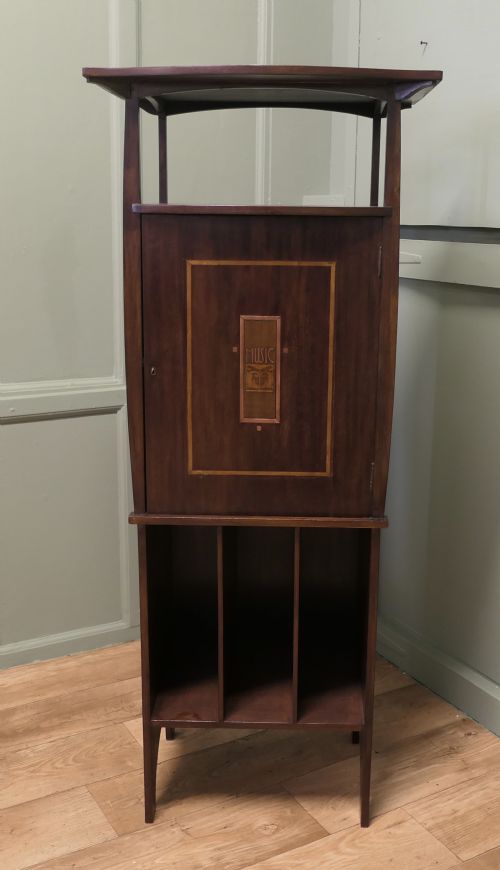
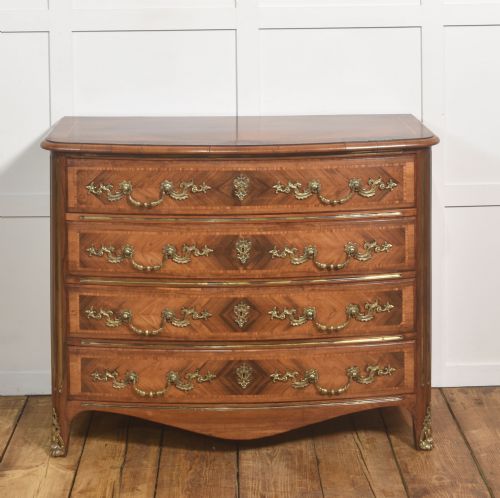
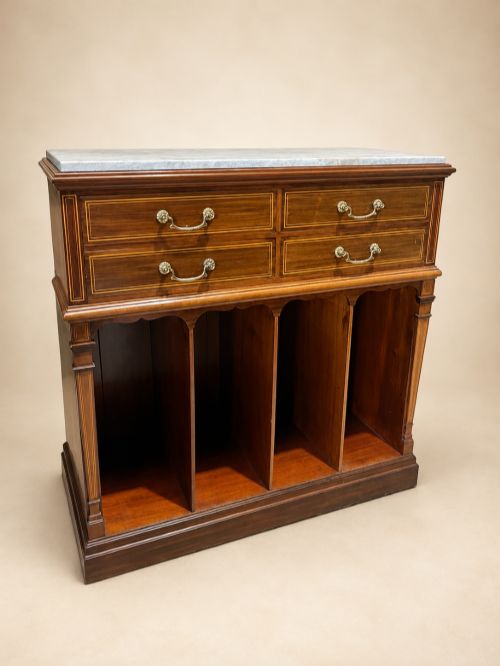
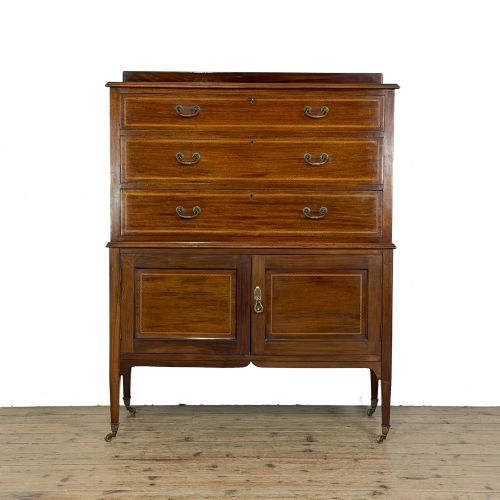
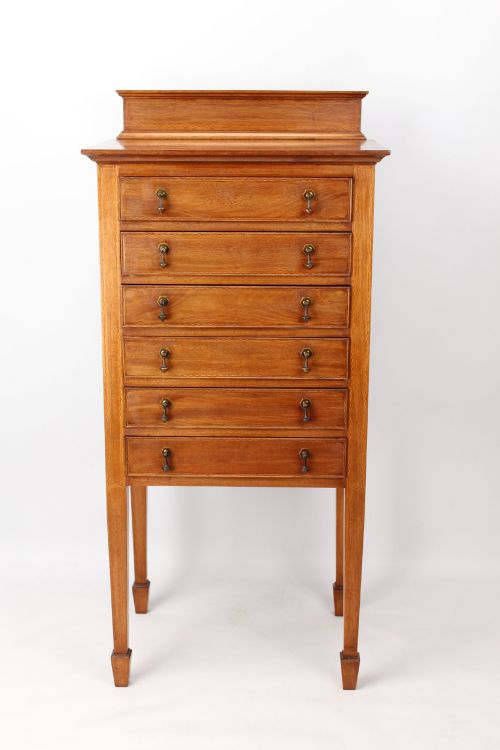
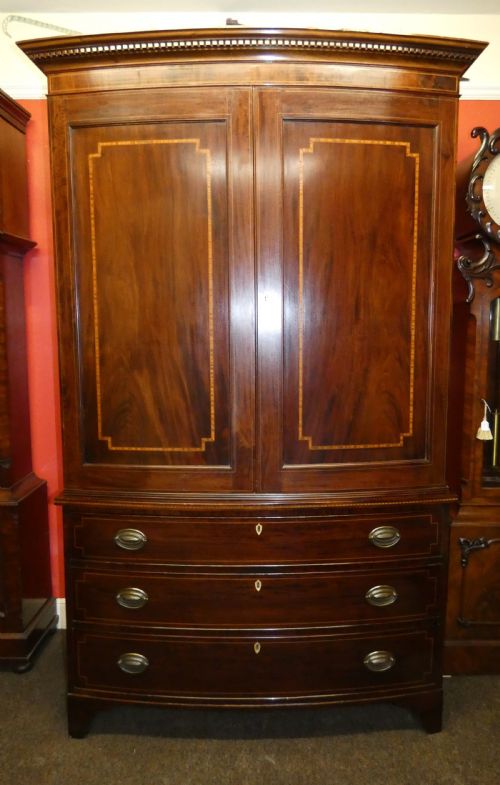
An inlaid wood storage cabinet encompasses a varied group of functional furniture designed to hold books, linen, music, or general household items. The selection spans distinct forms such as side cabinets, linen presses, music cabinets, bookcases, and chests of drawers.
The pieces on this page are most commonly met in Georgian and Victorian variations, alongside Edwardian and later interpretations. Makers and workshops utilised indigenous and exotic timbers to build robust storage furniture intended for prominent placement within the home.
How they were made
Construction relies primarily on sturdy primary woods like mahogany, oak, walnut, and rosewood, which form the structural carcase and drawer carcases. Cabinetmakers frequently applied contrasting veneers such as satinwood, burr elm, or fruitwood to create decorative geometric and floral surface patterns.
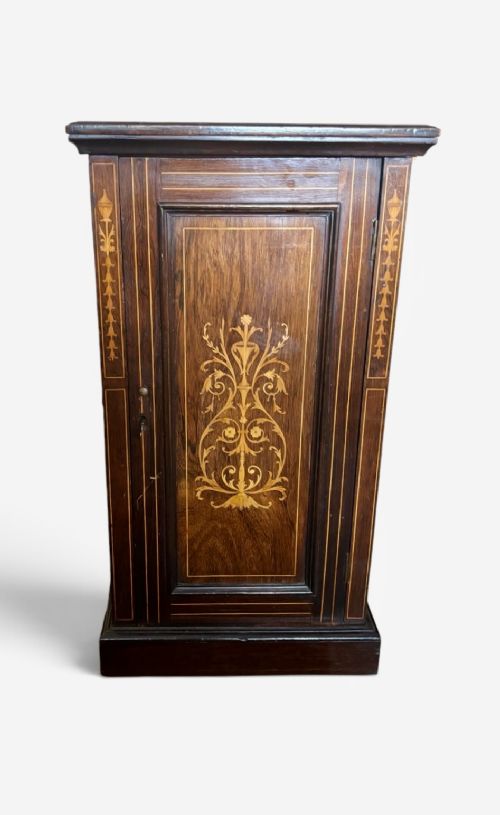
Inlaid decoration typically involves contrasting timber veneers, brass stringing, and marquetry techniques set directly into the solid wood or veneered carcase. Additional detailing incorporates marble tops, ormolu mounts, and glass panels depending on the specific period and stylistic influence.
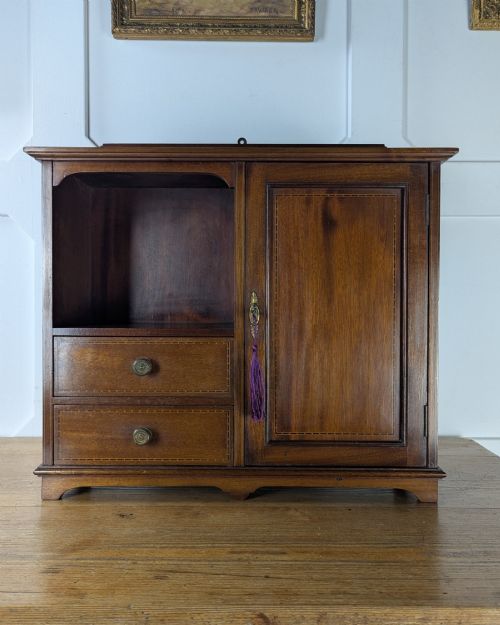
Smokers' cupboards from the late nineteenth century offered dedicated storage for tobacco and pipes, keeping indulgences neatly concealed.
What varies in quality
The standard of an inlaid wood storage cabinet depends significantly on the precision of the timber selection and the execution of the inlay work. Finer examples display carefully matched grain patterns, such as flame mahogany or burr walnut, alongside tightly fitted contrasting stringing.
Structural integrity and the quality of internal joinery also separate standard utility pieces from exceptional ones. Drawers constructed with hand-cut dovetails and the retention of original brass hardware indicate superior workshop production.
GM Elwood for JS Henry·Mawer & Stephenson
The Inlaid Wood Storage Cabinet Glossary
- Marquetry
- A decorative technique where small pieces of veneer are assembled to form pictorial or geometric designs on a furniture surface.
- Linen Press
- A tall storage piece traditionally used to store folded household linen, featuring upper sliding trays or shelves above a chest base.
- Stringing
- A narrow strip of contrasting wood or light-coloured inlay embedded into the surface of furniture to create neat borders.
- Credenza
- A low sideboard or display cabinet originating in continental Europe, frequently fitted with doors and central shelving compartments.
Inlaid Wood Storage Cabinet: Frequently Asked Questions
What is an inlaid wood storage cabinet used for?
These cabinets serve multiple domestic purposes, originally housing books, sheet music, linen, or personal valuables depending on the internal configuration. The inclusion of doors, drawers, and adjustable shelving provides versatile concealed storage for modern living rooms, bedrooms, or hallways.
Larger variations like linen presses and bookcases accommodate extensive household collections, whereas smaller music cabinets and bedside cupboards suit tighter spaces while maintaining decorative surface appeal.
How do I tell Georgian and Victorian cabinets apart?
Georgian storage pieces, spanning the eighteenth and early nineteenth centuries, generally favour architectural proportions, understated classical stringing, and heavy timber construction. Mahogany and oak dominate these earlier forms, often exhibiting restrained bracket feet or simple apron bases.
Victorian cabinets reflect greater eclectic styling, incorporating rich burr walnut veneers, elaborate marquetry, and occasional applied ormolu or glass elements. Proportions tend to be heavier, and stylistic revivals frequently draw upon earlier historical periods.
Where should I place a cabinet in my home?
An inlaid wood storage cabinet functions effectively as a focal point in a dining room, living area, or bedroom. Low sideboards and chiffoniers suit placement against principal walls, offering surface space for lamps or decorative objects above enclosed storage.
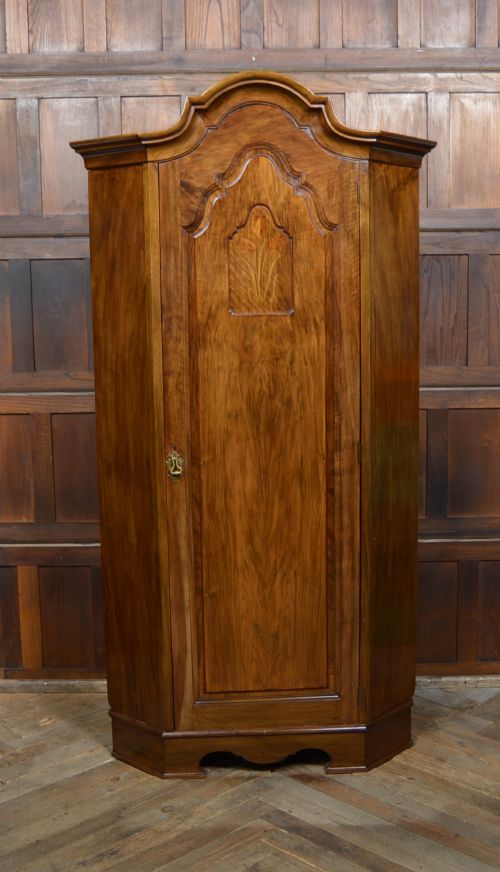
Corner cabinets make efficient use of unutilised room junctions while displaying ceramics or books behind glass doors. Tall pieces require careful consideration of ceiling height and wall clearance to balance the room properly.
How do I care for antique veneered furniture?
Protect antique veneered surfaces by maintaining stable room temperatures and avoiding direct sunlight, which can fade delicate satinwood and rosewood. Regular dusting with a soft, dry cloth preserves the polished finish without introducing moisture.
Applying microcrystalline wax periodically helps nourish the timber and protects the grain from drying out. Avoid placing wet items or heavy direct heat sources on the wooden surfaces.