
Inlaid Wood Stand
An inlaid wood stand brings rich timbre and decorative detail to a room, offering a functional surface rooted in centuries of cabinet-making.
Inlaid Wood Stand
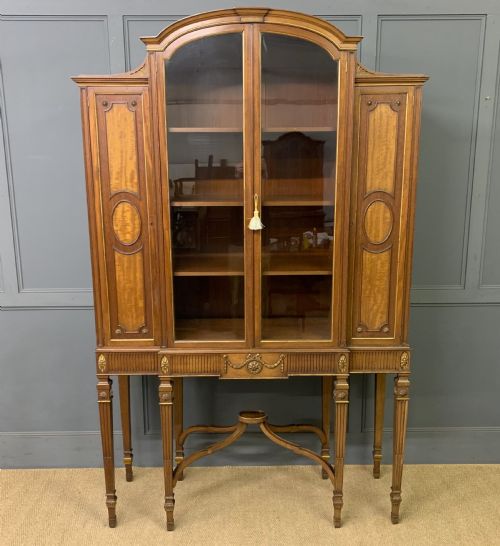
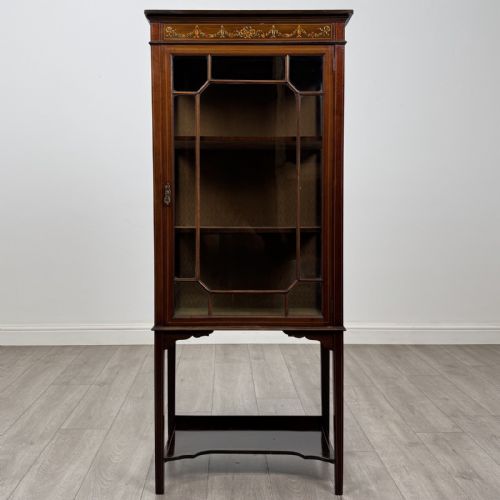
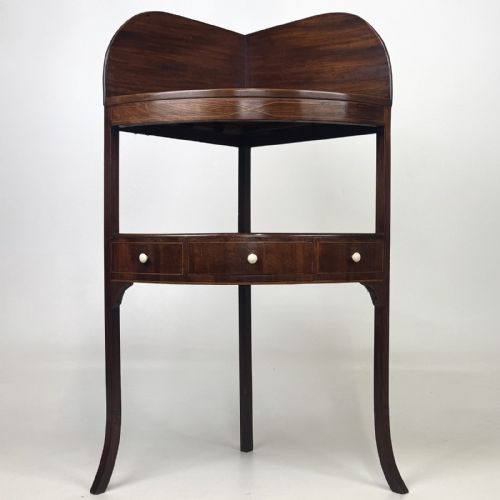
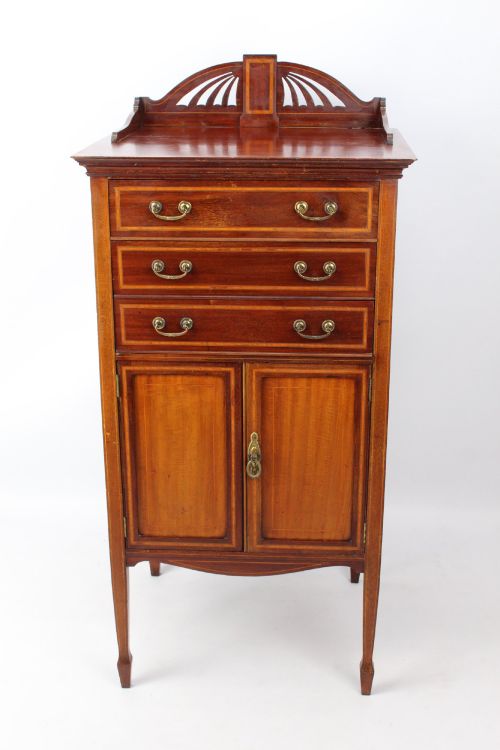
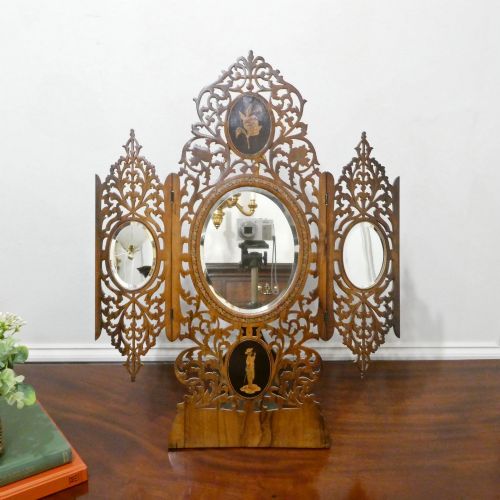
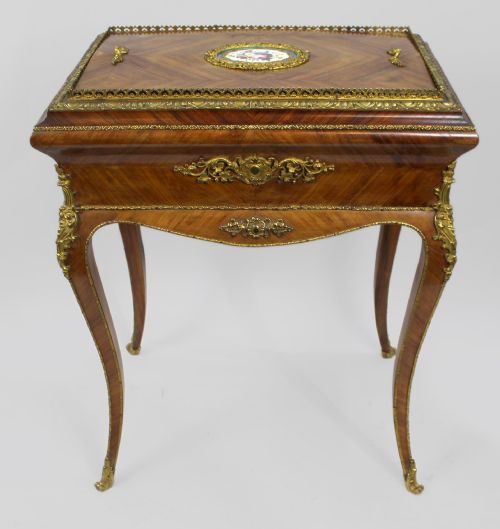
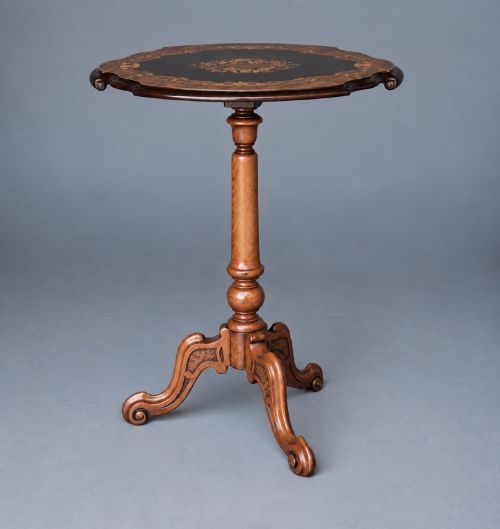
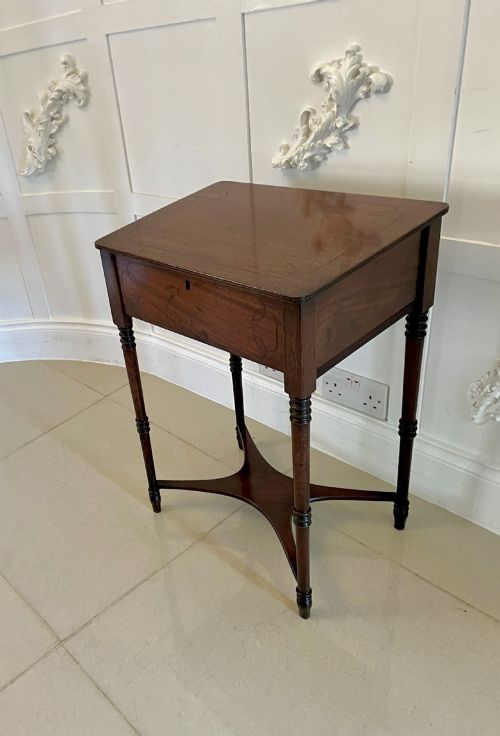
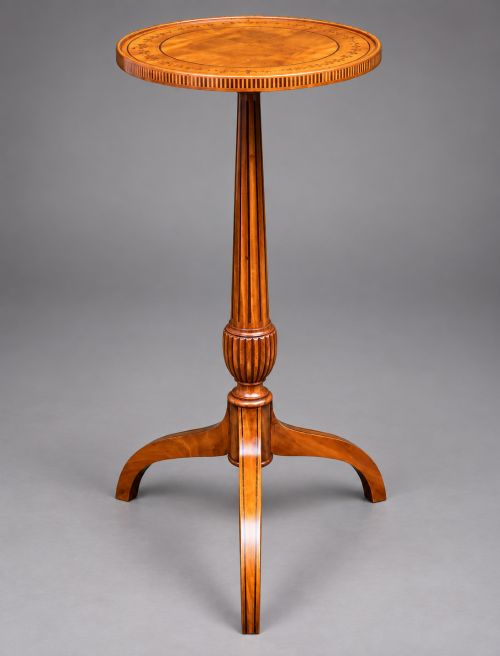
When you search for an inlaid wood stand, you encounter a variety of forms including plant stands, torchères, lamp tables, and corner stands designed to hold objects or elevate corners. The selections span periods from the Georgian era through Victorian, Edwardian, and the early twentieth century, showing how domestic furniture evolved to occupy specific niches in the home.
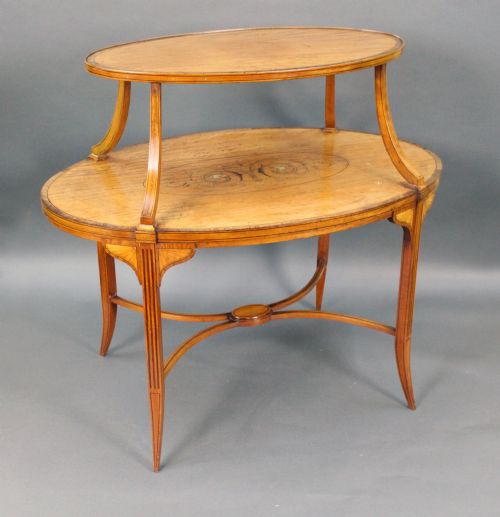
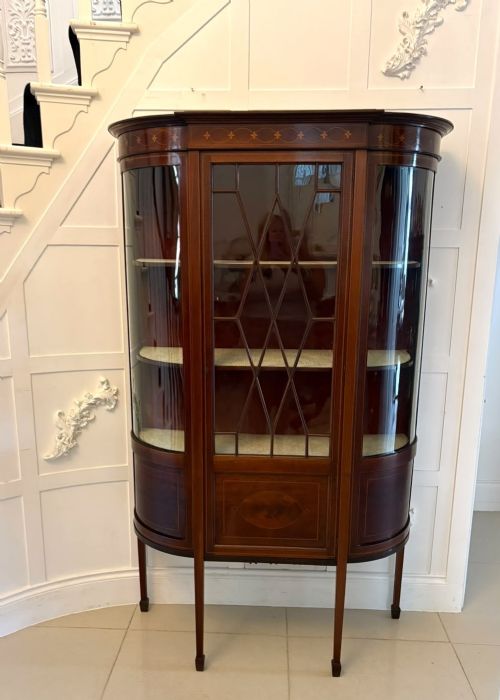
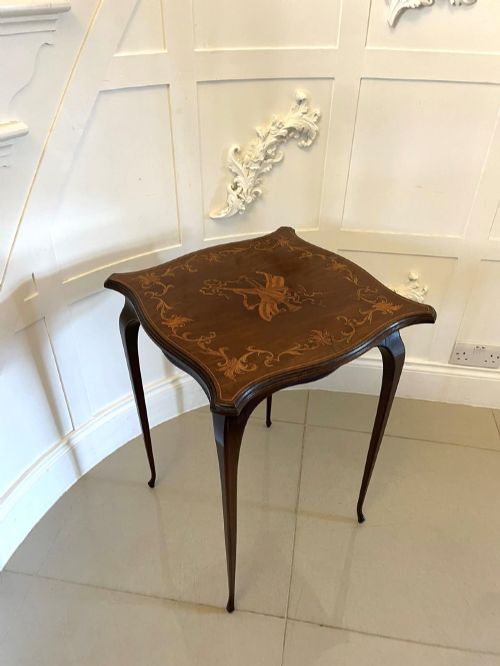
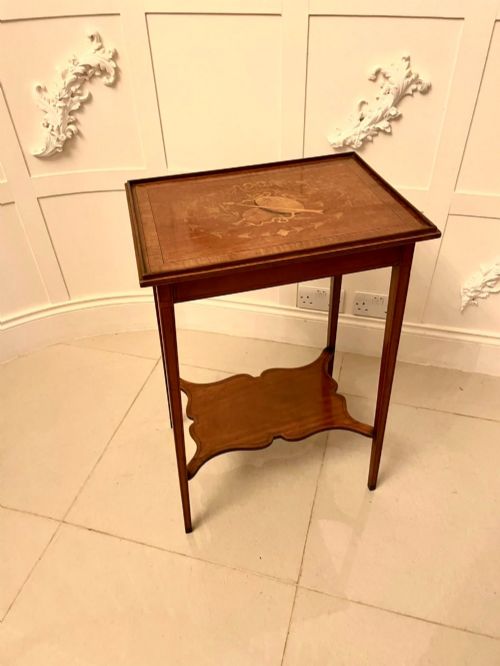
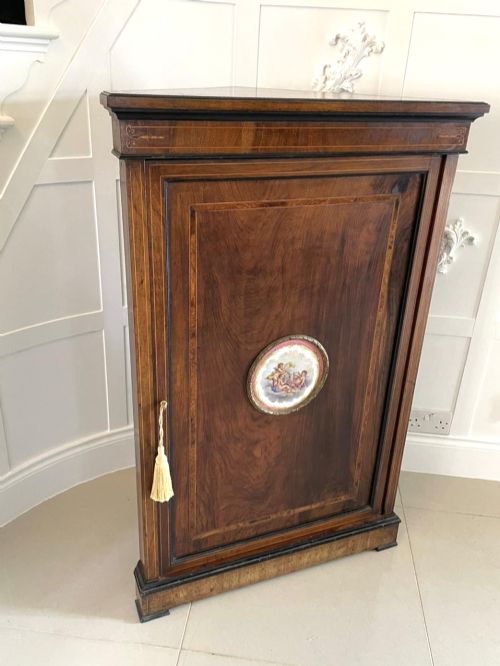
Edwardian mahogany examples with delicate boxwood or satinwood inlay dominate the current selection, reflecting the lighter aesthetic of the early 1900s. Alongside these, nineteenth-century pieces offer darker timbers and bolder marquetry, ranging from tripod tables to occasional wine tables.
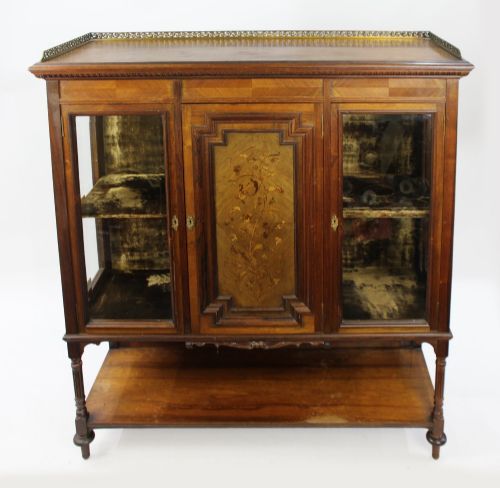
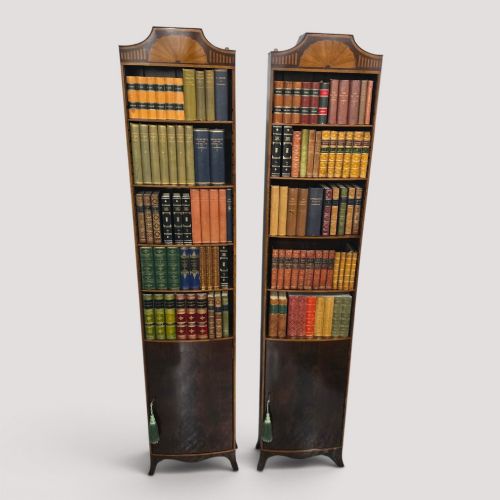
The typology also encompasses specialised pieces such as étagères and display cabinets, demonstrating that the term stretches across multiple small furniture forms. Buyers meet everything from simple three-legged plant stands to elaborate satinwood lamp tables finished with stringing and paterae.
Materials and construction
Mahogany and walnut form the structural backbone of these pieces, providing a stable timber base that accepts intricate decorative work. Cabinet-makers used contrasting light woods like boxwood and satinwood to create geometric stringing, floral motifs, and classical paterae.
Marquetry and inlay techniques required skilled hand-cutting of thin wood veneers fitted precisely into recesses carved into the primary surface. Joinery techniques varied from traditional mortise and tenon frames to turned pedestals and tripod legs supported on subtle brass castors.
Several stands feature tiny inlaid corners designed to catch stray botanical leaves.
Quality variations
The refinement of the marquetry and the precision of the contrasting wood inlays dictate the standard of execution. Sharply defined botanical or neoclassical motifs embedded flush with the primary timber demonstrate superior workshop practice.
Structural integrity and timber selection separate ordinary utility pieces from finer examples. Balanced proportions, carefully turned pedestals, and harmonious grain matching across the top surface distinguish the work of skilled cabinet-makers.
Waring and Gillow·Trevor Page and Co·GM Elwood for JS Henry
The Inlaid Wood Stand Glossary
- Inlay
- A decorative technique where pieces of contrasting material are inserted into recesses flush with the surface of the base timber.
- Marquetry
- Elaborate veneer work arranged in pictorial or geometric patterns across a surface. It differs from simple inlay by covering the entire top rather than inserting small decorative lines.
- Paterae
- Small round or oval decorative ornaments carved or inlaid with floral or classical rosette designs. They frequently appear on the corners of friezes or the tops of table legs.
- Étagère
- A set of open shelves for displaying small objects or ornaments, popular during the Victorian and Edwardian periods. These multi-tiered stands combine utility with delicate display space.
- Torchère
- A tall, slender stand designed to support a lamp, candle, or decorative plant. These vertical pieces elevate objects above floor level to draw the eye upwards.
Inlaid Wood Stand: Frequently Asked Questions
Where should I place a plant stand?
A plant stand or torchère suits corners, empty wall spaces, or beside seating where its vertical profile adds height without occupying a large footprint.
Ensure the location matches the weight and balance of the stand, particularly for tripod designs that require even floor surfaces.
How do I distinguish Edwardian from Victorian tables?
Edwardian tables generally feature lighter timbers, finer boxwood stringing, and an overall brighter aesthetic that reflects the tastes of the early twentieth century.
Victorian pieces lean towards denser rosewood, darker mahogany, and heavier marquetry work with deeper tones and more robust proportions.
How do I care for antique inlaid wood?
Protect inlaid surfaces from direct sunlight and excessive heat fluctuations to prevent the delicate boxwood or satinwood veneers from lifting.
Apply a light wax polish periodically to nourish the mahogany or walnut timber and maintain a soft natural lustre.