



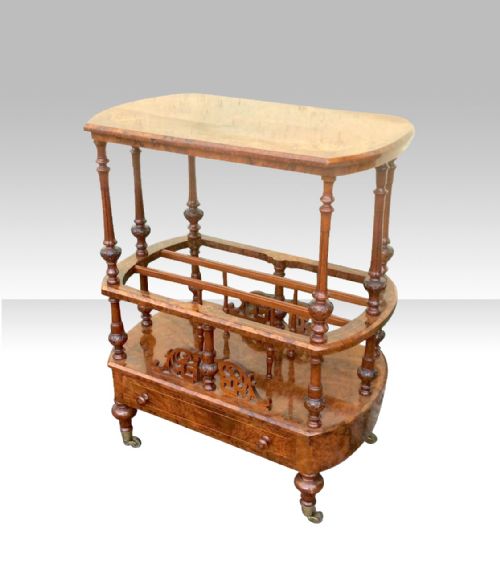

Inlaid Wood Holder
An inlaid wood holder brings warmth and utility to a desk, holding papers, books, or writing instruments within patterned timbers.
Inlaid Wood Holder
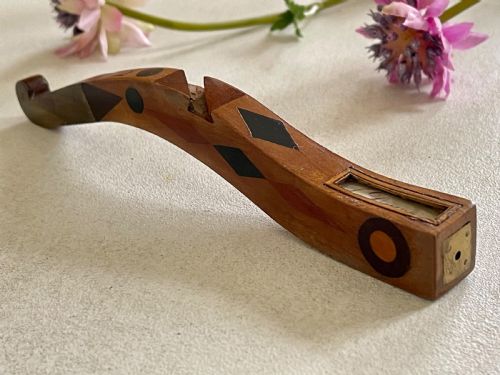
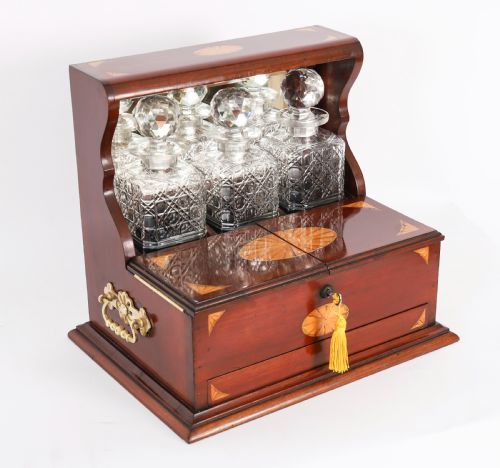
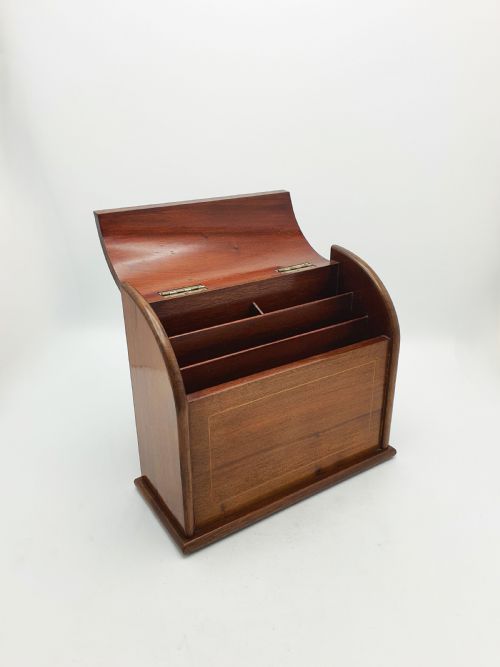
An inlaid wood holder encompasses a diverse group of domestic furnishings designed to store and display books, music, stationery, and small personal items. The selections on this page span the Georgian, Regency, Victorian, and Edwardian periods, with pieces originating from the nineteenth and early twentieth centuries.
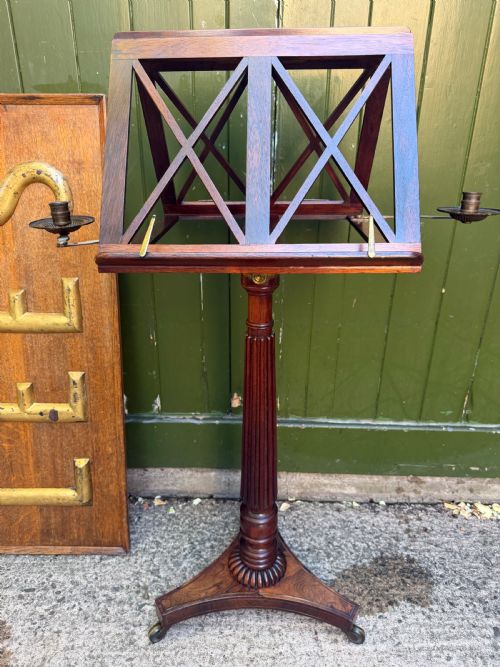
Domestic forms dominate the inventory, including canterburys, music stands, desk tidies, stationery cabinets, and book slides. Woods such as mahogany, walnut, burr walnut, and rosewood serve as the primary foundations for these functional items.
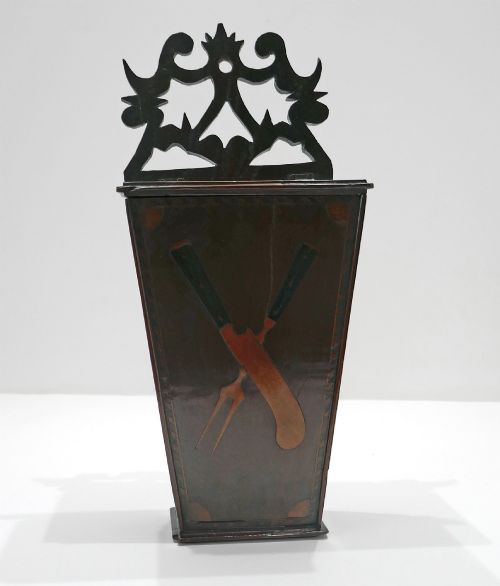
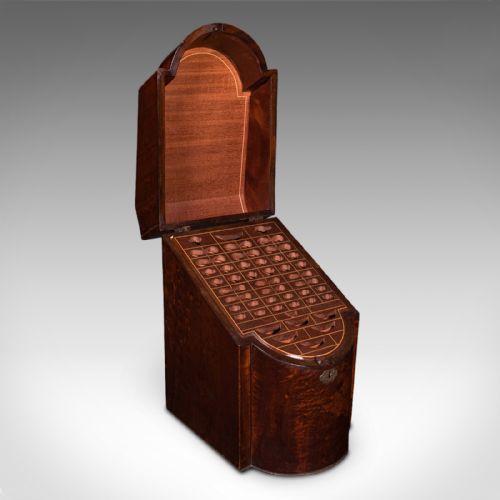
Makers utilised decorative techniques like boxwood and ebony inlay, brass mounts, and fretwork to embellish surfaces. These objects reflect the changing domestic requirements of their respective eras, transitioning from formal Georgian cutlery boxes to Edwardian desk accessories.
Materials and construction methods
Cabinetmakers constructed these pieces from dense native and exotic hardwoods, selecting mahogany, walnut, rosewood, and maple for their durability and grain patterns. Burr walnut sections appear frequently on Victorian surfaces, providing rich natural patterning.
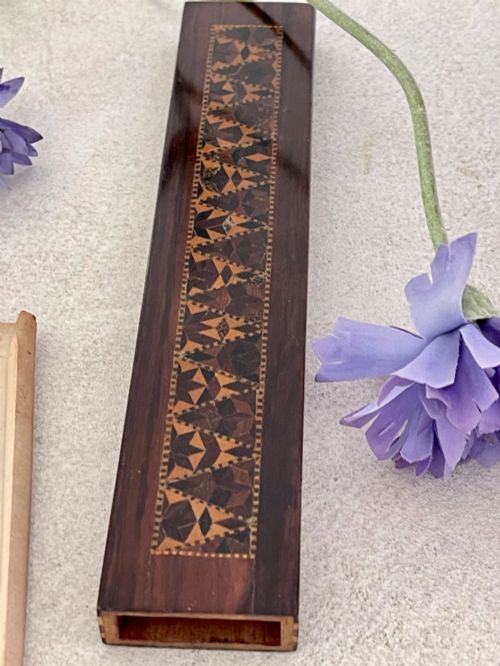
Inlay work involved meticulous hand-cutting of contrasting timbers such as boxwood and ebony, alongside Tunbridge Ware mosaic techniques and Khatamkari geometric arrangements. Brass mounts and adjustable hardware provided structural support and mechanical function to music stands and book slides.
Inlaid Wood Holder Retail Price Guide 2026
Typical asking prices for inlaid wood holder among the pieces listed under this phrase on Sellingantiques today, from the lower quarter to the upper quarter. They describe what is for sale here now, not the wider market.
The inventory covers domestic items ranging from the Georgian and Regency eras through to the Edwardian period.
Distinctions in craftsmanship
The standard of an inlaid wood holder depends on the precision of the timber joinery and the execution of the decorative inlay. Crisp, tightly fitted geometric patterns demonstrate superior workshop practice compared to superficial surface decoration.
Selection of figured veneers, such as burr walnut or satinwood, elevates the visual weight of a piece. Original brass hardware, functional adjustable mechanisms, and intact interior partitions preserve the integrity and utility of the object.
The Inlaid Wood Holder Glossary
- Canterbury
- A low stand featuring partitions for sheet music, magazines, or books, often fitted with a drawer below and small castors. This form originated in the late eighteenth century and remained popular through the Victorian period.
- Tunbridge Ware
- Small wooden objects decorated with mosaic patterns created from thousands of tiny tinted wood blocks. Named after the Kent town where the craft flourished, these pieces display remarkable geometric precision.
- Khatamkari
- A Persian technique of marquetry that forms intricate geometric motifs using thin rods of bone, brass, and various coloured woods. Artisans glue these composite stars and polygons onto wooden bases to create elaborate surface patterns.
- Cutlery Box
- A sloping wooden box designed to hold knives, forks, and spoons on a dining sideboard. Georgian examples frequently incorporate contrasting stringing and escutcheons.
- Book Slide
- An extendable desk accessory designed to hold a small row of books upright between two decorative ends. These often feature concertina actions or sliding wooden bases.
Inlaid Wood Holder: Frequently Asked Questions
What is a canterbury used for?
A canterbury serves as a compartmentalised rack for holding sheet music, folios, or periodicals near a piano or seating area. Many incorporate a shallow drawer in the base for smaller accessories.
Victorian and Edwardian households relied on these stands to keep daily reading material organised and accessible within the principal rooms.
How do I care for inlaid wood?
Keep wooden holders away from direct sunlight and sudden temperature fluctuations to prevent the timber and veneer from splitting. Regular dusting with a soft, dry cloth maintains the finish.
Applying a traditional beeswax polish sparingly preserves the natural lustre of mahogany, walnut, and rosewood surfaces without building up heavy residues.
How can I date a mahogany music stand?
Dating relies on examining the joinery, the method of adjusting height, and the style of the wood turning or brass mounts. Georgian and Regency examples often feature heavier brass mechanisms and hand-cut screws.
Later Victorian and Edwardian stands display machine-turned components and standardised fittings while retaining traditional mahogany or rosewood construction.