


Inlaid Wood Bedside Table
These inlaid wood bedside table designs bring refined surface patterns and compact storage to the bedroom.
Inlaid Wood Bedside Table
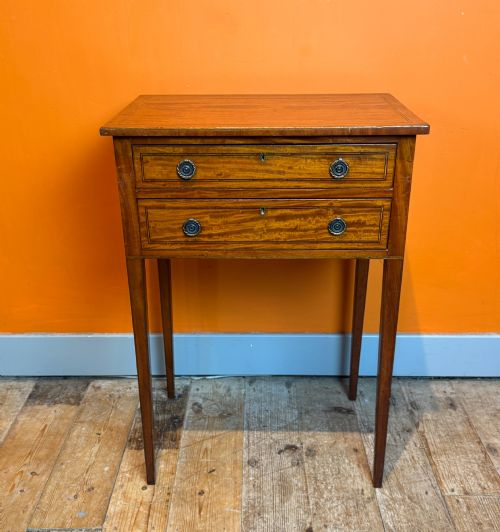
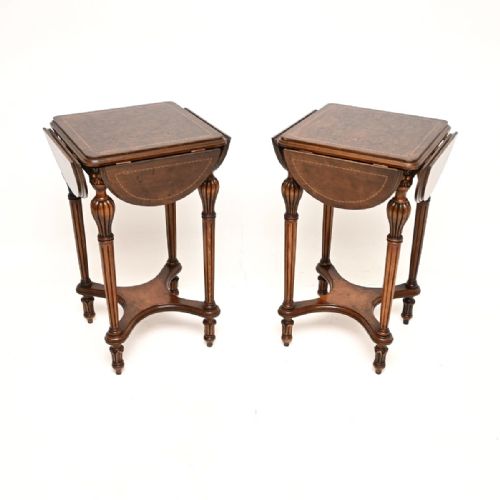
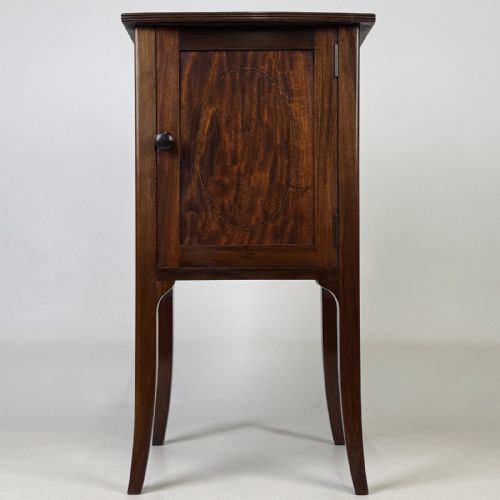
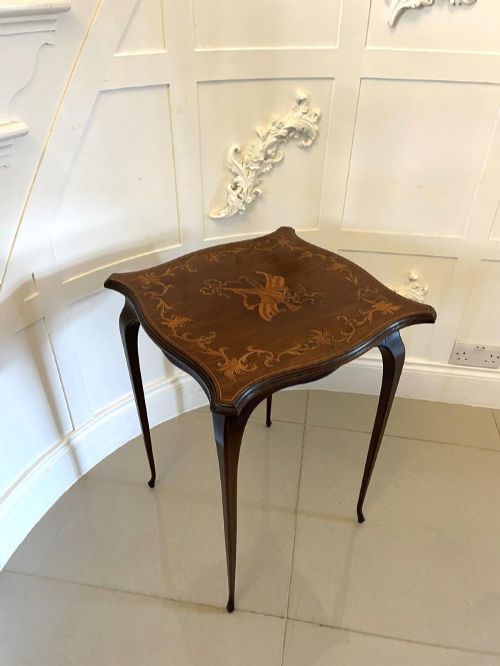
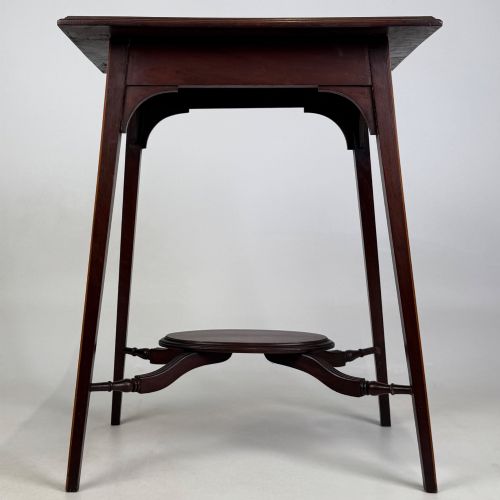
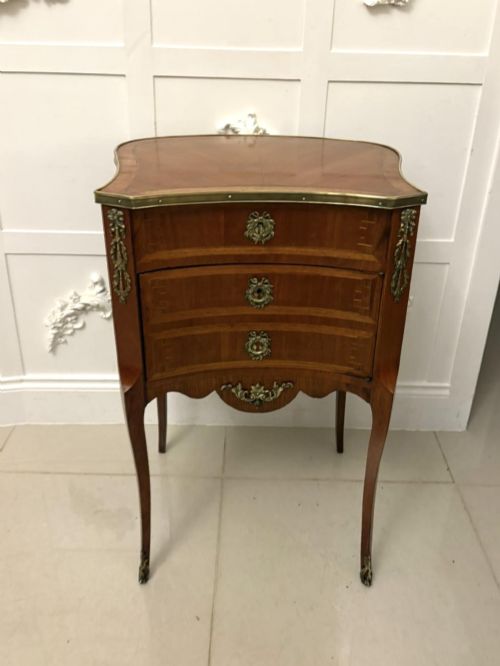
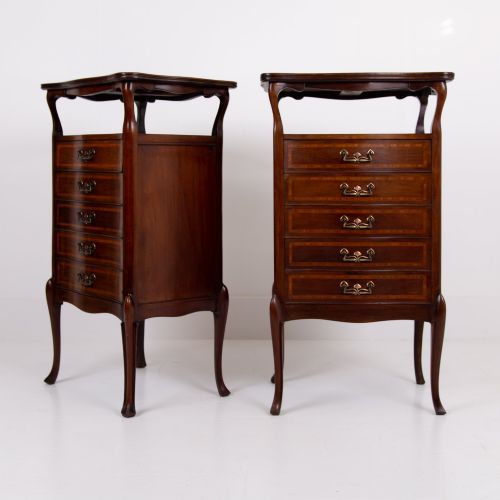
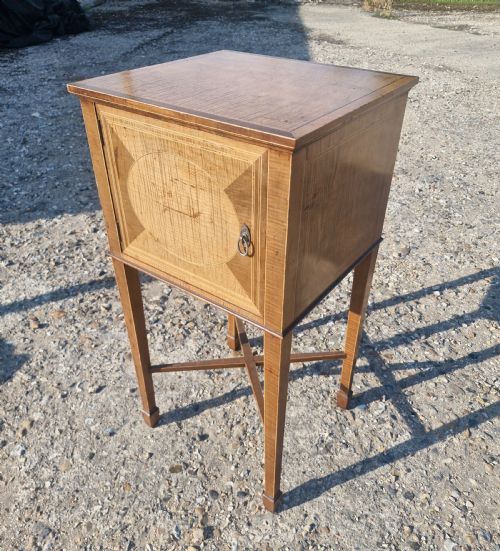
An inlaid wood bedside table offers practical bedside storage combined with decorative surface detail, appearing in forms such as bedside cabinets, lamp tables, and small chests of drawers. You will frequently encounter Edwardian and Victorian versions, alongside pieces from the 19th century and the 1920 to 1930 decades.
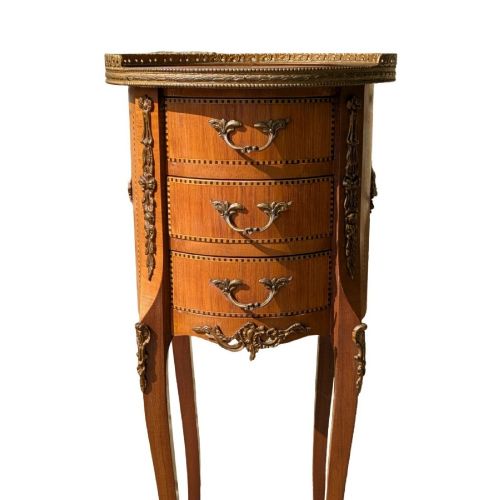
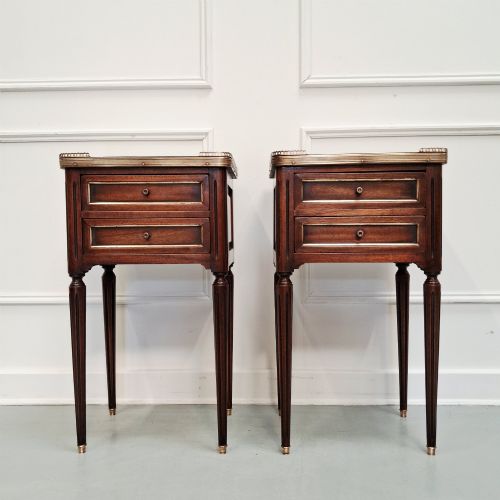
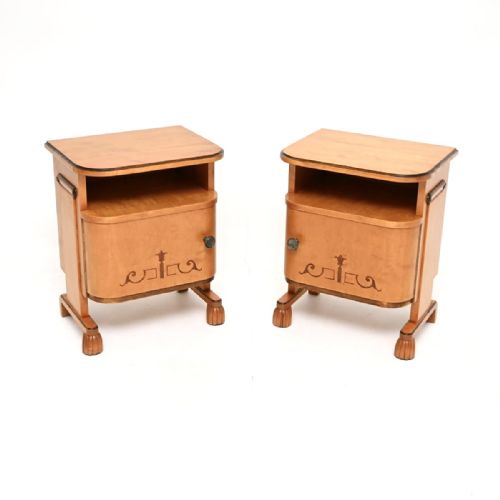
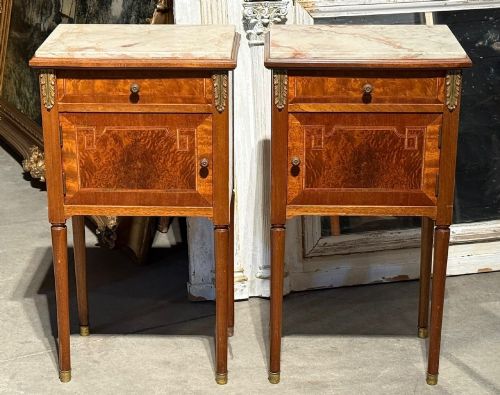
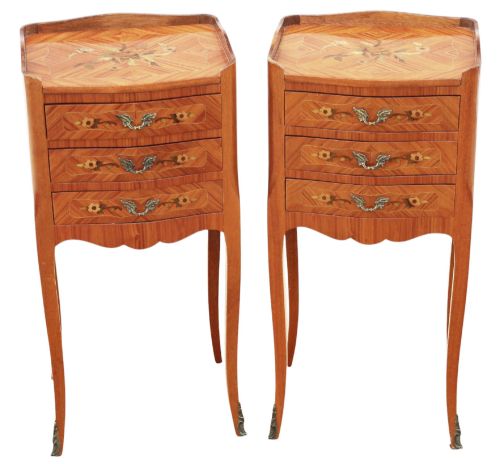
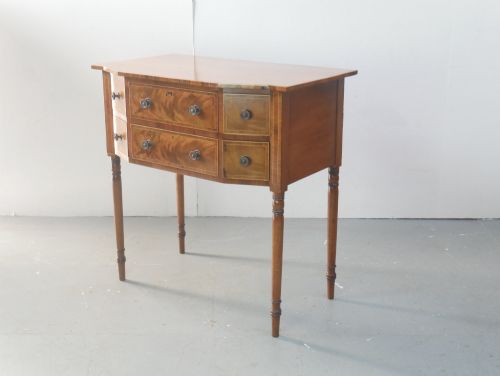
The selection ranges from British Sheraton Revival and Edwardian mahogany pieces to continental French Louis XV style commodes and Swedish Art Deco cabinets. These variations reflect the shifting tastes of makers who utilised compact forms for domestic use across different European centres.
Materials and technique
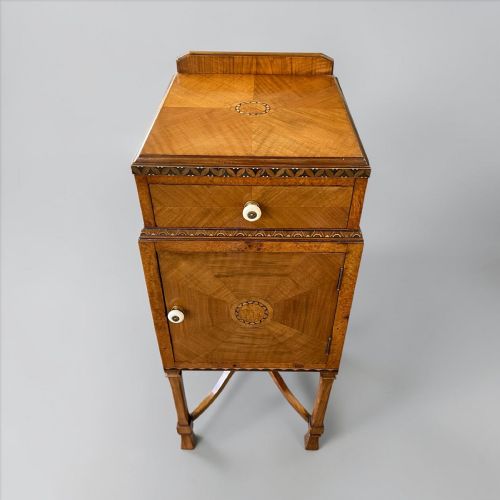
Cabinet makers constructed these pieces using primary timbers such as mahogany, walnut, rosewood, satinwood, kingwood, yew wood, and ash, often applying intricate marquetry and parquetry patterns. Surfaces frequently feature contrasting wood veneers shaped into geometric motifs or floral designs.
Hardware and secondary elements incorporate brass handles, marble tops, and occasional bronze mounts, depending on the stylistic influence. Construction methods combine traditional cabinetry joinery with precise veneer work to achieve stable, decorative surfaces.
Inlaid Wood Bedside Table Retail Price Guide 2026
Typical asking prices for inlaid wood bedside table among the pieces listed under this phrase on Sellingantiques today, from the lower quarter to the upper quarter. They describe what is for sale here now, not the wider market.
Listings feature pieces spanning the Victorian and Edwardian eras through to 1930, utilising mahogany, walnut, satinwood, and marble.
Distinctions in execution
The standard of an inlaid wood bedside table rests upon the precision of the veneer work and the crispness of the inlaid details. Superior examples display seamless joins in the marquetry and balanced grain patterns across the top and drawer fronts.
Structural integrity and the selection of secondary timbers separate finer commissions from standard production pieces. Well-executed pieces maintain smooth drawer operations and harmonious proportions regardless of whether they follow Georgian style, French revival, or Art Deco designs.
Morant And Co London
The Inlaid Wood Bedside Table Glossary
- Marquetry
- Decorative veneer work arranged in pictorial or geometric patterns across a furniture surface. This technique allows artisans to use various coloured woods to create complex designs.
- Parquetry
- Geometric wood inlay forming repetitive patterns such as cubes or chevrons. It is frequently seen on the tops and sides of continental cabinets.
- Satinwood
- A lustrous, hard timber with a golden yellow appearance used extensively in Edwardian and Sheraton Revival pieces. Its natural sheen enhances the brightness of inlaid furniture.
- Kingwood
- A dense, richly coloured timber featuring dark violet and brown stripes prized by French cabinet makers. It provides a striking contrast when incorporated into parquetry designs.
- Bombe
- A swelling, outward-curved profile characteristic of certain French style commodes and cabinets. This curved form requires advanced shaping skills from the maker.
Inlaid Wood Bedside Table: Frequently Asked Questions
What is an inlaid wood bedside table?
An inlaid wood bedside table is a small piece of bedroom furniture featuring decorative veneer patterns and storage space such as cupboards or drawers. These items range from compact Edwardian lamp tables to French marble-topped cabinets.
They serve as functional bedside surfaces while displaying the detailed woodworking skills of their respective periods.
How do I date an inlaid wood bedside table?
Dating relies on identifying the prevailing style, timber choices, and construction characteristics present in the piece. Victorian and Edwardian examples often feature mahogany with classical revival motifs, while 1930s pieces lean towards Art Deco or French influences.
Examining internal drawer construction and secondary woods provides further clues to the approximate decade of manufacture.
Are French and British styles different?
French designs often incorporate curved bombe shapes, kingwood veneers, and marble tops influenced by Louis XV styles. British variations frequently focus on Sheraton Revival or Edwardian mahogany cabinets with subtle stringing and inlay.
Both traditions emphasise decorative surfaces but differ significantly in their overall silhouette and timber selection.
How do I care for my table?
Maintain the wood surfaces by dusting regularly with a soft, dry cloth and avoiding placement near direct heat sources. Protect the finish from moisture by using coasters beneath any items placed on the top.
Occasional application of appropriate furniture wax helps preserve the lustre of the antique veneer.