

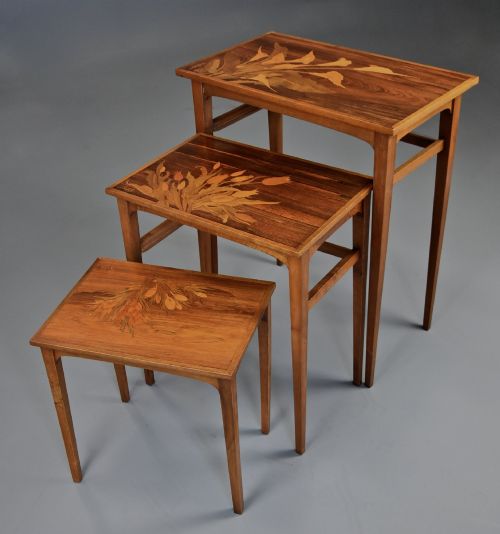
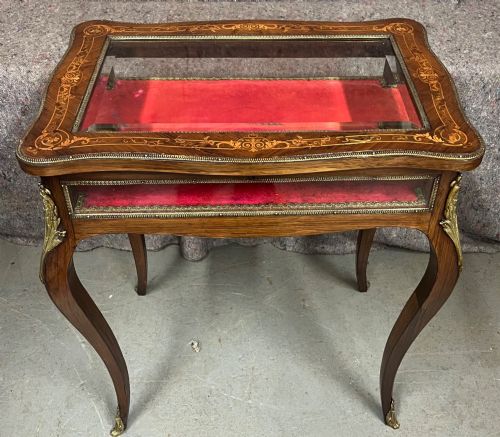
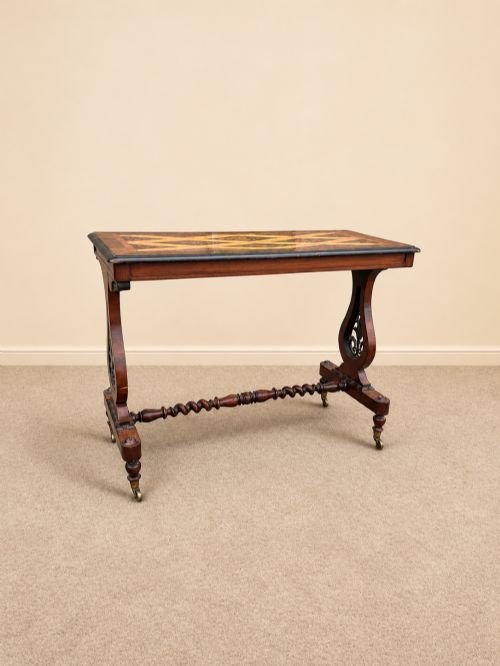
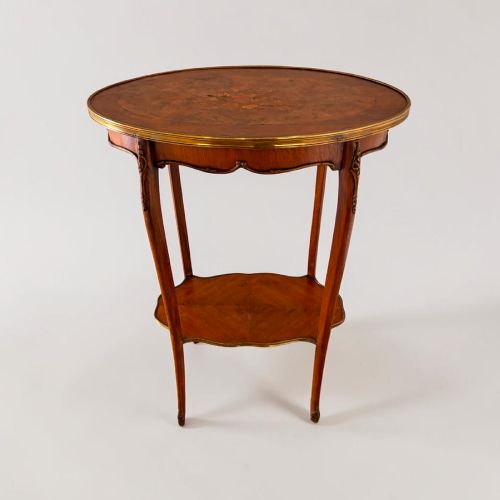


Inlaid Rosewood Tables
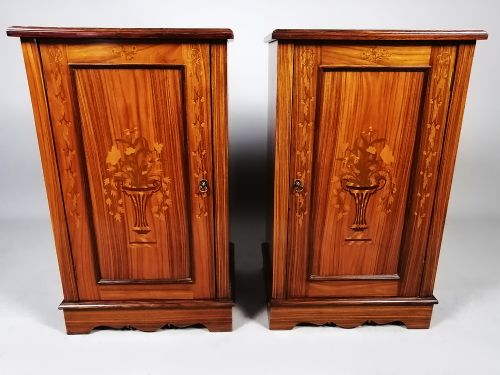
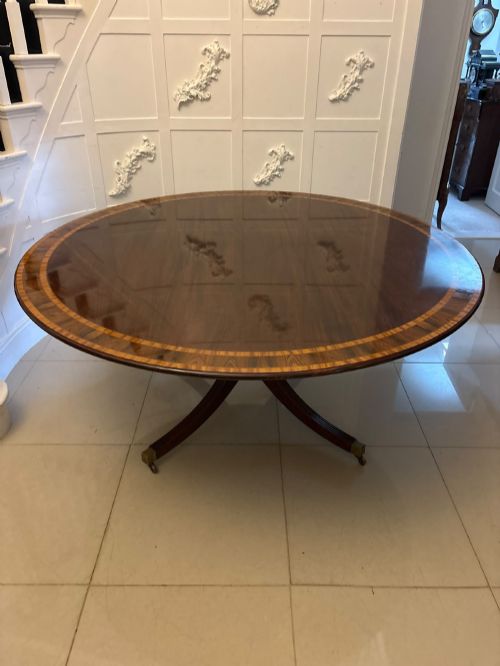
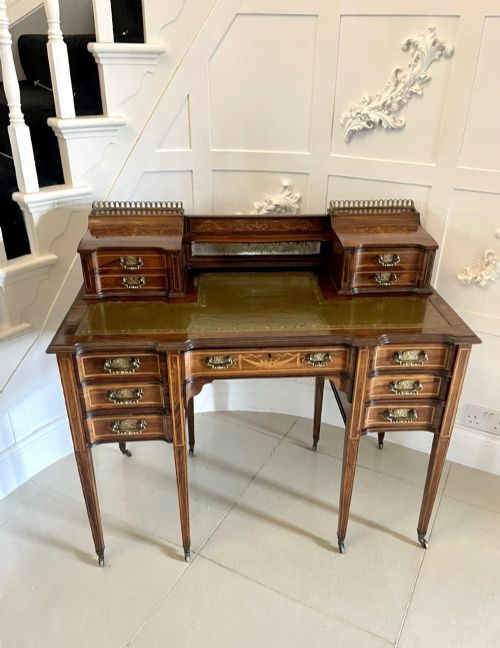
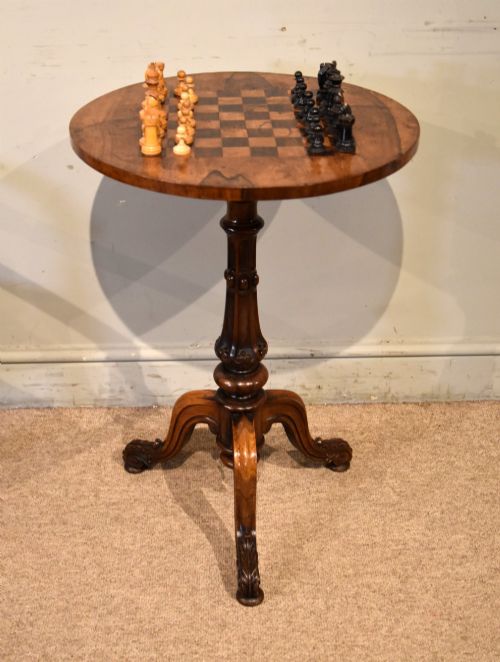
Inlaid rosewood tables bring together rich dark grain and precise contrasting details across forms from card tables to writing desks.
Inlaid Rosewood Tables
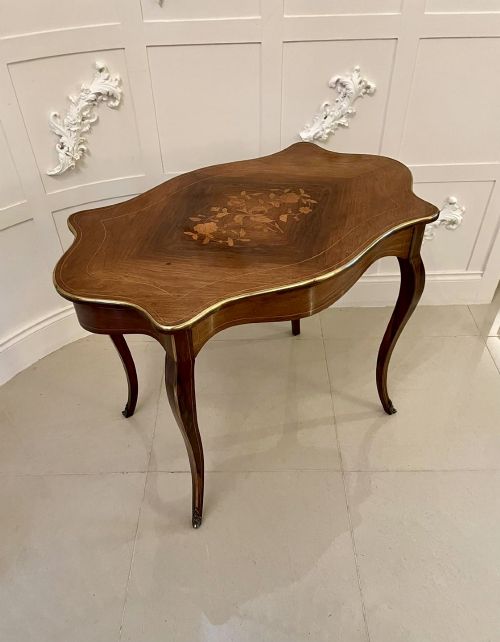
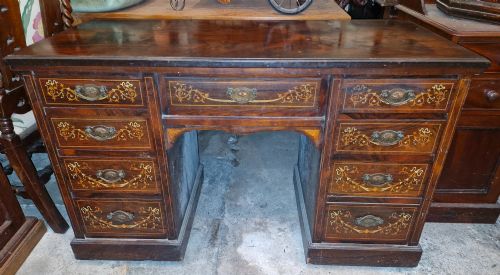
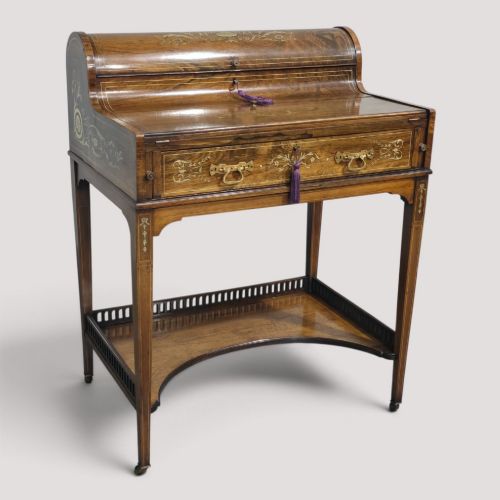
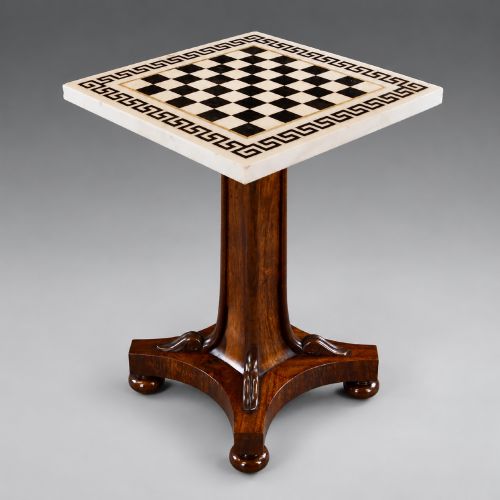
Inlaid rosewood tables appear in numerous guises across this selection, spanning side tables, occasional tables, card tables, centre tables, games tables, desks, writing desks, and work tables. Buyers seeking these pieces encounter items originating from English workshops, French makers, and Anglo-Indian production.
The periods represented stretch from the Regency era through the Victorian and Edwardian phases up to 1910, encompassing stylistic influences from Louis XV designs to Qing Chinese export work and French Art Nouveau.
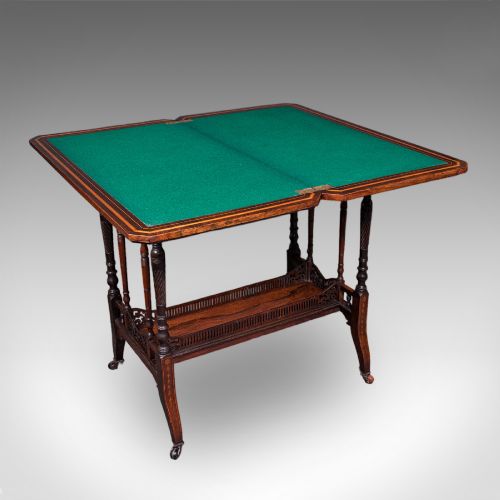
Occasional and side tables serve frequent domestic placement, while specialised forms like folding card tables, writing desks, and work tables provide specific functional surfaces executed in rosewood.
Materials and Technique
Construction relies heavily on rosewood as the primary timber, often selected for deep figured grain, paired with contrasting woods such as satinwood and boxwood for decorative definition.
Inlay work incorporates materials like brass, mother of pearl, and bone set directly into the timber surfaces, supplemented by ormolu mounts on French examples.
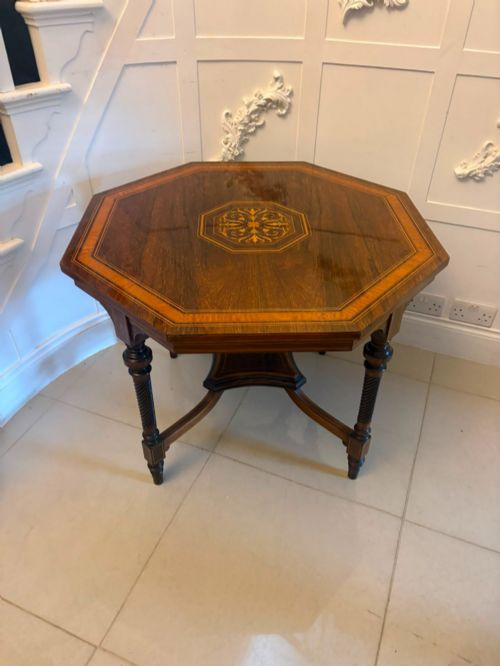
Cabinetmakers utilised techniques like crossbanding and marquetry to form intricate geometric and floral patterns across table tops, fold-over leaves, and friezes.
Inlaid Rosewood Tables Retail Price Guide 2026
Typical asking prices for inlaid rosewood tables among the pieces listed under this phrase on Sellingantiques today, from the lower quarter to the upper quarter. They describe what is for sale here now, not the wider market.
Card tables hide secret folding legs that swing out like loyal gatekeepers to catch you if you lean too hard on your bridge hand.
The Spectrum of Execution
The standard of execution separates standard production from exceptional pieces, visible in the crispness of the wood inlay and the precision where brass or satinwood meets the rosewood ground.
Design ambition dictates the upper tier, where makers incorporated complex mechanisms for swivelling tops, fitted writing interiors, or specialised marquetry scenes.
Material selection for secondary timbers and the refinement of mounts, whether cast ormolu or delicate bone stringing, separate straightforward utility items from master-workshop pieces.
Émile Gallé·Maple and Co·Edwards and Roberts·Gillows Oxford Street Workshop·George Bullock
The Inlaid Rosewood Tables Glossary
- Marquetry
- Decorative veneer work forming pictures or patterns by assembling pieces of wood, shell, or bone into a fitted ground. This technique defines the ornate tops of many French and Victorian centre tables.
- Crossbanding
- A border strip of veneer laid around the edge of a table top with the grain running perpendicular to the centre. It frames the primary rosewood panel.
- Ormolu
- Gilt bronze mounts applied to furniture edges and legs, frequently found on French pieces. The metalwork adds metallic contrast to the dark timber.
- Compendium table
- A multi-purpose piece designed to hold items for various pastimes or writing tasks. These tables often feature fitted interiors and specialised compartments.
- Quartetto
- A nested set of four tables designed to slide neatly beneath one another. They utilise rosewood and mahogany in matched sets.
Inlaid Rosewood Tables: Frequently Asked Questions
How do I identify an Anglo-Indian table?
Anglo-Indian pieces, particularly those from Hoshiarpur, utilise dense overall inlay work featuring materials like mother of pearl and bone. The timber ground is typically packed with intricate floral or geometric patterns.
These octagonal or pedestal forms reflect traditional Indian carving and inlay techniques applied to British furniture shapes of the nineteenth century.
Where should I place a centre table?
A centre table is designed to stand free in the middle of a room rather than against a wall. Marquetry and brass inlay on all sides allow the piece to be viewed from any angle.
They function well in large reception rooms or entrance halls as prominent decorative and usable surfaces.
What distinguishes Edwardian examples?
Edwardian inlaid rosewood tables often display lighter, more slender proportions than their heavy Victorian predecessors. They lean towards occasional tables, revolving bookcases, and refined writing desks.
The inlay work tends toward delicate satinwood stringing and neoclassical motifs rather than dense floral marquetry.