




Inlaid Oak Chair
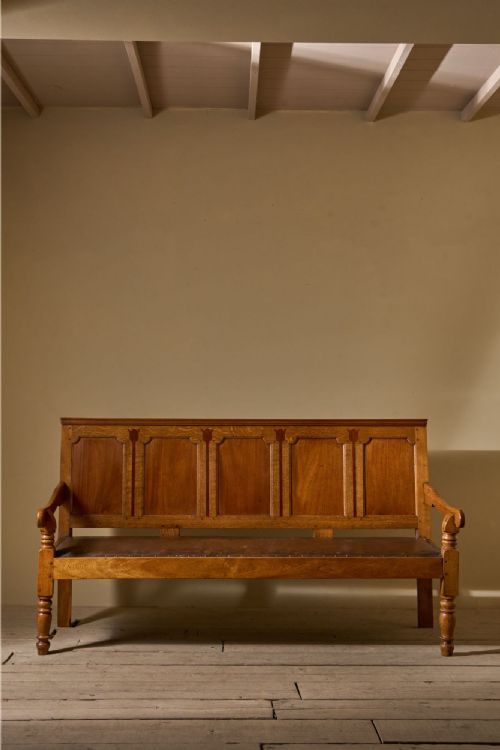
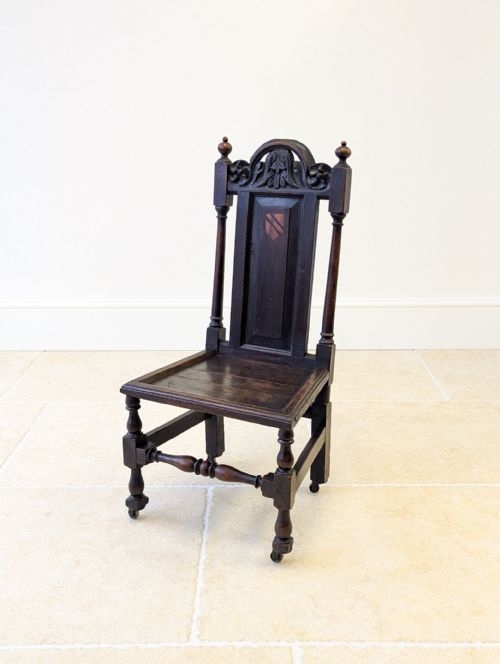
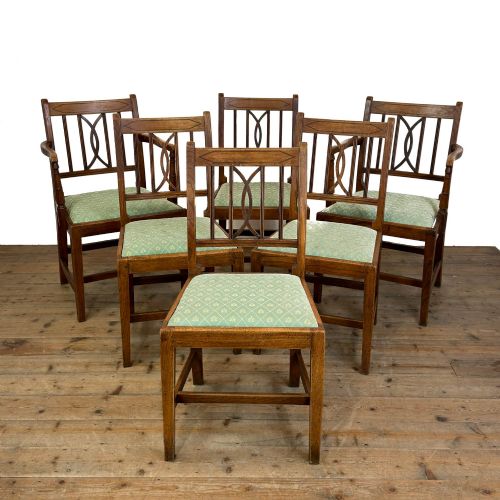
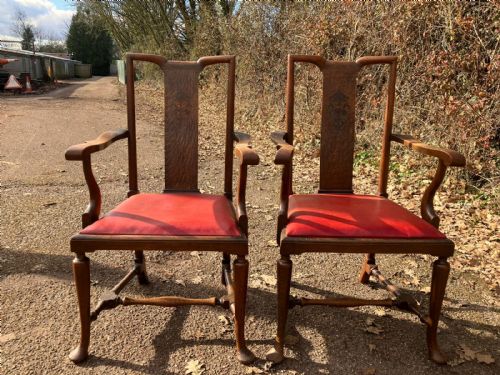
These inlaid oak chair examples are sturdy seating pieces combining robust timber with decorative surface work, prized for bringing historic texture into a room.
Inlaid Oak Chair
An inlaid oak chair encompasses a diverse range of sturdy seating forms spanning several centuries, from early country wainscot chairs to later revival dining sets. The examples appearing here most frequently include robust hall chairs, formal armchairs, and matching sets intended for dining spaces.
The periods represented stretch from the seventeenth century through the Georgian and Victorian eras up to the Arts and Crafts movement. Buyers encountering this selection find both rustic vernacular pieces and more deliberate revival designs reflecting earlier Jacobean and Carolean tastes.
Materials and construction
The primary material across these pieces is solid oak, supplemented occasionally by contrasting woods utilised for decorative timber contrast or lighter details like holly and bog oak. Joinery relies on traditional methods appropriate to the period, creating heavy frames capable of enduring centuries of daily use.
Surface ornamentation involves distinct inlay techniques, ranging from geometric wood inlay to contrasting metal elements such as brass or pewter. Some pieces integrate carved motifs alongside the inlay work, while others pair the timber frame with leather, fabric, or upholstered seating components.
Listings for this phrase frequently span from the 17th century through the Georgian and Victorian periods into the Arts and Crafts movement.
Assessing quality
Quality in these seating pieces rests upon the precision of the joinery and the integrity of the timber frame. Early examples with original structural members command attention because alterations or replaced components alter the historical honesty of the piece.
The refinement of the decorative inlay work and the retention of surface patina further distinguish finer examples from more utilitarian items. Balance between the structural oak and the decorative inlay determines how successfully the design holds together visually.
The Inlaid Oak Chair Glossary
- Wainscot chair
- A heavy wooden armchair common in the seventeenth century, constructed with panelled backs and solid timber seats. These early forms represent some of the earliest seating encountered in oak.
- Jacobean revival
- A nineteenth-century style imitating the heavy, carved, and inlaid furniture of the early seventeenth century. Makers during the Victorian era frequently utilised this historicism for grand hall and dining furniture.
- Arts and Crafts
- A design movement prioritising traditional craftsmanship and simple materials over industrial mass production. Chairs from this period often display honest construction with restrained inlay.
- Pollard oak
- Timber taken from trees that have been pollarded, producing a dense grain with distinctive knot clusters. This figured wood was frequently selected for decorative impact on tabletops and prominent chair panels.
Inlaid Oak Chair: Frequently Asked Questions
How do I date an inlaid oak chair?
Dating relies on examining the joinery methods, timber preparation, and the style of the inlay work. Seventeenth-century pieces typically show pegged mortise and tenon joints with hand-split timber.
Later Victorian revivals copy these older forms but often utilise machine-sawn timber and standardised fixings that reveal their nineteenth-century origin.
Were these chairs used daily?
Most surviving oak chairs served practical functions in domestic or civic settings, ranging from dining use to hall seating. Heavy wainscot and great chairs were often reserved for the head of the household.
Smaller side chairs and desk chairs saw constant service in parlours and studies, which accounts for the wear visible on many older surfaces.
How should I care for an oak frame?
Maintain the timber by keeping the chair away from direct heat sources and rapid humidity shifts that can split old oak. Regular dusting with a soft cloth preserves the dry finish without requiring heavy polishes.
Occasional application of microcrystalline wax helps protect the surface and maintain the natural lustre of the aged wood.
What is the difference between inlay and marquetry?
Inlay involves recessing pieces of wood, metal, or other materials into cavities carved into the solid oak surface. This method creates geometric or figurative patterns flush with the surrounding timber.
Marquetry, by contrast, assembles a pictorial veneer applied across the entire surface of the panel rather than sinking individual elements directly into the solid oak.