
Inlaid Mahogany Pedestals
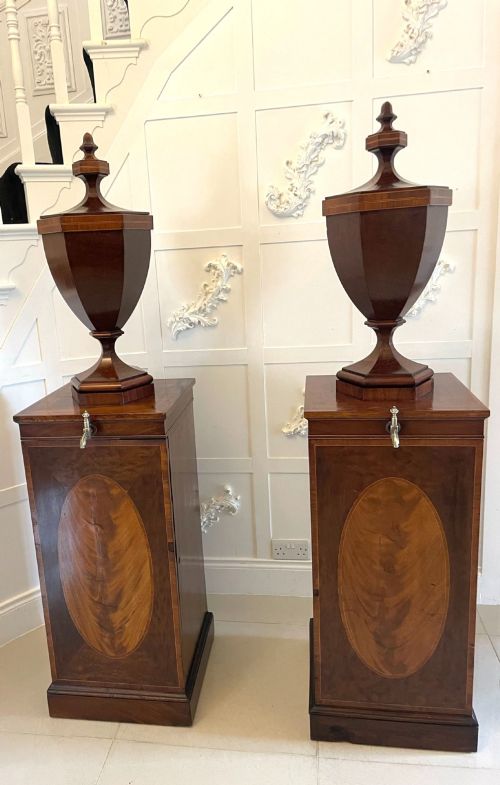
Inlaid mahogany pedestals combine substantial timber and precise decoration, offering an elegant focal point for displaying objects.
Inlaid Mahogany Pedestals
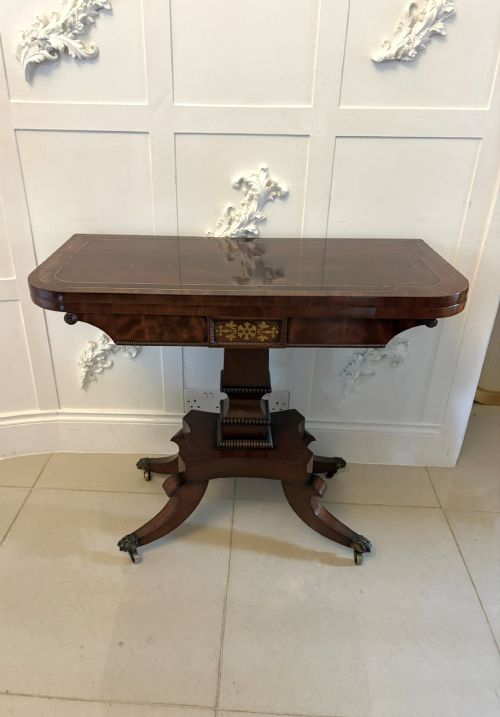
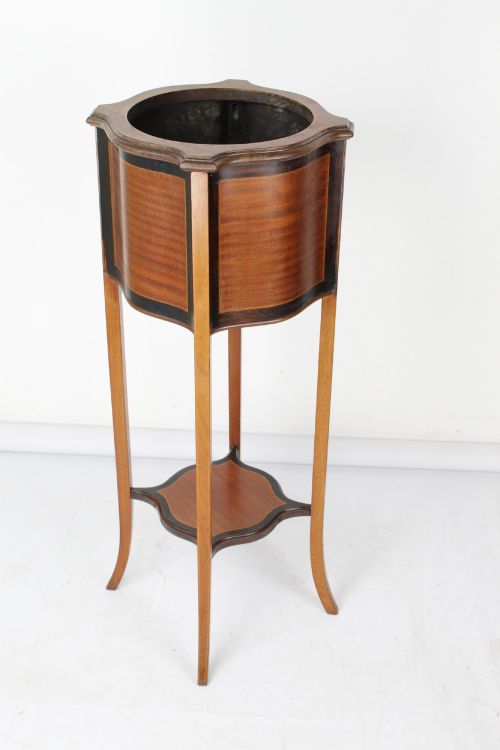
Inlaid mahogany pedestals are sculptural furniture pieces designed to elevate items such as urns, plant stands, or decorative sculptures within a room. When searching for inlaid mahogany pedestals, buyers encounter examples originating from Georgian, Regency, Victorian, and Edwardian periods.
The selection typically includes tall torchères, display cabinets, and matched pairs designed for symmetrical placement. These forms reflect the decorative tastes of the eighteenth and nineteenth centuries, utilising rich timbers and contrasting stringing.
Makers constructed these supports with structural integrity to bear weight while presenting refined decorative surfaces. Buyers will find variations spanning simple column supports to elaborate marquetry-adorned pedestals.
Materials and Construction Techniques
Craftsmen built these pieces primarily using solid mahogany and flame mahogany veneers over secondary timbers. The dark reddish-brown grain provides a stable canvas for decorative detailing.
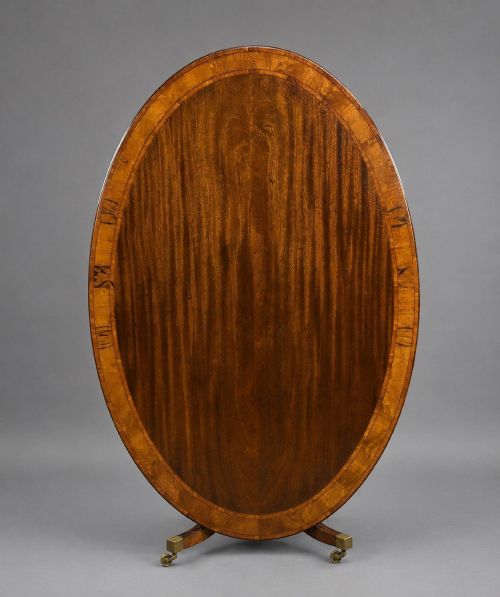
Contrasting light woods such as boxwood and satinwood were cut into thin strips and embedded into channels carved into the mahogany surface. This technique created sharp geometric borders, floral motifs, or complex marquetry panels.
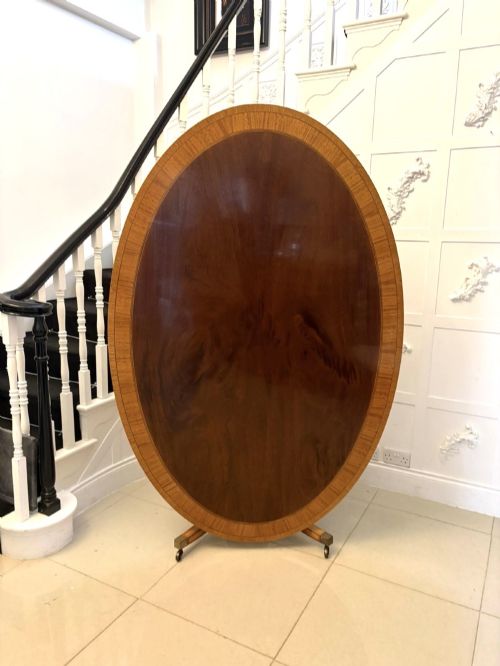
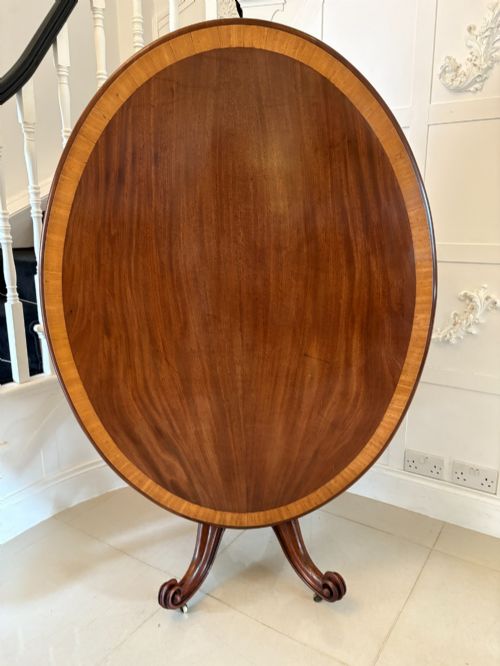
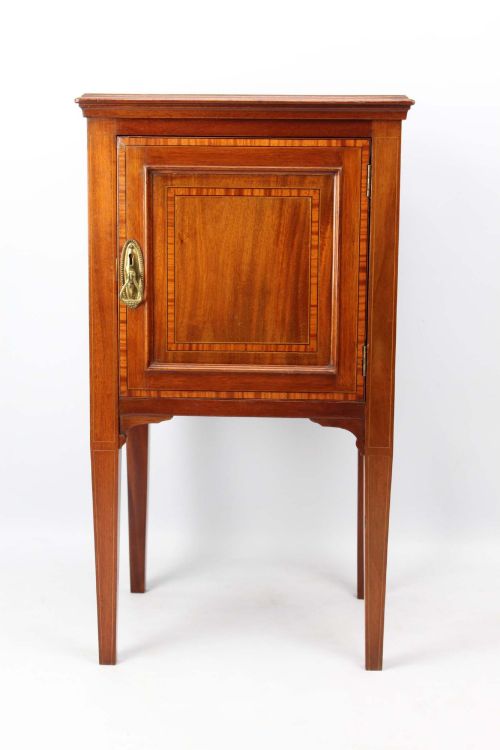
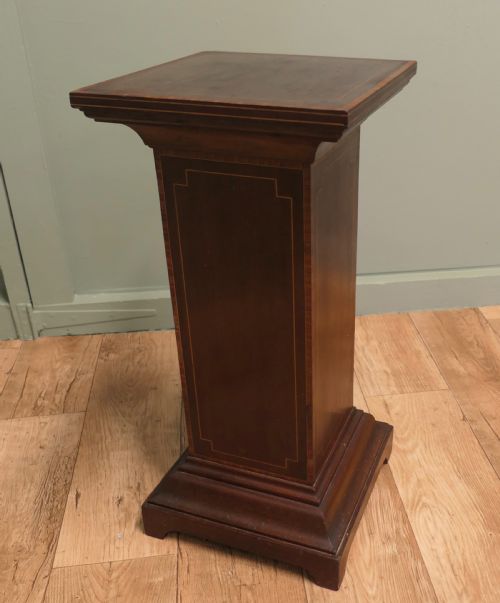
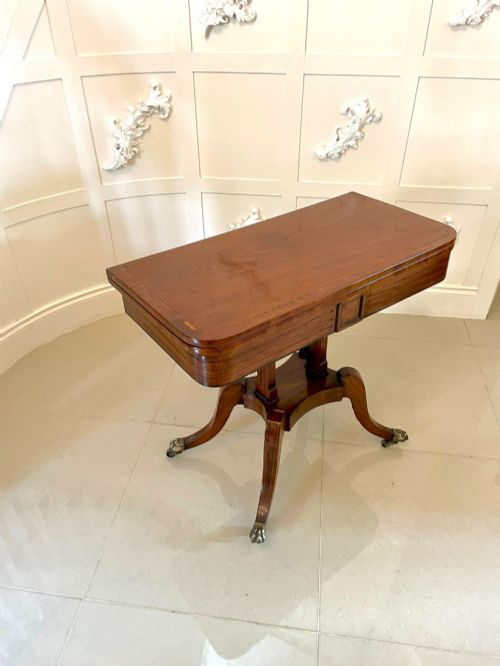
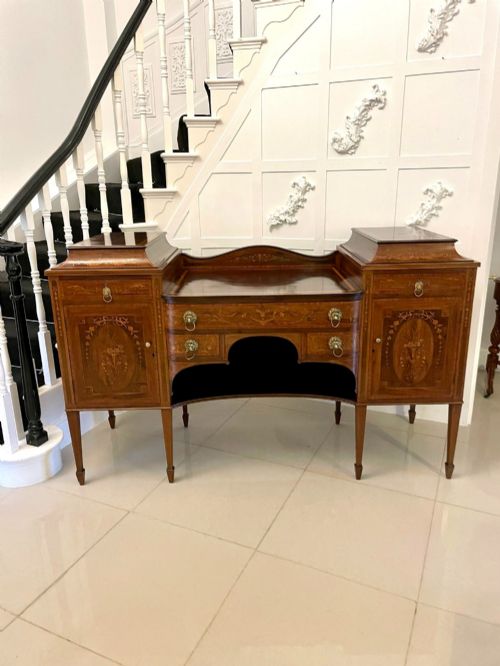
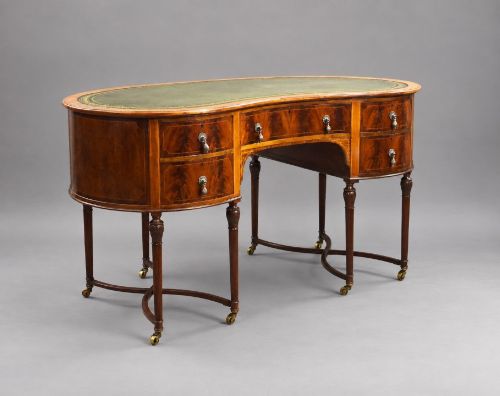
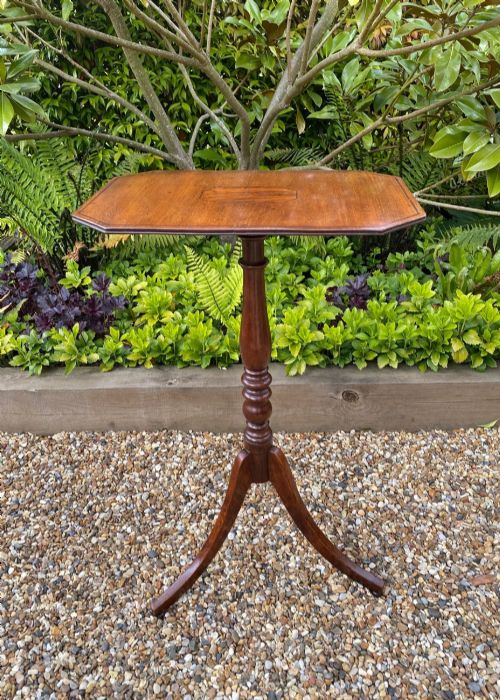
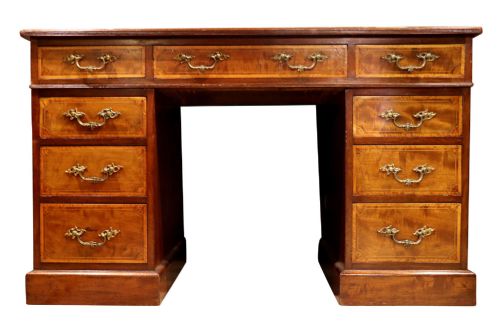
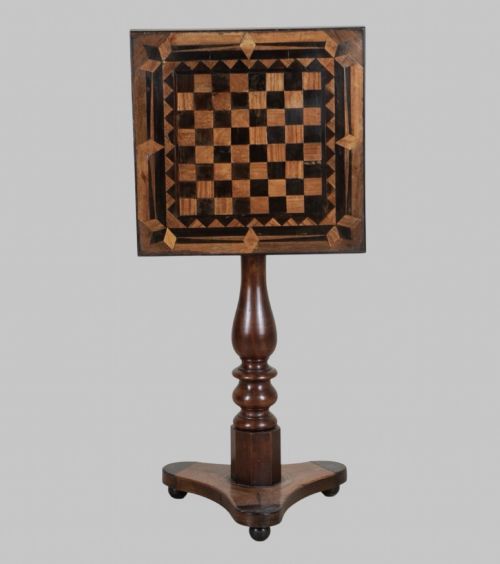
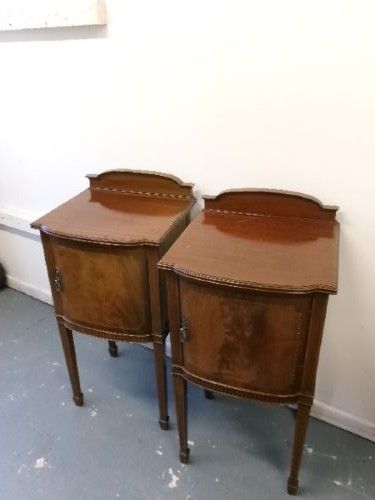
The listings show inlaid mahogany pedestals spanning Georgian, Victorian, and Edwardian eras, incorporating satinwood, boxwood inlay, and brass detailing.
Distinctions in Craftsmanship
Quality rests in the crispness of the inlay and the selection of timber figures. Superior pieces display tightly fitted boxwood stringing without gaps and employ richly figured flame mahogany veneers that catch the light.
Construction methods also separate standard production from master workshops. The weight distribution in the base, stability of the shaft, and integration of the platform reveal the maker's precision.
Hewetsons London·Edwards and Roberts·Wolfe and Hollander
The Inlaid Mahogany Pedestals Glossary
- Inlay
- A technique where pieces of contrasting wood or other materials are inserted into recessed portions of a base timber to form a decorative pattern. This creates a flush surface with varied colour and texture.
- Torchère
- A tall, slender stand or pedestal originally intended to hold a candle or torch. These pieces now serve primarily as supports for vases, lamps, or sculptural displays.
- Marquetry
- Elaborate veneer work forming pictorial or decorative designs using various tinted woods. The pieces are assembled like a puzzle before being glued to the structural carcase.
- Stringing
- Thin, narrow lines of contrasting wood inlay used to outline panels, drawers, or table edges. It provides a refined geometric border to plain timber surfaces.
Inlaid Mahogany Pedestals: Frequently Asked Questions
What were inlaid mahogany pedestals used for?
These supports were traditionally placed in formal rooms to hold lighting devices, decorative urns, or bronze sculptures. Their elevated design ensured that ornamental objects sat at optimal viewing height.
Over time, they found roles as plant stands or standalone display pieces within hallway and drawing room layouts.
How do I distinguish Georgian pedestals from Edwardian copies?
Georgian pieces rely on heavier timber densities, hand-cut joinery, and simpler structural proportions dictated by period tool use. The patination on older mahogany develops a deeper, softer lustre through decades of polishing.
Edwardian Sheraton Revival pieces often feature lighter framing, machine-prepared veneers, and brighter satinwood contrast that reflects late nineteenth-century revival tastes.
How should I care for mahogany and boxwood inlay?
Keep these items away from direct sunlight and heat sources to prevent the mahogany timber from drying out and shrinking. Sudden temperature changes can cause veneers to lift or boxwood stringing to crack.
Apply a microcrystalline wax periodically and buff gently with a soft cloth to maintain the protective finish without building up heavy residues.
Are these pedestals stable enough for heavy items?
Most examples utilise weighted bases or wide tripod feet designed to counterbalance the height of the central shaft. However, stability depends on the specific form, with torchères requiring careful placement away from high-traffic areas.
Heavier sculptural items balance best on pedestals featuring broad square or multi-sided platforms.